
Q1. When did Łazarski's Faculty of Medicine open?
+The faculty opened in 2016, and teaching on the medical programme began the following year, in 2017.
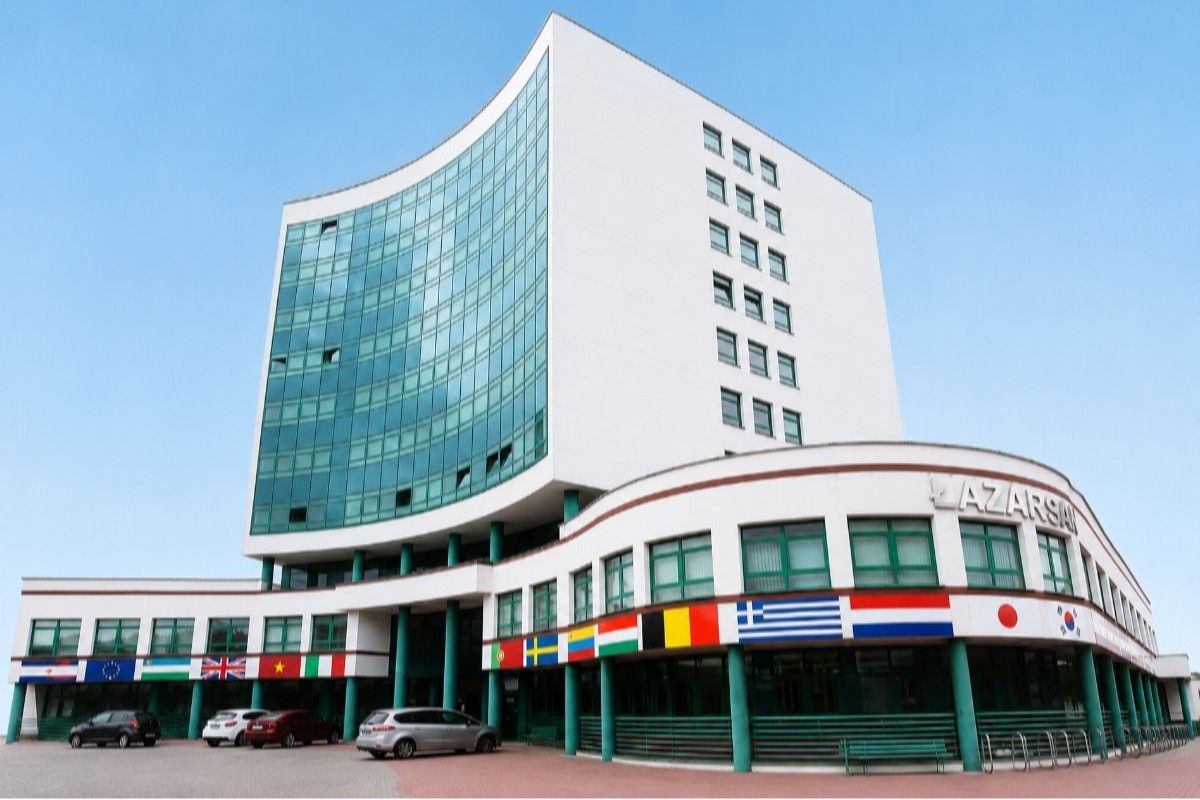
 Poland | Est. 1993
Poland | Recognised by Poland's Ministry of Education and Science; the medical programme holds a distinguishing rating from the Polish Accreditation Committee, confirmed by resolution in September 2023. | Polish runs through the whole medical programme medium
Expert will call you within 2 hours
The College and What Makes It Different
People usually just call it Łazarski. The wider university opened in Warsaw back in 1993, founded by Ryszard Łazarski, an educator and Warsaw Uprising veteran. For years it stayed focused on law, economics, and business. Medicine came much later, and that late arrival still shapes how the medical side runs today.
A private, non-public body owns the university, and its Faculty of Medicine only opened in 2016. Teaching started a year after that, in 2017. So, this makes Łazarski the first private institution in Warsaw, and the second in all of Poland, to train doctors.
Here's a fact most overview pages skip entirely. In the spring 2026 LEK licensing exam session, Łazarski's medical students topped every medical faculty in the Mazowieckie region, and placed ninth nationally out of dozens of schools. So genuine exam results back up this college now, not just marketing claims.
The Warsaw Campus and Its Setting
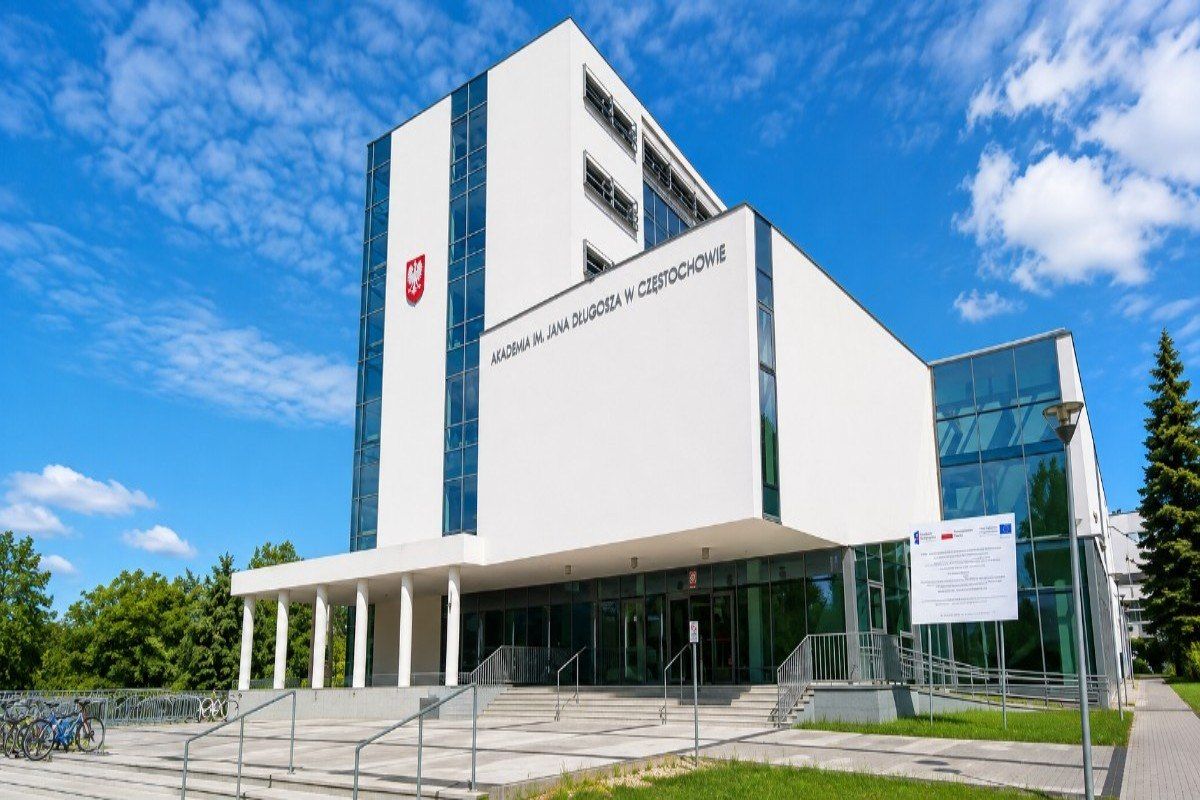
Łazarski sits in Mokotów, a well-established Warsaw district, at ulica Świeradowska 43. It runs on a single urban campus split into six sectors. So, students mostly stay in one place for lectures, labs, and everyday campus life.
Clinical and preclinical training runs through the university's own Centre for Basic and Preclinical Sciences, plus the MedExcellence Medical Simulation Centre, opened in 2019. So, students train on real simulation equipment well before they meet actual patients.
Class sizes stay deliberately small on the medical programme. Reports put yearly intake at around 100 students. So, the campus favours close teacher contact over sheer volume.
Course Structure, Cost, and Practical Details
Łazarski runs a 6-year kierunek lekarski, taught as one unbroken master's degree rather than split into separate bachelor's and master's stages. The course spans twelve semesters. No separate internship year follows graduation, since clinical placements sit inside those six years already.
Admission runs on a ranking list built from matura exam scores in biology, chemistry, and physics or maths. So, there's no separate written entrance exam beyond the standard school-leaving exam itself.
Fee figures genuinely conflict across sources here, and Łazarski openly raises tuition year by year as students progress. Reported semester fees run from around PLN 37,000 in year one up to PLN 46,000 by year six. Older reports from 2022 cited a flat six-year total near PLN 414,000, but current per-semester figures suggest the real total now runs noticeably higher. So, confirm the latest fee schedule directly before committing.
Quick Overview
Parameter | Details |
Established | 1993, in Warsaw; Faculty of Medicine opened in 2016, teaching started in 2017 |
Institution Type | Private, non-public academic university |
Location | Świeradowska 43, Mokotów, Warsaw, Poland |
Programme | Kierunek lekarski (Medicine), a single-cycle master's degree leading to the title "lekarz" |
Duration | 12 semesters (6 years); no separate internship year |
Medium of Instruction | Polish |
Foreign Quota Note | No SAARC-style quota; admission runs through a Polish matura-based ranking list, not an English-medium international intake system |
Teaching Hospital | Centre for Basic and Preclinical Sciences; MedExcellence Medical Simulation Centre (opened 2019) |
Fee Structure
Fee Component | Amount | Notes |
Semester Fee, Year 1 | Approx. PLN 37,000 | Fees rise each year of the programme |
Semester Fee, Year 6 | Approx. PLN 46,000 | Highest point of the escalating fee scale |
Reported 6-Year Total (2022 estimate) | Approx. PLN 414,000 | Older figure; likely below current cost given yearly rises |
Living Costs | Not separately confirmed | Warsaw living costs generally run on the higher side for Poland |
Approx. Total Programme Cost | PLN 420,000 to 500,000 (approx. USD 105,000 to 125,000) | Estimate only; confirm the exact current schedule with the college |
Why Uczelnia Łazarskiego's Medical Faculty Deserves a Harder Look Than Its Age Suggests
A Young Faculty With Genuinely Strong Exam Results
Most new medical schools take years to prove themselves on the state licensing exam. Łazarski's first cohort sat the LEK exam in spring 2023 and landed second nationally, with every single student passing. That result wasn't a one-off, either. In the spring 2026 session, its students again ranked at the very top regionally and ninth out of the whole country. So the young age of this faculty comes with real, repeated exam evidence behind it, not just a promising launch.
A "Distinguishing" Accreditation Few Schools Ever Get
Most colleges settle for a plain positive review from Poland's Accreditation Committee. Łazarski's medical programme earned a distinguishing rating, a tier above ordinary approval, confirmed by Committee resolution in September 2023. So the quality claims here rest on an outside regulator's own strongest possible grade, not just the university's own promotional language.
Honest Assessment
Be upfront about a few real gaps here. Tuition is genuinely one of the highest in Poland for a medical degree, and the fee schedule climbs every year rather than staying flat. Reported totals also vary depending on when the source was written, so treat older figures with caution. The whole programme runs in Polish, so it isn't built for students without strong Polish language skills.
So, who fits here best? Students who want small classes and hands-on simulation training fit well. Students comfortable paying a premium for a newer, well-regarded private faculty fit well too. However, budget-conscious applicants or those needing English-medium teaching should look elsewhere. Still, the exam results and the distinguishing accreditation are genuine, independently confirmed strengths.
No hidden charges, no donation. The full picture of costs at MBBS in Uczelnia Łazarskiego Wydział Medyczny.
Tuition Fee
494,000 PLN.
PLN 474,000
Hostel Fee
990 PLN to 1,130 PLN (€230–€260) per month depending on the room typ
PLN 2,200/month
Food & Meals
PLN 1,500–2,000/month
per month
Insurance
non-EU/EFTA students can alternatively arrange voluntary NFZ insurance themselves.
/year
Donation
no donation
no Hidden fee
Total Estimated Cost
Approx. PLN 420,000 to 500,000 — Estimated over 6 years, confirm directly
6 Year
25–35%
Average FMGE first-attempt pass rates for students from many overseas medical universities. Students from structured programs consistently score higher.
Students returning to India need to clear the FMGE/NExT exam. MBBS in Uczelnia Łazarskiego Wydział Medyczny integrates exam-oriented coaching into the regular curriculum so students are prepared from day one.
A structured program that takes you from foundational sciences to clinical mastery.
• Runs through the Centre for Basic and Preclinical Sciences, building the scientific foundation for later years.
• Consists of subjects such as Anatomy, Histology, Biophysics, and Biochemistry, which form the first phase subjects.
• Introduces medical ethics and population health alongside disease science.
• Consists of subjects like Pathology, Microbiology, Pharmacology, and Medical Sociology in this phase
• Uses the MedExcellence Simulation Centre to bridge theory and hands-on ward skills.
• Covers introductory clinical subjects alongside continued Pharmacology and simulation-based training.
• Runs through partner teaching hospitals across Warsaw in small, closely supervised groups.
• Covers Medicine, Surgery, Obstetrics and Gynaecology, plus emergency care training including ALS and PALS.
• Graduates must pass the state Lekarski Egzamin Końcowy before they can register to practise medicine in Poland.
• No separate internship year follows graduation; clinical placements sit inside the six-year programme itself.


Furnished hostel rooms with Wi-Fi, laundry, 24/7 security, and Indian mess on or near campus.
Indian restaurants and mess facilities serving vegetarian and non-vegetarian home-style food daily.
Strong Indian community with cultural events, festival celebrations, and peer support groups.
Students get hands-on clinical training in government and private hospitals affiliated with the university.
Practical information for students planning to study at MBBS in Uczelnia Łazarskiego Wydział Medyczny.
Prepare for all seasons. Thermal wear for winters, light clothing for summers. University provides heating in hostels.
Student visa processed with university invitation letter. Direct and connecting flights from major Indian cities.
Health insurance included in fees. Medical facility on campus plus city hospitals easily accessible.
Local SIM cards available. WhatsApp and video calls keep you connected with family back home.
Average monthly expenses of $150–$250 covering food, transport, and personal needs.
University library, online databases, and study groups. Seniors mentor juniors through academic challenges.
Our team guides you through every step — from application to arriving on campus.
Compare universities based on fees, city, ranking, and entrance-test format, not just the cheapest option.
Submit the application online, along with academic transcripts and the NEET scorecard, either directly or through an authorised admission partner.
Appear for the university's own Biology/Chemistry MCQ test, sometimes followed by a short personal interview or motivation-based discussion.
Most universities issue a conditional or confirmed offer letter within 1–2 weeks of the interview, though this may take longer during peak intake season.
Pay the initial tuition instalment to confirm the seat, ideally after receiving the fee structure and escalation policy in writing.
Apply for the Type D student visa at the Polish consulate/embassy in India; realistic processing time is several weeks.
Arrange university hostel or private accommodation before departure, and book flights with some buffer before the official reporting date.
In the final 30 days, finalise documents, arrange winter clothing, sort health/travel insurance, arrange currency exchange, and confirm hostel allotment in writing.
Complete on-arrival registration formalities, usually organised by the university for the whole batch; settle into the hostel room and get the university ID card issued.
Open a local bank account, buy a local SIM card, attend orientation sessions, get the class schedule, and begin building a grocery/cooking routine and connections with the Indian student community. With the right preparation at each step, an MBBS in Poland can be a well-planned, confidence-inspiring path to an EU medical degree.
Admission Helpline — Contact our counsellors for step-by-step assistance.
“The faculty here is incredibly supportive. The clinical training during hospital rotations has given me real confidence in patient care.”
“Affordable fees without compromising on quality. The campus facilities and hostel life made my transition abroad very smooth.”
“English medium instruction and WHO-recognized curriculum were the deciding factors for me. No regrets so far — excellent experience overall.”
“The university helped with everything from visa to accommodation. Hospital exposure from year three has been invaluable for my FMGE prep.”
“Just cleared my licensing exam on the first attempt. The structured coaching and mock exams during final year were a game-changer.”
“Safe campus, good food options, and a strong Indian student community. The teaching methodology is very practical and hands-on.”
The faculty opened in 2016, and teaching on the medical programme began the following year, in 2017.
It runs for twelve semesters, or six years, as one unbroken master's programme with no separate internship year afterward.
No, the entire programme runs in Polish, so applicants need strong Polish language skills before enrolling.
No. Admission runs on a ranking list built from matura scores in biology, chemistry, and physics or maths.
Semester fees rise each year, from about PLN 37,000 in year one to PLN 46,000 in year six.
regionally and ninth nationally. Very well. Its first cohort placed second nationally in 2023, and its 2026 cohort ranked first
Yes. It's recognised by Poland's Ministry of Education and Science, and its medical programme holds a distinguishing PKA accreditation.
Reports put yearly intake at around 100 students which keeps class sizes small.
It also runs nursing, added in 2021, along with a psychology programme.
Yes, graduates must pass the state Lekarski Egzamin Końcowy before they can register to practise medicine in Poland.
Our expert counsellors will guide you through the complete admission process — from documents to airport pickup.