
Q1. What is the official name of the university in English?
+The official English name is University of Business and Science, or UBS. Some sources also use UOBS, or UBS University of Uzbekistan.
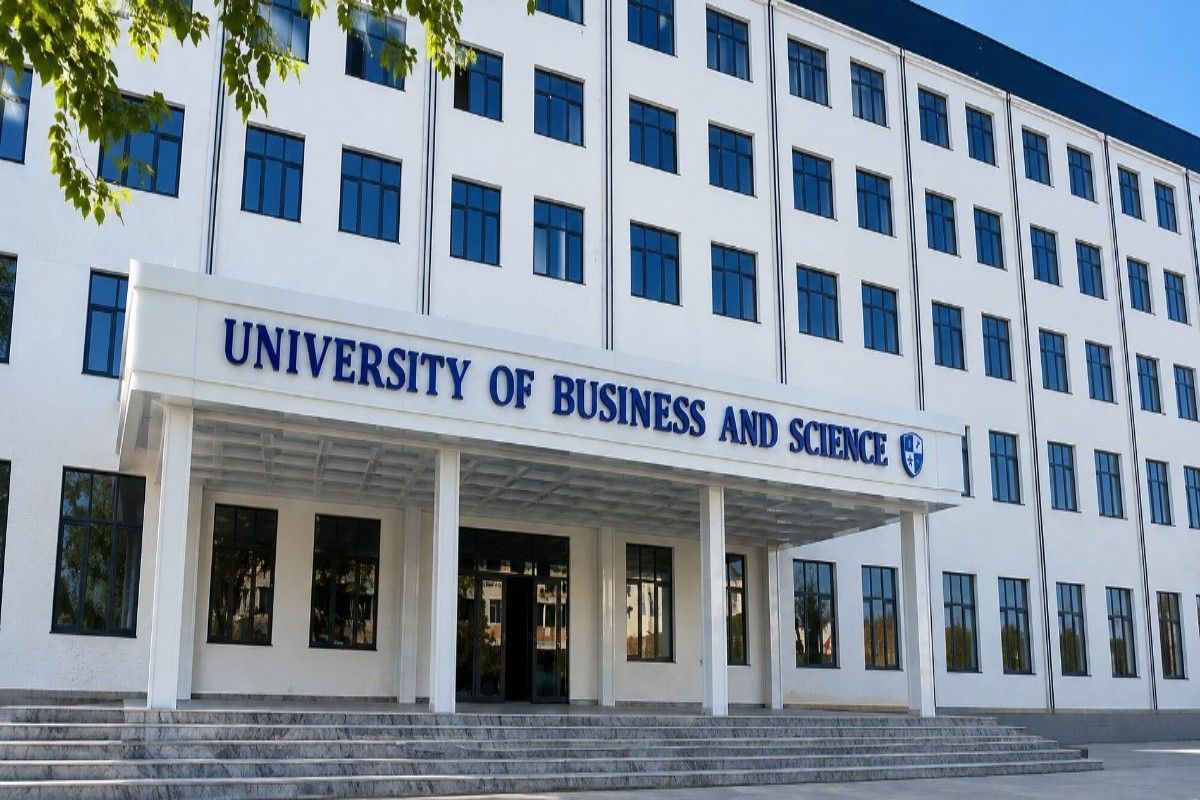
 Uzbekistan | Est. 2022
Uzbekistan | NMC (India), WHO, FAIMER, Ministry of Justice / Education / Health Kyrgyz Republic; WDOMS listed | English. Uzbek and Russian help is also on hand for clinical years. medium
Expert will call you within 2 hours
The University of Business and Science, known as UBS, is a private school in Uzbekistan. It runs a Faculty of Medicine in Namangan. Namangan sits in the eastern Fergana Valley. The university also runs branches in Tashkent. Some sources call the school UOBS instead. Its official English name stays University of Business and Science, or UBS for short.
Uzbekistan needs more doctors. UBS was set up partly to help fill that gap. The Faculty of Medicine trains students to become doctors. Grads can go on to work inside Uzbekistan. They can also study further in other countries. The General Medicine course runs for six years. It follows the same national plan used by other medical schools in Uzbekistan. Locals call this degree Davolash ishi. This means Treatment Work in English. The course sits close to the model used across much of Europe, where medicine also starts right after high school and runs for a set number of years, rather than needing a first degree before entry.
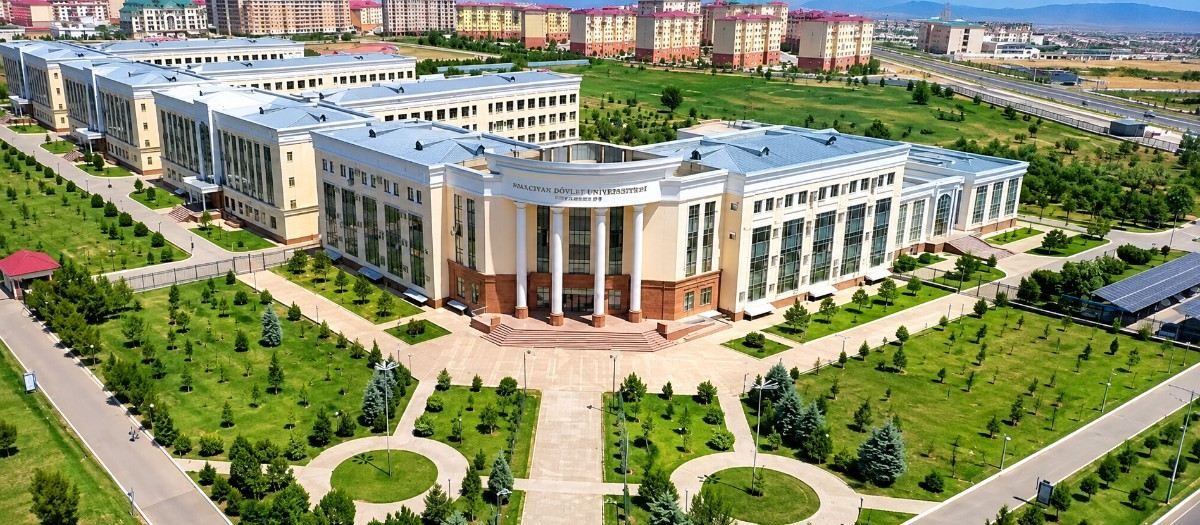
The main medical campus sits in Namangan. It holds modern classrooms, science labs, and computer rooms. The Faculty of Medicine runs its own dean's office. It also runs its own Department of Medicine. Students use an online system to run their studies. They also get an e-library and a student phone app. These tools help students check class times. They help students find study notes too. They also help students reach their teachers fast. Classes mix lectures, lab work, and group talks. From year one, students learn to think the way a doctor thinks. Small group work sits at the centre of most teaching days, rather than large halls packed with silent note-taking.
The six-year course splits into three broad stages. Years one and two form the preclinical stage. Year three forms the paraclinical stage. Years four through six form the clinical stage. This shape is common across Uzbekistan. It also matches the medical training model used in many European countries. Each year builds on the one before it. Students start by learning how the body is built. Next, they learn what goes wrong in disease. Finally, they work with real patients inside real hospitals. The full year-by-year subject list appears in the Curriculum section below. This step-by-step build helps students avoid feeling thrown into hospital work without a proper base of science first.
UBS works with several hospitals to run its clinical training. In Tashkent, partner sites include Tashkent City Clinical Hospital No. 1. They also include the Republican Clinical Hospital. The National Cardiology and Therapy Center is a partner too. In Namangan, students train through the regional health system. This gives them a wide mix of patients to learn from. It helps build both confidence and real hands-on skill early on. Seeing many kinds of cases early tends to help students feel more ready once they reach the internship year. A student who trains across both a small regional hospital and a large city centre also picks up a broader sense of how care differs by setting and by resources on hand.
The English-taught program stays open to students from many countries. Many students come from India, South Asia, the Middle East, and Africa. All classes run in English. The university also gives backup support in Uzbek and Russian. This helps students talk with local patients once hospital training begins. The classroom mixes many cultures together. This makes daily learning more interesting. It also helps prepare students for health work in many countries later on. Many graduates leave with real, working exposure to more than one language, which often helps later in a global medical career.
Student life at UBS stays fairly simple and cheap. The university offers hostel rooms at around 1,000 US dollars a year. Rooms tend to be basic, and students usually share them. The university also helps with visa steps, medical cover, police forms and airport pickup. First-year students usually spend about 1,800 US dollars in one-time costs, including immigration steps, airport pickup, registration and translation help. This support makes the first move to Uzbekistan easier for students coming from far away. For families weighing the true cost of a medical degree abroad, this kind of bundled support can meaningfully cut down on early stress and hidden extra costs.
Namangan itself suits student life well. It ranks as the second-largest city in the Fergana Valley, with a long history behind it. It costs much less to live in than Tashkent. Food, transport, and daily shopping all stay cheap here. Students can explore local markets and old historic sites in their free time. The university also runs sports, cultural events, and student clubs. These help students stay active. They also help students build friends across different countries during their years on campus. The calmer pace of a smaller city can also help students focus, compared with the noise and cost of a much larger capital.
The Faculty of Medicine runs under its own clear leadership team. The university's website names a Dean of the Faculty of Medicine. It also names a Head of the Department of Medicine, and a Head of Medical Personnel Training. This shows the university treats medical training as a serious, structured field, not an afterthought. Teaching staff include local doctors and specialists. They bring real hospital know-how straight into the classroom, rather than teaching purely from textbooks.
UBS also puts real weight on digital learning and world links. Students use online tools and digital libraries through the whole course. The university wants its grads to clear licence exams with real confidence. It also wants them ready to work inside modern health systems abroad. The course preps students for exams such as FMGE, NExT, USMLE, PLAB, and various GCC medical exams. These exams matter for any grad who plans to work outside Uzbekistan after finishing their degree.
The final degree given out is a Doctor of Medicine, or MD. In India, this degree gets treated the same way as an MBBS. To work in India, grads must still pass FMGE or NExT. The six-year length, English teaching, and hands-on hospital time all help prep students for these exams later on. The university also backs students who want further study after this degree. This can happen inside Uzbekistan, or elsewhere in the world.
Getting into UBS stays fairly simple on paper. Students need twelve full years of school, including Physics, Chemistry, and Biology. They need a valid passport and passport-style photos ready. Some intakes may ask for basic English proof. Still, school marks matter most in most cases. The university sends out admission letters and visa support letters once a seat is confirmed. It also handles airport pickup and paperwork help once students actually land in the country. Compared with the tight, high-stakes entrance tests used in many countries, this more grade-based route can suit students who prefer a clearer, less exam-heavy path into medicine.
The University of Business and Science offers a fairly practical route into medicine for students set on studying in Uzbekistan. It mixes an English-taught course, a modern campus, and real hospital training. Total cost stays well below most Western medical schools. The Namangan site gives students a quieter, calmer place to study, with a genuinely low cost of living attached. Between its digital tools, hands-on clinical training, and clear exam prep focus, UBS works as a solid, budget-friendly pick for students building toward a career as a doctor. Prospective students should still check current accreditation and recognition status directly with the university, and with the National Medical Commission in India, before making a final call.
No hidden charges, no donation. The full picture of costs at MBBS In University of Business and Science (UBS) Faculty of Medicine.
Tuition Fee
$2,900 – $3,000 per year (~₹2.40 lakh – ₹2.50 lakh)
USD 3,500 INR 2.92 lakh
Hostel Fee
$400 – $500 per year (~₹33,000 – ₹41,000)
USD 1,000 INR 0.84 lakh
Food & Meals
~USD 1,200 ~INR 1.00 lakh
per year
Insurance
USD 600 INR 0.50 lakh
per year
Donation
No Donation
No Hidden Fees
Total Estimated Cost
approximately $18,000 to $22,000 (roughly Rs. 15 lakh to Rs. 18.5 lakh)
total 6 year
25–35%
Average FMGE first-attempt pass rates for students from many overseas medical universities. Students from structured programs consistently score higher.
Students returning to India need to clear the FMGE/NExT exam. MBBS In University of Business and Science (UBS) Faculty of Medicine integrates exam-oriented coaching into the regular curriculum so students are prepared from day one.
A structured program that takes you from foundational sciences to clinical mastery.
Early classes build patient talk and ethics skills too
uman Anatomy, Histology, Biology, General Chemistry, Biophysics, Uzbek or Russian, Latin and Medical Words, Medical Ethics, Psychology. Students learn the shape and words of medicine.
This year moves from body shape to how healthy organs work.
Anatomy, Histology, Physiology, Biochemistry, Embryology, Genetics, Immunology, Microbiology, Public Health, Epidemiology, Hygiene, First Aid.
This year links theory to real clinical work.
General Pathology, Systemic Pathology, Microbiology, Parasitology, Pharmacology, Pathophysiology, Radiology Basics, Lab Tests, Clinical Skills, Propaedeutics
Students step into hospital wards. They rotate through key units.
Internal Medicine, General Surgery, Neurology, Psychiatry, Skin Care, Child Health, Women's Health, Ear-Nose-Throat Care, Eye Care, Infectious Disease, Clinical Skills.
Students handle patient cases with increasing responsibility.
Internal Medicine, Surgery, Bone Care, Trauma Care, Emergency Medicine, Anesthesia, Intensive Care, Heart Care, Lung Care, Gut Care, Hormone Care, Blood Disease, Cancer Care, Family Medicine.
A guided hospital internship. A written, oral and hands-on final exam is the culmination. This exam is needed for the MD degree.
: Internal Medicine, Surgery, Child Health, Women’s Health, Emergency Medicine, Primary Care, Elective Rotations, Final Exam Prep.
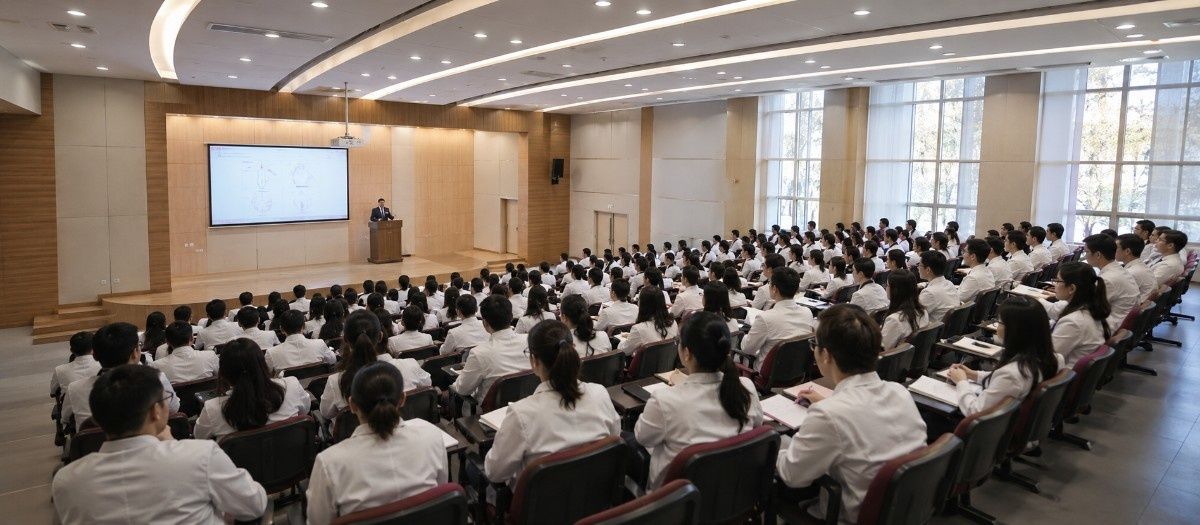
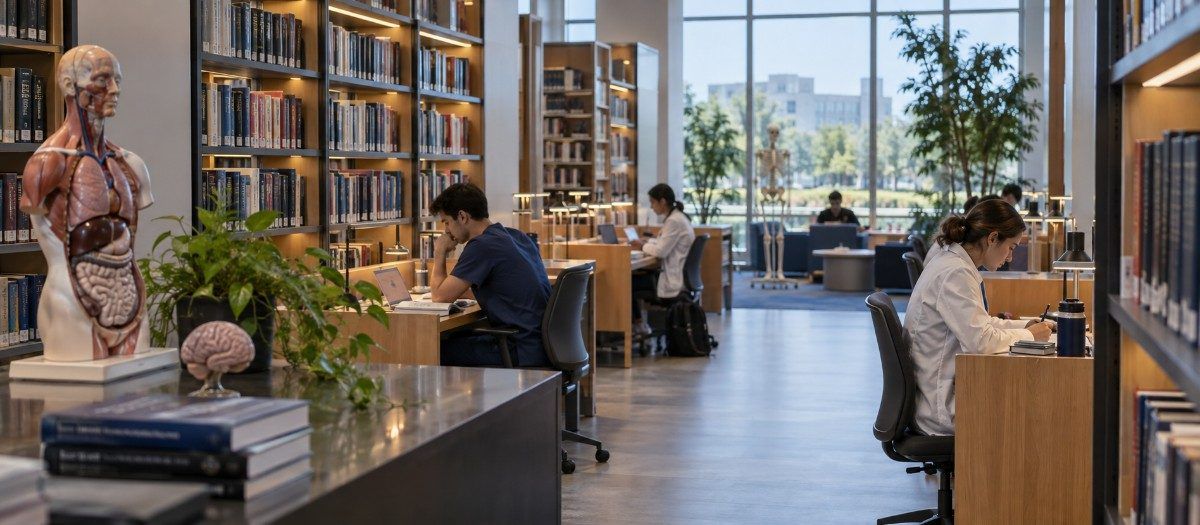
Furnished hostel rooms with Wi-Fi, laundry, 24/7 security, and Indian mess on or near campus.
Indian restaurants and mess facilities serving vegetarian and non-vegetarian home-style food daily.
Strong Indian community with cultural events, festival celebrations, and peer support groups.
Students get hands-on clinical training in government and private hospitals affiliated with the university.
Practical information for students planning to study at MBBS In University of Business and Science (UBS) Faculty of Medicine.
Prepare for all seasons. Thermal wear for winters, light clothing for summers. University provides heating in hostels.
Student visa processed with university invitation letter. Direct and connecting flights from major Indian cities.
Health insurance included in fees. Medical facility on campus plus city hospitals easily accessible.
Local SIM cards available. WhatsApp and video calls keep you connected with family back home.
Average monthly expenses of $150–$250 covering food, transport, and personal needs.
University library, online databases, and study groups. Seniors mentor juniors through academic challenges.
Our team guides you through every step — from application to arriving on campus.
Filter by current NMC advisory status first, then fees, city, and FMGE track record, immediately after the NEET result (May–June).
Mark sheets, NEET scorecard, and passport scans are submitted online (June–July), taking roughly 1–2 weeks.
The university checks eligibility and issues the admission/invitation letter, typically within 1–3 weeks.
Year 1 tuition and hostel fee are paid in USD, typically before visa processing begins.
Filed with the invitation letter, passport, and photographs; realistic processing time is 2–4 weeks (July–August).
Winter clothing, document folder, travel/health insurance, and confirmed airport-pickup arrangements finalized directly with the university’s international office in the final weeks before departure.
Travel to Uzbekistan (direct Delhi–Tashkent flight, 3–3.5 hours), airport pickup, and onward travel to the university city, by Afrosiyob high-speed train for Samarkand/Bukhara, or road transfer for Fergana Valley cities, followed by hostel check-in, timed to the intake date (August–September for the main intake, January–February for the smaller spring intake at select universities).
Residence permit and local registration with local authorities completed within the first week of arrival, alongside local SIM registration.
Admission Helpline — Contact our counsellors for step-by-step assistance.
“The faculty here is incredibly supportive. The clinical training during hospital rotations has given me real confidence in patient care.”
“Affordable fees without compromising on quality. The campus facilities and hostel life made my transition abroad very smooth.”
“English medium instruction and WHO-recognized curriculum were the deciding factors for me. No regrets so far — excellent experience overall.”
“The university helped with everything from visa to accommodation. Hospital exposure from year three has been invaluable for my FMGE prep.”
“Just cleared my licensing exam on the first attempt. The structured coaching and mock exams during final year were a game-changer.”
“Safe campus, good food options, and a strong Indian student community. The teaching methodology is very practical and hands-on.”
The official English name is University of Business and Science, or UBS. Some sources also use UOBS, or UBS University of Uzbekistan.
Yes. UBS sits in the World Directory of Medical Schools. India's National Medical Commission recognises the degree for eligibility. This holds true once a student clears FMGE or NExT.
The General Medicine course runs for 6 years. It ends in a Doctor of Medicine, or MD, degree. This gets treated the same as an MBBS.
Yes. The General Medicine course runs in English for students from abroad. Local students may also study in Uzbek or Russian.
The yearly tuition fee for General Medicine sits at USD 3,500. This comes from the school's own published fee list.
The main medical campus sits in Namangan, Uzbekistan. The school also runs branches and teaching sites in Tashkent.
Yes. The school offers hostel rooms at around USD 1,000 a year.
Students train at hospitals in Namangan, plus partner hospitals in Tashkent. These include city clinical hospitals, a national heart centre, and other special medical centres.
The course follows Uzbekistan's national 6-year plan, called Davolash ishi. It moves through basic science, then paraclinical science, then clinical rounds. It ends in an internship year.
Yes. UBS has a draw for students from India, South Asia and further afield, with Indian mess and hostel facilities available.
Our expert counsellors will guide you through the complete admission process — from documents to airport pickup.