
Q. Is UPHSD-JFSM recognised by the NMC of India?
+The university is listed in the WDMS and its programme complies with FMGL Regulations 2021. NMC lists are updated regularly. Always check nmc.org.in before you apply.

 Philippines | Est. 1996
Philippines | (WHO), (WDOMS), (CHED),(PACUCOA),USMLE (USA),MCI/NMC | English only; no Filipino required medium
Expert will call you within 2 hours
The University of Perpetual Help System DALTA – Jonelta Foundation School of Medicine, widely known as UPHSD-JFSM, is one of the Philippines' most recognised private medical institutions. It sits in Las Piñas City, Metro Manila, and has been part of the broader University of Perpetual Help System since the parent university's founding on February 5, 1975, by Brigadier General Dr. Antonio Laperal Tamayo and his wife, Dr. Daisy Moran Tamayo. The medical school itself was formally established in June 1996 and granted autonomous status by the Commission on Higher Education (CHED) on November 7, 1997. That recognition came early and meant something: the institution did not need decades to prove itself before regulators trusted its academic standards. The name "DALTA" is drawn from the founders' initials; Daisy and Antonio Laperal Tamayo; which gives the institution a personal character that many large universities lack.
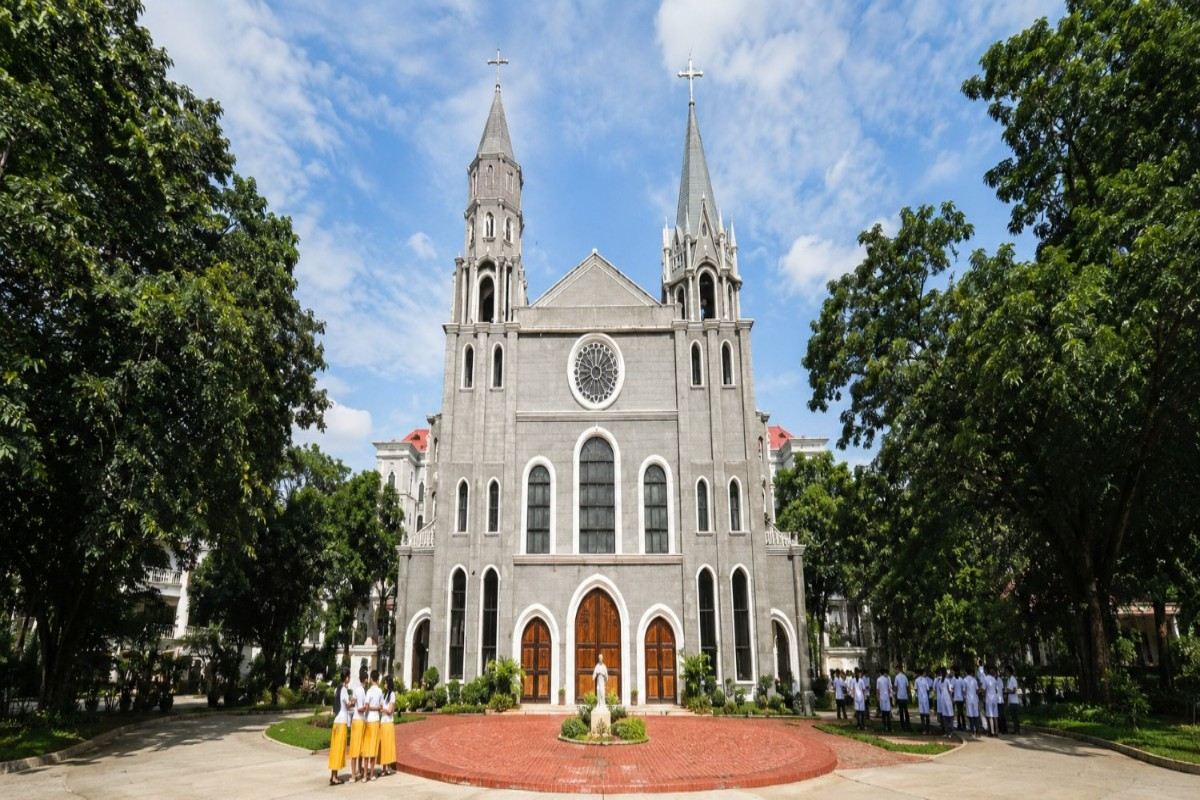
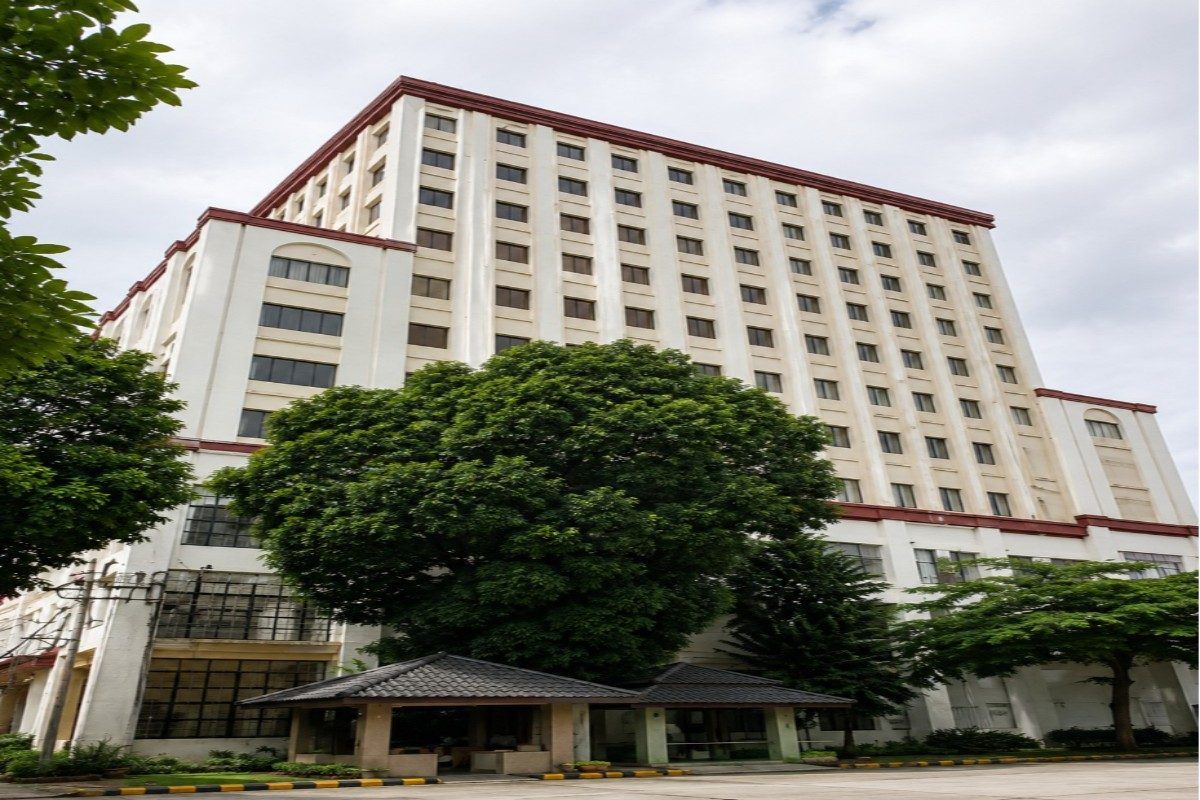
The Jonelta Foundation School of Medicine operates under the larger UPHSD system, which spans multiple campuses across Las Piñas, Molino, Cavite, Bacoor, and Calamba City in Laguna. The medical programme, however, is anchored at the Las Piñas campus, which is where students spend most of their academic and clinical years. The campus covers around 4 hectares and houses lecture halls, modern laboratories, demonstration rooms with anatomical specimens and cadavers, a general library, a dedicated medical library, an auditorium, sports facilities, and a cafeteria. It is a self-contained learning environment, and that matters when you are a student far from home trying to manage a demanding medical curriculum.
One of the most practical advantages of UPHSD-JFSM, especially for Indian students, is that the entire Doctor of Medicine programme is delivered in English. Unlike medical schools in Eastern Europe or parts of Asia where local language proficiency is required before or during the course, studying medicine at UPHSD requires no Filipino language learning. English is both the official instruction medium and a widely spoken everyday language in the Philippines. This eliminates an important obstacle for many international student & it gives students the ability to concentrate entirely on their medical studies from the very beginning.
The Doctor of Medicine (MD) program provided at our university has a unique curriculum framework that adheres to the Foreign Medical Graduate Licentiate (FMGL) Regulations 2021 laid out in India. First, the students enrolled in the university take a 1.5-year pre-medical Bachelor of Science program, then 54-month (4.5-year) core Doctor of Medicine program, and after this a compulsory 12-month internship in the university-affiliated hospital. As per FMGL 2021 regulations, the minimum duration for the core medical program at one institute should be 54 months, without counting the pre-medical years, and the internship year should be compulsory. The modified curriculum of the UPHSD-JFSM, endorsed by CHED, complies with the above-mentioned conditions in its entirety. After completion of the program and internship, the students can give the NExT (National Exit Test) exam. Eligibility is confirmed through CHED recognition & the institution's listing in the World Directory of Medical Schools (WDMS), both of which the National Medical Commission (NMC) of India references when verifying foreign medical credentials.
An important regulatory point for Indian students: the Embassy of India in Manila has issued an advisory confirming that CHED-accredited Philippine medical schools comply with FMGL rules, provided graduates obtain a Certificate of Registrability to practise in the Philippines. This means international graduates must demonstrate eligibility to sit for the Philippine Physician Licensure Examination (PLE) as part of satisfying this NMC condition. Students should factor this requirement into their post-graduation planning from the outset.
The clinical training at UPHSD is anchored around the University of Perpetual Help DALTA Medical Center (UPHDMC), which is located on the Las Piñas campus. The hospital operates with over 500 beds and handles a substantial daily patient load which includes around 300 outpatients every day, along with inpatient admissions across a wide range of specialities. The centre offers services in nephrology, neurology, cardiology, oncology, orthopaedics, gynaecology, ophthalmology, gastroenterology, and several others. For students in their clinical years, this means consistent exposure to real cases under the supervision of experienced clinicians, not just simulation or observer roles.
In addition to the main teaching hospital, UPHSD-JFSM has established clinical affiliations with a number of external hospitals and health centres. These include the Philippine General Hospital (Psychiatry Department), Bacoor Health Centers in Cavite, and a notable set of affiliated hospitals in Chicago, Illinois, in the United States; including St. Bernard Hospital, Holy Cross Hospital, Norwegian American Hospital, Loretto Hospital, and R.M.L. Chicago Specialty Hospital. These US affiliations provide international clinical clerkship opportunities for students who qualify, which is an uncommon benefit at this cost point in Philippine medical education.
Faculty quality at UPHSD is often cited as one of its strengths. The teaching staff includes medical professionals who trained at or hold degrees from institutions such as Harvard, UCLA, UC Davis, the University of the Philippines, the University of Santo Tomas, and De La Salle University, among others. Many hold advanced postgraduate qualifications in education, epidemiology, and the social sciences. The university maintains a structured mentoring programme, and review classes for Medical Board Examinations are provided to graduating students as a standard part of academic support.
The UPHSD campus also offers comfortable hostel accommodation for international students. Separate facilities exist for male and female students, and each room comes with an attached bathroom, single, double, or triple bed configurations, a study area, air-conditioning, and 24/7 Wi-Fi access. The hostel can collectively accommodate over 1,000 students. Indian mess and food options are available on campus, which matters more than most prospective students initially realise when planning a six-plus-year stay abroad. Las Piñas City itself is a first-class urbanised city within Metro Manila, well-connected by public transport, and generally considered safe and comfortable for students.
For Indian students specifically, UPHSD-JFSM offers a combination of factors that is genuinely difficult to find elsewhere at this tuition level: full English instruction, NMC-recognised degree, WDMS listing, a FMGL 2021-compliant curriculum, an on-campus teaching hospital, US-affiliated clerkship opportunities, Indian food on campus, and a well-established track record of producing doctors who go on to practise in India, the US, the UK, and other countries. The institution's guiding principle that "Character Building is Nation Building" reflects its Catholic ethos, though the school is co-educational and open to students of all backgrounds.
No hidden charges, no donation. The full picture of costs at MBBS in University of Perpetual Help System Dalta Jonelta Foundation.
Tuition Fee
PHP ~3,21,024 / ≈ ₹4.97 lakh (international students)
PHP ~3,21,024 / ≈ ₹4.97 lakh
Hostel Fee
PHP 25,000–40,000/year / ≈ ₹39,000–62,000
PHP 25,000–40,000/year / ≈ ₹39,000–62,000
Food & Meals
Food and Meals PHP 5,000–8,000/month / ≈ ₹7,750–12,400
per month
Insurance
PHP 10,000–15,000/year / ≈ ₹15,500–23,200
per year
Donation
no Donation
no Hidden Fee
Total Estimated Cost
PHP 22–25 lakh / ₹34–39 lakh
year
25–35%
Average FMGE first-attempt pass rates for students from many overseas medical universities. Students from structured programs consistently score higher.
Students returning to India need to clear the FMGE/NExT exam. MBBS in University of Perpetual Help System Dalta Jonelta Foundation integrates exam-oriented coaching into the regular curriculum so students are prepared from day one.
A structured program that takes you from foundational sciences to clinical mastery.
Introduction to Clinical Medicine. Anatomy includes cadaver dissection. Medical ethics is taught from the very first year.
Students study Anatomy, Biochemistry, Physiology I, Cell Biology, Medical Ethics,
Students move from studying normal biology to understanding disease. The Philippines setting offers strong exposure to infectious and tropical diseases.
Subjects include Physiology II, Pathology I, Microbiology and Parasitology, Pharmacology I, Neuroanatomy, and Genetics.
Students begin practising patient examination in the hospital outpatient setting. Community medicine rotations cover public health and primary care.
Subjects include Pathology II, Pharmacology II, Epidemiology, Physical Examination, Community Medicine, Evidence-Based Medicine, and Research Methods.
Students work in wards, attend case presentations, and perform supervised procedures. This phase runs until the full 54-month core MD requirement is met. After that, students complete the mandatory 12-month internship at UPHDMC.
This phase covers Internal Medicine, Surgery, Obstetrics and Gynaecology, Paediatrics, Psychiatry, Radiology, Emergency Medicine, ENT, Ophthalmology, Dermatology, and Orthopaedics.
English Communication, Psychology, Introduction to Medicine, and Computer Science.
This phase builds the academic foundation before the core MD begins. Subjects include General Biology, General Chemistry, Organic Chemistry, Physics, Mathematics,
Final year practical training and structured exam preparation.
Full-time clinical rotations, FMGE/NExT coaching

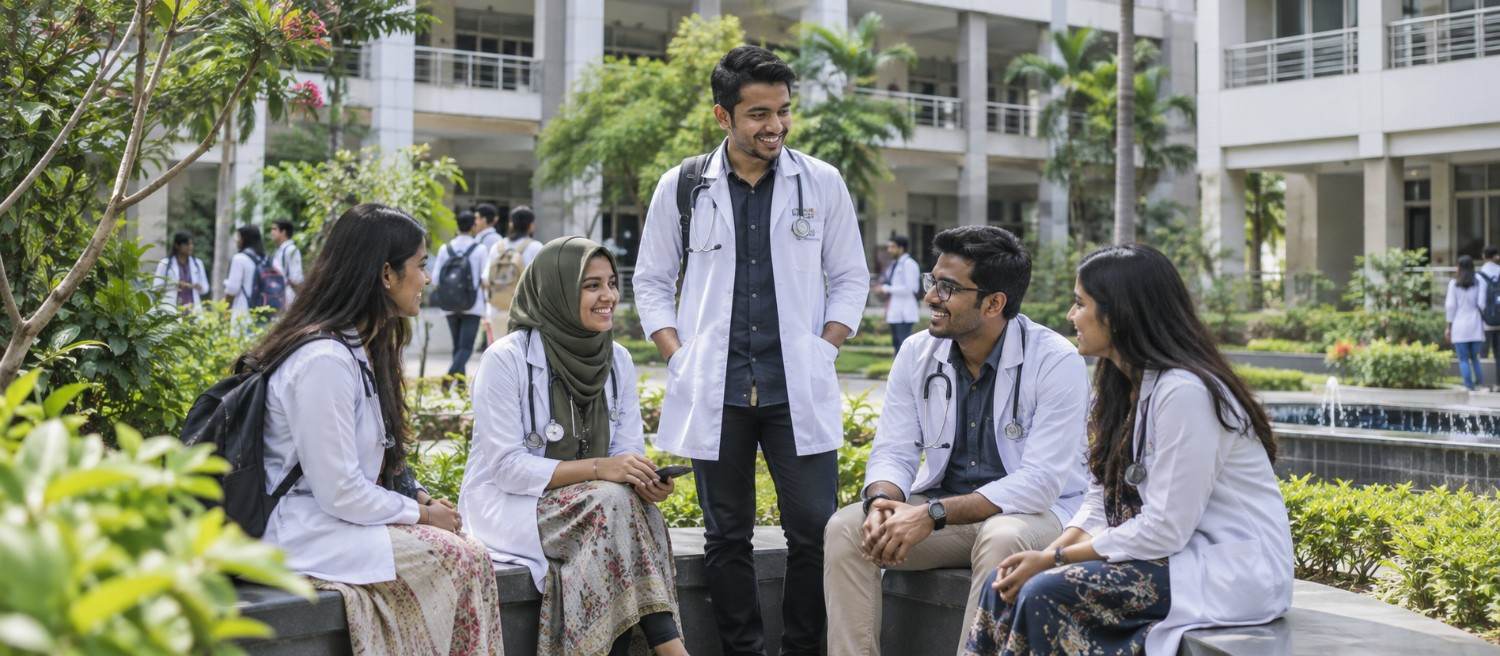
Furnished hostel rooms with Wi-Fi, laundry, 24/7 security, and Indian mess on or near campus.
Indian restaurants and mess facilities serving vegetarian and non-vegetarian home-style food daily.
Strong Indian community with cultural events, festival celebrations, and peer support groups.
Students get hands-on clinical training in government and private hospitals affiliated with the university.
Practical information for students planning to study at MBBS in University of Perpetual Help System Dalta Jonelta Foundation.
Prepare for all seasons. Thermal wear for winters, light clothing for summers. University provides heating in hostels.
Student visa processed with university invitation letter. Direct and connecting flights from major Indian cities.
Health insurance included in fees. Medical facility on campus plus city hospitals easily accessible.
Local SIM cards available. WhatsApp and video calls keep you connected with family back home.
Average monthly expenses of $150–$250 covering food, transport, and personal needs.
University library, online databases, and study groups. Seniors mentor juniors through academic challenges.
Our team guides you through every step — from application to arriving on campus.
The first step is to have a free phone counselling session. This is not a sales promotion or sales pitch. Here, we analyse all the universities mentioned side by side. We go through FMGE rates, total fees, city life, and whether the USMLE or NExT path better suits your goals. Most students walk out of this call with a clear first choice and a backup.
Once you pick a university, we will hand you a Philippines-specific document checklist. It is not a generic list. Every item on it is there for a reason, either for the university application, the 9(f) visa conversion, or the ACR I-Card registration. We check everything before a single paper goes anywhere.
Your application goes directly to the university through our partner channel. Most students get an acceptance letter within 10 to 21 days. However, December intake applications move faster than June ones, so timing matters. We follow up on all applications and will be in touch if there is any delay.
Once you receive your offer letter, we will have an in-depth discussion with you on the fees charged. The first instalment of fees will be deposited without any ambiguity. What you pay, when you pay, and what it covers, all of it is clear before any money moves.
Indian students do not need a pre-departure visa for the Philippines. You enter visa-free for 30 days. However, the 9(f) Student Visa conversion must start within the first week of arrival; it is time-sensitive. We also advise on the best flight route, whether Cebu or Manila, depending on your university.
About a week before you fly, we do a full pre-departure briefing. We cover accommodation options, campus location, Indian food sources near your university, how to transfer money from India, which SIM card to buy, and what the first week on campus actually looks like—students who attend this briefing land in the Philippines significantly less stressed than those who skip it.
On arrival day, our local team in the Philippines meets you at the airport, whether in Cebu or Manila. You are not landing in a new country alone. Someone who knows the ground is there from the first minute.
Within the first week, the 9(f) visa conversion process starts. Our team submits your documents to the Bureau of Immigration and closely tracks your application. The ACR I-Card, your official alien registration card, is processed at the same time. This step is strictly managed because delays here cause real problems later.
By the end of Week 2, your university enrollment is complete, your hostel room is confirmed, and your BS pre-medical orientation is done. You know your timetable, your faculty, and where everything is. Furthermore, our team has already flagged your NMAT preparation schedule, so there will be no surprises at the bridge stage.
After enrollment, our on-the-ground team in the Philippines stays in contact throughout all six years. If there is a university issue, a hostel problem, a visa renewal, or a health concern, there is a local contact to call. Moreover, from Year 3 onward, our FMGE and USMLE coaching track begins, because academic support does not stop at the airport.
Admission Helpline — Contact our counsellors for step-by-step assistance.
“The faculty here is incredibly supportive. The clinical training during hospital rotations has given me real confidence in patient care.”
“Affordable fees without compromising on quality. The campus facilities and hostel life made my transition abroad very smooth.”
“English medium instruction and WHO-recognized curriculum were the deciding factors for me. No regrets so far — excellent experience overall.”
“The university helped with everything from visa to accommodation. Hospital exposure from year three has been invaluable for my FMGE prep.”
“Just cleared my licensing exam on the first attempt. The structured coaching and mock exams during final year were a game-changer.”
“Safe campus, good food options, and a strong Indian student community. The teaching methodology is very practical and hands-on.”
The university is listed in the WDMS and its programme complies with FMGL Regulations 2021. NMC lists are updated regularly. Always check nmc.org.in before you apply.
No. All teaching is in English. The Philippines has English as an official language. No Filipino language course is needed at any stage.
Students complete a 1.5-year pre-medical BS, then a 54-month core MD programme, and then a 12-month mandatory internship at UPHDMC. This meets the NMC requirement of 54 months of core study at one institution, plus a compulsory internship. Graduates can then sit the NExT exam for Indian registration.
The main hospital is UPHDMC; 500+ beds, 300+ daily outpatients, and a wide range of specialities. Students also rotate at the Philippine General Hospital, Bacoor Health Centers, and five hospitals in Chicago, Illinois. The 12-month internship is completed at UPHDMC
The all-inclusive cost over the full programme is approximately ₹34–39 lakh. This covers tuition, hostel, food, insurance, and personal expenses. There are no donation or capitation fees.
Yes. A valid NEET score is mandatory for all Indian students applying to foreign medical universities under NMC rules. The NMAT (Philippine admission test) is also required and can be cleared during the first year.
Graduates can sit the NExT (India), USMLE (USA), PLAB (UK), and AMC (Australia). Graduates must also be eligible for the Philippine PLE and obtain a Certificate of Registrability. This is required under the Embassy of India's advisory for FMGL 2021 compliance.
Yes. Indian mess and food options are available on campus. On-campus hostels are comfortable, with attached bathrooms, air-conditioning, and Wi-Fi.
Students need 10+2 with at least 50% in Physics, Chemistry, and Biology. A valid NEET score is required. Minimum age is 17 years at the time of admission. NMAT must be passed; time is given in the first year to do this.
No. UPHSD-JFSM charges no donation, capitation, or bond fees. Tuition is transparent. Only standard academic service fees of around PHP 5,000–10,000 per year apply in addition to tuition and hostel.
Our expert counsellors will guide you through the complete admission process — from documents to airport pickup.