
1. Is this program taught in English?
+No. Rennes teaches entirely in French, and admission runs through the national PASS/LAS system, also conducted in French.

 France | Est. 1955
France | Recognised by France's Ministry of Higher Education and Research; listed among France's official medical schools by the Conférence des Doyens de Médecine. | French. No dedicated English-medium track identified. medium
Expert will call you within 2 hours
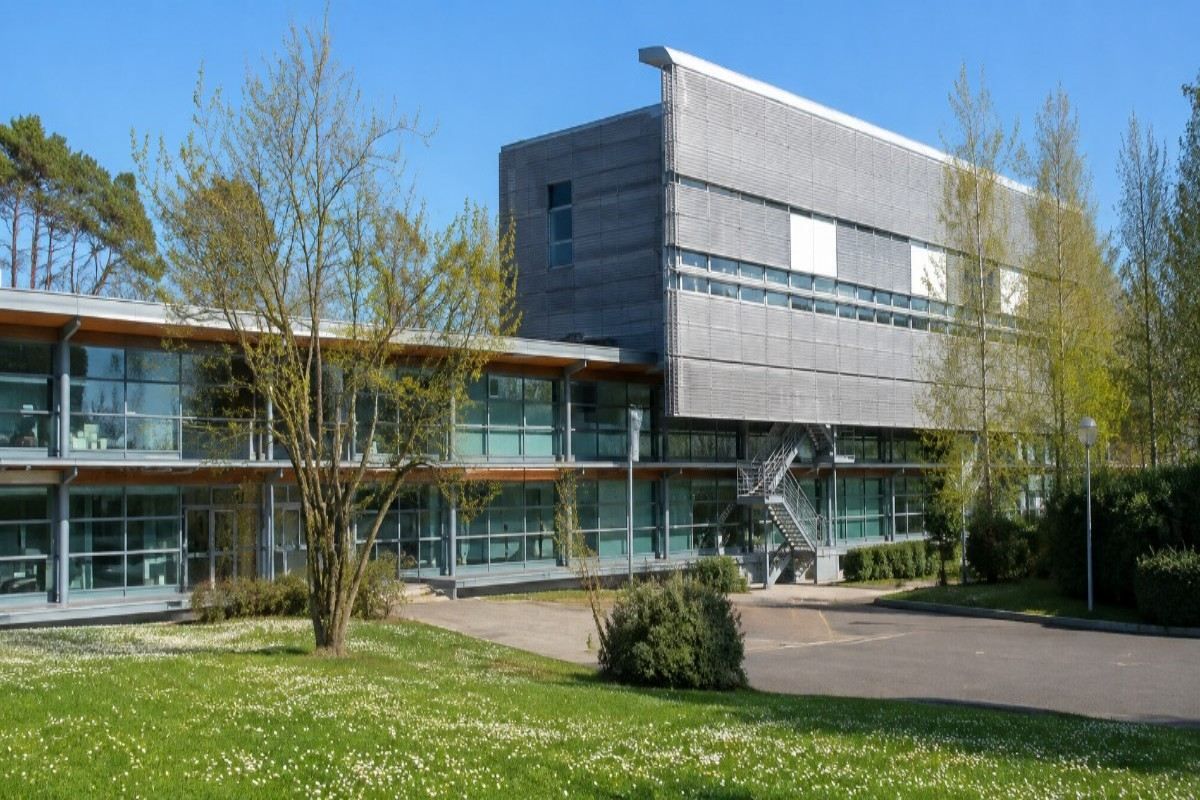
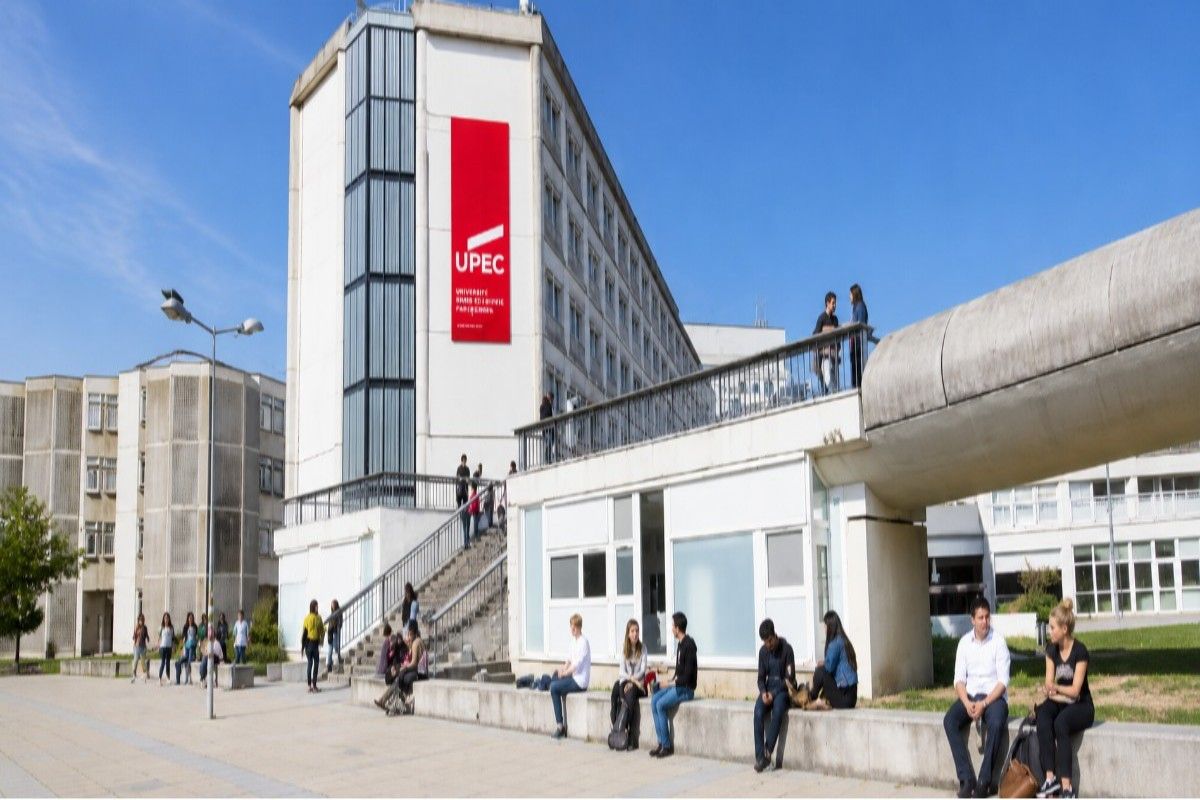
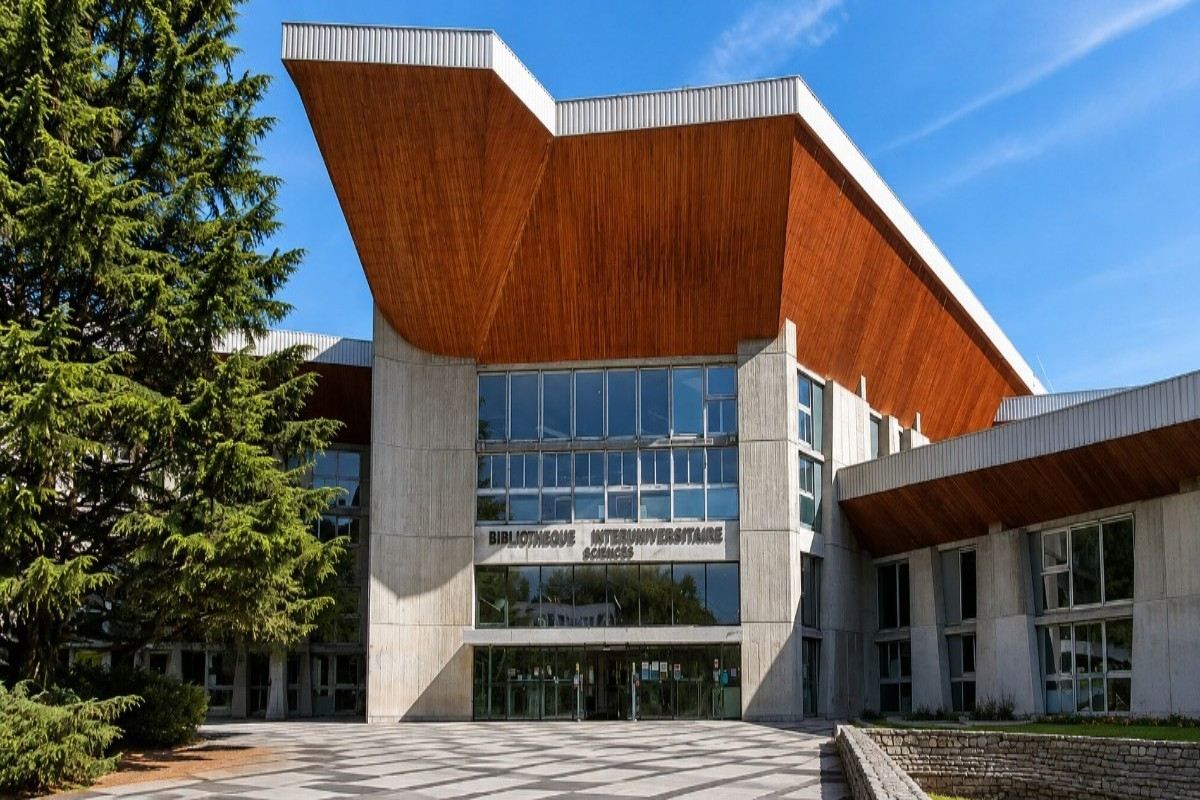
Medical teaching in Rennes has a history that goes back more than two centuries. A school of medicine first opened in the city in 1803. It grew steadily over the years that followed. By 1955, it had become a full Faculty of Medicine and Pharmacy. The faculty then moved into its current home in September 1968. That move put it on the Villejean campus, right next to Rennes' largest hospital site, the CHU de Rennes, at its Pontchaillou base. This closeness matters a lot, in real life. From the second year of study onward, students spend a large part of their time at Pontchaillou itself. They learn straight from doctors. These doctors work inside a genuinely major regional hospital.
The wider University of Rennes has gone through real structural change lately too. It now runs as part of a broader setup. This is called an Experimental Public Establishment. This brings together several bodies. These include Rennes 1, Rennes 2, research groups like CNRS and Inserm, and the CHU itself. Together, these bodies employ close to 7,000 staff and researchers in total. They run 156 research labs. They teach around 60,000 of Rennes' roughly 68,000 total students. Around 7,000 of these students come from outside France. This gives the wider university a genuinely international feel. Still, this does not stretch to a dedicated English-medium medical track specifically.
The Faculty of Medicine itself sits inside a wider health campus, alongside separate faculties of Pharmacy and Dentistry. Inside, it splits into 13 teaching departments. Each one handles its own distinct part of the course plan. A 40-member council governs the whole faculty. This council includes teaching staff, admin staff, students, and outside members. This gives the faculty a real, structured, well-run feel. This kind of depth comes only from more than two centuries of steady medical teaching in one city.
Now for the central point worth understanding clearly, before going further. This faculty teaches in French. There is no English-medium track here. Admission works through France's national PASS/LAS system. This is the same system used at every other public medical school in this set of profiles. PASS stands for Parcours Accès Spécifique Santé. This is a set, health-focused base year. It leads straight into second-year medicine for students who pass. LAS stands for Licence Accès Santé. This is a standard university degree, with a health option built in. Students can apply into medicine from the first, second, or third year of that other degree. Both paths run through Parcoursup, France's shared national entry site. Both happen fully in French, from the entry process itself, right through every lecture, every exam, and eventually every talk with a real patient on a hospital ward.
This is worth saying plainly. It changes the real math for an English-speaking student from abroad weighing Rennes. Some schools in this set run true English-medium programs. Croatia's medical schools do. So do several schools in Bosnia and the UAE. Rennes does not run a matching path, built for non-French speakers. A small number of private French schools do run English-medium medical tracks. Rennes' public Faculty of Medicine is not one of them.
For students who do bring strong French, or who are ready to build it fully before applying, Rennes offers real substance. Its spot in Brittany gives students a real look at a distinct regional health system. Its direct tie to the Pontchaillou hospital site matters here. Clinical learning happens close to home, not across a big, spread-out city. The wider course plan follows France's usual shape. This means a tough PASS or LAS base year first. Deeper science study follows, alongside early clinical time, in years two and three. Growing clinical work follows in years four through six. National ranking exams close out this stretch. These decide each graduate's chosen specialty track. After this six-year degree, graduates move into the Internat. This is a further stretch of specialist training, running three to six years, based on the field chosen.
Money-wise, Rennes gains from the same structural plus found across French public medical study generally: genuinely low, state-backed tuition. This runs somewhere between €450 and €900 a year, for the medical track specifically. That is a striking gap. Many private or English-medium schools elsewhere in Europe charge tens of thousands of euros instead. Living costs in Rennes sit at a middle level for France. They run more affordable than Paris, though a bit higher than smaller regional cities.
It is also worth being direct about the real odds here. Getting into French medical schools, for students from abroad specifically, is genuinely hard. Many sources describe international entry rates sitting in the low single digits nationwide. This reflects two things. One is the tough PASS/LAS filter itself. The other is the small number of seats open to non-French applicants each year, across the whole country. This is not unique to Rennes. It is a structural trait of the French system as a whole. Still, it is a key fact for anyone weighing this path seriously.
For Indian students specifically, there is one more layer worth flagging directly. India's National Medical Commission generally expects a foreign medical degree to be taught in English, or to meet certain other set conditions, before that degree lets graduates sit the FMGE or NExT exam needed to practise medicine back home. A French-taught degree from Rennes may not simply meet this bar. Anyone from India seriously weighing this route should check current NMC rules directly and fully, before putting years of study and real money into this path.
Beyond the pure academics, daily life in Rennes brings a genuine flavour of its own. Brittany blends coastal culture with inland city life. This gives students a genuinely distinct base, next to Paris, Lyon, or the south of France. Strong regional food, a lively student mix, and fair rail links to the rest of the country all add to this. The Villejean campus groups the medical, pharmacy, and dentistry faculties close together, right alongside the CHU. This gives students a genuinely walkable health-sciences hub. It beats a set of buildings spread thinly across the city. For a student who values this kind of tight, close-knit academic and clinical setup, and who arrives with real, working French already in hand, Rennes offers a genuinely well-rounded place to spend six demanding years of study.
It is also worth being honest about who this page genuinely serves well. If English-medium teaching is a firm requirement for you, Rennes will not meet that need, no matter how strong its hospital ties or its historical depth are. If you already carry solid, working French, or you are ready to commit real time, often a full year or more, to reach a genuine B2 level or beyond before applying, this becomes a real, serious option to weigh. Many prospective applicants sit somewhere between these two groups. It is worth being honest with yourself about which group you actually fall into, before you spend more time researching this specific faculty in detail.
Put simply, Rennes offers a genuinely well-established, historically deep French medical education. It sits physically joined to one of Brittany's largest hospitals. It is backed by strikingly low tuition, once a student clears entry. But it demands real, lasting French skill from the start. It follows France's famously tough PASS/LAS entry process. And it was not built with English-speaking students from abroad as its main audience. It suits students who are already fluent in French, or genuinely set on reaching that level, and who have thought through the real licensing effects back home, before picking this specific path into medicine.
No hidden charges, no donation. The full picture of costs at MBBS in Faculté de Médecine de Rennes Université de Rennes.
Tuition Fee
Approx. USD 490-980 per year (~INR 0.43-0.85 lakh), reflecting France's low, state-subsidised public medical tuition (€450-900/year).
USD 730 INR 0.64 lakh
Hostel Fee
Not centrally published. CROUS student housing in Rennes typically runs approx. USD 4,100/year (~INR 3.56 lakh). Confirm current options
USD 4,100 INR 3.56 lakh
Food & Meals
USD 3,100 INR 2.69 lakh
per month
Insurance
USD 220 INR 0.19 lakh
per year
Donation
No Donation
No Hidden Fee
Total Estimated Cost
USD 8,150 (~INR 7.08 lakh) USD 48,900 (~INR 42.48 lakh)
6 year
25–35%
Average FMGE first-attempt pass rates for students from many overseas medical universities. Students from structured programs consistently score higher.
Students returning to India need to clear the FMGE/NExT exam. MBBS in Faculté de Médecine de Rennes Université de Rennes integrates exam-oriented coaching into the regular curriculum so students are prepared from day one.
A structured program that takes you from foundational sciences to clinical mastery.
Students complete the PASS/L.AS pathway, building a strong scientific foundation while preparing for admission into the medical program through the French national selection process.
Biology, Chemistry, Physics, Anatomy, Physiology, Biostatistics, Medical Humanities, Public Health, Medical Ethics
Students study normal body structure and function while developing essential clinical examination skills through laboratory work and early hospital exposure.
Anatomy, Physiology, Histology, Biochemistry, Pharmacology, Semiology, Respiratory System, Cardiovascular System, Renal Sciences, Medical English |
The curriculum integrates biomedical sciences with disease mechanisms and introduces students to supervised clinical practice and patient-centred care.
Pathology, Neurosciences, Digestive System, Musculoskeletal System, Haematology, Psychiatry, Clinical Skills, Medical Imaging
Students begin structured clinical clerkships in university hospitals, gaining hands-on experience in diagnosis, treatment planning, and patient management.
Internal Medicine, Cardiology, Pulmonology, Gastroenterology, Neurology, Psychiatry, ENT, Ophthalmology
Clinical responsibilities increase through rotations across major specialities, allowing students to develop practical skills, clinical reasoning, and multidisciplinary teamwork.
Paediatrics, Obstetrics & Gynaecology, Dermatology, Nephrology, Oncology, Infectious Diseases, Orthopaedics, Endocrinology
The final undergraduate year focuses on advanced patient care, emergency medicine, clinical research, ethics, and preparation for the French national medical ranking examination (EDN).
Emergency Medicine, Intensive Care, Internal Medicine, General Practice, Medical Law, Research, Epidemiology, Therapeutics
3–6 year paid residency (DES)depending on their chosen speciality before receiving the **Diplôme d'État de Docteur en Médecine
After completing the six-year medical curriculum and succeeding in the national ranking examination (EDN), graduates enter a

Furnished hostel rooms with Wi-Fi, laundry, 24/7 security, and Indian mess on or near campus.
Indian restaurants and mess facilities serving vegetarian and non-vegetarian home-style food daily.
Strong Indian community with cultural events, festival celebrations, and peer support groups.
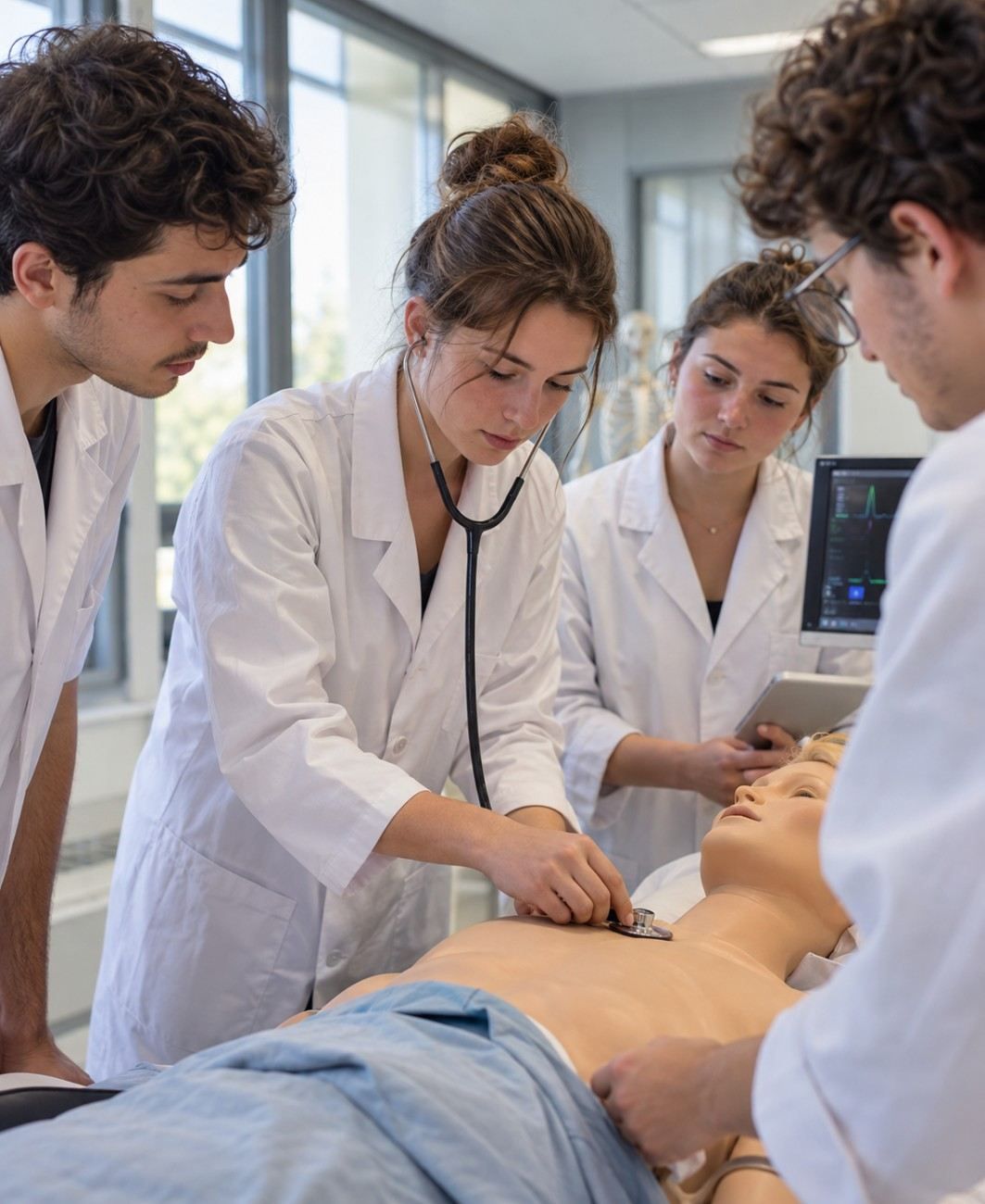
Students get hands-on clinical training in government and private hospitals affiliated with the university.
Practical information for students planning to study at MBBS in Faculté de Médecine de Rennes Université de Rennes.
Prepare for all seasons. Thermal wear for winters, light clothing for summers. University provides heating in hostels.
Student visa processed with university invitation letter. Direct and connecting flights from major Indian cities.
Health insurance included in fees. Medical facility on campus plus city hospitals easily accessible.
Local SIM cards available. WhatsApp and video calls keep you connected with family back home.
Average monthly expenses of $150–$250 covering food, transport, and personal needs.
University library, online databases, and study groups. Seniors mentor juniors through academic challenges.
Our team guides you through every step — from application to arriving on campus.
Compare on post-reform fees, city cost of living, QS ranking, and, specifically for France, the FMGL language-of-instruction question, not on rankings or advertised low fees alone.
Start DELF/TCF B2 preparation 12–18 months before your intended application. This is the step every other MBBS-abroad admission process skips, and it’s the one that determines whether the rest of this process even works for you.
Submit academic transcripts, NEET scorecard, DELF/TCF certificate, SOP, and LORs through the appropriate platform for your intended program level.
Complete the mandatory Campus France file and interview, a genuine assessment of academic and linguistic readiness, not a rubber-stamp step.
The university’s international admissions office verifies submitted documents and, where relevant, PASS/L AS eligibility
Timelines vary by platform; Parcoursup decisions for a September intake typically arrive in phases between May and July.
Apply at the French Consulate covering your region after a successful Campus France interview; the realistic processing time is 2–4 weeks.
In the final 30 days: finalise documents, arrange winter clothing, book flights, arrange currency exchange, and confirm CROUS or private housing in writing.
Complete OFII registration within the first months of arrival to validate your long-stay visa as a residence permit. Universities generally guide incoming batches through this during orientation.
Open a French bank account, get a local SIM, register for CAF housing assistance if eligible, attend orientation sessions, and begin building your study routine and connections with the local Indian student community.
Admission Helpline — Contact our counsellors for step-by-step assistance.
“The faculty here is incredibly supportive. The clinical training during hospital rotations has given me real confidence in patient care.”
“Affordable fees without compromising on quality. The campus facilities and hostel life made my transition abroad very smooth.”
“English medium instruction and WHO-recognized curriculum were the deciding factors for me. No regrets so far — excellent experience overall.”
“The university helped with everything from visa to accommodation. Hospital exposure from year three has been invaluable for my FMGE prep.”
“Just cleared my licensing exam on the first attempt. The structured coaching and mock exams during final year were a game-changer.”
“Safe campus, good food options, and a strong Indian student community. The teaching methodology is very practical and hands-on.”
No. Rennes teaches entirely in French, and admission runs through the national PASS/LAS system, also conducted in French.
Very close. The faculty sits directly on the Villejean campus, right alongside the CHU de Rennes (Pontchaillou site), Brittany's largest hospital complex.
Typically between €450 and €900 a year, reflecting France's heavily state-subsidised public medical tuition structure.
Indian students should independently confirm current NMC rules on medium of instruction before committing to this path.
Genuinely difficult. International acceptance rates into French medical programs generally sit in the low single digits nationally.
PASS is a dedicated health-focused foundation year leading directly into second-year medicine. LAS is a standard degree with a health option, letting students apply into medicine from year one, two, or three of that other degree.
Effectively yes, generally at B2 level or higher, both to succeed in PASS/LAS admission and to follow teaching once enrolled.
No. All French public medical faculties, Rennes included, follow the same 6-year PASS/LAS structure regardless of prior education.
Yes, as a standard French public medical degree.
Students already fluent in French, or firmly committed to reaching that level before applying, who are also comfortable with France's demanding PASS/LAS selection process.
Our expert counsellors will guide you through the complete admission process — from documents to airport pickup.