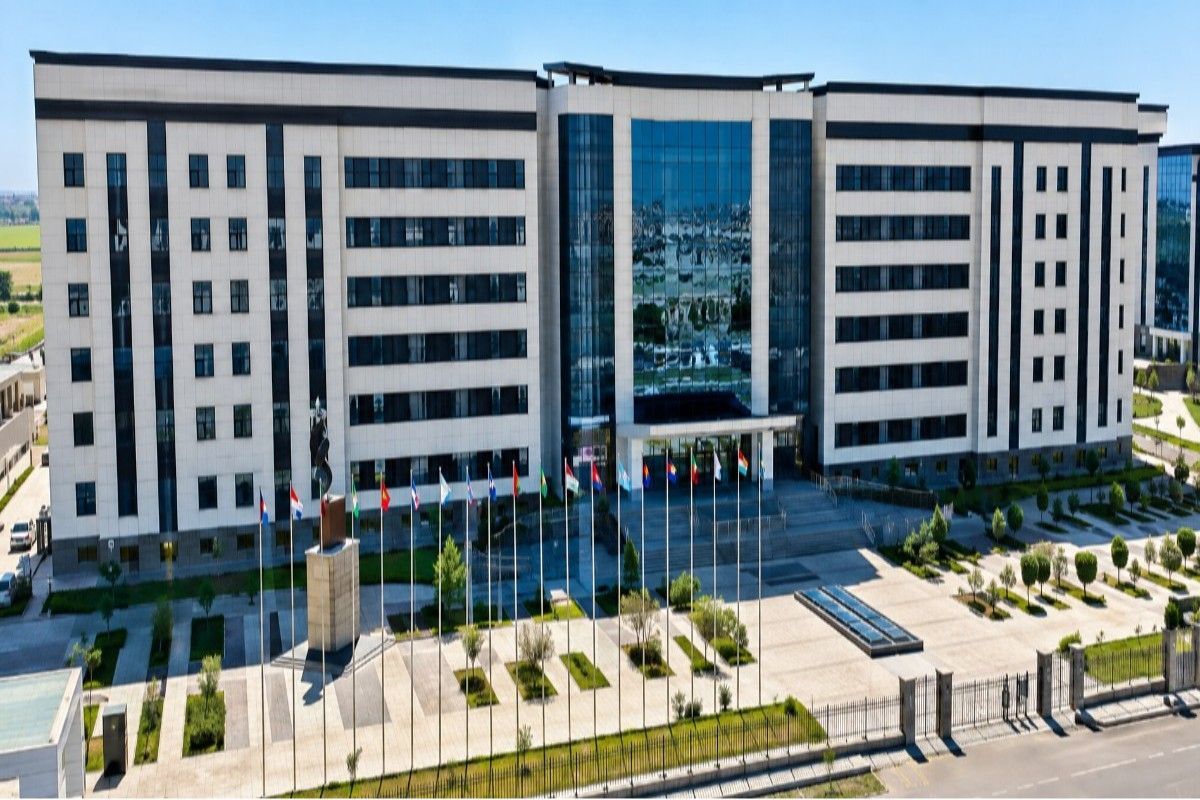
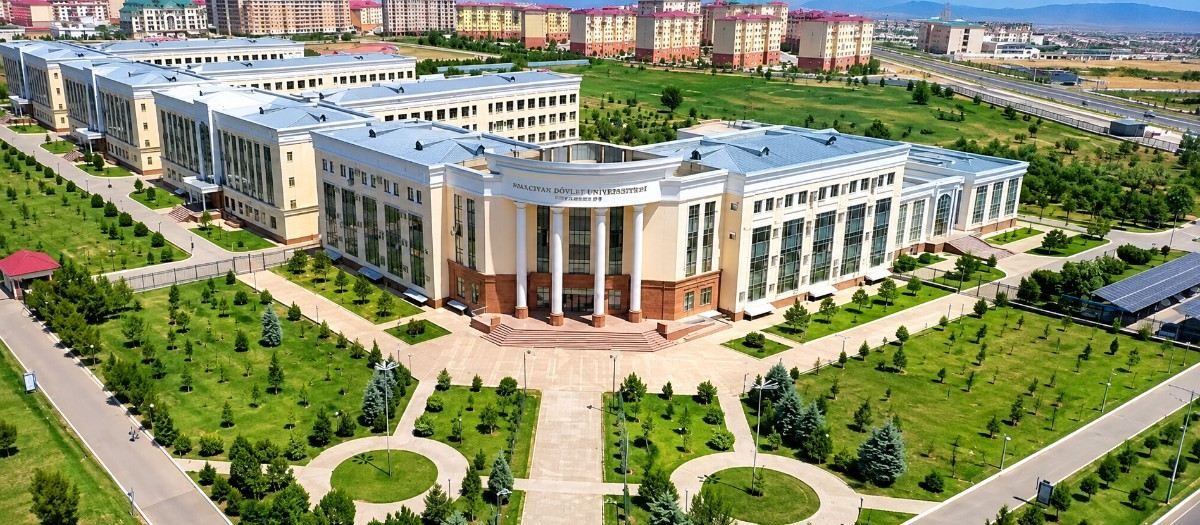
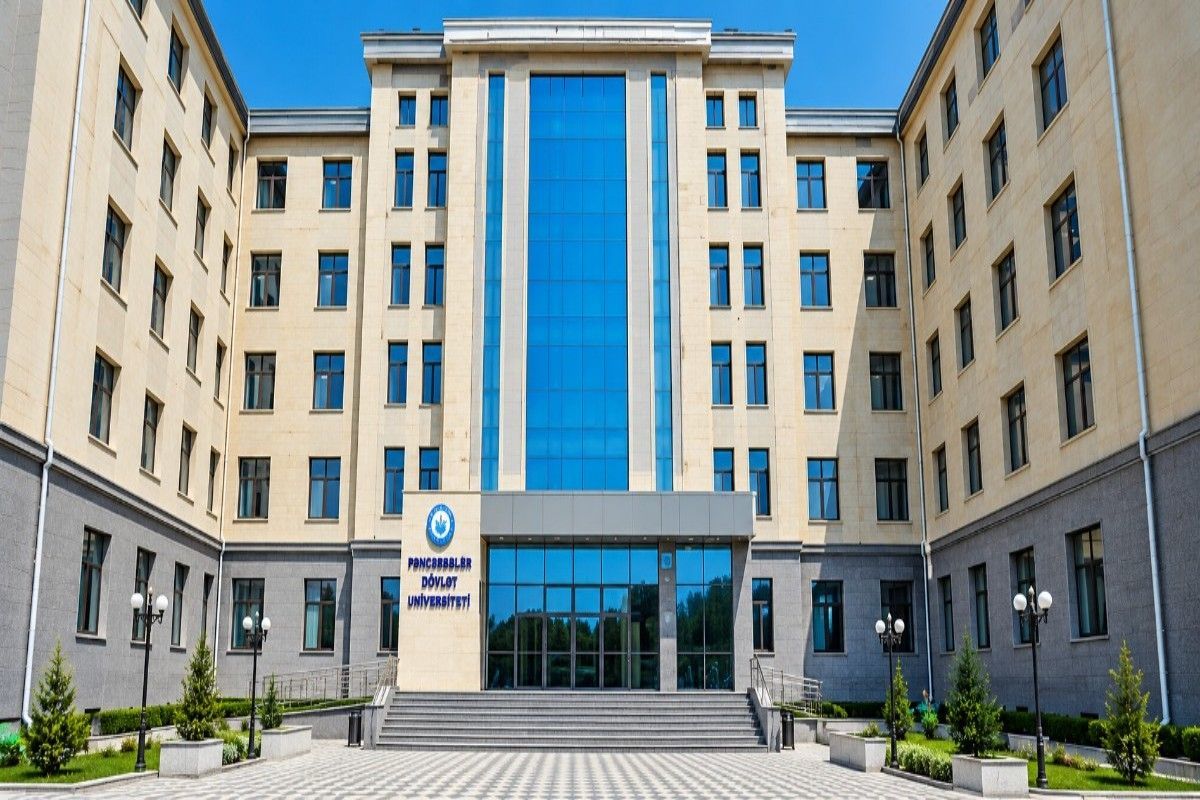
Bukhara is one of the oldest cities on the old Silk Road. It holds UNESCO World Heritage status, a metropolis recognised for its old mosques, trading domes, and quiet historic streets; nestled inside this historic environment operates a comparatively recent medical institution. Zarmed University runs its main campus here, and it is additionally the first private university ever built in Bukhara.
The founding story matters, because public sources do not agree on it. Wikipedia is the most careful source. It says clearly that Zarmed University started in August 2022, originally established under the designation Turon Zarmed University. An Uzbek businessman and donor named Dilshod Dalerovich Shukurlaev founded it, and he continues serving as institutional president currently. Akbarkhon Dalerov Dilshodovich acts as rector. But it is a different story on a few MBBS consultancy sites. They cite 2018 or 2019 as the founding year, a significant difference between independent documentation and commercial advertising material, so those considering applying should take 2022 as the more reliable date. If it matters to them they should get some written proof from the university.
It now teaches about 5,400 students in total. Its main site in Bukhara sits on 7.4 acres of land, while an additional secondary campus operates in Samarkand. This gives students a real choice between two old Uzbek cities for the same core degree.
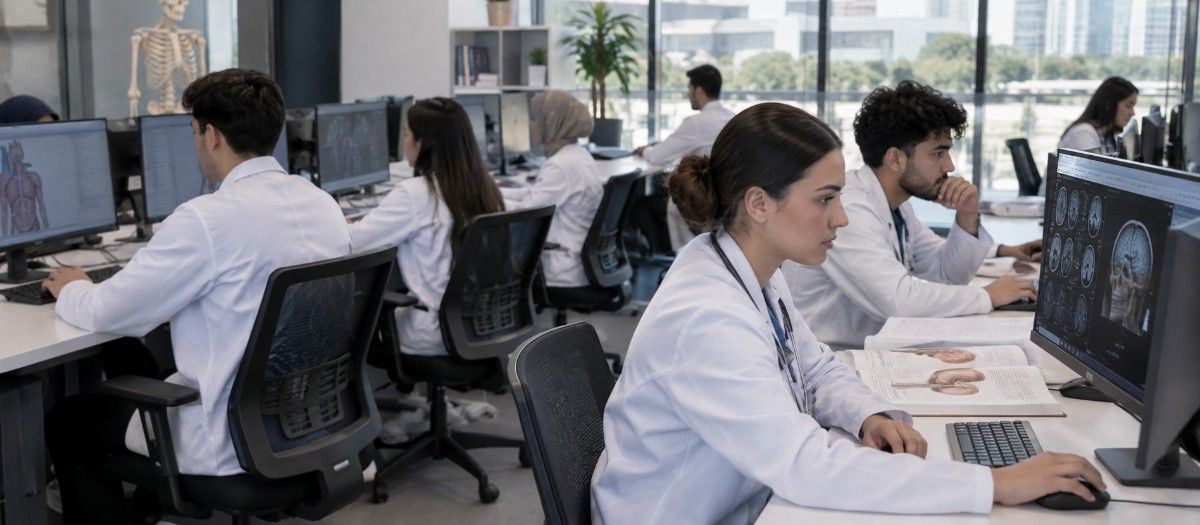
The Faculty of Medicine runs a standard MBBS-style program. Locally, it is called General Medicine. The course lasts six years in total. It consists of 5 years of academic and pre-clinical study. It then concludes with one full year of hospital work, with all instruction in English throughout the curriculum. The university also hires full-time Indian doctors and teachers, a characteristic particularly valuable for numerous Indian applicants. Teachers who know NEET and FMGE rules can shape the lessons to match what students will face back home.
The course itself covers all the core subjects one would expect. The early years look at anatomy, biochemistry, and physiology. The middle years move into pathology, pharmacology, and microbiology. Later, students take up clinical work in surgery, paediatrics, internal medicine, forensic medicine, and community medicine, with genuine clinical sessions commencing during the third academic year, considerably preceding the mandatory internship period. It gives students a longer run of hands-on time than some lecture-heavy programs offer.
Clinical training runs through Zarmed Pratiksha Hospital. This is a real, working hospital tied to the university. Students start work inside this hospital from the fourth year. They do not wait for one final block at the end. So students spend more time on real ward work across their degree, enabling hospital exposure to accumulate progressively. It does not start all at once in the last year.
Fee estimates for Zarmed shift a lot across sources, an inconsistency deserving transparent acknowledgement. Some sources cite a yearly fee near USD 2,600. Others place it closer to USD 4,500 a year. One detailed source lists a total course cost near INR 33 to 35 lakh over the full six years. This total covers tuition, hostel, and other core costs, consequently students should request an updated documented fee schedule directly from the university. This is the safest way to lock in the real cost before any payment.
Recognition claims for Zarmed run fairly wide, per third-party sources. These sources say the university is listed with India's National Medical Commission. They also cite the World Health Organization, the World Federation for Medical Education, and ECFMG in the United States. Membership in the Association of Medical Schools in Europe is cited too. As with the founding-date gap noted above, these claims mostly come from consultancy sites. Those sites earn money by placing students. They are not first-hand primary sources. So students should confirm each claim on their own. The best way is to check WDOMS' own search tool and call India's NMC directly. Do not rely only on the marketing text.
Admission for Indian students follows normal NMC rules for study abroad. This means a full 10+2 education with Physics, Chemistry, Biology, and English. It also needs at least 50 percent marks in PCB for general-category students. Reserved-category students need 40 percent. A valid NEET score is needed as well. Zarmed does not seem to run its own extra entrance test. The national rules cover the main entry check.
Life in Bukhara adds real texture to the whole plan. The city is well linked by air. Bukhara International Airport sits just five kilometres from the centre. It is also linked by rail. The fast Afrosiyob train runs to both Samarkand and Tashkent. Summers here are hot and dry. They often reach 40 degrees. The university calls its student housing safe, tidy, and calm. It also offers support built around the needs of its international student group.
Some students want an affordable, English-medium MBBS degree. They also want to live in a truly historic, UNESCO-listed city. And they want real hospital work from the fourth year on. For those students, Zarmed's Bukhara campus offers a workable option. It fits well inside Uzbekistan's growing set of private medical schools. Still, the real gaps in public data about this university are worth noting. Its exact founding year and current fee sheet do not match across sources. So careful, direct checks with the university itself remain a must before any student enrols here.
It is worth spending a moment on the wider setting for Uzbek medical schools. The country has opened many new private medical faculties in the last few years. This wave started around 2020 and has grown fast since then. Zarmed sits inside this wave. Its rise fits a wider push by the Uzbek state to draw in more foreign students. That push has led to lower fees, English-medium teaching, and simpler entry rules for Indian and South Asian students. For applicants, this means real choice. But it also means real risk. Many of these schools are new. Their track records are short. So each student must check the school on its own merits, not just on the country trend.
Bukhara itself adds a layer that few other study cities can match. The old town is a live museum of Silk Road trade. Students can walk past the Poi-Kalyan complex, the Ark fortress, and the Lyabi-Hauz square on any normal day. Food is cheap by global standards. A basic meal at a local cafe often costs less than two US dollars. Rent for a shared flat outside the campus stays low too. Most students find that daily costs, outside of tuition, sit well below what they would pay in a big Western city. This helps keep the total six-year cost in check.
The student mix at Zarmed is also worth a note. A large share of the international student group comes from India. Other groups are from other parts of South Asia, Africa and the wider region. This mix defines campus life. Indian food is often served in food halls. Prayer spaces and cultural events cover a range of faiths. Student clubs run across sports, culture, and academic themes. For a student moving abroad for the first time, this kind of built-in support can ease the shift into a new country.
One more point deserves honest mention. The teaching load in the first two years leans heavily on lectures and lab work. Some students find this pace demanding. Regular self-study is a must. The clinical years, from the third year on, tend to feel more engaging. This is because hands-on ward work starts sooner here than at many other schools. Still, students who plan to sit FMGE, NExT, or USMLE later should plan extra prep time on their own. The core course covers the ground. But exam-focused drill still needs personal effort outside class hours.