 Partner
📍Switzerland, Zürich
 Study destination: Switzerland

MBBS in Switzerland provides medical education from esteemed European universities, advanced hospitals and research facilities. Usually it consists of a 3 year Bachelor of Medicine and 3 year Master of Medicine course. It is mostly taught in German/French.
However, MBBS in Switzerland is very limited for Indian students. Usually students will not qualify for admission unless they have appropriate Swiss residency status. Students must consider the fees for Switzerland MBBS, NEET eligibility, NMC guidelines, and FMGE requirements. As there is no English medium medical education available, this poses a large issue for NMC compliance and medical registration in India.
Switzerland has some of the best medical education facilities with great public universities, advanced hospitals and research centres. Students who are looking to study MBBS abroad can benefit from a great academic and clinical environment. However, most medical courses are taught in German or French. Admissions are very limited for Indian students. There are many reasons why students would want to study MBBS in Switzerland. Some key reasons include;
Switzerland offers high-quality medical education through leading universities such as Zurich, Basel, Bern, Geneva and Lausanne. Programmes combine medical sciences, clinical training and hospital practice, followed by federal examinations and postgraduate training regulated by Swiss medical authorities.
MBBS Abroad Language Requirements are crucial for Indian students who are planning to pursue medical education in switzerland. Swiss medical programmes are primarily taught in German (Zurich, Basel, Bern) or French (Geneva, Lausanne), with no complete English-medium medical degree available. Students must verify language proficiency requirements for academic and clinical training.
The standard medical education pathway in Switzerland generally lasts six academic years.
Students normally complete:
Three-year Bachelor of Medicine
Three-year Master of Medicine
Foundational medical sciences
Para-clinical subjects
Clinical medicine
Hospital-based training
Practical clinical assessments
Swiss Federal Examination in Human Medicine
Postgraduate medical training
The bachelor's and master's stages generally total 360 ECTS credits.
The six-year academic programme must be distinguished from the separate postgraduate training required for independent medical practice.
Clinical education is an important part of medical training in Switzerland. Depending on the university and academic stage, students may participate in:
Hospital ward rounds
Patient history taking
Physical examinations
Clinical case discussions
Diagnostic investigations
Surgical observations
Emergency Medicine
Internal Medicine
General Surgery
Pediatrics
Obstetrics and Gynaecology
Psychiatry
Family Medicine
Community healthcare
Clinical simulation exercises
Swiss medical programmes commonly include supervised hospital placements and clinical learning activities. Students must also be able to communicate with patients and healthcare professionals in the relevant local language.
Switzerland has a multi-cultural community and many links to academic institutions across Europe and internationally. Medical students can take part in scientific seminars, academic workshops, student societies and research projects. However, international medical entry is tightly controlled.
Indian applicants will generally not be eligible to enter into the standard medical admission process if they do not have an eligible Swiss residency or status. Students should check their legal eligibility before investing any money into language tests, applications and academic preparation.
Swiss medical universities place substantial emphasis on scientific research, biomedical innovation and evidence-based medicine. Depending on academic eligibility, students may encounter research opportunities in:
Biomedical sciences
Molecular medicine
Medical genetics
Neuroscience
Oncology
Immunology
Cardiology
Epidemiology
Public health
Medical technology
Clinical research
Pharmaceutical sciences
Digital healthcare
Medical imaging
Translational medicine
Research opportunities depend on the institution, programme and available projects.
Switzerland has a developed healthcare system supported by university hospitals, specialist medical centres and research institutions. Facilities associated with medical education may include:
Anatomy laboratories
Clinical simulation centres
Medical skills laboratories
Digital learning platforms
Diagnostic laboratories
Biomedical research centres
University hospitals
Medical libraries
Clinical examination facilities
Specialist healthcare departments
Community healthcare centres
Students should verify which facilities are accessible through the selected medical programme.
Potential benefits of studying medicine in Switzerland include:
Established public medical universities
Structured six-year medical education
Modern teaching hospitals
Supervised clinical training
Advanced medical research facilities
Biomedical research opportunities
Evidence-based medical curriculum
European academic environment
Clinical simulation laboratories
International scientific collaborations
Research-focused teaching
Public health education
Access to medical libraries
Advanced diagnostic technology
Clinical skills development
Opportunities for postgraduate medical training
Exposure to Swiss healthcare systems
Professional medical development
However, Indian students must carefully consider strict admission restrictions, German- or French-medium instruction, high living expenses, the Swiss federal examination and potential non-compliance with the NMC English-medium requirement.
Switzerland is a landlocked country in Central Europe, with Germany, France, Italy, Austria and Liechtenstein as their bordering countries. Bern is the federal city of Switzerland, being the location of their federal government. Zurich, Geneva, Basel and Lausanne are large centres for higher education, health care and research facilities. The currency is the Swiss Franc (CHF).
Switzerland is well known for their Alpine scenery, health care facilities, research facilities, finance, public transport and higher education. There are 4 national languages within Switzerland; German, French, Italian and Romansh.
English is commonly spoken within international business, research and certain postgraduate courses but is not a standard taught language for undergraduate medical courses in Switzerland. Some major cities and places of education include:
Zurich
Geneva
Basel
Bern
Lausanne
Fribourg
Lucerne
Lugano
St. Gallen
Neuchâtel
Winterthur
Biel/Bienne
Sion
Bellinzona
Zug
Students considering MBBS in Switzerland for Indian students should compare these locations according to the university, teaching language, accommodation costs, academic facilities and eligibility requirements.
Particular | Details |
Country | Switzerland |
Federal City | Bern |
Location | Central Europe |
National Languages | German, French, Italian and Romansh |
Main Medical Teaching Languages | German and French |
Currency | Swiss Franc (CHF) |
Major Medical Education Cities | Zurich, Basel, Bern, Geneva, Lausanne |
Primary Medical Qualification | Swiss Federal Diploma in Human Medicine |
University Qualifications | Bachelor of Medicine and Master of Medicine |
Standard Academic Duration | Approximately 6 years |
Academic Credits | Generally 360 ECTS |
Direct Entry After Secondary Education | Possible for eligible applicants |
International Admission | Highly restricted |
Main Admission Assessment | EMS at universities with numerus clausus |
Alternative Selection | University-specific progression assessments |
Main Intake | Autumn, generally September |
Professional Examination | Swiss Federal Examination in Human Medicine |
Medical Regulatory Authority | MEBEKO/Federal Office of Public Health |
Indian Medical Registration | Subject to applicable NMC regulations |
Switzerland offers a multicultural environment influenced by German, French, Italian and Romansh traditions.Students may experience cultural festivals, music, university activities, sports and international communities.
Major cities such as Zurich, Geneva and Basel have diverse populations and international food options.Indian students may find Indian restaurants, cultural events and community organisations in larger cities. However, learning the local language is important for everyday communication, academic success and clinical training.
Switzerland experiences cold winters with snowfall and mild to warm summers. Cities like Zurich, Bern and Geneva may have freezing winter temperatures, while Alpine regions remain colder with heavy snowfall. Students should prepare for seasonal weather changes, winter clothing and suitable accommodation.
Switzerland offers diverse international cuisine, including rice, bread, vegetables, potatoes, soups, chicken dishes and vegetarian meals. Indian restaurants and grocery products are available in major cities. Students can reduce food expenses through self-cooking, shared accommodation and university cafeterias.
Medical students in Switzerland may participate in sports, research activities, university societies, volunteering and cultural events. Universities provide academic and student support services, while medical education requires significant time for lectures, assessments and clinical training.
Particular | Details |
Common Search Term | MBBS in Switzerland |
Medical Degree Structure | Bachelor of Medicine + Master of Medicine |
Academic Duration | 6 years |
Academic Credits | Approximately 360 ECTS |
Main Teaching Languages | German and French |
Full English-Medium MBBS | Not available through the standard Swiss medical pathway |
Admission for Indian Residents Abroad | Generally not permitted |
Eligible Foreign Applicants | Restricted Swiss residence and other qualifying categories |
Academic Eligibility | Recognised secondary qualification |
Entrance Examination | EMS where applicable |
Other Selection | University-specific progression examinations |
NEET | Relevant under applicable Indian regulations |
Tuition Fees | University- and applicant-category-dependent |
Basel 2026–27 Semester Tuition | CHF 850 |
Bern 2026–27 Foreign Semester Tuition | CHF 2,550 |
Geneva 2026–27 Semester Tuition | CHF 435, plus compulsory fees |
Lausanne 2026–27 Semester Tuition | CHF 500, plus compulsory fees |
Approximate Annual Living Budget | CHF 20,000–30,000+ |
Main Intake | Autumn |
Final Professional Examination | Swiss Federal Examination in Human Medicine |
Postgraduate Training | Required according to professional pathway |
Indian Registration | Subject to NMC regulations |
Currency | Swiss Franc (CHF) |
Conversion Rate Used: 1 CHF ≈ ₹110 INR. This is an illustrative planning rate, not a live currency quotation.
Important Admission & Fee Note: Medical admission in Switzerland is highly restricted for international students. Applicants must meet specific Swiss citizenship or residency requirements. Published university tuition fees apply only to eligible student categories and do not guarantee admission for Indian applicants.
The standard MBBS in Switzerland course duration is approximately 6 years. However, Switzerland does not normally award a degree formally titled MBBS. Medical education follows a consecutive bachelor's and master's structure.
The first stage generally lasts three years and represents 180 ECTS credits. Students study foundational medical sciences, human biology, clinical concepts and introductory practical skills.
The bachelor's degree forms the academic basis for progression to the Master of Medicine.
The second stage generally lasts three years and represents another 180 ECTS credits. Students undertake advanced clinical education, hospital placements, practical assessments and professional medical training. The master's stage prepares eligible graduates for the Swiss Federal Examination in Human Medicine.
The initial academic years focus on understanding the human body and the scientific foundations of medicine.
Subjects may include:
Human Anatomy
Physiology
Biochemistry
Histology
Cell Biology
Medical Genetics
Molecular Biology
Microbiology
Immunology
Medical Ethics
Clinical Communication
Introduction to Patient Care
Students may also develop introductory clinical skills.
The later bachelor's stage introduces more advanced medical subjects.
Common subjects include:
Pathology
Pharmacology
Medical Microbiology
Immunology
Epidemiology
Public Health
Clinical Medicine
Medical Diagnostics
Professional Ethics
Clinical Skills
The exact curriculum varies by university.
The master's stage places greater emphasis on clinical learning.
Subjects may include:
Internal Medicine
General Surgery
Pediatrics
Obstetrics and Gynaecology
Psychiatry
Orthopaedics
Neurology
Emergency Medicine
Dermatology
Ophthalmology
ENT
Family Medicine
Students may participate in supervised clinical rotations and hospital-based education.
The final academic stage generally involves advanced clinical education, practical training and preparation for professional examinations.
Clinical Department | Main Training Focus |
Internal Medicine | Diagnosis and treatment of medical conditions |
General Surgery | Surgical assessment and patient care |
Pediatrics | Child healthcare |
Obstetrics and Gynaecology | Maternal and reproductive healthcare |
Emergency Medicine | Emergency assessment and treatment |
Psychiatry | Mental healthcare |
Orthopaedics | Musculoskeletal conditions |
Neurology | Neurological disorders |
Family Medicine | Primary healthcare |
Community Medicine | Preventive and public healthcare |
The clinical timetable, placement duration and examination structure depend on the selected university.
The internship after medical graduation in Switzerland differs from the one-year compulsory rotating internship followed in India. Swiss medical education includes clinical placements during the university programme, followed by a federal examination and postgraduate medical training.
Students may complete supervised practical training in teaching hospitals and healthcare institutions.
Activities may include:
Patient assessments
Clinical examinations
Medical case discussions
Diagnostic investigations
Ward rounds
Surgical observations
Community healthcare
Emergency care
Clinical documentation
Several Swiss medical programmes include an advanced clinical elective or practical year within the master's curriculum. For example, ETH Zurich's medical education pathway includes a three-year bachelor's programme followed by a three-year master's programme at a partner university. The master's stage incorporates an elective clinical year and prepares graduates for the Swiss federal examination.
After completing the relevant degree and federal examination, eligible graduates may enter postgraduate medical training. This training is associated with the requirements for specialist qualifications and independent professional practice. Its structure differs from the foreign internship prescribed under India's FMGL regulations.
The NMC Rules for MBBS Abroad 2026 generally require a separate twelve-month qualifying foreign internship under prescribed conditions. Clinical placements included within the six-year academic curriculum should not automatically be treated as equivalent to that requirement.
Students must verify whether the Swiss postgraduate training structure satisfies applicable Indian regulations. However, the German- or French-medium teaching language creates an additional regulatory obstacle.
Students should confirm:
Academic course duration
Clinical training arrangements
Foreign internship eligibility
Internship duration
Training hospital
Professional supervision
Language requirements
Licensing examinations
Medical registration entitlement
NMC compliance
The medium of instruction is one of the most important considerations for Indian applicants. Swiss undergraduate medical programmes are primarily taught in German or French.
German is commonly used for medical education at universities such as:
University of Zurich
University of Basel
University of Bern
ETH Zurich
University of Lucerne medical pathway
University of St. Gallen medical pathway
Students generally need advanced German-language proficiency. Some universities require C1-level German or equivalent evidence.
French is used in medical education at universities including:
University of Geneva
University of Lausanne
University of Neuchâtel's initial medical study pathway
French-language tracks at the University of Fribourg
French-language proficiency must be sufficient for lectures, examinations and patient communication.
Italian is an important language in the Italian-speaking region of Switzerland. Università della Svizzera italiana offers a Master of Medicine programme connected to the Swiss national medical education pathway.
Students should verify its current teaching language, clinical communication requirements and degree structure. The existence of an Italian-speaking university does not establish that Switzerland offers a standard English-medium medical qualification.
No, standard full undergraduate medical programme in Switzerland is taught entirely in English. Swissuniversities identifies German and French as the main teaching languages and confirms that there is no English-taught complete medical programme.
English-language biomedical science, public health or research degrees should not be confused with a primary medical qualification.
Students may possess English-language qualifications such as:
IELTS Academic
TOEFL iBT
PTE Academic
Cambridge English
Previous English-medium education
However, these qualifications do not replace the German- or French-language requirements for standard Swiss medical programmes.
Students frequently search for MBBS in Switzerland without IELTS. IELTS may not be the principal language requirement for German- or French-taught medical programmes. However, admission without IELTS does not mean admission without language proficiency. Applicants must meet the required German or French academic language standards.
Several German-language medical programmes require advanced academic German.
C1-level proficiency is a common benchmark at institutions such as ETH Zurich and the University of Bern. Language certificates, accepted examinations and submission deadlines vary by university.
French-medium medical programmes require advanced French proficiency appropriate for academic and clinical education. Students should confirm the accepted qualification and minimum level for the selected institution.
Swiss professional medical registration involves communication in the relevant national language. Medical graduates must satisfy applicable language and professional registration requirements. Students should distinguish university admission requirements from the language conditions of medical employment.
MBBS Abroad Language Requirements differ among countries.Some destinations provide fully English-taught medical programmes, while others teach in their national languages.
For Indian students seeking future medical registration in India, the FMGL framework generally requires English-medium qualifying medical education.
Switzerland's standard medical education structure therefore presents a significant compliance concern.
Swiss medical universities main intake generally starts in the beginning of the autumn, around September. Pre-registration for medical studies is coordinated nationally through swissuniversities.
Particular | Details |
Main Intake | September(Autumn) |
Pre-Registration Period | Generally December–15 February |
Admission Examination | EMS where applicable |
Language Assessment | University-specific |
Academic Eligibility | Recognised secondary qualification |
Foreign Applicant Eligibility | Restricted |
Offer or Allocation | Following applicable selection |
Tuition Payment | According to university instructions |
Student Visa | Where required |
Course Commencement | Generally September |
Students researching MBBS admission in Switzerland 2026 should understand that the admission process begins well before the autumn semester. For the 2026 intake, the national pre-registration deadline was 15 February 2026. The 2026 EMS medical aptitude examination was scheduled for 3 July 2026. As of November 2026, students should review the admission process for autumn 2027.
However, only applicants satisfying the relevant Swiss admission eligibility conditions should proceed with medical applications.
Students planning the 2027 academic intake should review:
Citizenship or qualifying residence status
Recognised secondary qualification
German or French proficiency
National pre-registration deadline
EMS requirements
University-specific selection procedures
Academic documentation
Tuition and living expenses
The total cost of MBBS in Switzerland for indian students fees depends on the university, academic pathway, tuition category, accommodation and personal expenses.
Swiss public universities generally have moderate published tuition fees compared with universities in some other high-income countries. However, international fees differ by institution and admission category.
For example, the published 2026–27 semester tuition includes:
University of Basel: CHF 850 (approx. ₹93,500)
University of Bern: CHF 2,550 (approx. ₹2.81 lakh) for foreign students
University of Geneva: CHF 435 (approx. ₹47,850)
University of Lausanne: CHF 500 (approx. ₹55,000)
University of Zurich: CHF 1,220 (approx. ₹1.34 lakh) for foreign bachelor's students
ETH Zurich: CHF 2,190 (approx. ₹2.41 lakh) for foreign students in the applicable higher-fee category
Note: All fees are per semester. INR conversions use an illustrative exchange rate of CHF 1 = ₹110. These figures exclude some compulsory university fees and do not establish medical admission eligibility.
Switzerland has high living expenses. For preliminary planning, students may allow approximately CHF 20,000–30,000 or more annually (₹22–33 lakh). Costs depend on the city, accommodation and personal lifestyle.
Students should calculate:
Tuition fees
University registration charges
Accommodation
Food
Transportation
Health insurance
Language examinations
EMS registration
Academic materials
Student visa
Residence permit
International flights
Personal expenses
Postgraduate training-related charges
The complete financial plan should cover the full six-year medical education pathway rather than only the first year.
The eligibility criteria for MBBS in Switzerland for indian students depend on nationality, legal residence status, academic qualifications, language proficiency and the university's admission procedure.
Swiss medical admission is highly restricted.
Applicants generally need:
Recognised secondary-school qualification
Required university entrance eligibility
Strong academic preparation
German or French proficiency
Eligible citizenship or Swiss residence status
EMS result where required
University-specific admission approval
Recognised academic certificates
Valid identification documents
Relevant NEET qualification for future Indian registration
Meeting academic requirements does not automatically establish eligibility for medical admission.
If you are an Indian living in India with an ineligible Swiss residency status, you will typically be unable to gain entry into a regular medical degree course in Switzerland.
Swiss universities will state they cannot admit those who do not have a Swiss passport or eligible residency due to limited medical places. Some foreign nationals may be exempt by law.
These may involve:
Swiss settlement status
Qualifying long-term residence
Recognised Swiss educational qualifications combined with applicable residence conditions
Eligible family relationships
Recognised refugee status
Other legally specified admission categories
A temporary visit, ordinary foreign nationality or general interest in studying medicine is insufficient.
Students frequently search for MBBS in Switzerland after 12th. You must know one thing that normally Switzerland has a six-year medical education pathway that can begin after qualifying secondary education. However, Indian Class 12 completion alone does not qualify an applicant for medical admission.
The applicant must also satisfy Swiss residence eligibility, university entrance qualification requirements, language conditions and the applicable selection process.
There is no blanket requirement for Indian PCB percentages to gain entry to Swiss Medical Universities. However you will need a recognised secondary qualification which can be used to obtain entry to the relevant Swiss University based on their entry requirements. It is important to have strong academic results in science subjects. However there are limitations for international candidates.
Indian students should ensure that their class 12 results meet the entry requirements set by the University. This can include:
Class 10 Certificate
Class 12 Certificate
Academic transcripts
Recognised Secondary Qualification
Official translations
Academic equivalence
Extra exams
If you have a recognised qualification from India you may still be ineligible due to citizenship and residency requirements.
Medical students will need to show they have an appropriate level of the language. Having advanced knowledge of German or French is important as medical courses will involve scientific terms and communicating with patients. Some universities will require you to have a C1 level of German. You should check the exact language requirements with your chosen University.
Students often ask if they will need to take the NEET exam whilst studying MBBS in Switzerland. However the NEET exam is not the main exam used by Swiss Medical Universities.
However if you are an Indian student planning to return to India to work as a doctor then you should consider the requirements for NEET eligibility. The NEET exam will not replace the Medical aptitude test.
When researching NEET rank, NEET score and minimum marks required for MBBS abroad students should be aware that there is no blanket requirement for Indian students to achieve a certain NEET score in Switzerland.
Entry to Swiss Universities will depend on your academic suitability, residency status, language and the requirements set by the relevant University. Having a high NEET rank will not overcome any citizenship and residency restrictions. The NEET score will also not guarantee you entry.
The typical starting age for undergraduate medical education in Switzerland is approximately 18–21 years, following completion of secondary school. However, there is no single universal age cutoff applicable to every medical university. Applicants intending to follow the Indian NMC pathway must also satisfy the applicable NEET eligibility age requirements.
Under the NEET UG framework, candidates generally must have completed 17 years by 31 December of the relevant examination year.
Foreign nationals may be considered under defined categories established by Swiss law and university regulations.
For example, eligible categories may include Swiss settlement permit holders and certain residents meeting specific long-term residence or family criteria. Students should verify their exact legal position before applying.
Applicants may need:
Recognised academic qualifications
Proof of qualifying Swiss residence status
Language certificate
National medical pre-registration
EMS registration
University application
Academic document verification
Official identification
Applicable payment receipt
The selected university determines whether all conditions have been met.
Students researching Swiss medical entrance examinations should understand that admission depends on the university and its selection system. Some institutions use the Eignungstest für das Medizinstudium (EMS), while others assess progression after the first academic year.
Assessment | Purpose |
Secondary Qualification Evaluation | Verify academic eligibility |
Citizenship/Residence Assessment | Confirm legal admission category |
German or French Proficiency | Confirm teaching-language ability |
EMS | Selection at participating medical universities |
University Progression Assessment | Selection or continuation at applicable institutions |
Academic Document Review | Verify qualifications |
NEET | Relevant under Indian regulations |
Federal Medical Examination | Professional examination after medical education |
EMS stands for Eignungstest für das Medizinstudium, commonly translated as the aptitude test for medical studies.
It is used to select candidates for medical programmes at Swiss universities operating under numerus clausus. Numerus clausus refers to restrictions on the number of available study places.
The EMS is an aptitude assessment, not simply an examination based on the Indian Class 12 PCB syllabus.
The EMS applies to relevant medicine programmes at:
University of Zurich
University of Basel
University of Bern
University of Fribourg
ETH Zurich
Università della Svizzera italiana
Participating Lucerne and St. Gallen medical pathways
Applicants must satisfy citizenship or residence eligibility before being allowed to proceed.
Particular | Details |
Examination | Eignungstest für das Medizinstudium |
Common Name | EMS |
Country | Switzerland |
Main Purpose | Medical admission selection |
Examination Year | 2026 |
Examination Date | 3 July 2026 |
Pre-Registration Deadline | 15 February 2026 |
Test Registration Deadline | 19 May 2026 under the published schedule |
Main Language | German or French as applicable |
Applicant Eligibility | Restricted to qualifying categories |
Selection | Competitive performance |
Indian NEET | Not a substitute for EMS |
The EMS assesses abilities relevant to medical education, including:
Quantitative and formal reasoning
Text comprehension
Diagram and table interpretation
Visual reasoning
Memory
Concentration
Spatial understanding
Analytical thinking
Applicants should consult the relevant admission year's official examination instructions for the full pattern, testing time and scoring procedure.
For the autumn 2026 intake, the national medical pre-registration deadline was 15 February 2026. The EMS examination was scheduled for 3 July 2026. Students planning the 2027 intake should check the newly published examination calendar rather than assuming the same testing date applies.
The University of Geneva and University of Lausanne follow a different admission and progression framework. These universities are not part of the same first-year EMS numerus clausus system. However, they have competitive progression arrangements after the first year.
The University of Neuchâtel offers an initial medical study stage connected to the wider Swiss university system. Students should not interpret the absence of EMS as unrestricted admission for Indian international applicants.
The University of Geneva admits eligible students to its medical pathway through the applicable academic and legal conditions.
Progression to the second year is competitive.The published national study overview indicates that approximately 450 students may begin the first academic year, while second-year capacity is approximately 158 places. These are programme capacity figures, not international student seats.
The University of Lausanne follows a medical education pathway with competitive progression.
The national study overview indicates approximately 500 students in the initial year and second-year capacity of around 270. Again, these figures do not override restrictions on foreign applicants.
There is no single nationwide Indian-style medical admission cutoff based on NEET marks. Selection depends on the relevant EMS score or university progression process. The required performance varies according to the admission system and available capacity.
Feature | Switzerland | India |
Undergraduate Admission | University-specific and nationally coordinated | NEET UG |
Main Examination | EMS at participating universities | NEET UG |
Academic Eligibility | Recognised secondary qualification | Class 12 PCB |
Language | German or French | Permitted NEET languages |
International Admission | Highly restricted | Applicable counselling categories |
Selection | Aptitude test or university progression | NEET rank and counselling |
Professional Examination | Swiss Federal Examination | Applicable Indian licensing framework |
Students considering medical admission in Switzerland should first determine whether they are legally eligible to apply.
Confirm whether the applicant satisfies a qualifying Swiss admission category.
Check recognition of the secondary-school qualification.
Determine whether German or French is required and verify the accepted language certificates.
Indian students planning future registration in India should assess the relevant NEET and NMC requirements.
Select a university based on eligibility, programme structure, teaching language and academic requirements.
Eligible applicants must follow the swissuniversities medical pre-registration process.
Where applicable, complete the EMS registration requirements.
Participate in the required aptitude test or university selection process.
Review the official selection and place-allocation decision.
Confirm the bachelor's and master's structure, university fees and future professional licensing conditions.
Applicants may need:
Valid passport
Swiss residence permit or qualifying legal-status evidence
Class 10 certificate
Class 12 certificate
Academic transcripts
German or French language certificate
University admission application
National medical pre-registration
EMS registration documents
Academic qualification equivalency
Passport-size photographs
Applicable examination payment receipt
Additional supporting documents
Requirements depend on the institution and admission category.
Feature | Swiss EMS | NEET UG |
Country | Switzerland | India |
Purpose | Medical admission selection | Indian medical admission |
Main Assessment | Aptitude and reasoning | Physics, Chemistry and Biology |
Teaching Language Context | German/French | Indian medical education framework |
Citizenship or Residency Requirements | Restricted applicant eligibility | Applicable Indian eligibility rules |
Selection | Competitive test performance | NEET rank and counselling |
Professional Qualification | Swiss medical pathway | Indian MBBS pathway |
Students searching for private medical colleges in Switzerland should distinguish institutions offering healthcare-related courses from universities authorised to award a primary medical qualification.
A private school offering biomedical sciences, health sciences or medical research does not automatically provide a qualification allowing graduates to become physicians.
International medical admission is highly restricted because of the limited number of study places.
Applicants from India without qualifying Swiss residence status generally cannot access the standard medical admission process.
Students should verify the legal recognition and professional status of any private institution advertising an MBBS programme.
A private medical preparatory course is not equivalent to an authorised six-year Swiss medical education programme.
Students should not assume that private institutions offer easier access to Swiss professional medical registration.
Admission to a recognised medical programme, federal examination eligibility and professional licensing are governed by applicable regulations.
The NMC Rules for MBBS Abroad 2026 are particularly important for Indian students considering Switzerland.
The NMC Foreign Medical Graduate Licentiate Regulations, 2021, prescribe requirements concerning academic duration, English-medium instruction, medical subjects, foreign internship, clinical training and professional licensing entitlement.
Requirement | Important Consideration |
Medical Education | Minimum 54 months |
Foreign Internship | Minimum 12 months under applicable regulations |
Teaching Language | English |
Medical Curriculum | Prescribed medical subjects |
Clinical Training | Appropriate supervised instruction |
Training Institution | Must satisfy applicable FMGL conditions |
Local Licensing | Required professional entitlement |
Indian Examination | FMGE or applicable prescribed test |
Indian Internship | Supervised internship under applicable rules |
Registration | Competent Indian medical authority |
The NMC generally requires a qualifying foreign internship of at least twelve months under prescribed conditions.
Swiss medical education includes clinical placements during the university programme and postgraduate training after the federal examination.
Students must verify whether the professional training structure meets the specific foreign internship conditions.
Clinical rotations included within the six-year academic programme should not automatically be considered equivalent to a separate foreign internship.
Students should verify:
Academic course duration
Teaching language
Clinical training periods
Internship duration
Internship location
Hospital supervision
Training completion certificates
Local licensing entitlement
Foreign medical graduates must satisfy the applicable professional entitlement requirements of the degree-awarding country under the Indian framework.
In Switzerland, a university medical qualification alone is not necessarily sufficient for unrestricted independent practice. The federal medical examination, relevant registration and postgraduate professional requirements must be examined.
Eligible foreign medical graduates generally need to complete the internship required under Indian regulations.
An Indian internship cannot automatically correct non-compliance with the foreign teaching-language or academic requirements.
Students researching NMC Gazette 2021, FMGL Regulations, NMC New Registration Rules and FMGE eligibility after MBBS in Switzerland should verify:
Qualifying academic duration
English-medium instruction
Prescribed medical subjects
Clinical education
Foreign internship
Degree-awarding institution
Professional licensing eligibility
Indian screening examination
Supervised internship in India
Medical registration requirements
Important: As clarified by NMC's FMGL guidance, the required foreign internship is separate from clinical training undertaken during the qualifying academic programme.
Medical graduates must distinguish university graduation from professional medical registration.
Swiss medical students generally complete a Bachelor of Medicine followed by a Master of Medicine.
After fulfilling the required conditions, eligible graduates undertake the Swiss Federal Examination in Human Medicine.
The Swiss Federal Examination evaluates whether candidates possess the medical knowledge and practical skills required for further professional medical training.
The examination includes:
Clinical knowledge assessment
Practical clinical skills assessment
The published examination structure includes 240 written clinical knowledge questions and 12 OSCE clinical skills stations.
Candidates must pass both components under the applicable examination rules.
Eligible candidates who successfully complete the medical education and federal examination requirements may receive the Swiss federal medical diploma.
This is an important qualification within Switzerland's professional registration framework.
The Medical Professions Commission (MEBEKO) is involved in the federal regulation of medical professions and relevant recognition arrangements.
Applicants must follow the appropriate procedures for their academic and professional status.
Graduates generally complete supervised postgraduate medical education in a selected specialty.
The duration varies by discipline.
Postgraduate training is relevant to specialist qualifications and professional practice.
Indian citizens may pursue medical practice in Switzerland only if they satisfy the applicable degree recognition, language, professional examination, registration, postgraduate training and immigration requirements.
Admission to a Swiss university does not automatically grant the right to practise medicine.
No.
Swiss medical registration and Indian medical registration are governed by different legal frameworks.
Indian students intending to practise in India must independently satisfy the applicable NMC requirements.
Students searching for NMC recognised medical colleges in Switzerland, WHO approved universities and WDOMS listed medical schools should distinguish academic recognition from professional registration eligibility.
Swiss public universities operate within the country's recognised higher education framework.
Medical education and professional examinations are subject to applicable Swiss education and medical profession regulations.
Students should verify the exact qualification, academic structure and federal examination eligibility.
The WDOMS provides information about medical schools and their programmes.
Students may use the directory to verify institutional details.
However, a WDOMS listing is not an approval guaranteeing Indian medical registration.
Students frequently search for WHO certified medical colleges in Switzerland.
The World Health Organization does not issue blanket university certifications guaranteeing the right to practise medicine in India.
The existence of information about a medical institution in an international directory is not equivalent to a WHO licensing approval.
The NMC does not provide automatic Indian medical registration merely because a Swiss university is internationally recognised.
Students must evaluate the exact qualification and its compliance with the applicable Indian regulations.
Students searching for Top medical colleges in Switzerland, Best medical colleges in Switzerland and Best Medical Universities for Indian applicants should compare the authorised medical programmes, academic duration, teaching language and international admission eligibility.
The following universities and pathways are associated with Swiss human medicine education.
Medical University or Pathway | Location | Medical Education Arrangement | Main Language |
Zurich | Bachelor and Master in Medicine | German | |
Basel | Bachelor and Master in Medicine | German | |
Bern | Bachelor and Master in Medicine | German | |
Geneva | Bachelor and Master in Medicine | French | |
Lausanne | Bachelor and Master in Medicine | French | |
Fribourg | Bachelor and Master pathways | German/French | |
Zurich | Bachelor in Human Medicine; partner-university master's | German | |
Lugano | Connected bachelor pathway and Master of Medicine | Programme-specific | |
University of Lucerne | Lucerne | Joint medical master's pathway with Zurich | German |
University of St. Gallen | St. Gallen | Joint medical master's pathway with Zurich | German |
University of Neuchâtel | Neuchâtel | Initial year of medical education | French |
This list is not intended as an official ranking, but highlights the different institutions available and the various routes they provide. Swiss national overview of medical degrees highlights the difference between full medical degree courses provided by universities and those that offer a first year and/or partner university route.
A public research university offering 6 years of Bachelor/Masters in Medicine. They offer a 6-year degree which covers medical sciences, clinical training and hospital training. Tuition fees for foreign students are CHF 1,220 per semester (approx. ₹1.34 lakh) for 2026/27. Tuition fees for Masters are CHF 820 per semester (approx. ₹90,200). No extra fees. Student must be legally qualified and have knowledge of the German language.
A 6-year medical degree covering medical sciences, clinical training and university hospital training. Tuition fees are CHF 850 per semester (approx. ₹93,500). No extra fees. Admission is limited and students must take the EMS exam. Student must meet strict international requirements.
6-year course offering Bachelors/Masters in Medicine. Covers clinical training and supervised hospital training. Tuition fees for foreign students are CHF 2,550 per semester (approx. ₹2.81 lakh). No compulsory fees. Student must meet academic criteria, legal residency requirements and German language requirements.
6-year degree covering medical sciences, clinical training and university hospital training. Tuition fees are CHF 435 (approx. ₹47,850) per semester. Compulsory fees are CHF 65 (approx. ₹7,150). Mainly taught in French. Has competitive academic progress.
6-year medical degree covering basic sciences, clinical subjects and hospital based training. Tuition fees are CHF 500 (approx. ₹55,000) per semester. Compulsory fees are CHF 80 (approx. ₹8,800). Admission and progression are competitive. Taught mainly in French.
They offer medical degrees via Bachelors/Masters. Clinical sciences and supervised practical training. Tuition fees for foreign students are CHF 870 (approx. ₹95,700) per semester. Compulsory fees are CHF 115 (approx. ₹12,650). Students must check if they meet the language requirements, what courses are available and if they will meet the admission criteria.
They offer a 3-year Bachelor of Science in Human Medicine and then a medical Masters degree from an approved partner university (Basel, Zurich, Università della Svizzera italiana). Tuition fees for higher category students are CHF 2,190 per semester (approx. ₹2.41 lakh). No compulsory fees. Student must have advanced knowledge of the German language and be legally qualified as a citizen/resident of Switzerland.
They offer medical degrees from Swiss partner universities and Masters in Medicine. Tuition fees for foreign students are usually CHF 4,000 (approx. ₹4.40 lakh) per semester. From 2027/28 they have announced a standard tuition fee of CHF 5,000 (approx. ₹5.50 lakh) for new students. Discounts are available for certain categories. Students must check the exact fees for the course and admission requirements.
They offer a joint medical degree with University of Zurich which includes a medical masters. Tuition fees are CHF 1,025 (approx. ₹1.13 lakh) per semester for foreign students. No extra fees. This is a partner university so there is no standalone English MBBS course available.
They offer a joint medical masters with University of Zurich. General tuition fees for Masters are CHF 3,317 (approx. ₹3.65 lakh) per semester for foreign students. Students must check exact fees for the course.
They offer a first year medical degree linked to the Swiss medical university. Tuition fees are CHF 775 (approx. ₹85,250) per semester. This is not a standalone 6-year medical degree.
Medical degrees in Switzerland are mainly offered by public universities. The tuition fees range between CHF 435 (approx. ₹47,850) and CHF 4,000 (approx. ₹4.40 lakh). Fees vary between universities and categories of students. However, medical degrees are very limited for international students.
Students should ensure these universities are officially recognised. Ensure they offer a degree and you meet the licensing requirements. Biomedical science and healthcare degrees do not automatically qualify you for a recognised primary medical degree in Switzerland.
Note: All INR conversions have been done using the example rate of CHF 1 = ₹110. These are estimated tuition fees for the specific category and should not be taken as an offer of admission.
MBBS fees in Switzerland vary from one university to another and depend upon the nationality of the applicant, type of fee, course and semester fees. The fees charged by various public universities in Switzerland are relatively low, however, the cost of living is high. Also, the fees mentioned will not guarantee admission to an Indian student in India.
Medical universities generally charge tuition on a semester basis. The following figures are based on the published 2026–27 university tuition comparison.
Medical University or Pathway | Semester Tuition for Foreign Students | Approximate Annual Tuition in INR |
University of Basel | CHF 850 | ₹1.87 lakh |
University of Bern | CHF 2,550 | ₹5.61 lakh |
University of Fribourg | CHF 870 | ₹1.91 lakh |
University of Geneva | CHF 435 | ₹95,700 |
University of Lausanne | CHF 500 | ₹1.10 lakh |
University of Zurich – Bachelor | CHF 1,220 | ₹2.68 lakh |
University of Zurich – Master | CHF 820 | ₹1.80 lakh |
ETH Zurich – Higher Foreign Tuition Category | CHF 2,190 | ₹4.82 lakh |
Università della Svizzera italiana | CHF 4,000 | ₹8.80 lakh |
University of Lucerne | CHF 1,025 | ₹2.26 lakh |
University of St. Gallen – General Master's Rate | CHF 3,317 | ₹7.30 lakh |
University of Neuchâtel | CHF 775 | ₹1.71 lakh |
Important: Annual figures are calculated using two semesters. Compulsory university charges, application fees, insurance and living expenses are additional. The St. Gallen amount is its general foreign master's tuition, not a confirmed joint-medical-master fee. For 2027–28, USI's announced new tuition framework must be considered separately.
Students researching MBBS fees in Switzerland should understand that tuition may differ based on:
University
Nationality
Swiss residence status
Bachelor's or master's stage
Applicant category
University fee regulations
Academic year
Compulsory semester charges
Students should not interpret the lowest published fee as a guaranteed offer to non-resident Indian applicants.
Using the illustrative conversion of CHF 1 = ₹110:
Swiss Franc Amount | Approximate INR |
CHF 100 | ₹11,000 |
CHF 500 | ₹55,000 |
CHF 850 | ₹93,500 |
CHF 1,000 | ₹1.10 lakh |
CHF 2,000 | ₹2.20 lakh |
CHF 2,500 | ₹2.75 lakh |
CHF 5,000 | ₹5.50 lakh |
CHF 10,000 | ₹11.00 lakh |
CHF 15,000 | ₹16.50 lakh |
CHF 20,000 | ₹22.00 lakh |
CHF 25,000 | ₹27.50 lakh |
CHF 30,000 | ₹33.00 lakh |
CHF 50,000 | ₹55.00 lakh |
CHF 100,000 | ₹1.10 crore |
CHF 150,000 | ₹1.65 crore |
Actual INR payments depend on the prevailing exchange rate.
Application fees vary among universities.
Some institutions charge additional administrative fees for applicants holding foreign educational qualifications.
Students may also need to pay for:
Academic qualification evaluation
Language proficiency examinations
EMS registration
University application processing
Document translation
Visa and residence permit processing
Students should review refund conditions before making payments.
Accommodation in Switzerland can be expensive, particularly in Zurich, Geneva and Lausanne.
For preliminary budgeting, students may consider approximately CHF 650–1,300 or more monthly (₹71,500–₹1.43 lakh) for shared student housing or a rented room.
This is an illustrative rental budget rather than an official university hostel fee.
Students may provisionally budget CHF 300–550 monthly (₹33,000–₹60,500) for groceries and meals. Self-cooking and shared kitchen facilities may help reduce expenses. It must also be noted that restaurant meals are generally more expensive.
Health insurance is an important part of living in Switzerland. International students must satisfy applicable Swiss health insurance requirements or qualify for an authorised exemption.
Students may provisionally allow CHF 100–250 or more monthly (₹11,000–₹27,500), depending on eligibility, provider and coverage. Actual insurance costs must be confirmed individually.
Students may need to budget for:
German or French language courses
Entrance examinations
University registration
Residence permit
Health insurance
Accommodation deposits
Academic materials
Clinical placement transportation
Medical examinations
International flights
Winter clothing
Personal expenses
The total cost of MBBS in Switzerland for Indian students is approximately ₹1.70 crore or more for the complete six-year medical programme, based on the University of Basel's tuition fees and a comfortable, modern student lifestyle. This estimate includes tuition fees, accommodation, food, health insurance, local transportation, medical study materials, visa and residence permits, international flights, personal expenses and contingency funds. Considering future inflation and currency fluctuations, students should plan an overall budget of approximately.
Expense | Approximate Six-Year Cost |
Annual Tuition at CHF 1,700 | CHF 10,200 |
Six-Year Living Expenses at CHF 24,000 Annually | CHF 144,000 |
Combined Planning Estimate | CHF 154,200 |
Approximate INR | ₹1.70 crore |
This is a mathematical planning example, not an admission offer or official six-year package.
It excludes some university fees, health insurance adjustments, travel and additional expenses.
For illustration, consider a hypothetical six-year programme charging CHF 5,100 annually in tuition and requiring CHF 24,000 annually in living expenses.
Expense | Approximate Six-Year Cost |
Annual Tuition | CHF 5,100 |
Six-Year Tuition | CHF 30,600 |
Six-Year Living Expenses | CHF 144,000 |
Combined Cost | CHF 174,600 |
Approximate INR | ₹1.92 crore |
This calculation is illustrative and does not represent a guaranteed fee quotation.
Students searching for cheapest medical colleges in Switzerland or affordable MBBS abroad should not focus exclusively on tuition.
The main considerations are:
Admission eligibility
Language requirements
Living expenses
Six-year educational costs
Clinical training arrangements
NMC eligibility
Professional licensing
A low tuition fee has limited value if the student is not legally eligible for medical admission.
Accommodation options depend on the university, city and housing availability.
Students may choose:
University-affiliated residences
Student housing organisations
Shared apartments
Private rented rooms
Homestays
Independent accommodation
Facilities may include:
Furnished rooms
Study desks
Internet access
Shared kitchens
Laundry facilities
Heating
Security arrangements
Bicycle parking
Public transportation access
Common study areas
Students should confirm whether rent includes electricity, heating, internet and other charges.
Shared student accommodation may cost CHF 650–1,300 or more monthly (₹71,500–₹1.43 lakh). Private apartments in central locations can cost substantially more. Students should arrange accommodation early and confirm deposit conditions.
Indian students in Switzerland may use university cafeterias, supermarkets, restaurants and self-cooking facilities.
Students may find rice, lentils, vegetables, flour, spices and other Indian grocery products in major cities. Indian restaurants are available in locations such as Zurich, Geneva and Basel. However, students should not assume that every university operates a dedicated Indian mess facility.
An average monthly food expense may range from CHF 300–550 (₹33,000–₹60,500). Actual expenses depend on dietary preferences, grocery choices and lifestyle.
Switzerland is generally considered an expensive destination for international students. Costs vary according to city, accommodation and personal spending habits.
Expense | Approximate Monthly Cost |
Shared Accommodation | CHF 650–1,300+ (₹71,500–₹1.43 lakh) |
Food | CHF 300–550 (₹33,000–₹60,500) |
Transportation | CHF 50–120 (₹5,500–₹13,200) |
Mobile and Internet | CHF 25–60 (₹2,750–₹6,600) |
Personal Expenses | CHF 150–300 (₹16,500–₹33,000) |
Health Insurance | CHF 100–250+ (₹11,000–₹27,500) |
Students may use approximately CHF 1,700–2,500 or more monthly as a broad preliminary living budget.
Actual costs may exceed this range in expensive locations.
At CHF 20,000–30,000 annually, estimated living expenses are approximately ₹22–33 lakh.
ETH Zurich recommends a general annual budget of approximately CHF 20,000–26,000 for average student living and study costs in Zurich. These are planning figures, not guaranteed living costs.
Scholarships for medical education in Switzerland depend on institution, academic level, nationality and financial eligibility. Full funding for international undergraduate medical students should not be assumed.
Potential financial assistance may include:
Academic merit scholarships
University bursaries
Need-based assistance
Research grants
Institutional financial aid
External education scholarships
Postgraduate research funding
Special programme scholarships
Applicants may need:
Excellent academic performance
Eligible admission status
Required language proficiency
Supporting financial documents
Scholarship application
Academic recommendations
Compliance with deadlines
Swiss Government Excellence Scholarships primarily target selected postgraduate researchers, doctoral candidates and other eligible categories. They should not automatically be presented as scholarships for a standard six-year undergraduate medical qualification.
Some Swiss universities offer financial assistance for eligible enrolled students. However, scholarship availability differs by programme and applicant category.
Fully funded scholarships covering an entire Swiss medical programme are not generally available as a standard entitlement for Indian applicants. Admission restrictions must be considered before scholarship planning.
Università della Svizzera italiana publishes selected medical scholarship opportunities. These include support arrangements associated with its Bachelor of Medicine pathway and Master of Medicine. For example, the university describes scholarships supported by the Foundation for the Lugano Faculties and the IBSA Foundation.
These scholarships have specific eligibility and selection conditions and do not create a separate unrestricted international medical admission route.
Indian students travelling to Switzerland may depart from major international airports.
Departure cities may include:
Delhi
Mumbai
Bengaluru
Hyderabad
Chennai
Kolkata
Flight availability depends on the destination airport and airline.
Common international arrival airports include:
Zurich Airport (ZRH)
Geneva Airport (GVA)
EuroAirport Basel Mulhouse Freiburg (BSL)
Bern Airport (BRN), where suitable services operate
Zurich and Geneva are among the main international arrival gateways. Students travelling to Basel may also use EuroAirport.
Students may provisionally budget approximately ₹35,000–₹90,000 or more for a one-way economy flight from India to Switzerland. Actual fares depend on the departure city, airline, travel season, baggage allowance and connections.
Switzerland offers rail and public transportation connections between major airports and cities.
Students may use:
Trains
Airport buses
Public buses
Taxis
Local transport services
Students should plan their onward journey according to university location and accommodation.
Indian students planning long-term university education in Switzerland generally need a national long-stay visa and the applicable residence authorisation. Switzerland is part of the Schengen Area. However, a short-stay tourist visa does not replace the permission required for full-time long-term study.
Applicants generally need admission to an eligible educational institution.
The process may include:
University admission confirmation
Valid passport
Academic certificates
Proof of financial resources
Study plan
Language proficiency evidence
National visa application
Health insurance arrangements
Accommodation information
Additional supporting documents
The Swiss Embassy's published student national visa documentation for India lists a fee of approximately EUR 90 ≈ ₹9,550 INR for the relevant student visa category. Applicants must confirm the actual INR fee payable at the time of submission. Visa charges may change with exchange rates and administrative rules.
Students must generally demonstrate sufficient funds for:
Tuition fees
Accommodation
Living expenses
Health insurance
Transportation
Additional educational costs
Financial requirements depend on the canton, institution and applicant circumstances. The amount required for immigration purposes should be verified separately from the student's actual living budget.
Students must satisfy the applicable health insurance requirements. Insurance arrangements may depend on the residence status and canton.
After arrival, students must comply with local residence registration and permit conditions. The responsible cantonal authorities determine the applicable rules.
Eligible foreign students may work subject to the relevant employment authorisation and residence permit conditions.
Students from non-EU/EFTA countries face additional restrictions. Permission to work should not be assumed. Medical studies are academically demanding, so part-time employment should not be relied upon to finance the complete educational programme.
Switzerland has an extensive public transportation system.
Students may use:
Trains
Trams
Buses
Regional rail
Taxis
Cycling
Walking
University transport arrangements
Public transportation connects major cities and many regional areas.Students should consider accommodation near the university or clinical training location.
Zurich is an important medical education, research and healthcare centre. The University of Zurich offers bachelor's and master's medical education.ETH Zurich provides a bachelor's pathway connected to partner medical universities.Students should prepare for German-language requirements and high living expenses.
Basel is associated with the University of Basel and major biomedical research activities. The city offers medical education, clinical training and university hospital facilities.
Bern is home to the University of Bern. Students may access medical education, teaching hospitals and academic research facilities. German proficiency is important.
Geneva is a major international city and medical education centre. The University of Geneva offers French-medium medical education.Students should understand the competitive progression system.
Lausanne is home to the University of Lausanne. Its medical education programmes include foundational sciences and clinical training. French-language proficiency is necessary.
Fribourg offers a bilingual academic environment.The University of Fribourg participates in Swiss medical education. Students should verify the relevant teaching language and programme structure.
Lugano is an educational centre in the Italian-speaking region of Switzerland.Università della Svizzera italiana provides a medical master's pathway.Students should verify the specific academic arrangement and language requirements.
Lucerne participates in the Swiss medical education system through a joint master's pathway with Zurich.Students should distinguish this arrangement from an independently available direct-entry MBBS programme.
St. Gallen participates in a joint medical master's pathway with the University of Zurich. The admission system and clinical training arrangements are programme-specific.
Neuchâtel offers an initial stage of medical education connected to the wider Swiss medical university system. It should not be presented as a separate six-year medical degree-awarding institution.
Medical students may participate in:
Football
Basketball
Swimming
Hiking
Skiing
Cycling
Fitness activities
University societies
Research groups
Volunteering
Cultural festivals
Community activities
Extracurricular activities may help students develop communication, teamwork and social skills. However, medical education requires substantial academic preparation and clinical commitment.
Students comparing MBBS in Switzerland vs MBBS in India should understand differences in admission, degree structure, teaching language, clinical training and professional licensing.
Feature | MBBS in Switzerland | MBBS in India |
Primary Medical Qualification | Bachelor of Medicine + Master of Medicine, followed by federal examination | MBBS |
Academic Duration | Approximately 6 years | Approximately 5.5 years including internship |
Medium of Instruction | German or French | Generally English |
NEET | Relevant under applicable Indian regulations | Required |
Medical Admission | EMS or university-specific selection | NEET UG |
International Admission | Highly restricted | Applicable counselling categories |
Clinical Training | Swiss university hospitals | Indian teaching hospitals |
Postgraduate Training | Swiss specialist training pathway | Postgraduate training after MBBS |
Tuition Fees | Institution- and applicant-category-dependent | Government/private college-dependent |
Professional Examination | Swiss Federal Examination | Applicable Indian examinations |
Medical Licensing | Swiss professional regulatory framework | Indian medical registration |
Indian Registration | Significant English-medium compliance concern | Domestic medical graduate pathway |
Students planning to return to India should prioritise compliance with applicable NMC regulations rather than selecting a university solely on the basis of its international reputation.
Students comparing the Best Countries MBBS Abroad should evaluate teaching language, admission requirements, academic duration, tuition fees and future licensing eligibility.
Country | Typical Medical Education Duration | Tuition Level | Main Teaching Language |
Switzerland | Approximately 6 years | Public tuition relatively moderate; living costs high | German/French |
Approximately 6 years and 3 months | Often lower at public universities | German | |
Approximately 6 years | Variable | Italian/English | |
Approximately 6 years | Moderate–High | English at selected universities | |
Approximately 6 years | Moderate | English/Romanian | |
Approximately 6 years | Moderate–High | English at selected universities | |
Approximately 6 years | Moderate–High | Czech/English | |
Generally 5–6 years | High | English | |
Generally 5–6 years | High | English | |
Generally 5–6 years through direct-entry routes | High | English | |
Generally 3–4 years after previous university education | High for eligible international applicants | English/French | |
Approximately 6 years | Moderate | English/Russian | |
Approximately 6 years | Moderate | English at selected universities | |
Approximately 5–6 years | Moderate | English/local languages | |
Approximately 5–6 years | Lower–Moderate | English/local languages |
These comparisons are broad and do not guarantee NMC eligibility.
The medical syllabus in Switzerland generally progresses from foundational medical sciences to para-clinical subjects, clinical medicine and practical training.
The programme typically consists of a three-year Bachelor of Medicine followed by a three-year Master of Medicine.
Academic Stage | Common Subjects |
Year 1 | Anatomy, Physiology, Biochemistry |
Year 2 | Cell Biology, Histology, Medical Genetics |
Year 3 | Pathology, Pharmacology, Microbiology |
Year 4 | Internal Medicine, Surgery, Clinical Diagnostics |
Year 5 | Pediatrics, Obstetrics and Gynaecology, Psychiatry |
Year 6 | Advanced Clinical Training and Examination Preparation |
After University Education | Swiss Federal Examination and postgraduate training |
The table summarises typical medical subjects rather than reproducing an exact university semester syllabus.
Students develop foundational knowledge through Anatomy, Physiology, Biochemistry and related subjects. Practical laboratory education supports an understanding of the human body and its functions.
Para-clinical education generally includes:
Pathology
Pharmacology
Microbiology
Immunology
Medical Genetics
Epidemiology
Public Health
Medical EthicsThese subjects help students understand disease mechanisms, diagnostic investigations and treatment principles.
Clinical education may cover:
Internal Medicine
General Surgery
Pediatrics
Obstetrics and Gynaecology
Psychiatry
Orthopaedics
Neurology
Dermatology
Ophthalmology
ENT
Emergency Medicine
Family Medicine
Students develop skills in patient assessment, diagnosis, treatment planning and professional communication.
Swiss medical education includes practical training through approved teaching hospitals and healthcare institutions.
Clinical education may involve:
Patient interviewing
Physical examination
Ward rounds
Clinical case presentations
Diagnostic assessment
Treatment discussions
Emergency care
Professional ethics
Clinical documentation
German or French proficiency is particularly important for patient communication.
Clinical training helps students apply medical knowledge in supervised healthcare settings.
Students may develop foundational skills in:
Medical communication
Patient interviewing
Basic physical examination
Professional behaviour
Medical ethics
Clinical reasoning
Clinical clerkships may involve supervised hospital placements.
Students may participate in:
Ward rounds
Patient history taking
Physical examinations
Case discussions
Diagnostic investigations
Surgical observations
Clinical documentation
Community healthcare
The final medical education stages generally involve more extensive clinical exposure. Students may undertake practical learning across multiple medical specialties.
Clinical education is associated with recognised university hospitals and healthcare institutions. Major university hospital systems include those connected with Zurich, Basel, Bern, Geneva and Lausanne. Students should verify the precise teaching and placement arrangements of their programme.
Indian students must distinguish clinical education included within the bachelor's and master's programme from any separately required foreign internship. The teaching language and professional licensing pathway must also be assessed. Main things to consider before choosing Switzerland for MBBS:
Ensure that the institution is officially recognised to offer medical degrees.
Indian citizens who are not eligible to gain Swiss Status will not be eligible for regular undergraduate medical admissions.
Swiss degrees usually include: Bachelor of Medicine, Master of Medicine and Swiss Federal Examination.
Medical courses in Switzerland will be taught in German/French. This is important for NMC.
Students should ensure they have the right level of German/French ability.
Indian students wishing to practice medicine in India should ensure they meet the requirements of NEET.
Ensure you know what entry requirements you need to meet for EMS or other University entrance requirements.
Ensure it is 6 years and that there are progression requirements to the University.
Ensure you know what requirements you have for professional exams, clinical training and post graduate medical training.
Ensure you have an understanding of the whole pathway and what it requires for foreign medical graduates.
Ensure that you know how much tuition, accommodation, food, insurance, transport, language prep and travel will cost.
Ensure that there is financial aid available for your actual medical course.
Ensure you know what the refund terms are for applying to the University, registering and paying tuition.
Ensure you know what visa, residency, proof of funds and insurance requirements you have.
Medical graduates completing eligible Swiss medical programmes may explore professional registration, postgraduate training, research and healthcare careers.
Eligibility depends on medical qualifications, the federal examination, professional training and immigration conditions.
Indian graduates seeking medical registration in India must satisfy the applicable NMC foreign medical graduate framework.
Requirements may include:
Verification of the foreign medical qualification
Qualifying medical education duration
English-medium instruction
Prescribed medical curriculum
Clinical training
Foreign internship compliance
Professional licensing entitlement
FMGE or applicable licensing examination
Supervised internship in India
Registration with the competent medical authority
The German- or French-medium nature of the Swiss medical programme presents a significant concern.
Students searching for FMGE after MBBS in Switzerland should understand that the Foreign Medical Graduate Examination is an Indian screening examination conducted by the National Board of Examinations in Medical Sciences. The examination comprises 300 multiple-choice questions. Candidates generally need at least 150 out of 300 marks to pass.
However, passing the FMGE does not automatically establish eligibility for Indian medical registration if the foreign academic programme fails to meet the prescribed conditions.
Graduates intending to practise medicine in Switzerland must satisfy the relevant federal diploma, professional registration, language and postgraduate training requirements. The applicable pathway depends on the graduate's qualification and professional circumstances.
Eligible graduates may explore specialisation in:
Internal Medicine
General Surgery
Pediatrics
Orthopaedics
Radiology
Dermatology
Psychiatry
Anaesthesiology
Obstetrics and Gynaecology
Neurology
Emergency Medicine
Family Medicine
Postgraduate medical training requirements vary by specialty.
Medical graduates considering practice in the United States generally need to satisfy the relevant United States Medical Licensing Examination (USMLE) requirements, including Step 1, Step 2 CK and Step 3 as applicable. Eligible international medical graduates must also meet relevant ECFMG certification, residency and state licensing requirements.
Graduates planning medical practice in the United Kingdom may need to complete the Professional and Linguistic Assessments Board (PLAB) examinations, aligned with relevant UK Medical Licensing Assessment standards. Some graduates may qualify through other GMC-approved registration pathways.
Medical graduates considering practice in Australia may need to complete the Australian Medical Council (AMC) examination pathway. This may include the AMC CAT MCQ examination and clinical examination or approved alternative assessment, depending on eligibility.
Medical graduates planning to practise medicine in Germany must satisfy the applicable professional recognition and licensing requirements. The process may involve the Kenntnisprüfung medical knowledge examination and Fachsprachprüfung professional language examination, depending on the recognition decision and applicant status.
Graduates may explore opportunities in:
Biomedical research
Clinical research
Public health
Epidemiology
Healthcare management
Medical education
Pharmaceutical research
Medical technology
Health policy
Employment depends on qualifications, academic eligibility and immigration rules.
If you are looking to study MBBS Abroad in Switzerland then the admission pathways will differ to those that have open international admissions. You will need to ensure you are legally eligible.
AMW Career Point can help you with all aspects of your MBBS in Switzerland application. We can help you research universities, compare them and understand admissions and regulations. Below we have told you all the steps in which we help you:
Confirm citizenship, residence status and eligibility under Swiss medical admission rules.
Review the Bachelor of Medicine, Master of Medicine and federal examination structure.
Confirm the required German or French proficiency.
Indian students intending to practise in India should evaluate the implications of German- or French-medium instruction.
Compare admission eligibility, teaching language, tuition and programme structure.
Arrange Class 10 and Class 12 certificates, transcripts and other supporting documents.
Eligible candidates should follow the swissuniversities medical admission procedure.
Complete entrance examination registration according to the published schedule.
Participate in the applicable admission examination or university assessment.
Review the official university decision.
Confirm degree duration, teaching language, professional examination and postgraduate training conditions.
Make payments through authorised university channels.
Prepare the financial documentation required for study and immigration.
Follow the applicable Swiss national visa procedure.
Confirm housing, insurance and international travel.
After arrival, complete enrolment and local residence registration procedures.
Eligible applicants may need:
Class 10 certificate and marksheet
Class 12 certificate and marksheet
Academic transcripts
Valid passport
Swiss residence or qualifying legal-status documentation
German-language proficiency certificate
French-language certificate where applicable
University application form
Medical pre-registration confirmation
EMS registration evidence
Academic qualification equivalency
NEET scorecard where applicable
Passport-size photographs
Official admission letter
Fee payment receipt
Financial documents
Additional university-specific records
Requirements depend on the institution and admission category.
Graduates applying for Swiss medical professional registration may need:
Bachelor of Medicine certificate
Master of Medicine certificate
Swiss federal examination result
Federal medical diploma
Academic transcripts
Clinical training records
Postgraduate training certificates
Language proficiency evidence
Identity documents
Professional registration application
Additional documentation required by MEBEKO or the competent authority
Requirements depend on the applicable professional pathway.
Indian applicants may need:
Valid passport
National visa application form
University admission confirmation
Academic certificates
German or French proficiency evidence
Passport photographs
Proof of financial support
Study plan
Accommodation information
Health insurance arrangements
Applicable visa fee receipt
Additional immigration documents
The Swiss Embassy in India indicates that national student visa applications may require approximately 8–12 weeks of processing, although the actual period depends on the responsible authorities and application circumstances.
Explore active university options with fee, duration, and accreditation details before you shortlist your preferred campus.
PartnerChoose the right country, shortlist the right university, and understand your next steps with one clear plan built around your NEET score and budget.
Arrange a free counselling sessionMBBS in Uzbekistan 2026-27: Fees, Universities, NMC Advisory & Everything Else Nobody Tells You Upfront
Lowest-Cost NMC-Compliant MBBS Abroad | English Medium | No Donation | ₹15-35 Lakh Total | National FMGE Average 25%
MBBS in Russia 2026 Affordable Fees, NMC-Compliant Universities & Global Recognition
MBBS in Belarus 2026-27: Fees, Universities, Eligibility, Admission & NEET
MBBS in Bulgaria: Fees, Top Medical Universities, Admission & Eligibility 2026–27
Studying MBBS in Switzerland provides access to renowned medical universities and cutting edge medical facilities. Courses are offered in German/French languages however entry criteria for Indian students is usually limited. If you wish to work in India, you will need to consider NMC approval.
The MBBS programme in Switzerland can be complete in around 6 years. This includes 3 years for your Bachelor of Medicine and 3 years for your Master of Medicine. Once you have graduated you will need to pass the Swiss Federal Examination and complete any postgraduate training.
The MBBS fee in Switzerland depends on the university. In 2026-27, the tuition fees range from Genevas CHF 435 per semester to several thousand francs in universities that charge higher fees for international students. This however does not guarantee admission into medical studies for Indian students.
Expert will call you within 2 hours
Explore fees, eligibility, and admission guidance for MBBS In Universität Zürich Medizinische Fakultät in Switzerland.
 Partner
Explore fees, eligibility, and admission guidance for MBBS in University of Geneva Faculty of Medicine in Switzerland.
 Partner
Explore fees, eligibility, and admission guidance for MBBS in University of Fribourg Faculty of Science and Medicine in Switzerland.
 Partner
Explore fees, eligibility, and admission guidance for MBBS in University of Bern Faculty of Medicine in Switzerland.
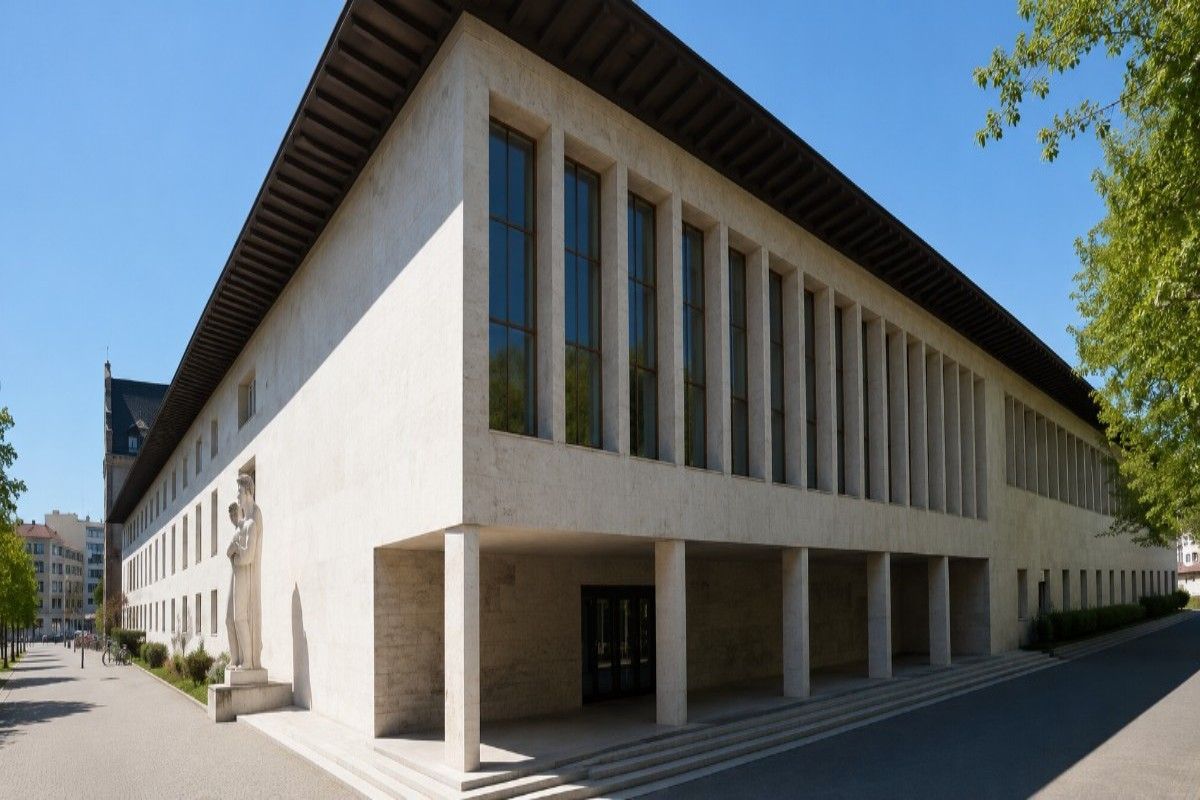 Partner
Explore fees, eligibility, and admission guidance for MBBS in University of Basel Faculty of Medicine in Switzerland.
 Partner
Explore fees, eligibility, and admission guidance for MBBS in Université de Lausanne Faculty of Biology and Medicine in Switzerland.
Our team provides university-specific guidance and a full Switzerland context briefing at every intake. Book a free counselling session →
The fees for MBBS in Switzerland are charged based on tuition charges and living expenses. Assuming that the tuition costs CHF 1700 per year and the living costs CHF 24,000 per year then the total estimated cost for six years would be approximately Rs. 1.70 crore. This is an example and does not represent any official package from the medical university.
Swiss Medicine is available after recognised secondary schooling, but you will need to meet strict criteria regarding your nationality or residency. Indian nationals living in India will generally not qualify for the standard undergraduate medical course.
Swiss medical universities do not use India's NEET as their primary entrance examination. However, Indian students intending to practise medicine in India must consider applicable NEET and NMC requirements.
The Top medical colleges in Switzerland commonly include the University of Zurich, University of Basel, University of Bern, University of Geneva and University of Lausanne. Other institutions participate through bachelor's, master's or joint medical education pathways.
The Best medical colleges in Switzerland should be evaluated according to legal admission eligibility, teaching language, degree structure and professional licensing requirements. For non-resident Indian applicants, admission restrictions are a more immediate consideration than general university reputation.
No. Swissuniversities confirms that Switzerland's standard medical programmes are taught in German or French. There is no complete English-medium undergraduate medical programme in the standard Swiss university system.
IELTS is not generally the principal language requirement for Swiss medical education. Applicants usually need advanced German or French proficiency, depending on the university.