Ask most agents for an example of a Scottish medical school, and the response will be Edinburgh or Glasgow, established brands with a reputation that is better recognized outside the UK.
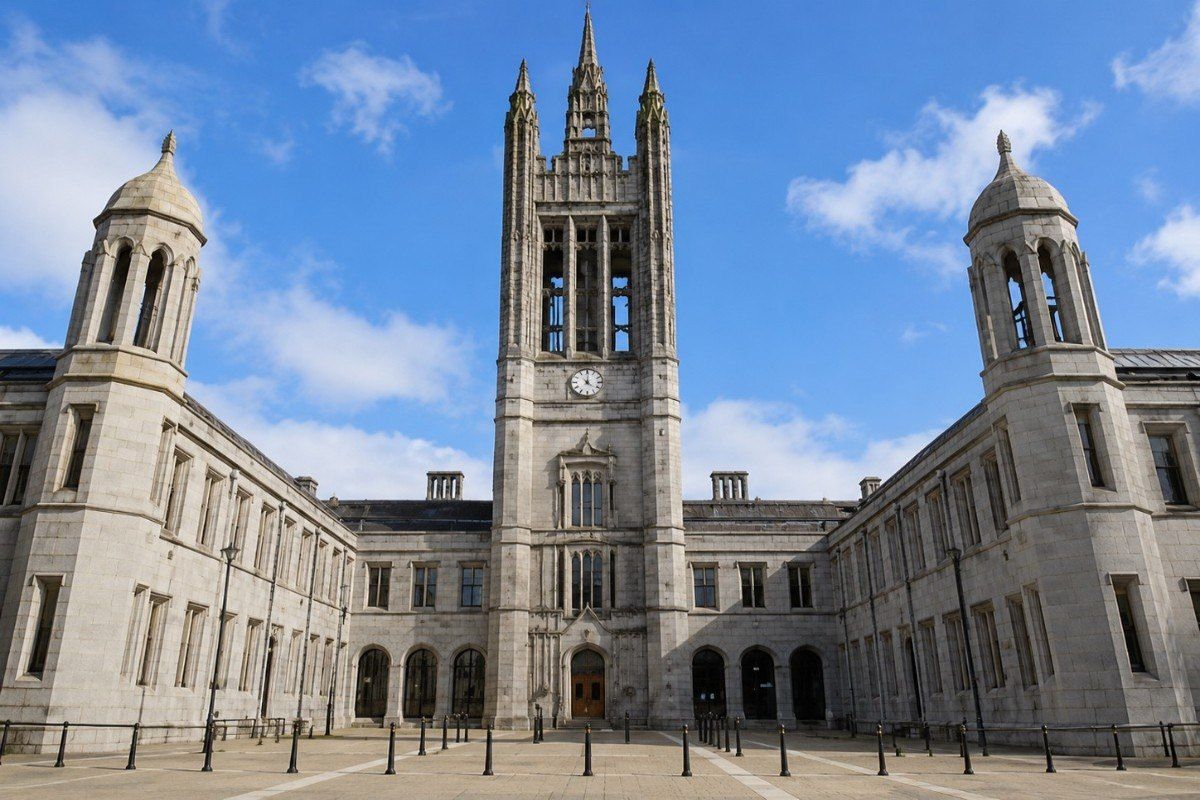
There is one thing that does not tend to pop up in the list: Aberdeen. Founded in 1495, King's College, now University of Aberdeen, has been listed as one of the five ancient universities of Britain and Ireland and is possibly older than any of the Ivy League institutions in the United States.
Its School of Medicine, Medical Sciences and Nutrition has produced doctors since the 19th century and now resides on the campus of Foresterhill, one of the largest single-site health campuses in Europe.
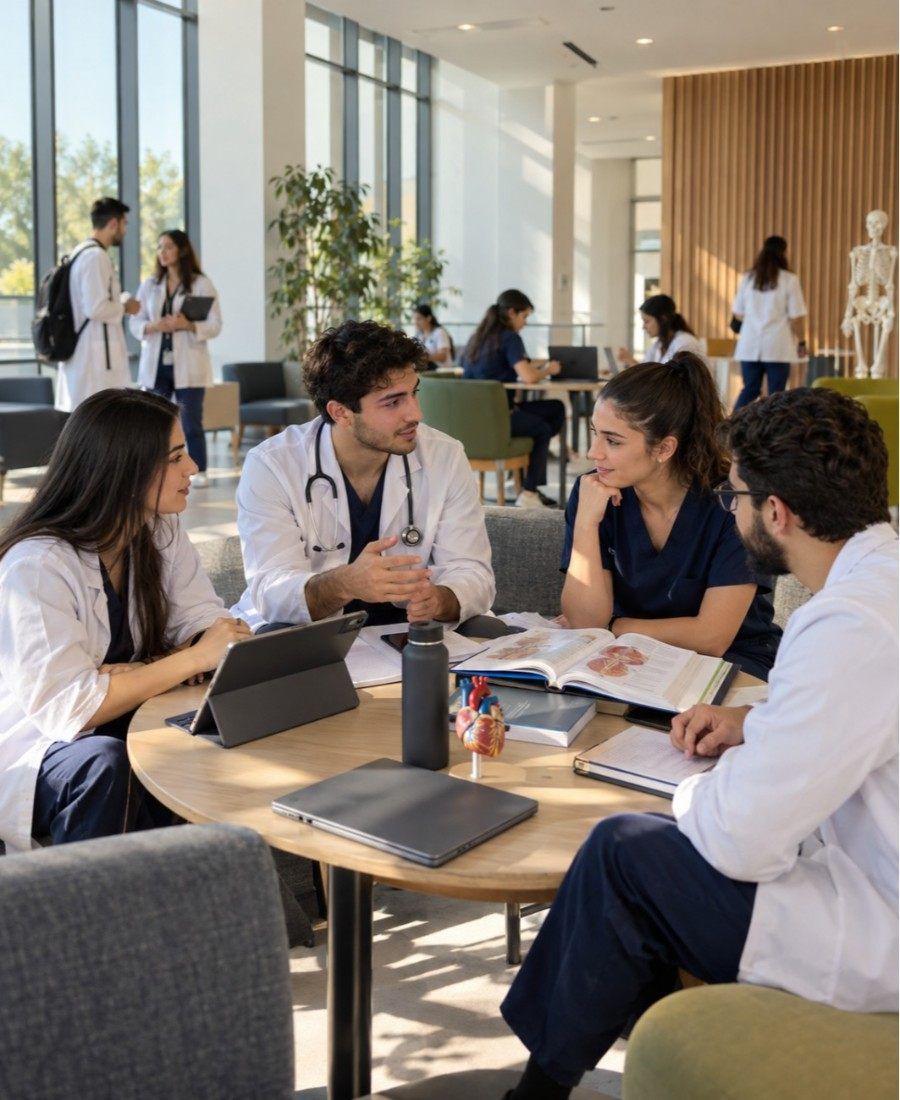
There is a University of Aberdeen campus with teaching buildings, an NHS teaching hospital, a dedicated children's hospital, and a maternity hospital within its borders.
Why is the single-site approach unique? Most UK medical schools have their clinical teaching in various hospitals within the city, which implies changing places and commuting every couple of months for the student.
In Aberdeen, the students do not leave the same campus throughout the preclinical period and only start spreading out after the Year 4. But what is the reason to choose Aberdeen over other well-established schools such as Edinburgh or Glasgow? Money is one of the answers.
At £50,100 per year for 2026/27 entrants, it is cheaper than Glasgow (£62,730) and not far behind Edinburgh (£54,650). It still ranks second in Scotland and sixth in the UK in the Guardian's ranking for 2026 UK medicine table.
The other aspect of the choice is a smaller annual intake of students – about 170 places versus several hundred at some English medical schools. This gives less recognition outside the academic field but means smaller classes in which the consultants and lecturers would know each of the students personally.
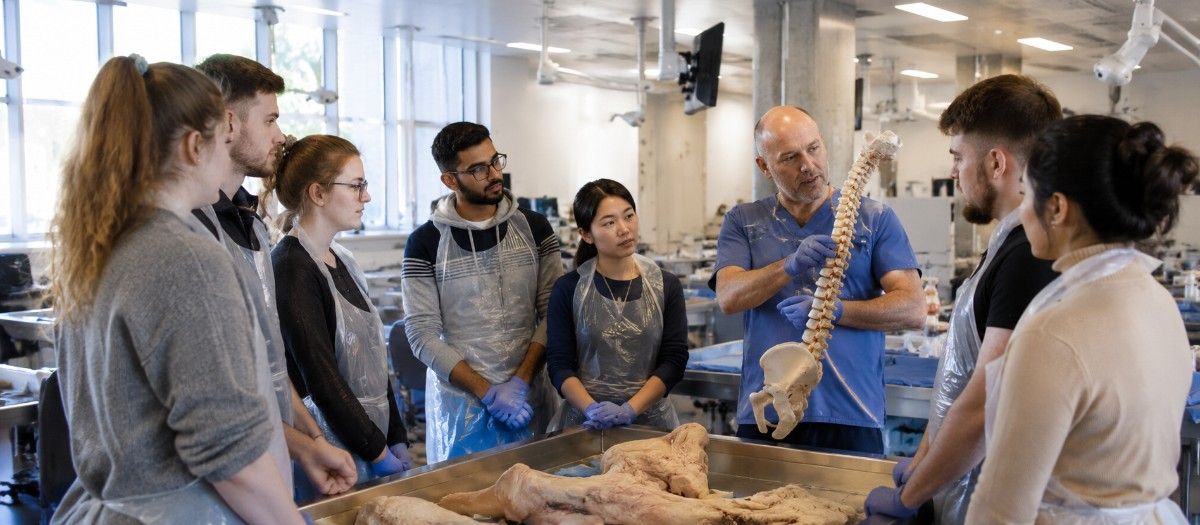
MBChB lasts five years and consists of a systems-based integrated curriculum. In order to learn about the respiratory system, cardiovascular system, and all other systems of the human body, the students study the corresponding diseases, anatomy, physiology, and biochemistry.
Clinical experience starts from the very beginning of studies: the first-year students are following the multidisciplinary team in the hospital and work with a GP practice as part of the community-based learning, long before most school-leaver medical courses introduce students to patients.
There is also a six-week Medical Humanities module in Year 3, where a wide variety of topics can be studied in accordance with the student's interests.
Most students then continue with the intercalation and study for a year for an honours BSc in either Medical Sciences or Medical Humanities between Years 3 and 4 or 4 and 5 before coming back to complete the clinical years.
There is one distinguishing feature of the Aberdeen course: in Year 4, all students undergo the Remote and Rural Medicine attachment and spend part of this year in the healthcare facilities away from Aberdeen. The students have an opportunity to spend the whole year at a placement outside of Aberdeen in Scotland or beyond.
Due to the high proportion of the Scottish population that lives outside of the central belt of the country, it is not a simple elective but an integral part of the education in Aberdeen that produces doctors used to the kind of practice typical for remote areas and generalist physicians in resource-limited environments, not only in the Highlands of Scotland.
Year 5 is an apprenticeship year leading to independent practice, with an eight-week elective that the students may undertake anywhere in the world.
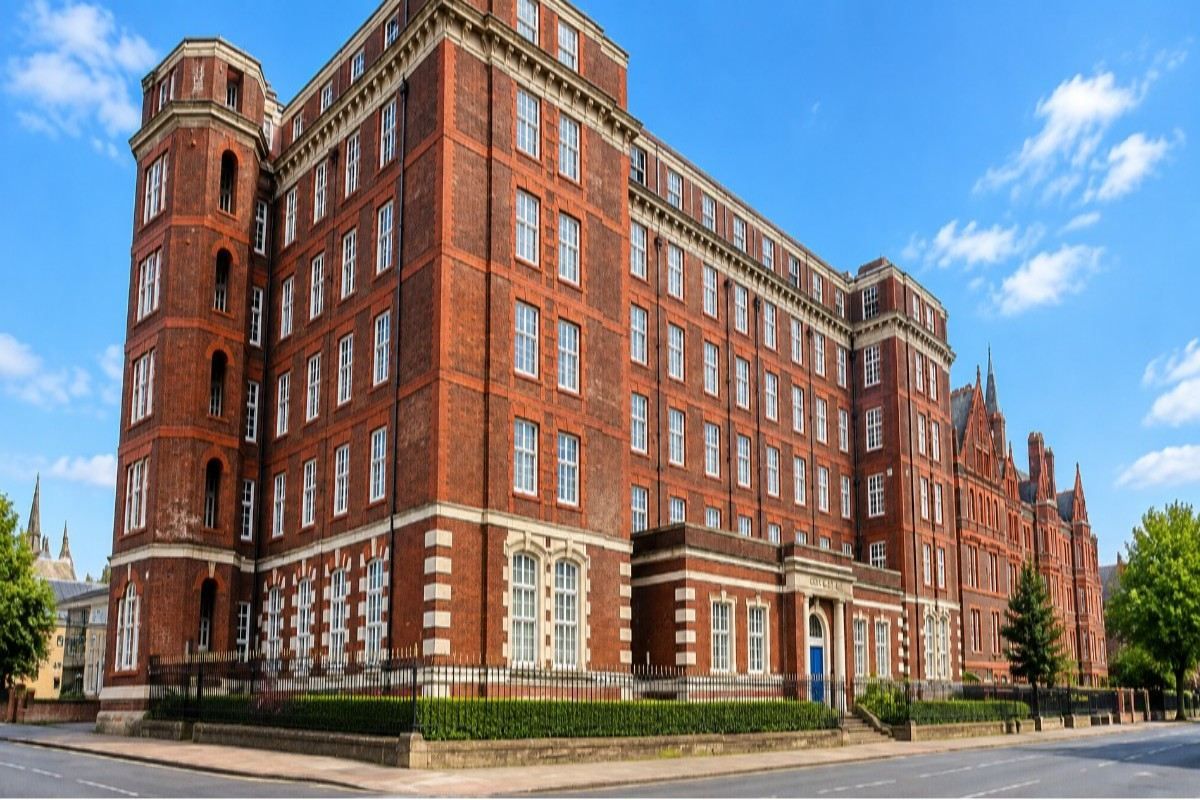
Aberdeen has quite an affordable cost of living compared to other Scottish cities. Student halls of residence cost between £100 and £190 a week depending on the room type.
The city has been traditionally seen as one of the cheapest student cities in the UK despite its location and climate (it is known for cold winters), although there are many countryside and seaside locations near Aberdeen. There are connections to research facilities if the student chooses to intercalate into Medical Sciences.
To summarize, what the family would get for their student is a five-century-old university that offers a contemporary and integrated medical curriculum for a lower price than other Scottish schools and special training in rural medicine rarely available in other UK schools.