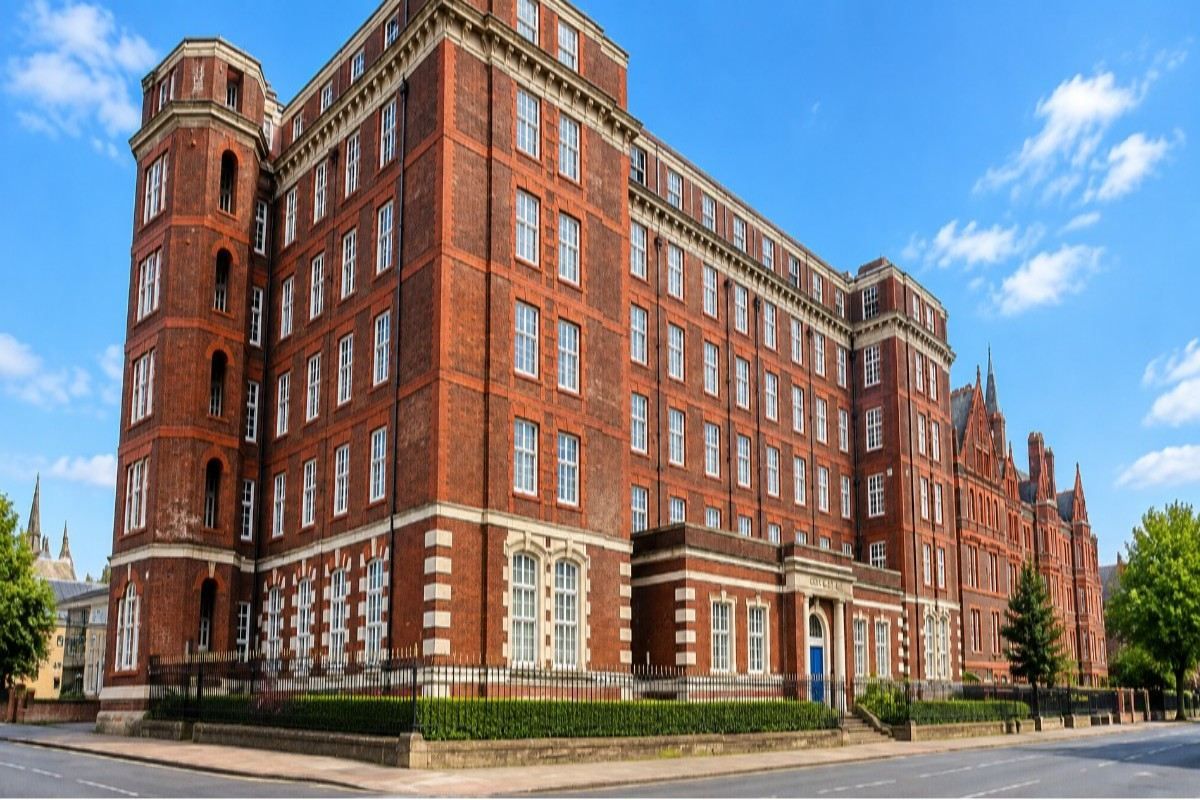
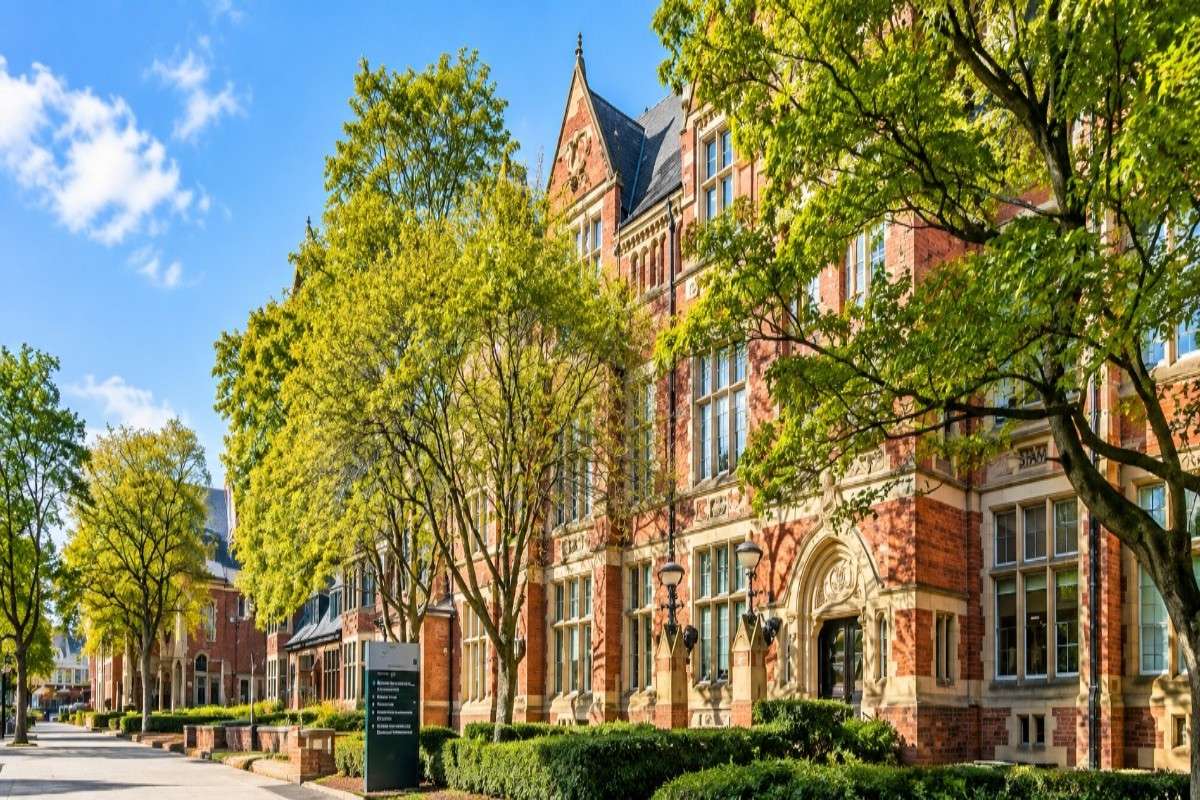
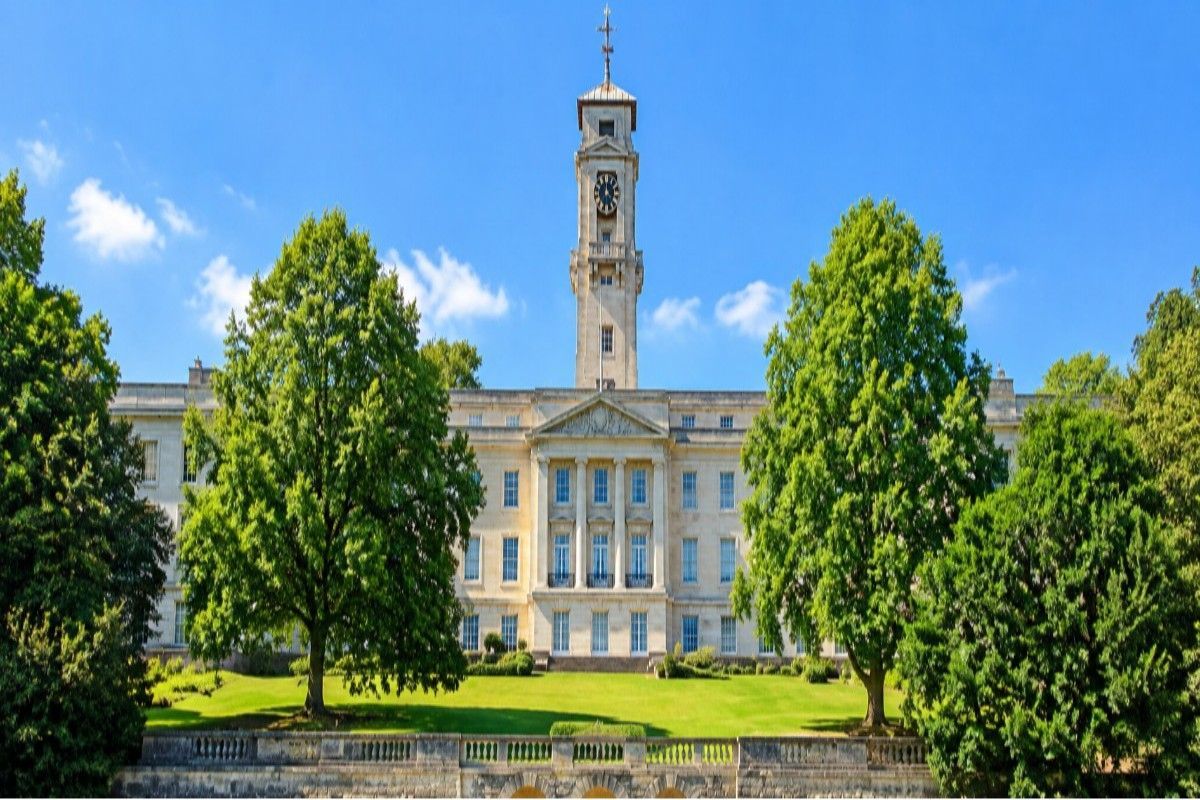
University of Buckingham Medical School is not one of the country's long-established medical schools either; the first group of students enrolled in 2015, and the programme got GMC accreditation only in May 2019, when Edinburgh Medical School, which is the oldest in Great Britain, was founded in 1726. Still, there is one point in which it stands out and catches attention — it is the first independent not-for-profit medical school in the country, established by a private university not limited by NHS-set numerus clausus quota for its programmes.
Agencies that assist Indian families in choosing the education of their choice usually put 'MBBS in the UK' in the same category as the programmes in Georgia, Uzbekistan, or the Caribbean as an alternative option when there is no way of getting a place in India. While Buckingham's MB ChB is a legitimate UK medical degree offered in accordance with GMC standards, delivered in a university whose students are sent to further study at Oxford, Cambridge, and Harvard in other subjects. It entitles the holders of this diploma to start the UK Foundation Programme just like any other UK medical graduate can do. In addition, the Indian regulator requires Indian graduates of any UK programme to take the National Exit Test that is mandatory for those who plan to return to India after graduation.
Another aspect that needs explanation is the 4.5-year period of study required to obtain the qualification. It is important to understand that medical education in the UK is normally provided over five-six years. University of Buckingham organises the academic year so that it spans more terms than it is possible for a traditional university programme and thus manages to compress teaching periods while keeping all the material of the curriculum; the curriculum of the programme used to be borrowed from Leicester Medical School during the initial stages of establishment of the school with Professor Stewart Petersen, the former Director of Medical Education at University of Leicester, developing it.
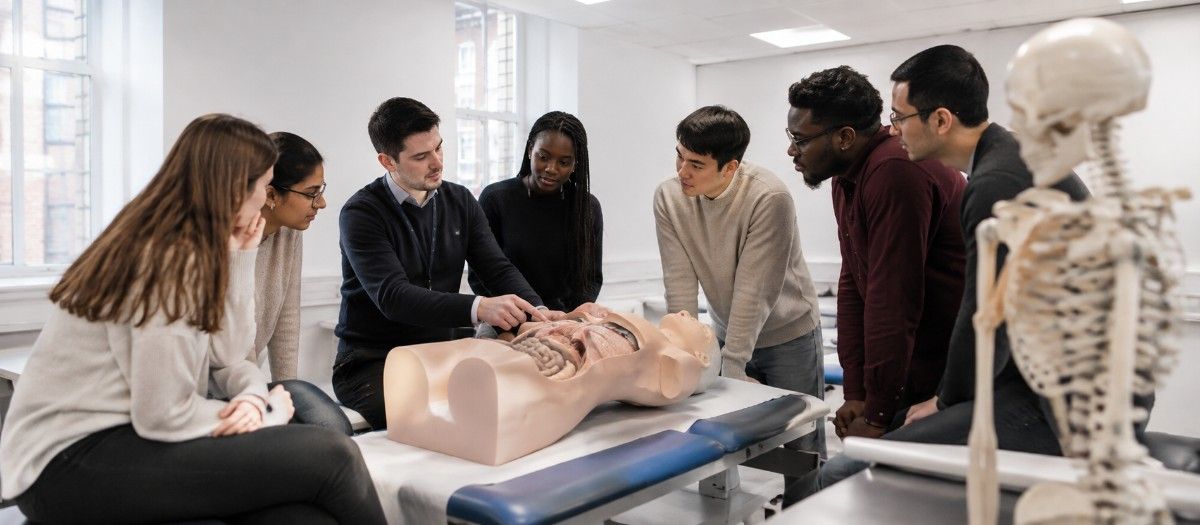
The first two years of the programme, Phase 1, are focused on studying various body systems within a clinical context and the presence of simulated and real patients right from the beginning of the course. The second phase of the programme is devoted to hospital placements in Milton Keynes University Hospital and Stoke Mandeville Hospital that will include rotations in various specialties, including medicine, surgery, pediatrics, psychiatry, obstetrics, and general practice. Because of the small size of the school cohorts, the ratio of students to clinical tutors and patients remains relatively small during both phases. Such approach was commended by the GMC during the review of the programme due to pastoral and academic support offered to students from lectures through practical sessions.
None of this comes free. The annual fee for international students will be in the range of £45,000-47,000. It is significantly higher than any subsidised NHS place would cost the student in the UK, and higher than many Eastern European and Central Asian medical programmes that are often compared with the UK option. What distinguishes the programme in question from others is not prestige but security: merit-based admission without any competition for the limited number of places, two intakes per year instead of one, absence of UCAT test, the degree that enables the graduate to continue postgraduate training in the UK right away and not to obtain additional recognition, like EU-trained doctors had to do after Brexit. Adding the Immigration Health Surcharge (£776 per year) and the cost of meals (£3,000-4,500 per year), the total cost of four-and-a-half-year programme will be £260,000-270,000.
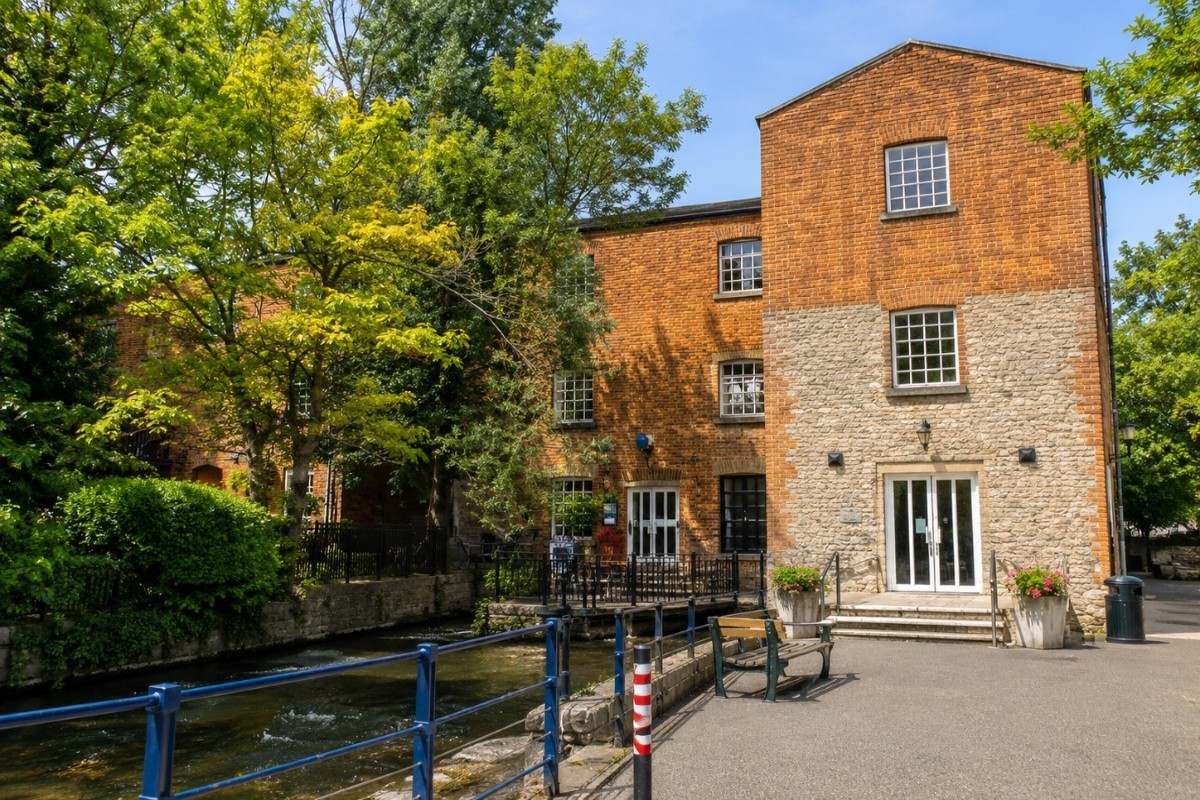
Buckingham is not the big city but a small market town and, of course, does not have the underground or the night life; however, it provides a great opportunity to study in a quiet place, being quite close to London, Oxford, and Milton Keynes (by train or car). Student accommodation costs £99-249 per week depending on the type of a room. Since the town is not a big metropolitan area, the cost of living there is significantly lower than in London. Thus, it is the actual compromise offered by the programme in question.