
Q1. Do WHO and the NMC accredit Alte University to admit students in 2026?
+A. Yes. Alte is NMC-approved, WHO-listed in WDOMS, and WFME-accredited as of 2026. Always self-verify at wdoms.org before paying fees to any counsellor.
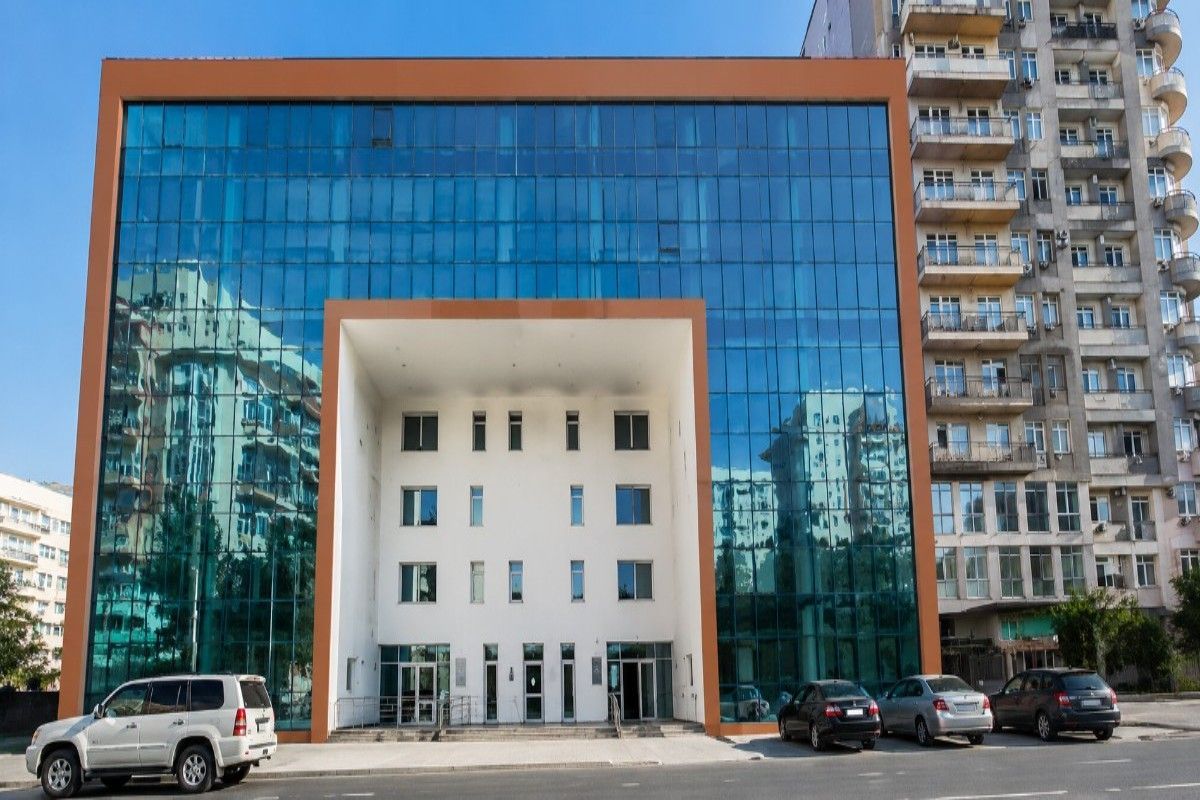
 Georgia | Est. 2002
Georgia | WHO, NMC India, ECFMG USA, IMC Ireland, WFME, ENQA, AMEE, NCEQE | 100% English; IELTS/TOEFL not required; no Georgian for examinations medium
Expert will call you within 2 hours
Most guides to MBBS in Georgia open with a fees table and call it research. So, before getting to the numbers, here is the fact about Alte University that changes how you should read everything else: the name itself is a signal. 'Alte' comes from the Latin word for 'altitude', the highest point. That rebranding from Tbilisi Open University in 2021 was not cosmetic. It coincided with a complete curriculum overhaul, the launch of high-tech simulation infrastructure including 3D Anatomage tables and VR-based anatomy labs, and a formal alignment of the MD programme with WFME, ECTS, and international licensing standards. The university has been operating since 2002, but the institution students are choosing in 2025 and 2026 is meaningfully different from the one that opened two decades ago.
What Alte genuinely offers and what competitor pages either don't understand or don't explain clearly is a small-batch, technology-forward approach to medical education in a mid-tier fee bracket. The MD programme is taught in 100% English, aligns with ECTS credits, and is specifically structured to help students prepare for FMGE/NExT (India), USMLE (USA), and PLAB (UK) without the need for separate external coaching. That three-licensing alignment is rarer than most guides suggest. The ECTS structure also means Alte's degree is recognised across all Bologna Process countries in Europe, which matters for students who haven't yet decided where they want to practise.
The clinical infrastructure deserves more than the two-line mention most pages give it. Alte's primary hospital affiliate is the Ivane Bokeria University Hospital, a serious teaching facility, not a general district clinic. Beyond that, students rotate across 15+ affiliated clinics in Tbilisi from Year 4 onwards. Because Alte operates smaller batch sizes than Tbilisi State Medical University or Georgian American University, the ward experience is genuinely hands-on: students interact directly with attending physicians during bedside rounds rather than standing four-deep at the back of a group of thirty. That structural difference in clinical access is worth more than it sounds, especially for the variety of cases and clinical reasoning skills that FMGE and NExT test directly.
There is one fact about Alte that every competing guide completely ignores: it is one of the very few institutions in Georgia with Irish Medical Council (IMC) recognition, covering a programme exceeding 5,500 contact hours. That makes Alte relevant not just for Indian students aiming for FMGE/NExT, but also for students from Ireland and EU countries who want clinical access to European training pathways post-graduation. No other guide targeting Indian MBBS students has pointed this out, but it reflects the breadth of Alte's actual global recognition.
The rebranding year also matters for a practical reason that is never discussed: it triggered a full curriculum review, which brought in 3D blackboards, a VR-based anatomy suite, and the Anatomage table, a digital dissection system used in medical schools across the US and Europe that allows students to explore cadaveric anatomy in three dimensions without requiring physical specimens. The Indian pages on Alte consistently describe labs in generic terms. What actually exists is a simulation environment closer to what a well-funded European medical school offers than to what most Central Asian or Eastern European MBBS universities are running.
The FMGE 2025 pass rate for Alte was 48.77%, 79 out of 162 students. That is above the FMGE national average of around 18–20% and falls within a reasonable range for a mid-sized Georgia university. However, it is worth saying honestly: Georgian American University posted 53.49%, and BAU posted 45.05% in the same cycle. Alte is not the FMGE leader in Georgia. What it offers instead is a more affordable fee structure than GAU, smaller batch sizes than TSMU, and a technology infrastructure that newer students entering the clinical years in 2025 and beyond will benefit from more than the cohort that sat FMGE in 2024. If the FMGE pass rate is your only criterion, GAU is the answer. If you want modern infrastructure, manageable fees, and real clinical access within Tbilisi, Alte is competitive.
Finally, and this is something every guide either underplays or misses entirely, Georgia's 2026 ban on new international student admissions at state medical universities does not apply to Alte. Alte is a private university. TSMU, Georgia's largest state medical university, is the institution affected by the ban. For Indian students considering both state and private options in Georgia this cycle, Alte's status as a private university means it remains fully open for the 2026 intake. In contrast, TSMU's new international admissions are restricted. That competitive context has shifted the supply of available seats across Georgia's private universities, and Alte is one of the direct beneficiaries.
No hidden charges, no donation. The full picture of costs at MBBS in Alte University Tbilisi Georgia.
Tuition Fee
USD 5,500/year (approx. Rs. 4.62 lakh); fixed fee; no donation; no hidden charges
USD 5,500/year (approx. Rs. 4.62 lakh/year)
Hostel Fee
USD 250-300/month; meals included; Wi-Fi; laundry; 24/7 security
USD 250-300/month, meals included (approx. Rs. 20,000-25,000/month)
Food & Meals
USD 100-150 | per month
per month
Insurance
USD 150-200 | per year (Year 1 slightly higher)
per year
Donation
No Donation
No Hidden Fees
Total Estimated Cost
Rs. 40-45 lakh approx. | 6-year all-inclusive cost
6-year
25–35%
Average FMGE first-attempt pass rates for students from many overseas medical universities. Students from structured programs consistently score higher.
Students returning to India need to clear the FMGE/NExT exam. MBBS in Alte University Tbilisi Georgia integrates exam-oriented coaching into the regular curriculum so students are prepared from day one.
A structured program that takes you from foundational sciences to clinical mastery.
• Medical Latin, Cell Biology, History of Medicine, Clinical Ethics basics introduced
• Anatomy via 3D Anatomage tables; Histology, Biochemistry, Biophysics core subjects
• Pharmacology, Pathological Anatomy; VR lab sessions supplement all practical work
• Physiology, Microbiology, Virology; USMLE Step 1 MCQ format introduced this year
• Propedeutics of Internal Medicine; simulation-centre clinical skills training sessions
• Pathology, Pathophysiology, Immunology; first hospital observation exposure begins
• Neurology, Psychiatry, Dermatology, ENT, Ophthalmology; small-group bedside clinical training
• Hospital rotations: Internal Medicine, Surgery, OBG, Paediatrics at Ivane Bokeria Hospital
• Independent patient management under supervision; FMGE and USMLE mock series starts
• Advanced Surgery, Traumatology, Emergency Medicine, Cardiology, Oncology department rotations
• FMGE, NExT, USMLE, PLAB coaching; IMC-compliant 5,500+ contact hours completed
• Full rotations: Internal Medicine, Surgery, Paediatrics, OBG, Emergency, Community Medicine


Furnished hostel rooms with Wi-Fi, laundry, 24/7 security, and Indian mess on or near campus.
Indian restaurants and mess facilities serving vegetarian and non-vegetarian home-style food daily.
Strong Indian community with cultural events, festival celebrations, and peer support groups.
Students get hands-on clinical training in government and private hospitals affiliated with the university.
Practical information for students planning to study at MBBS in Alte University Tbilisi Georgia.
Prepare for all seasons. Thermal wear for winters, light clothing for summers. University provides heating in hostels.
Student visa processed with university invitation letter. Direct and connecting flights from major Indian cities.
Health insurance included in fees. Medical facility on campus plus city hospitals easily accessible.
Local SIM cards available. WhatsApp and video calls keep you connected with family back home.
Average monthly expenses of $150–$250 covering food, transport, and personal needs.
University library, online databases, and study groups. Seniors mentor juniors through academic challenges.
Our team guides you through every step — from application to arriving on campus.
Shortlist universities based on admission status, fees, city, and FMGE track record, not marketing alone.
Verify recognition independently on the NMC's own approved list and WDOMS before applying anywhere.
Submit the application directly to the university or through a verified representative, along with academic transcripts and a NEET scorecard.
Receive a provisional or conditional offer letter confirming a seat, pending document verification.
Complete document verification, including attestation of mark sheets and certificates where required.
Pay the first tuition instalment directly into the university's official account, never in cash or to a personal account.
Receive the formal invitation letter, which is the document required for the student visa application.
Apply for the student visa, allowing at least 30 days for processing.
Travel to Georgia and complete local formalities, including residence permit registration where applicable.
Complete final enrolment and orientation at the university, including hostel check-in and academic registration for the semester.
Admission Helpline — Contact our counsellors for step-by-step assistance.
“The faculty here is incredibly supportive. The clinical training during hospital rotations has given me real confidence in patient care.”
“Affordable fees without compromising on quality. The campus facilities and hostel life made my transition abroad very smooth.”
“English medium instruction and WHO-recognized curriculum were the deciding factors for me. No regrets so far — excellent experience overall.”
“The university helped with everything from visa to accommodation. Hospital exposure from year three has been invaluable for my FMGE prep.”
“Just cleared my licensing exam on the first attempt. The structured coaching and mock exams during final year were a game-changer.”
“Safe campus, good food options, and a strong Indian student community. The teaching methodology is very practical and hands-on.”
A. Yes. Alte is NMC-approved, WHO-listed in WDOMS, and WFME-accredited as of 2026. Always self-verify at wdoms.org before paying fees to any counsellor.
A. No. Alte is a private university. The 2026 ban applies only to state institutions like TSMU. Alte remains fully open for international students this cycle.
A. Tuition is USD 5,500/year. Add hostel with meals, visa extension, insurance, and travel. Honest all-in six-year figure: Rs. 40-45 lakh total. No donation, no capitation.
A. Alte University: 48.77% (79 out of 162 students). Better only than India's 18-20% marginally, but lower than that of GAU, which stands
A. Hospital rotations begin in Year 4—primary affiliate: Ivane Bokeria University Hospital, plus 15+ clinics across Tbilisi. Small batch sizes mean direct access to attending, not passive observation.
A. It is important to highlight that the University has state-of-the-art 3D Anatomage tables, an advanced VR lab for anatomy, and 3D blackboards ever since 2021, which saw it rebranded into 3D Anatomage Tables; the mentioned technology can be found in both US and UK medical schools.
A. Yes, as per NMC norms, all Indian students wishing to complete their MBBS program outside India should write NEET because without NEET, one cannot appear for the FMGE/NExT test.
A. No. The full MD programme is in English. Basic Georgian helps with patient communication during hospital rotations but is not assessed in any examination or licensing pathway.
A. Alte’s program is based on the ECTS credit system, compatible among 46 Bologna Process countries. This means postgraduate training across the EU remains structurally accessible for Alte graduates.
A. With respect to the success rate in FMGE, GAU stands first with a success rate of 80.33%, but it charges relatively higher tuition fees. TSMU will not accept international students after 2026. Among all, Alte College is the cheapest.
Our expert counsellors will guide you through the complete admission process — from documents to airport pickup.