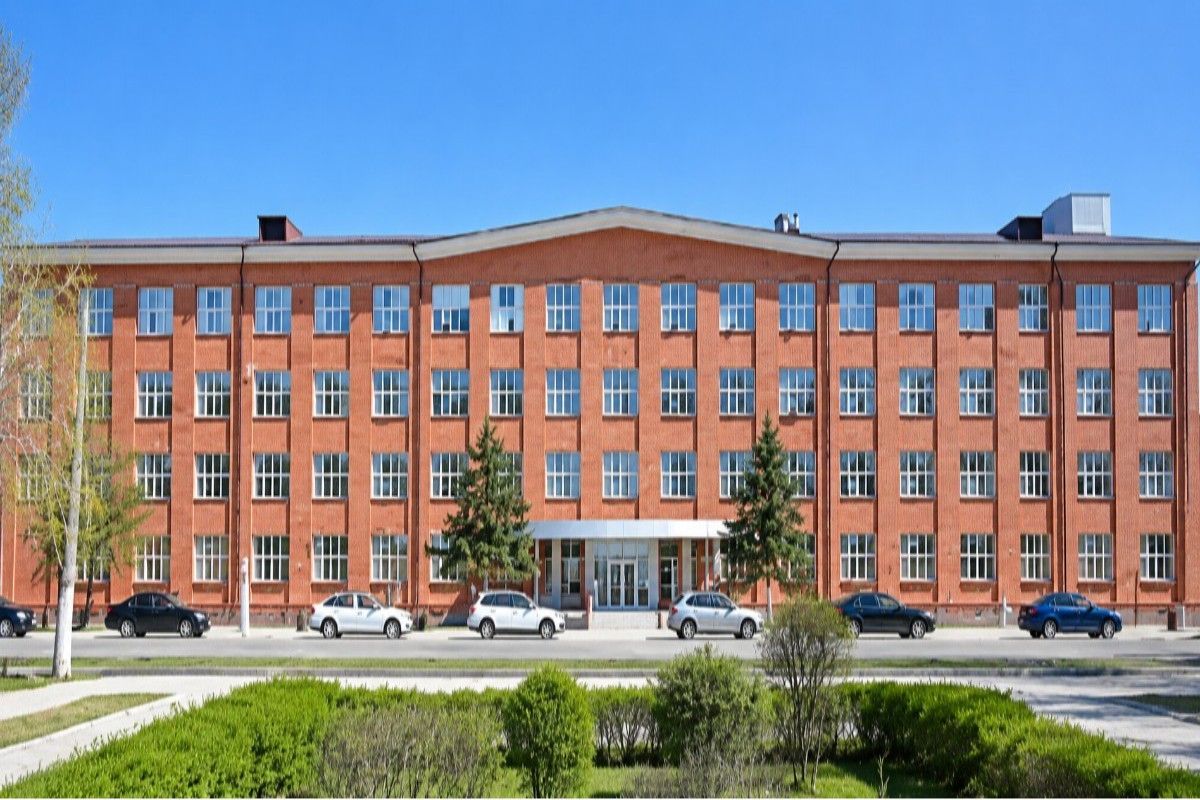
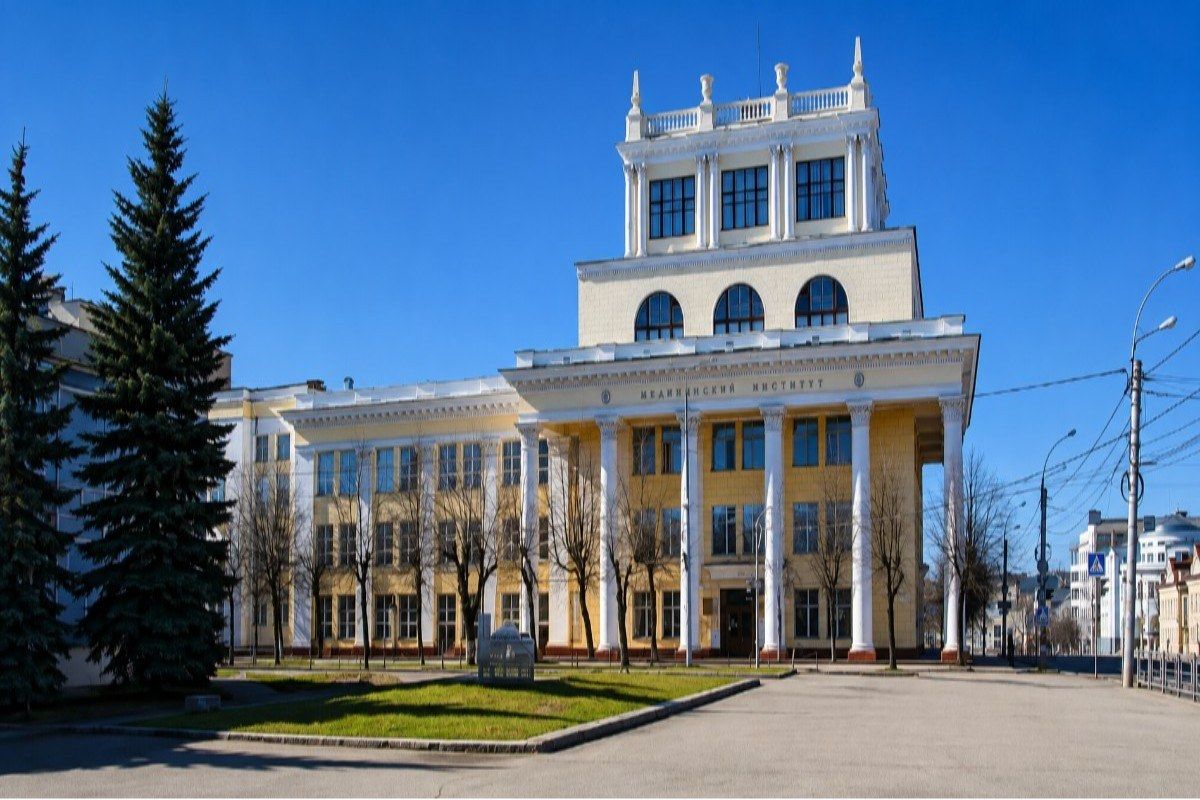
Astrakhan State Medical University is a state university of medicine located in Astrakhan, Russia. It was established in 1918. The medical department started training students since the very foundation of the university. The medical institute became an autonomous institution in 1922. At present, the university functions on the basis of the Ministry of Health of the Russian Federation.
Over time, the university has become an extensive educational centre of medicine and healthcare. Its courses include medicine, dentistry, pharmacy, pediatrics, preventive medicine, nursing, and other related fields. The primary course of the university that is available to international students is General Medicine. The course is taught at the university in the framework of the Russian specialist degree program 31.05.01 General Medicine.
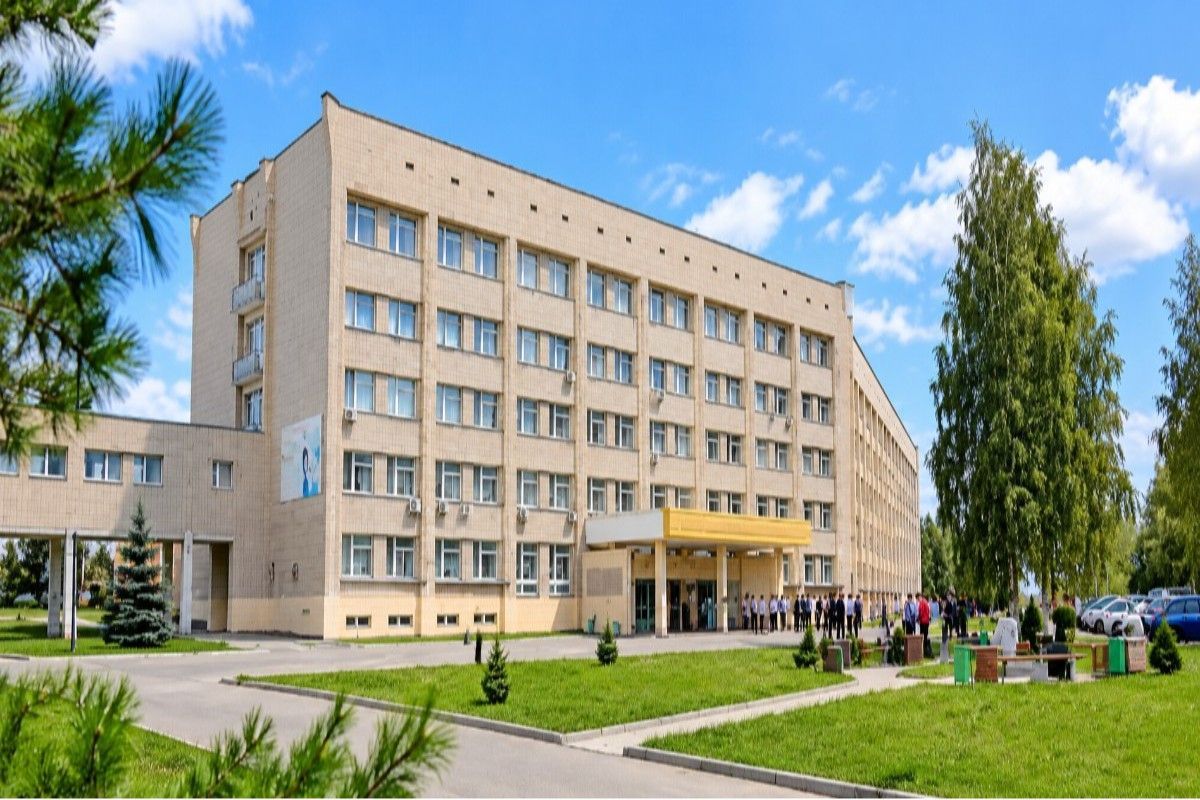
Astrakhan State Medical University has an extensive experience in clinical medicine training in the region. Students acquire medical subjects in university departments and clinical bases throughout Astrakhan. Additionally, there is a university clinic in the institution. Clinical training occurs in healthcare institutions where students have an opportunity to integrate theoretical knowledge and practice. There are 10 educational buildings of the university that take up more than 85 thousand square meters. Also, the university benefits from clinical training areas in healthcare institutions throughout the city.
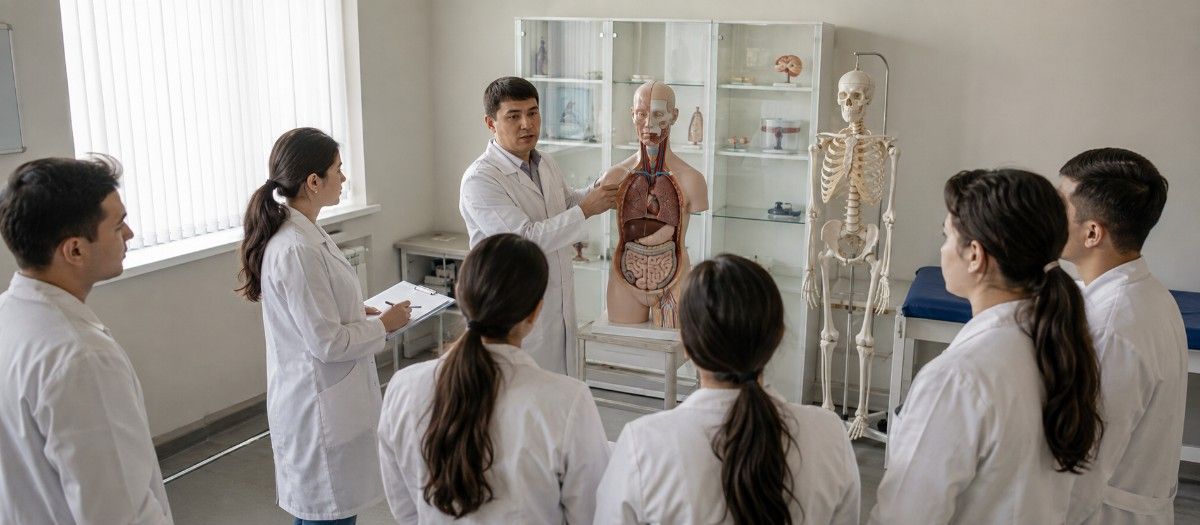
The university creates a convenient learning environment for those who wish to pursue medicine for six years. The first period of the program covers fundamental medical sciences. During this period, students obtain knowledge about such subjects as anatomy, physiology, biochemistry, pathology, pharmacology, and microbiology. These subjects form a basis for future clinical training.
Afterward, the focus of studies changes to clinical medicine. In this regard, students will study such subjects as internal medicine, surgery, pediatrics, neurology, infectious diseases, obstetrics and gynecology, and others. Clinical subjects allow students to see practical application of medical knowledge.
The university also has evidence of English-language teaching within the General Medicine programme. Its educational portal includes English-language courses for students enrolled in 31.05.01 General Medicine. The university has also produced academic material specifically for students studying General Medicine in English.
English-medium education can be useful for international students who are not comfortable studying complex medical subjects in Russian. However, students should still learn basic Russian during their studies. Russian can help during hospital training because patients and healthcare staff may communicate in Russian.
Accommodation is another practical part of student life. The university has four student dormitories with a total capacity of 1,033 places. The accommodation system includes both corridor-type and section-type dormitories. The university's latest 2026 order also provides room and utility charges for students from October 2026.
The latest hostel charges are based on the specific dormitory, room size, number of occupants, and utility consumption. This means the actual amount can differ between students. For planning purposes, students should keep a separate budget for accommodation and daily living expenses.
Astrakhan itself is located in southern Russia near the Caspian Sea. The city is built around the Volga River and serves as an important regional centre. Its location also gives students access to a different cultural and geographical setting compared with larger Russian cities such as Moscow and Saint Petersburg.
The university's medical history is closely connected with Astrakhan's healthcare system. One example is the Alexander-Mariinsky Regional Clinical Hospital. The hospital has worked with the university since the early years of medical education in Astrakhan. It became one of the first clinical institutions where medical students received practical training.
Clinical learning is an important part of the General Medicine programme. Students gradually move from theoretical subjects to practical medical work. This includes learning how to communicate with patients, understand clinical findings, study disease processes, and apply diagnostic and treatment principles under supervision.
Research is also part of the university environment. The institution has departments covering fundamental medicine and clinical disciplines. Its current education information includes research areas such as oncology, infectious diseases, gastroenterology, traumatology, cardiology, immunology, pharmacology, surgery, neurology, psychiatry, and personalized medicine.
The university has also maintained international academic cooperation. Its international activities include academic and professional cooperation with institutions and medical professionals in other countries. Such activities support interaction between Russian medical education and international healthcare communities.
For Indian students, recognition and licensing requirements should be checked before admission. Astrakhan State Medical University is currently listed in the World Directory of Medical Schools. The WDOMS record identifies it as a public and operational medical school. It records 1918 as the year instruction began. The record also states that students and graduates can be eligible to apply for ECFMG Certification when the relevant graduation year and other requirements are met.
WDOMS listing should not be treated as an automatic medical licence in another country. Students returning to India must meet the medical licensing rules that apply to foreign medical graduates. These requirements can change, so students should check the latest National Medical Commission rules for their admission year.
The university's long history, international student population, English-language medical teaching, clinical training, and student accommodation make it a practical option for students considering medical education in Russia. Its current 2026-27 tuition fee is also lower than many medical programmes in larger Russian cities.
Students should still compare the full cost before making a decision. Tuition is only one part of the budget. Accommodation, food, insurance, travel, visa expenses, study materials, and personal costs also need to be considered.
Astrakhan State Medical University can suit students who want a traditional medical education with a strong clinical component. Its international environment can also help students adapt to studying abroad. The six-year General Medicine structure provides a gradual path from basic sciences to clinical medicine and supervised medical practice.