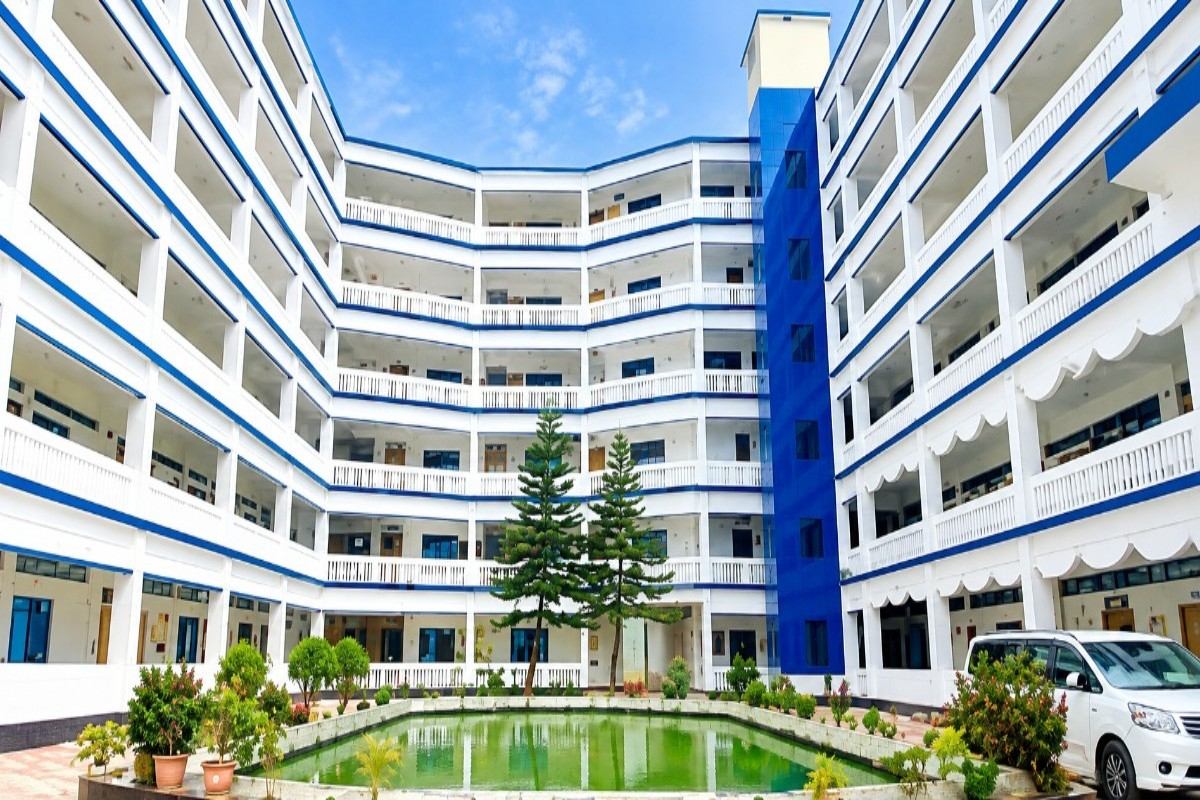
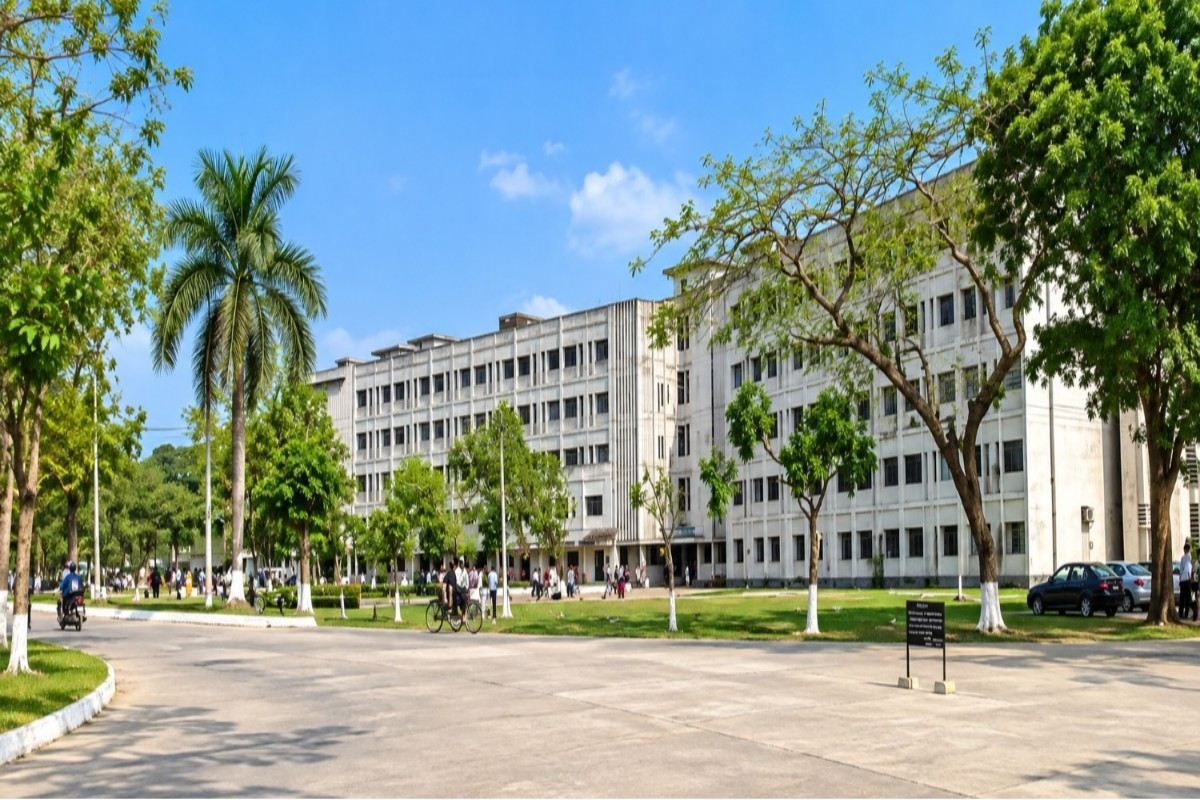
People mostly just call it BMC for short. It is a private medical college located in Ghatura, Brahmanbaria Sadar Upazila, along the Comilla-Sylhet Highway, roughly 4 kilometres from Brahmanbaria's own railway station and about 104 kilometres from Dhaka's international airport. The college was founded under the leadership of Dr. Md. Abu Sayed, who continues to serve as its current Chairman, with Zakiur Rahman serving as Principal.
Here is a fact most guides skip entirely, and it is genuinely specific. At least one local source describes BMC as the first medical college in its own district, a genuinely notable, verifiable regional distinction rather than a vague claim of importance. The college's own founding purpose was specifically described as addressing a documented need to expand medical education beyond Bangladesh's major cities, directly improving healthcare accessibility in rural and semi-urban areas rather than concentrating training solely within Dhaka or Chittagong.
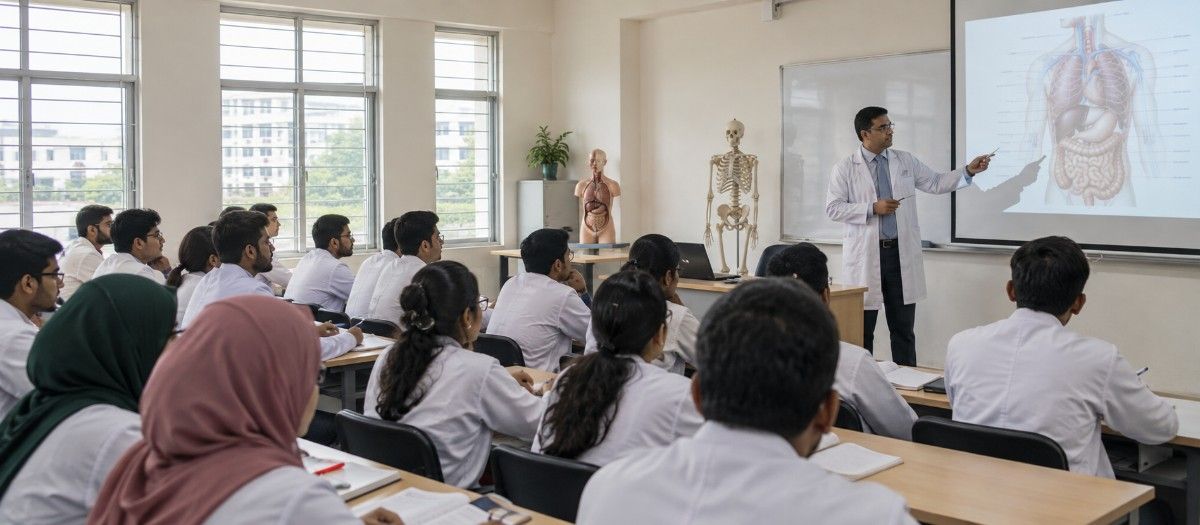
BMC began with a genuinely modest first cohort of just 50 students. The college has since grown to train 80 students each year, of whom 25 percent are specifically international students, a real, specific, and genuinely substantial proportion for a college of this size. BMC is affiliated with the University of Chittagong, or Chittagong Medical University depending on the specific source consulted, and is recognised by the Bangladesh Medical and Dental Council, BMDC, the World Health Organisation, WHO, and India's own Medical Council, referred to in older sources by its former name, MCI, now succeeded by the NMC.
A genuinely specific, distinctive detail worth knowing is that BMC maintains a strict no-smoking policy across the entire college property, a real, specific institutional rule worth being aware of directly. The college offers modern facilities, including well-equipped laboratories, a comprehensive library, and advanced clinical training tools, alongside a described "state of the art, futuristic" hospital, with further hospital expansion and new academic programmes stated as part of the college's own ongoing development strategy.
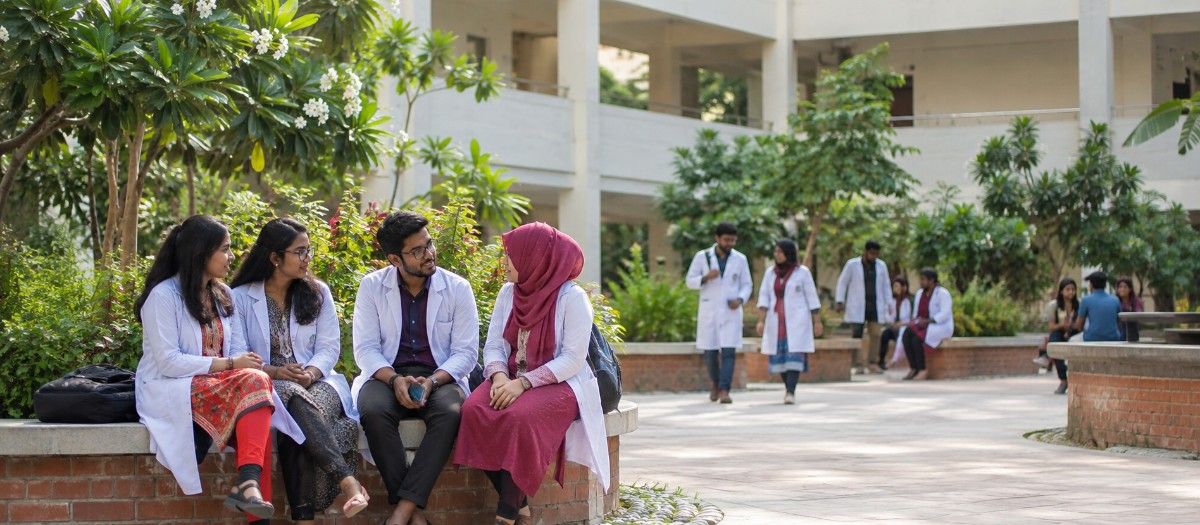
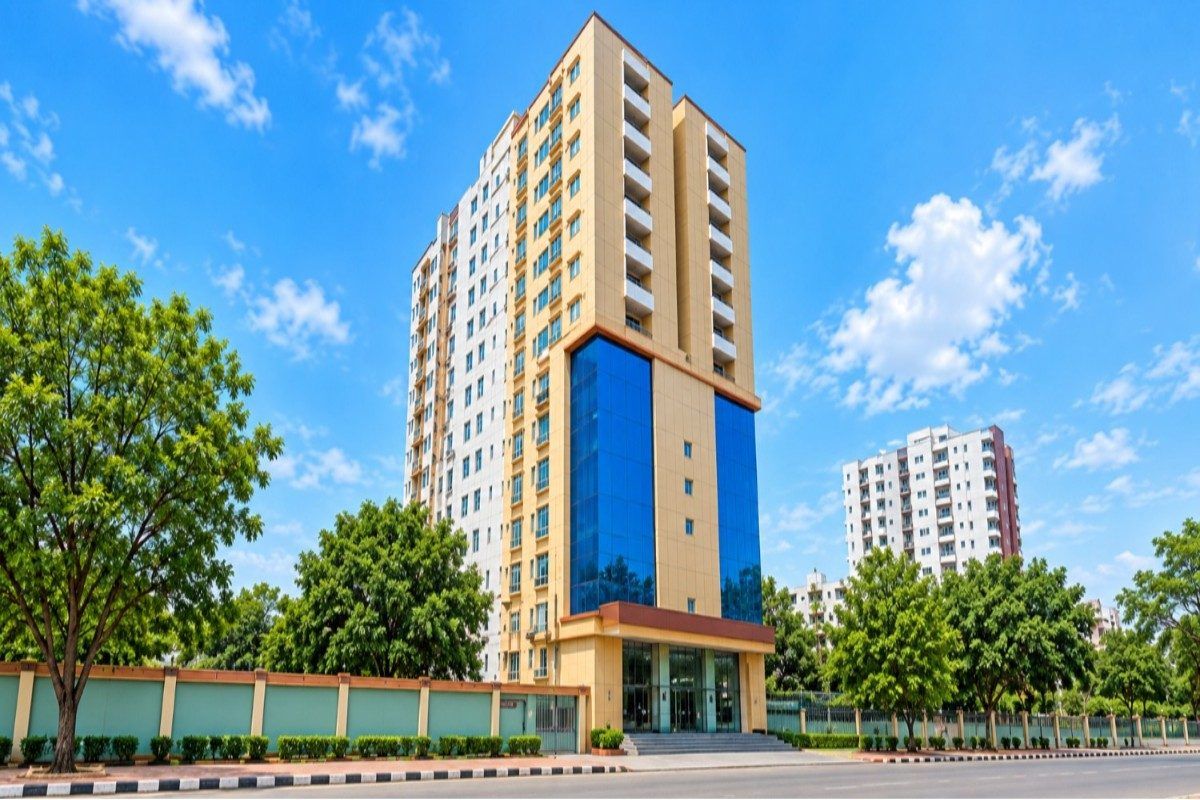
Clinical training runs through BMC's own affiliated hospital, with the college specifically marketing itself around genuine hospital-based clinical exposure as one of its core strengths for international MBBS applicants. Hostel accommodation is available in separate buildings for male and female students, both situated within the same area of the campus, with a fixed monthly mess rate included.
BMC's MBBS programme runs five years, followed by a mandatory one-year internship, a specific structure consistently reported across sources, worth noting since it differs from the six-year single-block structure used at some other Bangladeshi medical colleges. A genuinely specific administrative detail worth knowing is that students who fail to pass their final MBBS examination within the standard five years must pay nominal tuition and hostel fees for an extended study period.
NEET remains a genuine requirement for Indian applicants here, exactly as it does for MBBS study in most other countries, and Indian graduates would still need to clear the FMGE or NExT exam to practise medicine back in India.
Brahmanbaria itself is a district town in eastern Bangladesh, sitting along the Comilla-Sylhet Highway, giving the college genuine, practical road connectivity to other major Bangladeshi cities despite its own more regional, small-town setting. This location reflects the college's own stated founding mission directly, expanding quality medical education access beyond Dhaka and Chittagong into a genuinely underserved regional area, rather than adding yet another medical college within Bangladesh's already well-served largest cities.
Given the genuine, layered confusion around this college's own founding date, and the real discrepancy in its own reported total programme fee, prospective applicants should treat direct, written confirmation from BMC's own admissions office as a genuinely essential first step here, more so than at some other Bangladeshi medical colleges where the founding history and costs are more consistently documented across sources. This is not necessarily a reason to avoid BMC outright, particularly given its genuine, specific regional significance, but it is a real, practical precaution worth taking seriously before committing.
Fee figures here genuinely conflict between the college's own reported total and a separate consultancy figure, worth presenting honestly rather than picking one.
Cost Item | Amount | Notes |
Total MBBS Programme Fee (college's own reported figure) | Approx. USD 38,000 (tuition and hostel combined) | Reported directly by the college's own official website |
Total MBBS Programme Fee (alternate reported figure) | Approx. INR 24.30 lakh (approx. USD 29,000) | Reported by a separate consultancy source; genuinely lower than the college's own figure |
Hostel Fee | BDT 3,000/month (approx. USD 24-25/month) | Reported specifically, covering accommodation and a fixed monthly mess rate |
Books, Uniform, and Related Costs | Approx. INR 7,000/year (approx. USD 85/year) | A specific, itemised annual estimate |
Seat Booking Fee | Payable immediately upon confirmation letter | A specific, one-time fee due once an offer is confirmed |
Total Cost | Approx. USD 29,000-38,000, depending on which reported figure applies | Confirm the current, exact figure directly with BMC before finalising a budget |
Note: no capitation fee is confirmed at any stage. Given the genuine spread between the college's own reported figure and the alternate consultancy figure, request BMC's own current, official, itemised fee schedule directly.
Why BMC Deserves a Harder Look, and a More Careful One
Most lists mention BMC only briefly among Bangladesh's newer private medical colleges. However, they do not explain its genuinely layered founding-date confusion, or its real, specific regional significance. The reason is simple. It is about a real, unusually tangled history worth untangling carefully, and a genuine "first in its district" claim.
BMC is not like most other medical colleges when it comes to its own founding date. In fact, even Wikipedia's own summary and body text disagree with each other, citing 2014 and 2010 respectively, while the college's own website and most independent sources instead converge on 2013. Furthermore, this genuinely layered, multi-source discrepancy deserves honest, careful presentation, not a single confident date stated without qualification.
The college's own regional significance also matters more than most guides let on. For example, most guides describing newer Bangladeshi medical colleges treat them as interchangeable additions to an already crowded field. BMC is specifically described by at least one source as the first medical college in its own district. Moreover, this reflects a genuine, documented role in expanding medical education access to a specific, previously underserved region, not a generic new private college.
One thing most other blogs miss is the genuine conflict in BMC's own reported total programme cost. In addition to the college's own reported USD 38,000 figure, a separate consultancy source cites a considerably lower INR 24.30 lakh, roughly USD 29,000. Since these figures genuinely diverge by a meaningful margin, applicants should request the college's own current, official, itemised breakdown directly rather than relying on either estimate alone.