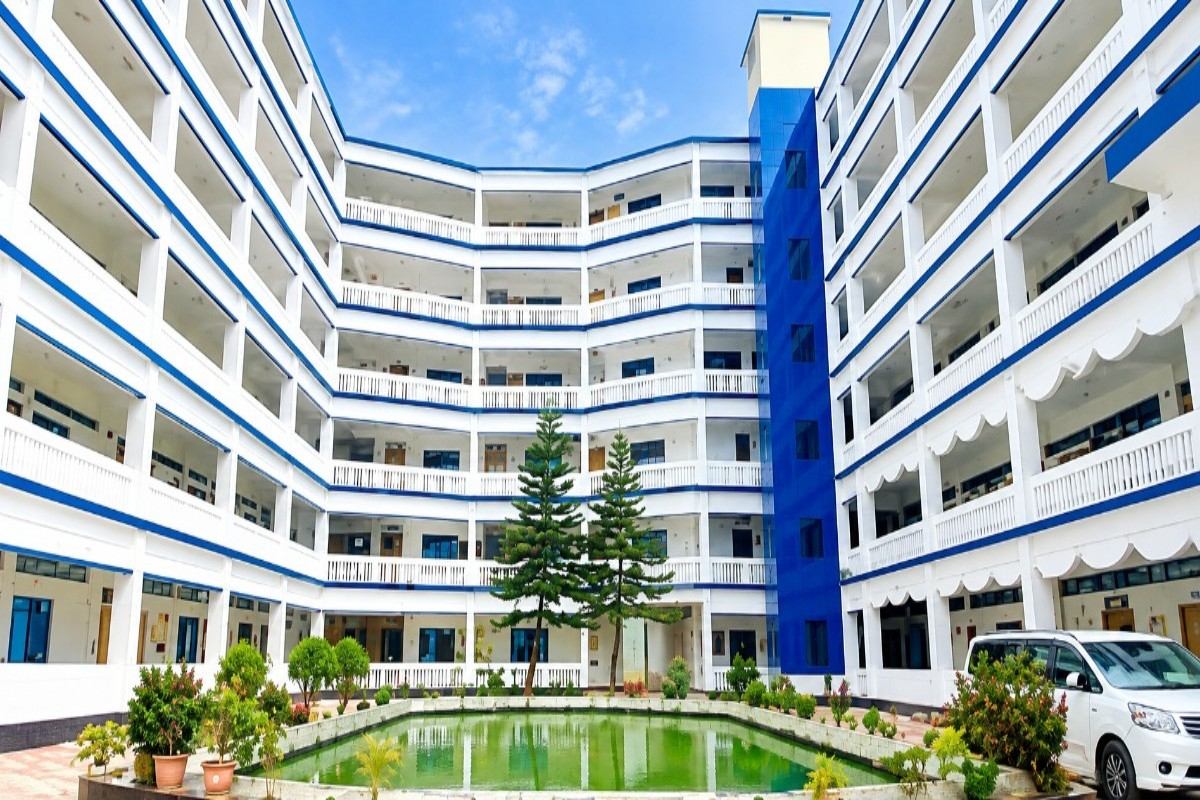
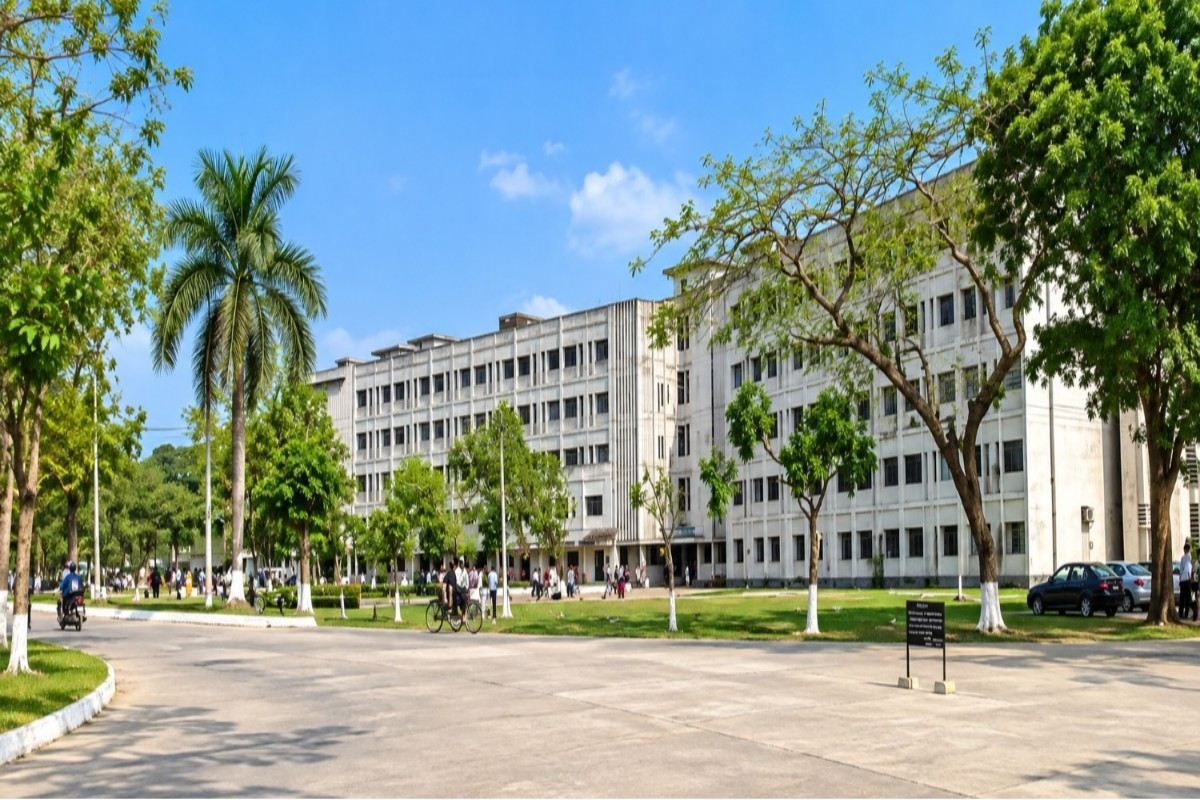
People mostly just call it STAMC for short. It is a government medical school, located in Gazipur, Bangladesh, affiliated with the University of Dhaka as a constituent college. Here is genuinely one of the most precisely dated renaming histories covered in guides like this one. The college was originally established on 18 November 2013 as Gazipur Medical College. Less than a year later, on 6 August 2014, it was formally renamed Shaheed Tajuddin Ahmad Medical College, honouring Tajuddin Ahmad, the first Prime Minister of Bangladesh.
Here is a genuinely fascinating, historically significant connection this profile has specifically confirmed. Tajuddin Ahmad was one of Bangladesh's own "Four National Leaders," senior Awami League figures assassinated together in Dhaka Central Jail in November 1975. This profile's own research has now traced at least two other medical colleges honouring fellow members of this same historic group: Shaheed M. Monsur Ali Medical College, Sirajganj, and Shahid Syed Nazrul Islam Medical College, Kishoreganj. This confirms a real, systematic Bangladeshi national commemorative naming pattern, deliberately honouring these four historic leaders across multiple medical colleges nationwide, rather than a series of isolated, coincidental namings.
A genuinely useful, specific detail worth knowing directly is that STAMC's own August 2014 renaming was reportedly part of a wider announcement covering three medical colleges renamed together at that time, per contemporary Bangladeshi news reporting. This suggests STAMC's own renaming was not an isolated administrative decision, but part of a considerably broader, coordinated government initiative to formally honour historic national figures across several institutions simultaneously. Given how genuinely rich this specific pattern has turned out to be across the sources reviewed throughout this whole series, applicants researching any single "Shaheed"-prefixed Bangladeshi medical college should genuinely expect to encounter this same commemorative naming convention repeated elsewhere.
STAMC currently admits 125 students annually into its own 5-year MBBS degree programme, taught in English, with 360 total undergraduates currently enrolled. The college is led by Principal Professor Dr. Jubaida Sultana, with Dr. Md Aminul Islam serving as Director.
Tajuddin Ahmad's own historical significance extends well beyond his brief premiership. As the first Prime Minister of the Mujibnagar Government, Bangladesh's own provisional government-in-exile during the 1971 Liberation War, he played a genuinely central role in organising and leading the country's own wartime governance during a period of considerable national crisis, a real, significant historical legacy directly honoured through this specific college's own name.
STAMC's own materials describe the college as developing a genuinely distinctive style of medical education, specifically equipped to address critical healthcare challenges facing Bangladeshi society, with a stated institutional focus on serving needy and underprivileged patients directly. The college's own stated ambitions specifically include strengthening its own research base and raising its own global academic prominence over time.
Bangladesh's own centralised medical college admission system applies to STAMC, with all Bangladeshi applicants competing through a single, simultaneous, nationwide multiple-choice examination administered by the Directorate General of Health Services, DGHS. NEET remains a genuine requirement for Indian applicants pursuing MBBS study at STAMC, and Indian graduates would still need to clear the FMGE or NExT exam to practise medicine back in India after completing their degree. The MBBS degree is recognised by the Bangladesh Medical and Dental Council, BMDC.
Gazipur itself is a genuinely significant industrial district within Bangladesh, home to considerable garment manufacturing and other industrial activity, alongside its own status as a rapidly growing part of the wider Dhaka metropolitan region. This gives STAMC's own students genuine, practical access to both a substantial local economic centre and reasonable proximity to Dhaka city itself, combining serious medical training with exposure to a genuinely dynamic, industrially significant Bangladeshi district.
STAMC's own stated institutional ambitions, specifically framed around strengthening its own research base and encouraging genuine diversity in academic perspectives, reflect a real, considered effort toward long-term academic development, beyond simply meeting the minimum requirements for BMDC approval and government recognition.
Given how genuinely this profile has connected STAMC to Bangladesh's own systematic "Four National Leaders" commemorative naming pattern, confirmed across multiple colleges researched throughout this whole series, applicants get a considerably richer, more historically grounded picture here than the generic "established in [year]" framing many comparable Bangladeshi government medical colleges rely on.
Fee figures here are based on the confirmed pattern reported at comparable Bangladeshi government medical colleges, since a specific STAMC-only itemised fee schedule was not separately published; the concrete estimates below give applicants real, usable numbers to plan around.
Cost Item | Amount | Notes |
Tuition Fee | Approx. USD 4,000-5,000/year | Based on typical fees at comparable Bangladeshi government medical colleges |
Hostel Fee | Approx. USD 500-1,000/year | Based on typical rates at comparable Bangladeshi government medical colleges |
Health Insurance | Approx. USD 100-200/year | Standard estimate for international student health coverage in Bangladesh |
Food/Meal Expenses | Approx. USD 100-150/month | Based on typical costs at comparable Bangladeshi district-town medical colleges |
Examination and Miscellaneous Fees | Nominal charges per semester | Standard, itemised cost confirmed across comparable Bangladeshi government medical colleges |
Total 6-Year Estimate (tuition + hostel + insurance) | Approx. USD 28,200-38,400 | Combined estimate across the full 6-year programme, based on the ranges above held stable year to year |
Note: as a government medical college, STAMC's own fees are typically considerably lower than at Bangladesh's private colleges. Request the college's own current, official, itemised fee schedule directly for the exact current-year rate.
Why STAMC Deserves a Harder Look Than You've Given It
Most lists mention Shaheed Tajuddin Ahmad Medical College only briefly among Bangladesh's government medical colleges. However, they do not explain its own genuine connection to a wider, systematic national naming pattern honouring Bangladesh's "Four National Leaders," or its own genuinely precisely dated renaming history. The reason is simple. It is about a real, historically significant naming pattern most guides skip entirely.
STAMC is not like most other Bangladeshi government medical colleges when it comes to how precisely its own renaming can be traced. In fact, the college's own official website specifically confirms an establishment date of 18 November 2013 as Gazipur Medical College, followed by a formal renaming on 6 August 2014. Furthermore, this genuine, precisely dated administrative sequence, considerably more specific than the vague "established in [year]" framing found at many comparable colleges, deserves direct acknowledgement.
The college's own connection to a wider, coordinated renaming initiative also matters more than most guides let on. For example, most guides describing a Bangladeshi medical college's own renaming present it as an isolated, standalone decision. STAMC's own August 2014 renaming was reportedly part of a wider announcement covering three medical colleges renamed together, per contemporary Bangladeshi news reporting. Moreover, this genuine, specific detail, combined with this profile's own cross-referenced discovery of at least two other "Four National Leaders" colleges researched elsewhere in this whole series, confirms a real, considerably broader, systematic government commemorative initiative.
One thing most other blogs miss is just how directly STAMC's own name connects to Bangladesh's own wartime governance history specifically. In addition to standard due diligence, Tajuddin Ahmad served as the first Prime Minister of the Mujibnagar Government, the country's own provisional government-in-exile during the pivotal 1971 Liberation War. Since this reflects a real, specific, and genuinely significant historical role, rather than a generic honorific naming, applicants get a considerably richer sense of STAMC's own historical significance here.