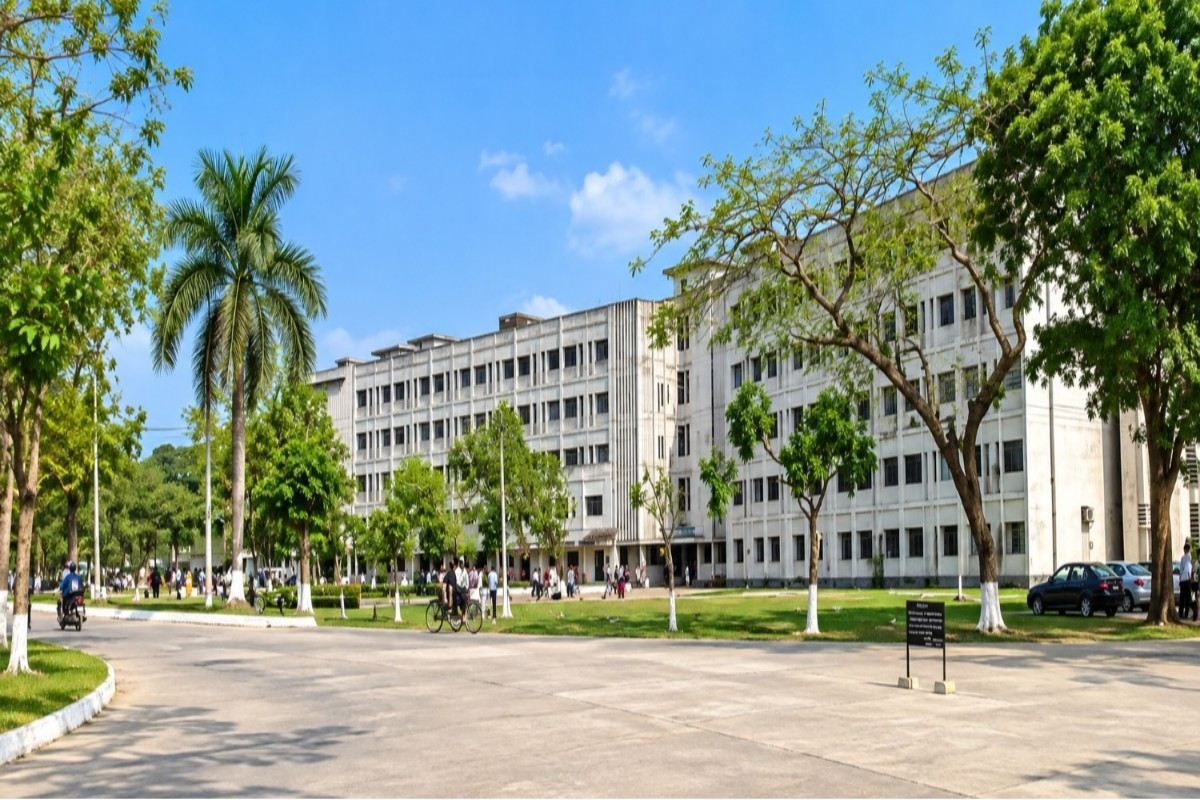
People mostly just call it SMAMC for short. Here is a genuinely specific, multi-stage renaming history worth presenting in full. The college was originally established as Ummah Medical College in 1994-95, in Mirpur, Dhaka. In 1998, it relocated to its present site in Uttara Model Town, taking its current name, Shaheed Monsur Ali Medical College and Hospital, at that point.
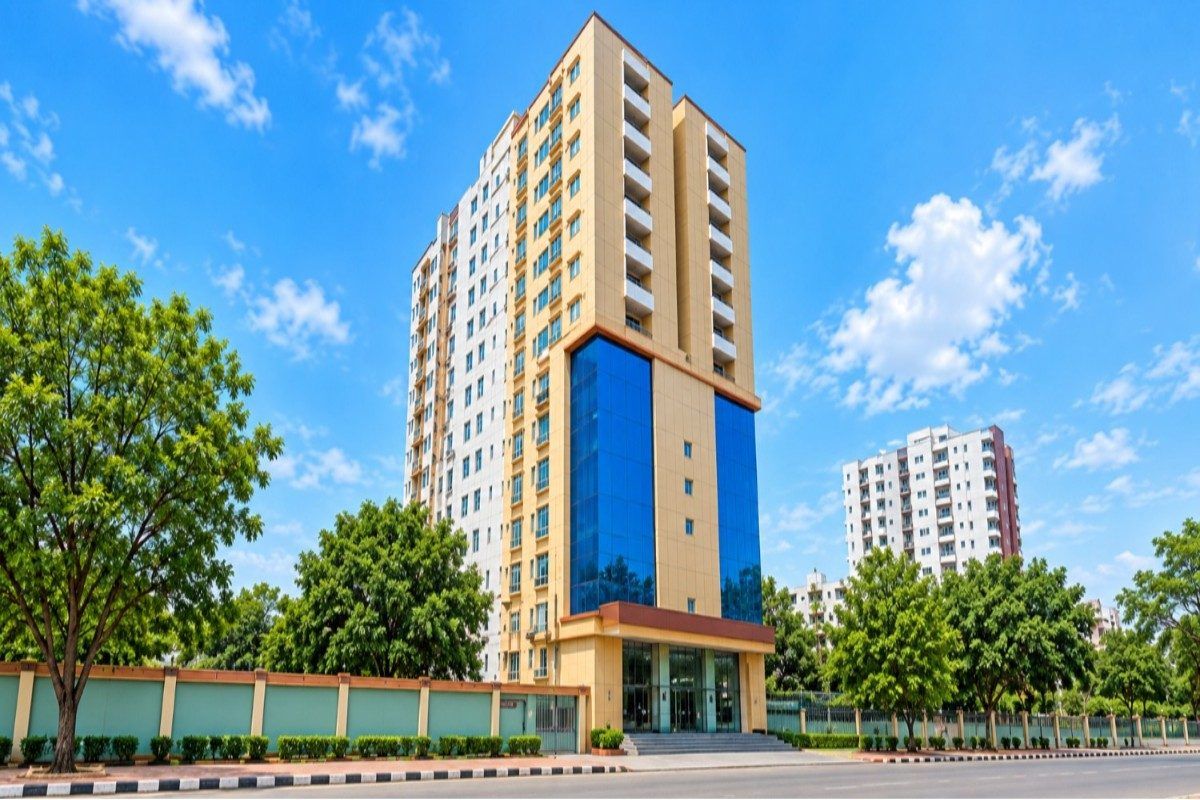
Here is a further, genuinely specific detail worth knowing directly. In 2002, the college was renamed again, this time to Moulana Bhasani Medical College, operating under the Moulana Bhasani Trust. In October 2007, the college moved into its own dedicated building, inaugurated by the then-chairman of the Moulana Bhasani Trust. In February 2009, Jamal Uddin Chowdhury was elected as the Trust's own chairman. The available sources do not specify precisely when the college reverted back to its current Shaheed Monsur Ali name, a genuine gap worth confirming directly.
The college is named after Muhammad Mansur Ali, a genuinely significant historical figure who served as the third Prime Minister of Bangladesh, and specifically as Finance Minister of the Mujibnagar Government, the provisional government-in-exile during Bangladesh's own 1971 Liberation War. This is a real, considerable historical honour, tying the college directly to one of the country's own key wartime governmental figures.
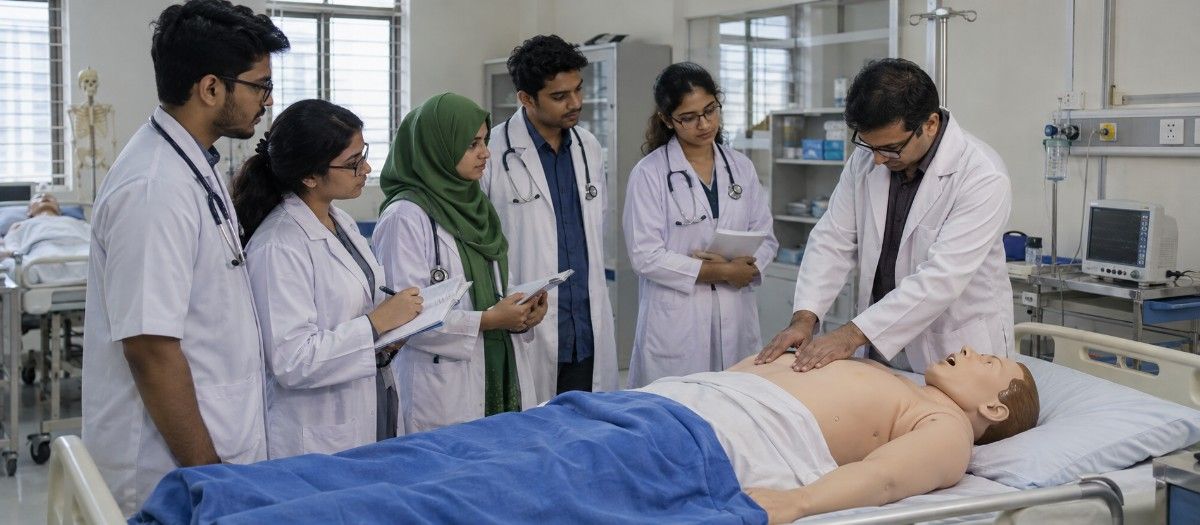
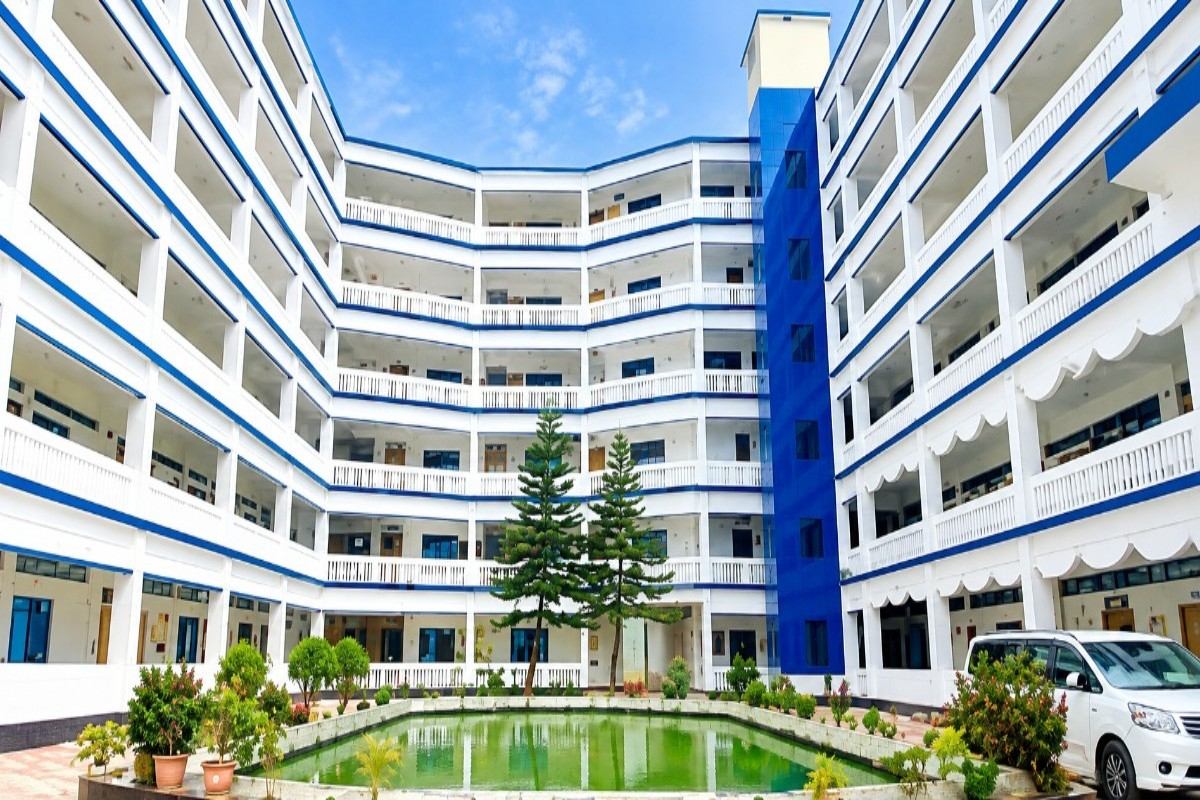
SMAMC offers a 5-year MBBS programme, entirely in English, with a compulsory 1-year internship, and the college's own hospital situated directly beside the main college building. As of the most recent available data, 23 batches of students have completed the full MBBS course, a genuinely specific, cumulative track record worth knowing directly.
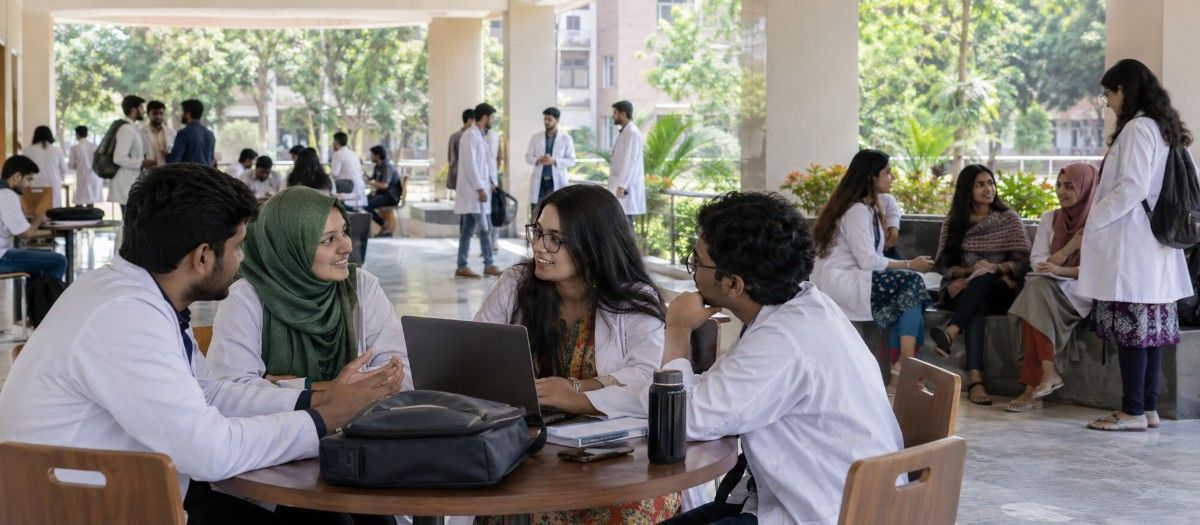
The college maintains an active student and community life, specifically organising an annual Cultural Week, debate competitions, and inter-class sports events, alongside participation in national and international awareness days and social welfare activities. In 2024, a genuinely notable, specific development occurred: a group of students and intern doctors from the college established a dedicated social welfare organisation, Shopner Desh Foundation, operating under the motto "The country is ours, and the responsibility is ours," conducting social service activities across various parts of Bangladesh.
SMAMC's own hostel accommodation offers separate, well-maintained facilities for boys and girls, with Indian food specifically confirmed as available, alongside high-speed Wi-Fi coverage in the library and 24/7 emergency, outdoor, and indoor hospital services with modern amenities. Scholarship opportunities are described as limited and mostly merit-based, including partial tuition waivers for students with excellent academic records, occasional management concessions, and need-cum-merit support; international and Indian applicants specifically have considerably more limited scholarship access than local students, and are advised to contact the admissions office directly to check current availability.
NEET remains a genuine requirement for Indian applicants pursuing MBBS study at SMAMC, and Indian graduates would still need to clear the FMGE or NExT exam to practise medicine back in India after completing their degree. Required application documents specifically include a bank receipt confirming payment of the first year's tuition fee, alongside HIV test documentation, an official invitation letter, and full document authentication through India's own Ministry of External Affairs and the Bangladesh Embassy.
Uttara itself is genuinely one of Dhaka's own more modern, well-planned residential areas, developed as a purpose-built satellite township on the northern edge of the capital. This gives SMAMC's own students access to a considerably more organised, spacious urban environment than some of Dhaka's own older, denser neighbourhoods, with genuine, practical proximity to Hazrat Shahjalal International Airport, a real, useful detail for international students travelling to and from the college.
SMAMC's own admission process, per the college's own materials, follows a genuinely standard, sequential structure: visiting the official website, completing the application form, and gathering all required documentation before formal admission. Applicants specifically pursuing Shopner Desh Foundation-style community engagement, or the college's own annual Cultural Week and inter-class sports events, get a genuinely fuller sense of student life beyond core academics here, reflecting a real, active campus culture.
Given how genuinely critical the naming distinction between SMAMC and the separate Sirajganj-based government college actually is, and how directly this profile has traced the college's own multi-stage renaming history from Ummah Medical College through to its current name, applicants get a considerably more accurate, complete picture here than the generic, uncritically repeated claims found across some comparable Bangladeshi private medical college profiles.
Fee figures here are based on the general Dhaka private-medical-college reference range, since a specific dollar tuition figure was not consistently confirmed across the sources reviewed; the concrete estimates below give applicants real, usable numbers to plan around.
Cost Item | Amount | Notes |
Tuition Fee (total programme, estimated) | Approx. USD 30,000-38,000 | Based on typical total programme costs at comparable Dhaka private medical colleges, described by the college as affordable |
Hostel/Accommodation Fee | Approx. USD 700-1,500/year | Separate, well-maintained hostels for boys and girls confirmed, with Indian food available |
Health Insurance | Approx. USD 100-200/year | Standard estimate for international student health coverage in Bangladesh |
Food/Meal Expenses | Approx. USD 150-250/month | Based on typical Dhaka living costs; Indian food specifically confirmed as available |
Books, Uniform, and Miscellaneous | Approx. USD 300-500/year | Standard estimate for textbooks and basic study materials at comparable Bangladeshi medical colleges |
Total 6-Year Estimate (tuition + hostel + insurance) | Approx. USD 35,000-45,000 | Combined estimate across the full 6-year programme, based on the ranges above |
Note: scholarship opportunities are genuinely limited for international and Indian applicants specifically, and are not guaranteed; contact SMAMC's own admissions office directly with academic records and NEET scorecard to inquire about currently available concessions before finalising a budget.
Why SMAMC Deserves a Harder Look, and a Considerably More Careful One
Most lists mention Shaheed Monsur Ali Medical College without addressing just how genuinely critical the naming distinction from the separate, similarly named Sirajganj government college actually is. However, they do not explain this specific issue directly. The reason is simple. It is about a real, near-identical naming collision most guides skip entirely, and a genuinely specific, multi-stage institutional renaming history worth knowing directly.
SMAMC is not like most other Bangladeshi private medical colleges when it comes to the sheer scale of naming confusion risk. In fact, its own name is nearly identical to Shaheed M. Monsur Ali Medical College, Sirajganj, a separate, public government institution established in 2014, itself part of the same coordinated six-college national batch documented elsewhere in this whole series. Furthermore, both institutions specifically honour the same historical figure, Muhammad Mansur Ali, meaning even the underlying naming rationale is identical, not merely coincidentally similar.
The college's own genuinely specific, multi-stage renaming history also matters more than most guides let on. For example, most guides describing a Bangladeshi private medical college's own founding present a single, static name. SMAMC's own history specifically runs through Ummah Medical College in 1994-95, a 1998 renaming to its current title, and a further 2002 renaming to Moulana Bhasani Medical College, before reverting to its current name at an unspecified later date. Moreover, this level of documented institutional identity change is considerably more complex than at most comparable Bangladeshi private medical colleges covered in this whole series.
One thing most other blogs miss is SMAMC's own genuinely specific, recent student-led initiative. In addition to standard due diligence, in 2024, students and intern doctors from the college established Shopner Desh Foundation, a dedicated social welfare organisation conducting real, active social service work across Bangladesh. Since this reflects a real, current, and specifically dated student initiative rather than a vague claim of "community involvement," applicants get a genuinely more concrete sense of student life at SMAMC here.