If you have scrolled through MBBS-in-China lists, you have likely seen Chifeng University's name pop up more than once. It shows up tagged as "cheap" or "budget-friendly," and that part is true. But there is more going on here than a low fee. It is worth slowing down to see what you would sign up for.
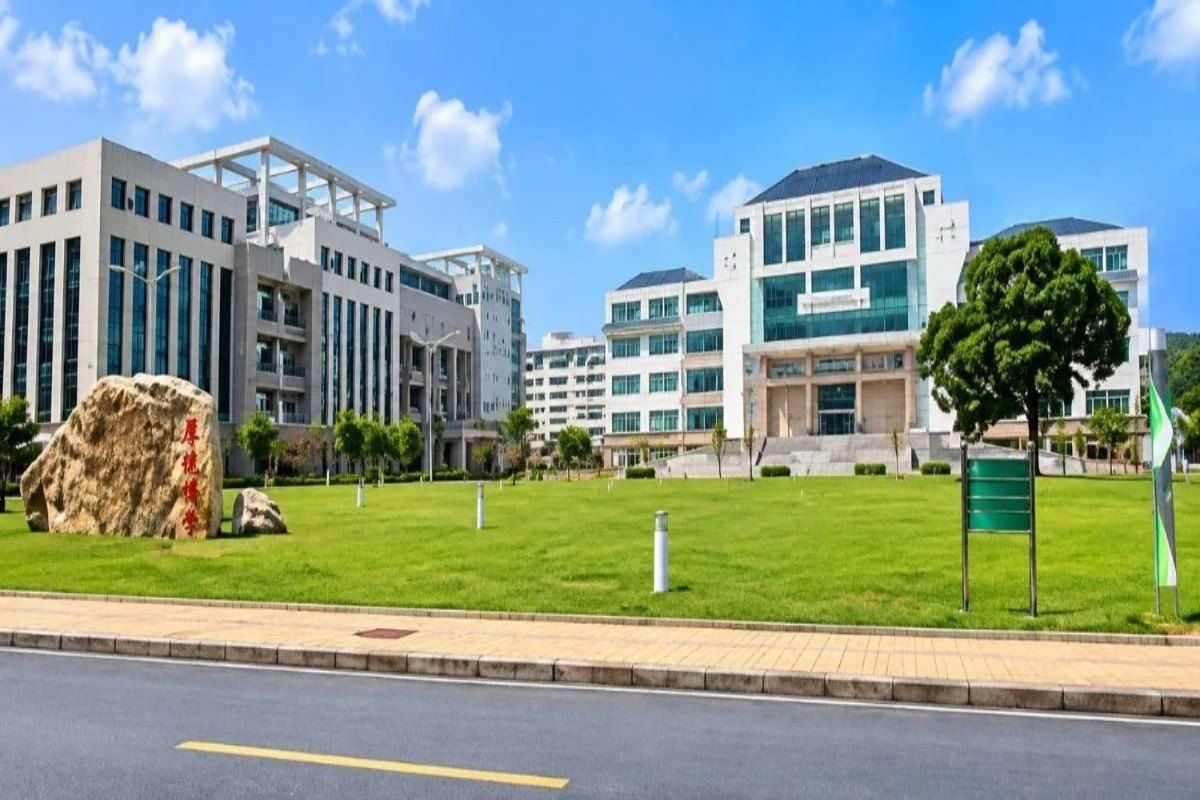
Chifeng University sits in Chifeng city. This is a mid-sized city in the Inner Mongolia region of China. The school itself began in 1950. The full story runs deeper than one start date, though. It grew out of a merger of older schools. This includes the well-known Chifeng Normal College of Nationalities. That old college had decades of history on its own. It had a strong local name before the merger even took place. So while the "Chifeng University" name is newer, its roots run far back. That fact matters when you judge how set up a place truly is.
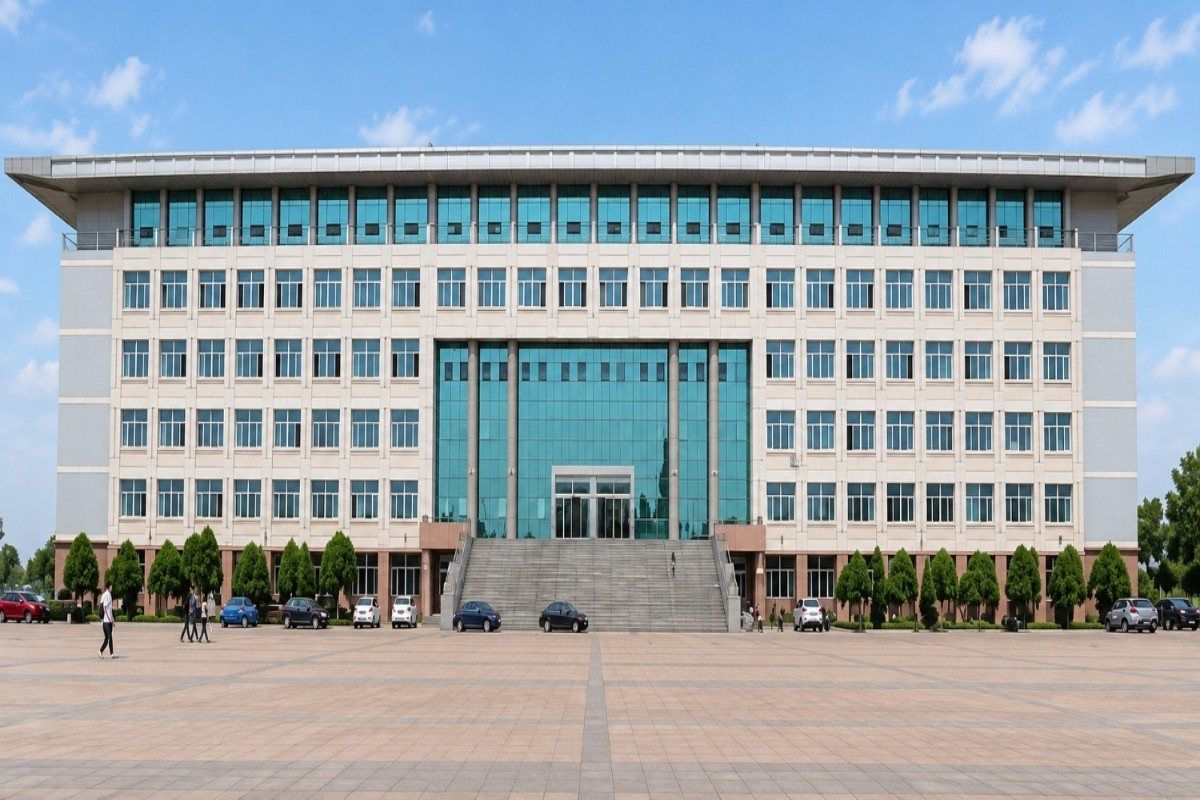
The Medical College sits as one part of a much larger school. This school runs 25 different colleges in total, spanning many fields. Know this upfront. You would not study inside a school built just for medicine. You would be one student in a much bigger, more mixed group. Some students like that mix. Others want a campus built only around medicine. Think about which fits how you like to study and mix with peers.
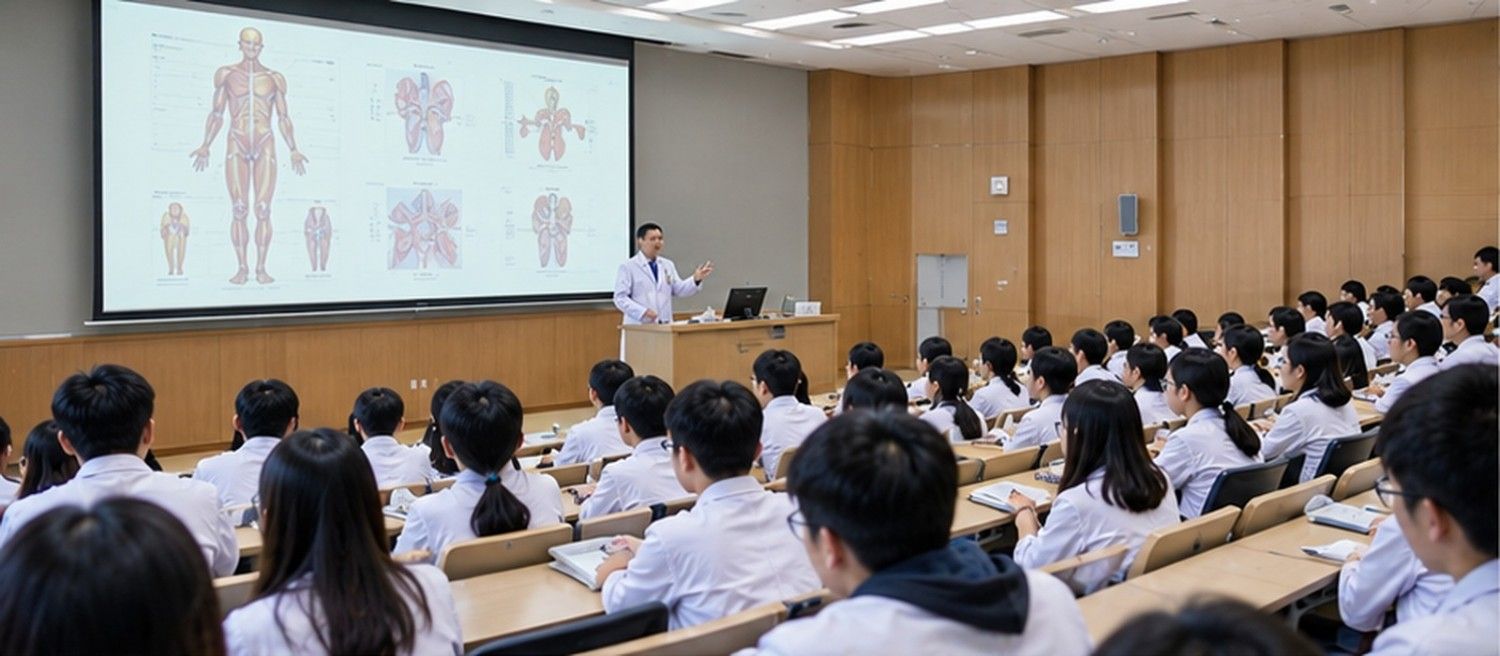
Now, on to the MBBS course itself. It spans six years in total. This splits into five years of class and lab work, then one year of clinic work. Most call this the "5+1" set-up. It stays fairly standard across Chinese medical schools. In the first years, you build your base. Anatomy, body function, and cell science come first. Only later do you shift toward ward work and hands-on clinic time. The final intern year brings the real shift. You move from lecture halls into wards. You work with real patients under watch.
Class runs in English for those from other lands. This clears one big block right at the start. You will not need Chinese before your first class. That said, most sources agree on one point. Pick up some spoken Chinese as you go. Life gets easier once you start to work more with local staff and patients in your clinic years. Treat it as a skill worth building step by step. Do not skip it and hope to feel at ease later.
Here is where things get truly good for many. The cost. Chifeng ranks among the more low-cost MBBS spots in China. Fee data across sources sit near 18,000 to 30,000 CNY a year. This runs well below many other Chinese medical schools near 40,000 CNY a year. On top of the fee, small charges apply for lab work and study items. A small stay fee also applies if you live in the school dorms. None of this comes close to what a private medical school costs in many lands. For homes on a tight budget, this is a true, real plus. It is not just an ad line.
Support for those from other lands has been part of the school for a while now. The plan for foreign medical students began in 2001. The school has since sent out many groups of these students. This spans a good count from Nepal, plus more from Pakistan and other parts of the world. Well over a hundred foreign students now sit in the MBBS course. Grad-level plans run there too. This is not a new test run. The school has had two decades to build its systems. This spans visa work, first-week aid, and day-to-day help for those who come from abroad.
Ward time stands out here too, more than the school's size might hint. Sources note more than 80 tied hospitals and clinic sites. These sites serve foreign medical students for intern time and ward rounds. That spans wide for a school of this size. It means you do not sit stuck at just one or two spots for your key hands-on years.
On the rank side, sources note Chifeng's medical plan holds ties to the World Health Body, FAIMER, and WDOMS, plus China's own state school board. Grads can also sit for tests like USMLE, PLAB, and AMC. This counts if you plan to work in a land past China one day. That said, treat rank claims from agent sites as a start point, not final proof. Check the school's live WDOMS spot on your own. Check what your home land's medical board asks of a foreign degree, too, well before you pay a cent.
For those from India, one step sits past what the school can fix. You must clear NEET-UG to take up a first medical degree from abroad. Your course must fit the live NMC Foreign Grad rules too. These rules touch on course length, how the intern year runs, and if class in English meets the mark. None of this sits unique to Chifeng. But check it well here, since fee sets and intern set-ups can shift a bit by year. Old posts online may not fit your own batch.
So where does this leave you? Chifeng University Medical College gives a true low-cost path to a six-year, English-run MBBS. It comes with two decades of work with those from abroad and a wide net of wards for hands-on time. It does not sit in a big-name, well-known city. It forms part of a wide, multi-field school, not one built just for medicine. But if you rank cost, set aid for those from abroad, and firm ward spots high on your list, it stands as a real pick, not just one more name on a cheap list. As with all such picks, check the live fee for your own batch, and check your NMC path fits well before you pay.
Why Chifeng University Medical College Deserves a Harder Look Than You’ve Given It
Most lists mention Chifeng only as a cheap option and move on quickly. However, they rarely explain what backs up that low price tag. The reason is simple: it is about how long this university has actually been working with international medical students.
Chifeng is not a new programme scrambling to attract foreign fee income. It has run its foreign medical student track since 2001, and it has already produced multiple graduating batches, including a strong presence of Nepali students who came before you. As a result, the university’s visa processes, orientation systems, and day-to-day support structures are proven over more than two decades, not something built last year to chase enrolment numbers.
The affordability also holds up better than most budget-focused pages explain. For example, tuition here sits meaningfully below the 40,000 CNY per year charged by several other Chinese medical universities, while still delivering a full six-year English-taught MBBS. Moreover, this gap matters a lot across six years, since even a small annual saving compounds into a significant total difference by the time you graduate.
Furthermore, the clinical training network spans more than 80 affiliated hospitals and practical training sites, which is widespread for a university of this size. Because students rotate across such a large hospital network, they are not stuck cycling through the same limited set of departments for their entire internship year.
One thing most other pages miss is the value of studying inside a genuinely multi-subject university rather than an isolated medical campus. In addition to medical training, students at Chifeng share a campus with learners from 25 different colleges, giving them a broader, more varied university experience than a single-purpose medical school can offer.