
1. Is this program taught in English?
+Yes, fully English-medium throughout the degree.
 Philippines | Est. 1921
Philippines | Confirmed on CHED's (Commission on Higher Education) official approved medical schools list. Affiliated teaching hospital (CGHMC) is separately accredited by CHED for medical clerkship and by the Association of Philippine Medical Colleges (APMC) for postgradua | English medium
Expert will call you within 2 hours
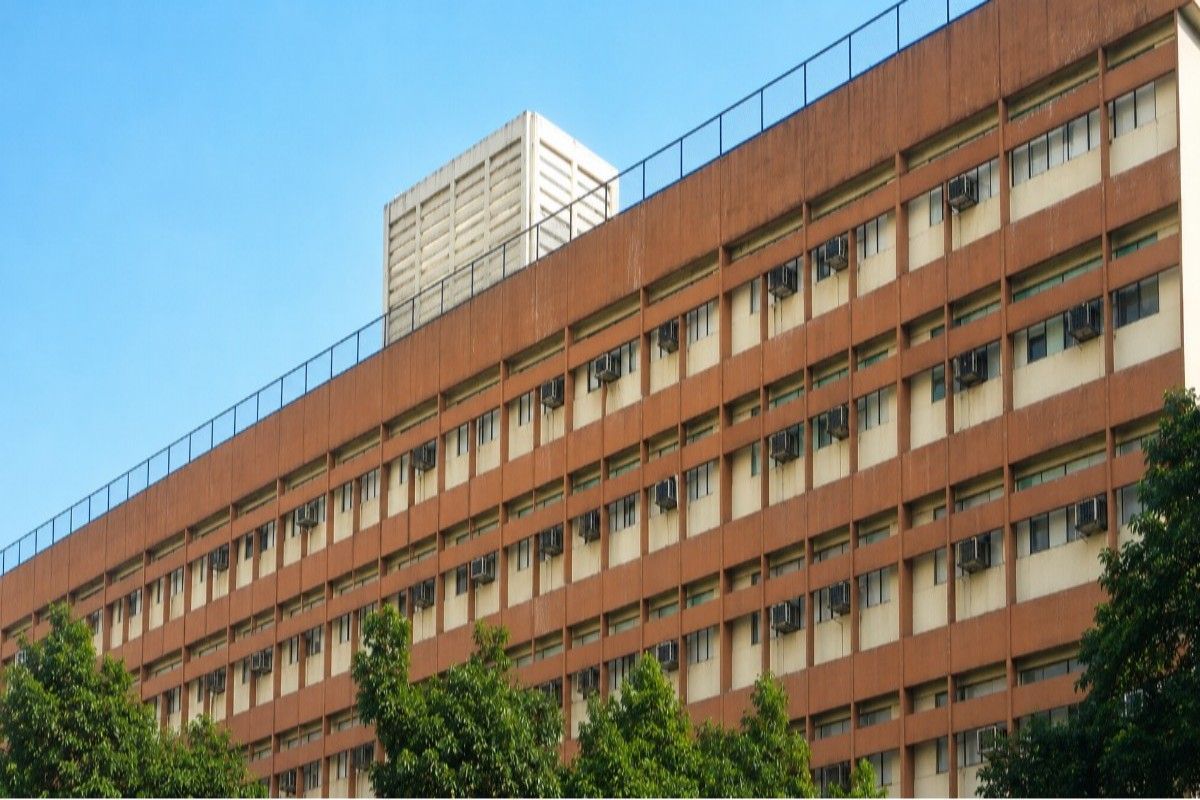
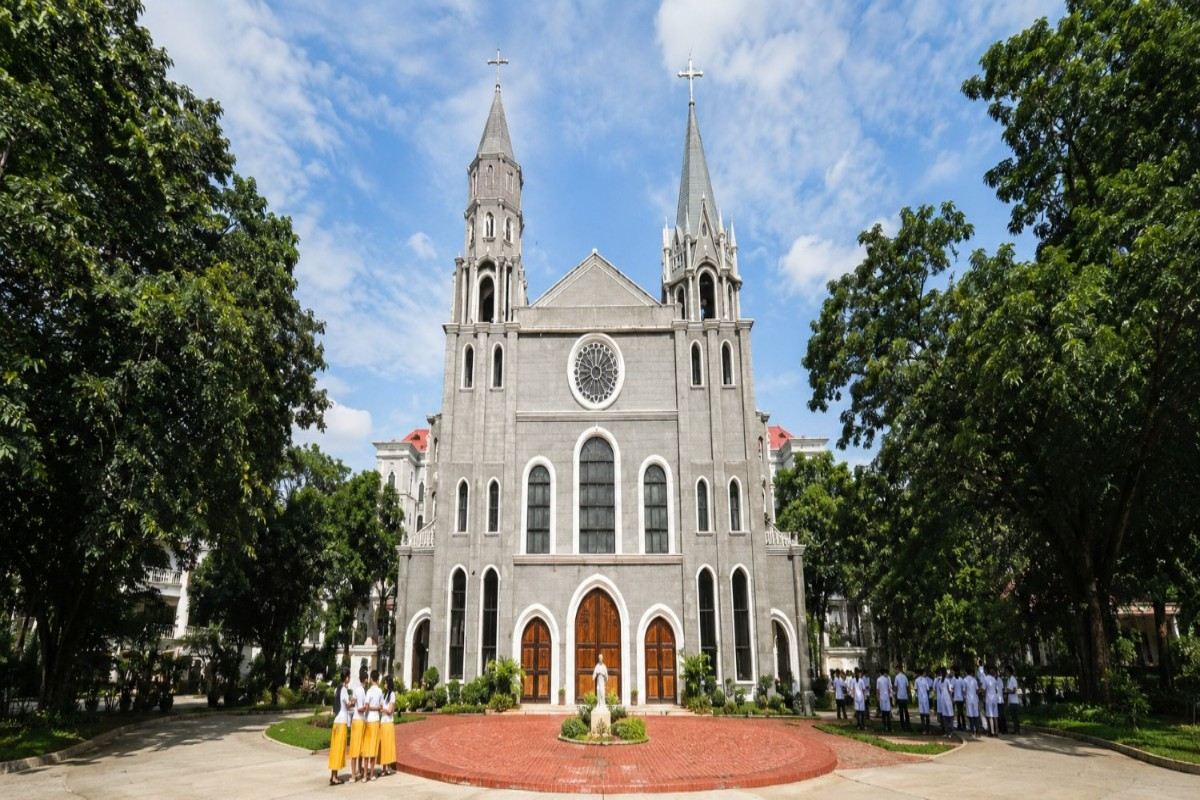
On Blumentritt Street in Santa Cruz, Manila, you can find the Chinese General Hospital Colleges. A lot of people just call it CGHC. The story begins in 1921. It wasn't medicine at first. It began with care. Dr. Jose Tee Han Kee had an idea that year. At the time, he was in charge of the Chinese General Hospital. He wanted to teach nurses how to help the Filipino and Chinese people in the right way. He built the school with the help of three doctors. Dr. Tee Han Kee then reached out to people in other places. He asked the Missionary Sisters of the Most Holy Trinity to help him. Their homes were in Hong Kong and Canton, China. They came in groups of five for the first time in August 1921. The first person in charge of the school was a qualified nurse named Praxedes Co Tui. The Philippine General Hospital was where she learned how to do her job. This is how the Chinese General Hospital School of Nursing got its start.
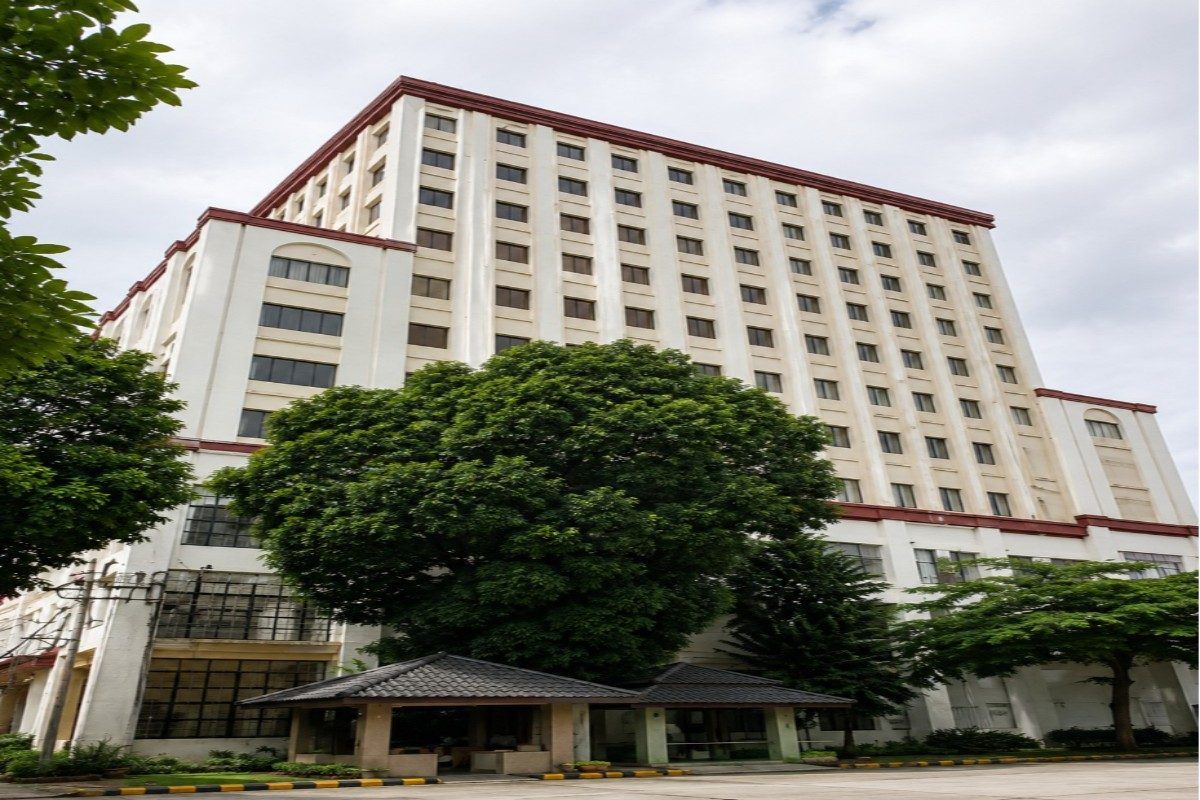
For many years, CGHC only cared about nursing. In the 2010s, growth sped up. The school got its present name in 2010. It changed its name to Chinese General Hospital Colleges. This meant that health studies got more attention. There were also accounting and business skills. Along with this change, the foundations for a new building were laid. A main building with 12 stories went up. After that came a three-story addition. In his role as President and Chairman, Dr. James Dy oversaw this growth. Then, CHED accepted a bunch of new programs all at once. It became possible to get a Diploma in Midwifery in 2012. A BS in Psychology and a BS in Medical Technology also did. In 2013, he got his BS in radiologic technology. A license for a BS in physical therapy was given out in 2016. It opened to its first students in 2018, after the country's K–12 school changes had taken hold. Then, in 2017, CGHC opened its medical school. Along with that, a STEM strand for senior high schools began. One thing really makes this College of Medicine stand out. Traditional Chinese Medicine is an important part of its Doctor of Medicine program. At the moment, no other medical school in the Philippines does this.
Today, CGHC is a private school that doesn't sell stock and doesn't make money. It is owned and run by the Philippine Chinese Charitable Association. This group is often just called PCA. It has more than 1,400 students in all of its programs. This number comes from the school year of 2022–2023. The school has also gotten a lot of attention for reasons other than medicine. The Professional Regulation Commission said that CGHC was the best nursing school in the Philippines. That really is a good outcome. After all, this whole place started out as a nursing school more than one hundred years ago.
The hospital where CGHC's medical students do their clinical work is also where they learn. Call it CGHMC for short. This is the Chinese General Hospital and Medical Center. The college is right next to this hospital. They both meet at the same place on Blumentritt Street. It has room for 600 beds. The hospital is open to everyone as a district general hospital. This isn't a private teaching site closed off from the community. CGHMC carries real institutional accreditation of its own. CHED, the Commission on Higher Education, accredits it for medical clerkship training. It is also approved by the Association of Philippine Medical Colleges (APMC). This includes training for internships after college. Beyond this, CGHMC runs full residency training programs. Internal medicine, surgery, pediatrics, obstetrics and gynecology, radiology, anesthesiology, and clinical and forensic pathology are some of these fields. On top of these, there are more fellowships. Partnerships are another way to get more clinical exposure. Ophthalmology, otorhinolaryngology, and rehabilitation medicine are all included. The National Mental Hospital and Psychiatry work together as a team. Quezon City Health Centers and Community Medicine work together. CGHMC makes it clear that it has one thing that no other hospital in the country does. As part of its training, it is the only hospital in the country that teaches Traditional Chinese Medicine. This has everything to do with the college's unique academic focus.
There is a standard way to teach medicine in the Philippines, and CGHC's school is the same. This is very different from a number of the other schools we've talked about in this series. Students at those schools start a six-year program as soon as they finish high school. People who want to become doctors in the Philippines need to do something different first. They need a finished bachelor's degree. This degree usually includes specific pre-medical coursework in the sciences. Only then can they apply to a College of Medicine. Once admitted, the MD program itself usually runs four years. A mandatory one-year internship follows this. After that, a graduate can sit the Philippine Physician Licensure Examination. For international students, especially those from India, this graduate-entry structure matters. It means total time to a licensed medical degree runs longer here. This holds true once you figure in the undergraduate degree needed first, compared to direct-entry six-year programs elsewhere.
On cost, this profile could not find one single, clearly published Doctor of Medicine tuition figure for CGHC specifically. Multiple sources note this directly too. This is clear advice from a source that focuses on education. Don't trust estimates from other people. Instead, go to CGHC's admissions or accounting office and ask for the most up-to-date Doctor of Medicine fee schedule. The costs can change from year to year. The fees for medical programs are often set up differently than the fees for undergraduate programs. That is good, useful advice, and this profile directly backs it up. There is a lot of other documentation from CGHC in this profile. The story of how it was founded is true. All of its CHED program approvals look good. Its hospital's accreditation also seems to be valid. All of this means that the missing public tuition number is probably just how fees are shown in the Philippines. It doesn't mean there are bigger problems with the school's legitimacy.
In this case too, location is very important for day-to-day student life. The CGHC is in Santa Cruz, a busy area in the middle of Manila, the capital of the Philippines. There are real, useful things to think about when you live and study in Manila. A quieter provincial city simply wouldn't raise these same issues. Managing commute time, meals, and rest becomes a genuine skill in itself. This can directly affect academic performance during demanding clinical rotations. Students wanting to live off-campus should think ahead. Prioritise housing with predictable travel times to the Blumentritt and Santa Cruz area. Look for safe, reliable transport choices too. Easy access to affordable food counts as well. Medical students rarely have free time to cook regularly during exam weeks or clinical blocks.
Put simply, CGHC offers a truly distinctive medical education inside the Philippines' capital city. Its century-long institutional history gives it real weight. Its CHED-confirmed program approvals back this up. Its own accredited, 600-bed teaching hospital gives further substance. All this sits well beyond its relatively young 2017 launch date for the medical program specifically. Its integration of Traditional Chinese Medicine into a standard MD curriculum is truly rare. This appeals to students with a specific interest in that area alongside conventional medical training. For a student weighing this choice, the homework stays straightforward. Confirm exact current tuition directly with the school first. Then think carefully about whether Manila's busy, urban pace fits your own preferred pace of study. This is very different from other medical schools in the Philippines, which are located in quieter, more rural areas.
No hidden charges, no donation. The full picture of costs at MBBS in Chinese General Hospital Colleges College of Medicine.
Tuition Fee
PHP 402,000–710,000
PHP 200,000–260,000
Hostel Fee
PHP 72,000–180,000
2,400 USD
Food & Meals
1,800 USD
per year
Insurance
300 USD
per year
Donation
No donation
No hidden fee
Total Estimated Cost
PHP 402,000–710,000
per year
25–35%
Average FMGE first-attempt pass rates for students from many overseas medical universities. Students from structured programs consistently score higher.
Students returning to India need to clear the FMGE/NExT exam. MBBS in Chinese General Hospital Colleges College of Medicine integrates exam-oriented coaching into the regular curriculum so students are prepared from day one.
A structured program that takes you from foundational sciences to clinical mastery.
Introduction to patient care, medical ethics, professionalism, communication, clinical skills, community medicine and the foundations of Traditional Chinese Medicine.
Integrated study of gross anatomy, histology, embryology, physiology, biochemistry, molecular medicine, medical genetics and neuroscience.
System-based study of disease with physical examination, clinical reasoning, case discussions, simulation exercises and integrated Western and Traditional Chinese Medicine concepts.
Pathology, microbiology, parasitology, immunology, pharmacology, pathophysiology, laboratory medicine and diagnostic principles.
Additional exposure to radiology, neurology, dermatology, ophthalmology, otorhinolaryngology, emergency medicine, preventive medicine and multidisciplinary patient management.
Core clinical disciplines including internal medicine, surgery, paediatrics, obstetrics and gynaecology, psychiatry, family medicine and community medicine.
Clerkship responsibilities include ward work, outpatient care, emergency exposure, case presentations, clinical documentation, procedural skills, multidisciplinary conferences and competency assessments. The programme includes training in both Western medicine and Traditional Chinese Medicine.
Full-time supervised clinical rotations through major departments at the Chinese General Hospital and Medical Center and other approved clinical training sites.
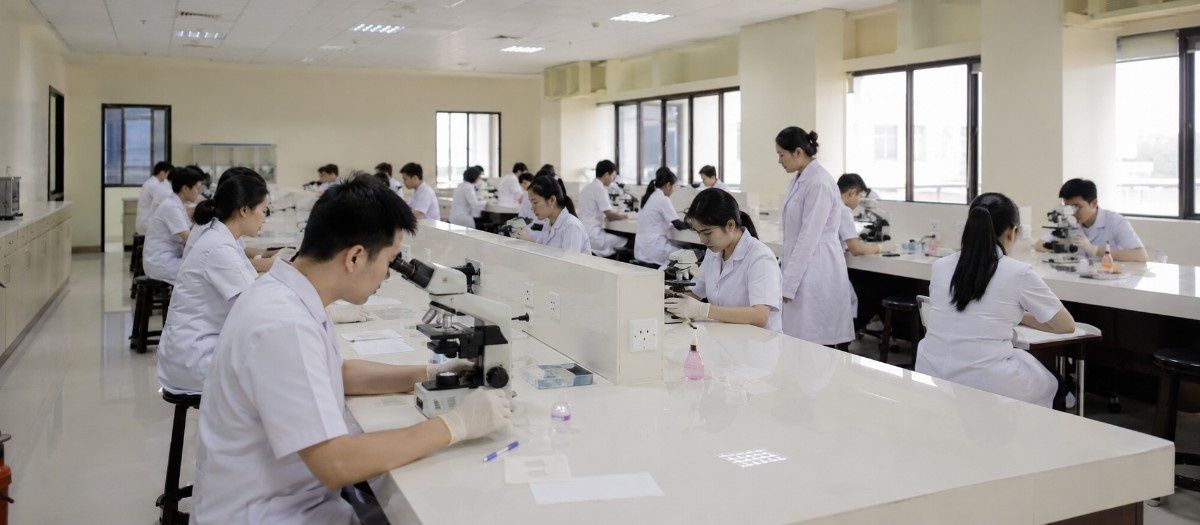
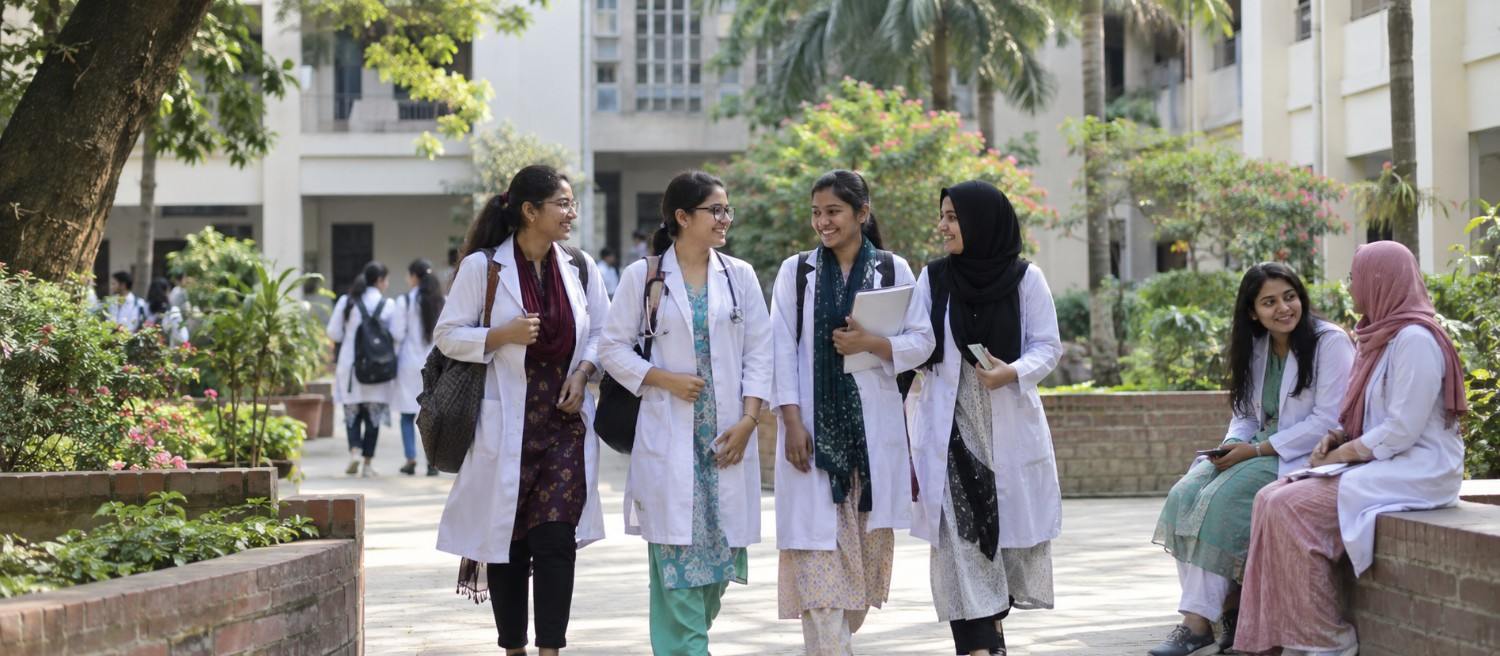
Furnished hostel rooms with Wi-Fi, laundry, 24/7 security, and Indian mess on or near campus.
Indian restaurants and mess facilities serving vegetarian and non-vegetarian home-style food daily.
Strong Indian community with cultural events, festival celebrations, and peer support groups.
Students get hands-on clinical training in government and private hospitals affiliated with the university.
Practical information for students planning to study at MBBS in Chinese General Hospital Colleges College of Medicine.
Prepare for all seasons. Thermal wear for winters, light clothing for summers. University provides heating in hostels.
Student visa processed with university invitation letter. Direct and connecting flights from major Indian cities.
Health insurance included in fees. Medical facility on campus plus city hospitals easily accessible.
Local SIM cards available. WhatsApp and video calls keep you connected with family back home.
Average monthly expenses of $150–$250 covering food, transport, and personal needs.
University library, online databases, and study groups. Seniors mentor juniors through academic challenges.
Our team guides you through every step — from application to arriving on campus.
The first step is to have a free phone counselling session. This is not a sales promotion or sales pitch. Here, we analyse all the universities mentioned side by side. We go through FMGE rates, total fees, city life, and whether the USMLE or NExT path better suits your goals. Most students walk out of this call with a clear first choice and a backup.
Once you pick a university, we will hand you a Philippines-specific document checklist. It is not a generic list. Every item on it is there for a reason, either for the university application, the 9(f) visa conversion, or the ACR I-Card registration. We check everything before a single paper goes anywhere.
Your application goes directly to the university through our partner channel. Most students get an acceptance letter within 10 to 21 days. However, December intake applications move faster than June ones, so timing matters. We follow up on all applications and will be in touch if there is any delay.
Once you receive your offer letter, we will have an in-depth discussion with you on the fees charged. The first instalment of fees will be deposited without any ambiguity. What you pay, when you pay, and what it covers, all of it is clear before any money moves.
Indian students do not need a pre-departure visa for the Philippines. You enter visa-free for 30 days. However, the 9(f) Student Visa conversion must start within the first week of arrival; it is time-sensitive. We also advise on the best flight route, whether Cebu or Manila, depending on your university.
About a week before you fly, we do a full pre-departure briefing. We cover accommodation options, campus location, Indian food sources near your university, how to transfer money from India, which SIM card to buy, and what the first week on campus actually looks like—students who attend this briefing land in the Philippines significantly less stressed than those who skip it.
On arrival day, our local team in the Philippines meets you at the airport, whether in Cebu or Manila. You are not landing in a new country alone. Someone who knows the ground is there from the first minute.
Within the first week, the 9(f) visa conversion process starts. Our team submits your documents to the Bureau of Immigration and closely tracks your application. The ACR I-Card, your official alien registration card, is processed at the same time. This step is strictly managed because delays here cause real problems later.
By the end of Week 2, your university enrollment is complete, your hostel room is confirmed, and your BS pre-medical orientation is done. You know your timetable, your faculty, and where everything is. Furthermore, our team has already flagged your NMAT preparation schedule, so there will be no surprises at the bridge stage.
After enrollment, our on-the-ground team in the Philippines stays in contact throughout all six years. If there is a university issue, a hostel problem, a visa renewal, or a health concern, there is a local contact to call. Moreover, from Year 3 onward, our FMGE and USMLE coaching track begins, because academic support does not stop at the airport.
Admission Helpline — Contact our counsellors for step-by-step assistance.
“The faculty here is incredibly supportive. The clinical training during hospital rotations has given me real confidence in patient care.”
“Affordable fees without compromising on quality. The campus facilities and hostel life made my transition abroad very smooth.”
“English medium instruction and WHO-recognized curriculum were the deciding factors for me. No regrets so far — excellent experience overall.”
“The university helped with everything from visa to accommodation. Hospital exposure from year three has been invaluable for my FMGE prep.”
“Just cleared my licensing exam on the first attempt. The structured coaching and mock exams during final year were a game-changer.”
“Safe campus, good food options, and a strong Indian student community. The teaching methodology is very practical and hands-on.”
Yes, fully English-medium throughout the degree.
Yes. Standard Philippine medical school admission generally requires the NMAT, the National Medical Admission Test, alongside a completed bachelor's degree.
Yes, per standard National Medical Commission rules for studying medicine abroad.
Not published as a single confirmed figure anywhere. Request the current MD fee schedule directly from CGHC's admissions or accounting office before making financial plans.
Yes. CGHC is confirmed on CHED's official approved medical schools list, and its teaching hospital carries separate CHED and APMC accreditation.
At the Chinese General Hospital and Medical Center (CGHMC), a 600-bed teaching hospital directly on-site, right next to the college.
It integrates Traditional Chinese Medicine into its standard MD program, the only medical school in the Philippines to do so.
Yes. Philippine medical education generally requires a completed bachelor's degree with pre-medical coursework before MD admission, unlike direct-entry six-year programs elsewhere in this series.
Busy and urban. It requires careful planning around commute, meals, and rest. Most students arrange off-campus housing near the Blumentritt and Santa Cruz area.
Students who already hold or are completing a bachelor's degree, are drawn to Manila's urban setting, and have a specific interest in Traditional Chinese Medicine alongside conventional clinical training.
Our expert counsellors will guide you through the complete admission process — from documents to airport pickup.