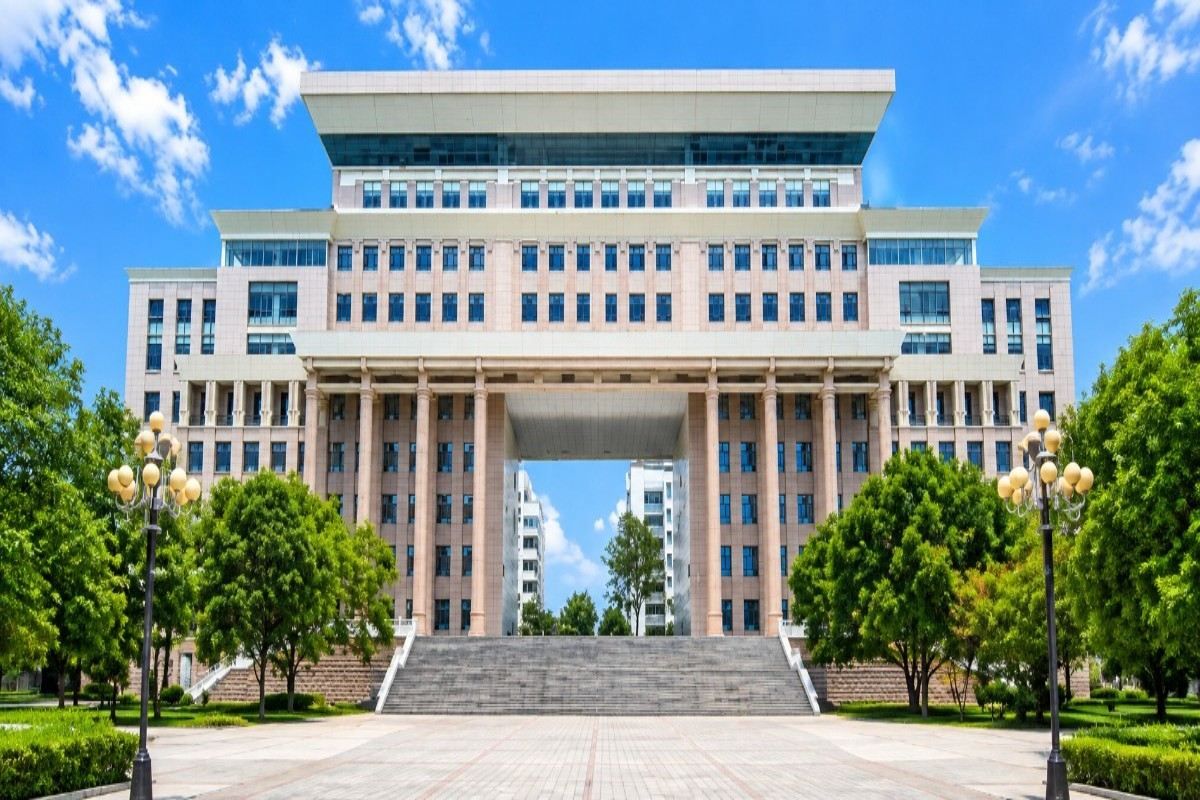
If you have been comparing budget MBBS spots in China, stop for a second. CUHK-Shenzhen is not one of those schools. It sits in a whole different class. This gap matters a lot. Know it before you get your hopes up on fees or easy entry.
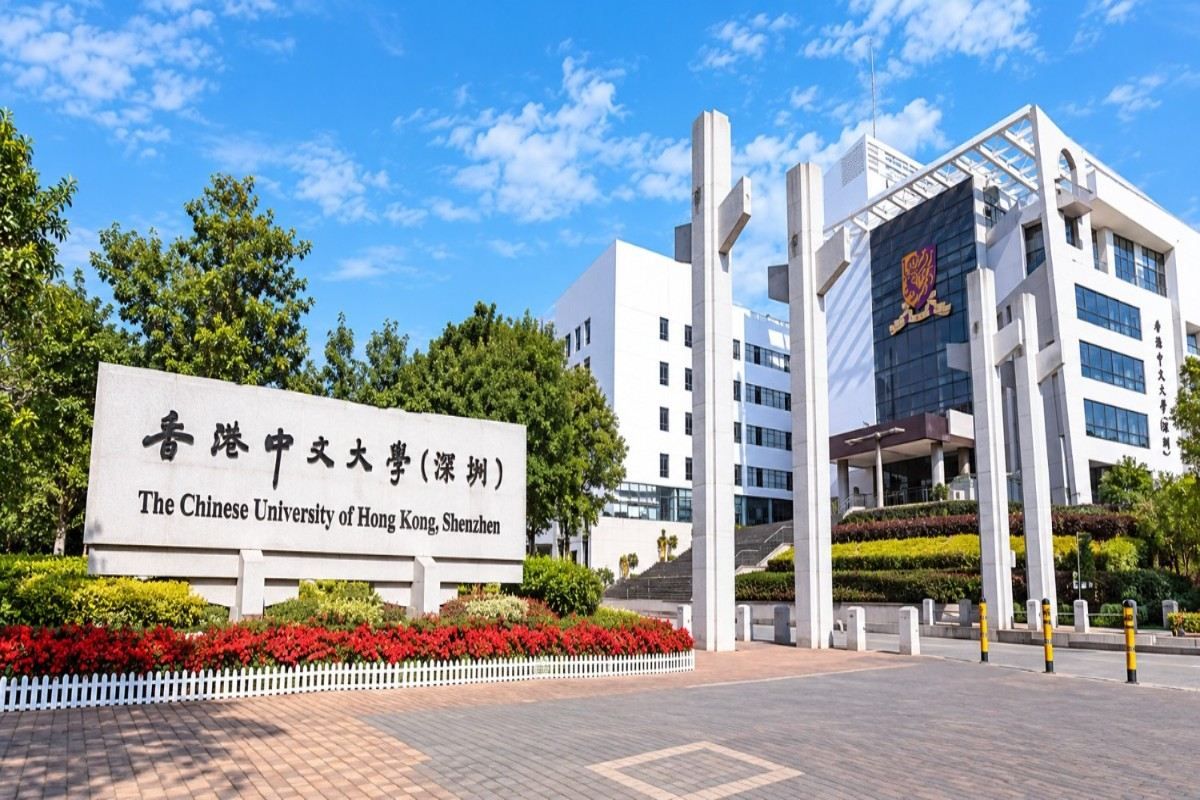
Let us start with what this place is. The Chinese University of Hong Kong, Shenzhen goes by CUHK-Shenzhen or CUHK-SZ for short. It was set up in 2014. It came out of a tie-up between the well-known Chinese University of Hong Kong and Shenzhen University. China's own Ministry of Education gave it the nod. CUHK calls its Hong Kong and Shenzhen sites "one brand, two campuses." Both share the same Senate. Both share the same academic set-up. Both share the same course design too. So this is not some loose spin-off school. This is a full arm of a real, well-known Hong Kong school, built inside mainland China.
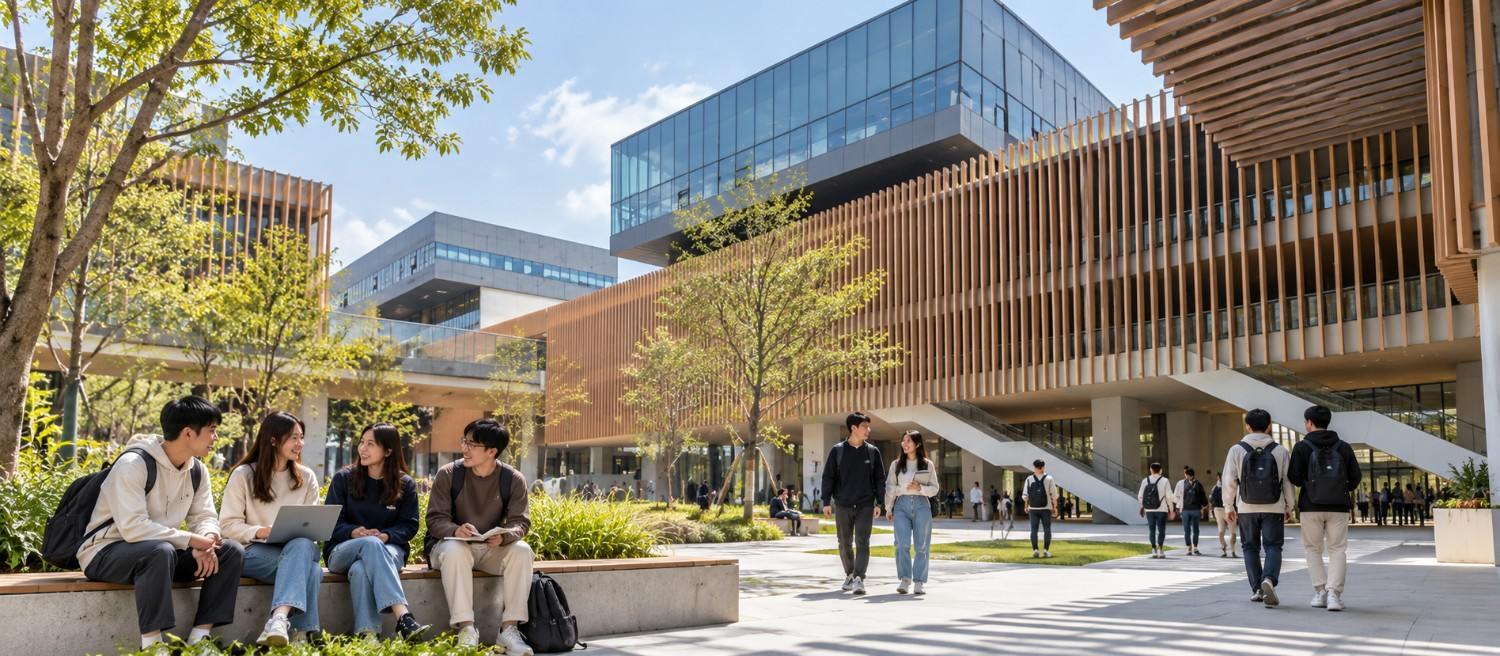
The school has grown fast. It now holds more than 12,000 students. It has close to 600 staff on the teaching side. It runs over 20 courses fully in English. It draws in what the school calls the top 1 percent of local Chinese students. That one fact tells you a lot. This is not a school built to fill seats. This is a school built on real skill checks.
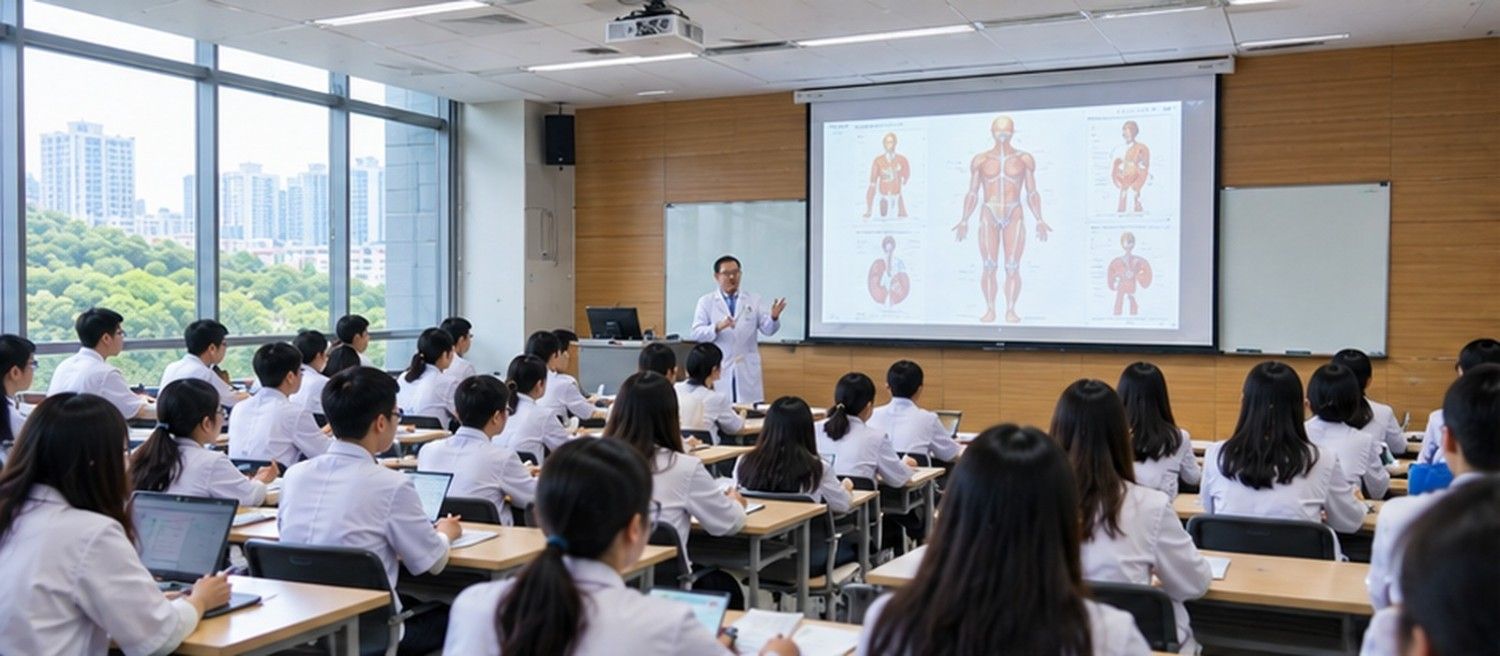
Now, on to the medical side. CUHK-Shenzhen runs a School of Medicine. It offers a Clinical Medicine course at the first-degree level. This spans six years in full. The first two years build the base. You cover body function, cell science, body form, and tissue growth. Then comes disease science. This forms the bridge from base science to ward work. The last three years shift toward clinic work. You train hands-on inside real hospitals. At the end, you walk out with two degrees, not one. One comes from CUHK-Shenzhen itself. The other comes from CUHK in Hong Kong. This dual set-up is rare. It stands as a real plus if world rank means a lot to you.
Entry here is no easy task. You need a strong base in bio and chem. The school will not take you from an arts or trade track for medicine. English test marks must hit a set bar too, on tests like the SAT, ACT, and Cambridge exams. Most who apply, unless cut on paper, sit through a face-to-face talk. This feels close to how top Western medical schools pick students. It is not like the simpler entry paths used at many other China medical schools built for foreign students.
Here is a fact that trips up many who apply. English is the main class language at CUHK-Shenzhen. Real class work runs in English. But by Year 3, you must hit HSK 4. This is a known mark of Chinese skill. Why does this rule exist? Year 3 brings ward work in real, local hospitals. That hands-on ward time runs mostly in Chinese. Miss this mark, and you get cut from the course. This is a firm, hard rule. It is not just a soft tip. Anyone who eyes this path must treat Chinese study as a core task from day one. Do not treat it as some side task for later.
Cost sets CUHK-Shenzhen far apart from cheap MBBS spots in China too. Based on the school's own fee list for those from abroad, base tuition sits near CNY 162,000 a year. On top of that come small costs. These span stay fees, a one-time study charge, and a stay-permit cost. Add in month-to-month costs of life, and the school puts the rough sum near USD 28,800 a year for its main courses. Medicine may cost more or less than this base sum. Check with the School of Medicine to get the real, set cost, since top medical courses at strong schools often run their own fee list. Either way, this sits well past the cheap MBBS spots that most Indian homes look at first.
Ward work runs through Shenzhen's local hospital web once you hit the clerk stage. This gives you real time in a strong, well-set-up health system in one of China's fastest-growing cities. Shenzhen stands as a big tech and trade hub. This differs a lot from the small, quiet cities that host most cheap medical schools. Life there costs more. It runs at a faster pace. It links more to the world at large. This fits some far better than others.
For those from India, a few points need real, clear thought up front. First, this course's tough, face-to-face, high-fee set-up sits in a whole other class from the low-cost NEET-to-MBBS path most Indian homes look into. Next, since you earn a joint degree from both CUHK-Shenzhen and CUHK Hong Kong, check on your own how NMC's Foreign Grad rules would view this exact dual-degree set-up. It does not fit the plain, single-school MBBS form most guides work from. Last, the firm HSK 4 rule by Year 3 needs real, early plan work. Do not leave it as a task to sort out down the line.
So who does this school truly fit? Students with strong grades. Those with true will to learn Chinese to a working, clinic-ready level. Those at ease with a tough, face-to-face pick process. Those with home funds that can cover fees well past the norm for China MBBS spots. Does this sound like you? Then CUHK-Shenzhen holds real worth. It gives a Hong Kong-tied medical degree, run out of mainland China, backed by a true school tie-up, not just a name for show. Did you hope for a cheap, easy-entry path into medicine? Then this is not that school. Know this now, plain and clear, well before you spend your time on the wrong fit.
Why CUHK-Shenzhen Deserves a Harder Look Than You’ve Given It
Most budget-focused MBBS comparison lists skip CUHK-Shenzhen entirely, and that omission makes sense on the surface, since it is far pricier than typical China MBBS options. However, this happens because most guides compare it against the wrong category of school. The reason is simple: this university runs on a completely different model from low-cost, high-volume foreign medical programmes.
CUHK-Shenzhen is not a school chasing foreign fee income through easy entry. It runs a genuinely selective, interview-based admission process, and it draws from what the university itself calls the top 1 percent of local Chinese applicants. As a result, a degree from here carries weight tied to real academic rigor, since the university’s reputation rests on selectivity rather than volume.
The dual-degree structure also matters more than most comparisons explain. For example, graduates walk away with both a CUHK-Shenzhen Bachelor of Medicine and a CUHK Hong Kong Bachelor of Science in Clinical Medicine. Moreover, this matters because it ties the qualification directly to CUHK’s original Hong Kong Faculty of Medicine, first established in 1981 as Hong Kong’s second medical school, giving it institutional roots that go back over four decades.
Furthermore, the mandatory HSK 4 Chinese requirement, while demanding, reflects something genuinely useful rather than a bureaucratic hurdle. Since clinical clerkships happen inside real local hospitals from Year 3 onward, students graduate with functional bilingual clinical communication skills, something that sets them apart from graduates of English-only programmes who never build working fluency with Chinese-speaking patients and staff.
One thing most comparison pages miss is that Shenzhen itself offers a fundamentally different environment from the smaller cities hosting most budget MBBS programmes. Since Shenzhen ranks among China’s most advanced, fastest-growing technology hubs, students get exposure to a modern healthcare system and international business environment that a quieter regional city simply cannot replicate.