
Q1. When did Delta University's Faculty of Medicine start?
+The university itself dates to 2007, but the Faculty of Medicine is listed as established in 2019, per its own linked WDOMS record.
 Egypt | Est. 2007
Egypt | NAQAAE, Egypt's National Authority for Quality Assurance of Education and Accreditation, accredits the Faculty, which is also listed in the World Directory of Medical Schools (WDOMS) via FAIMER, the registry Delta University links to from its own site | English medium
Expert will call you within 2 hours
Presidential Decree No. 147 of 2007 brought Delta University for Science and Technology into existence, and it holds the distinction of being the first private university built specifically for Egypt's Delta and Lower Egypt region. Medicine wasn't part of that original 2007 lineup, though. According to the university's own linked listing with the World Directory of Medical Schools, the Faculty of Medicine dates to 2019, arriving more than a decade after the wider institution had already established itself.
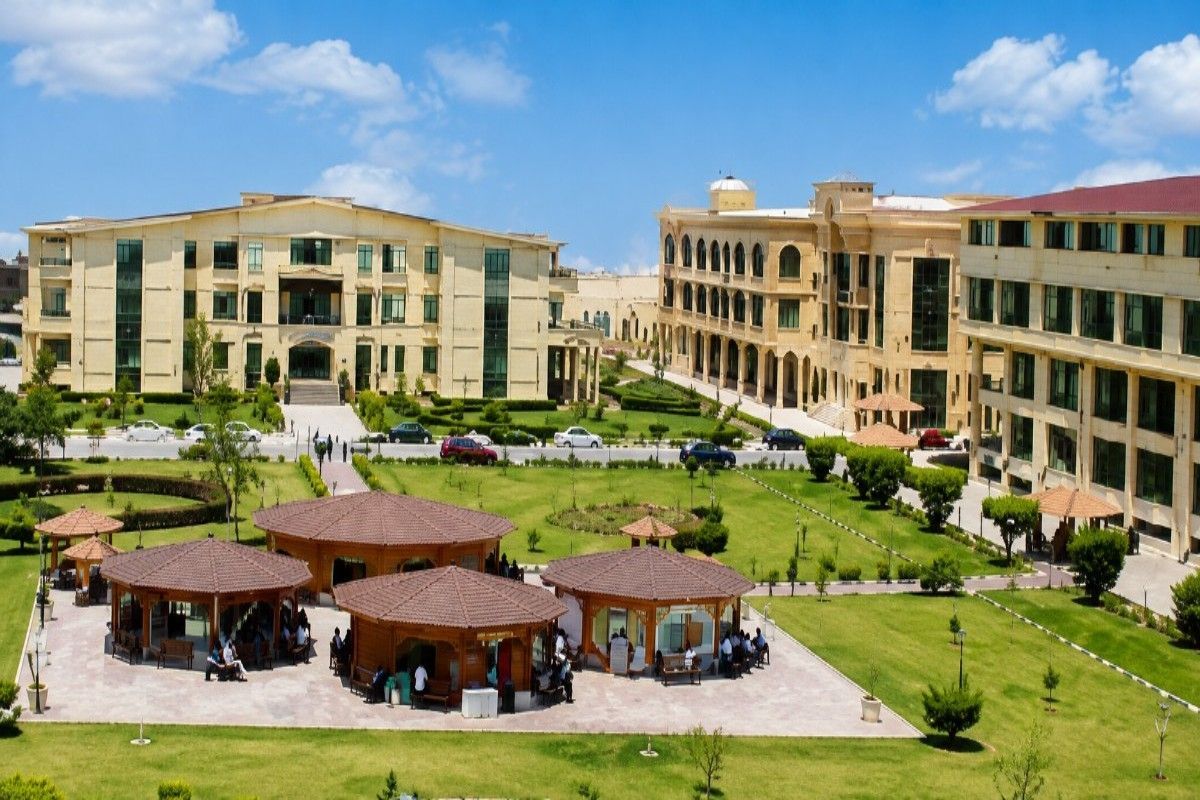
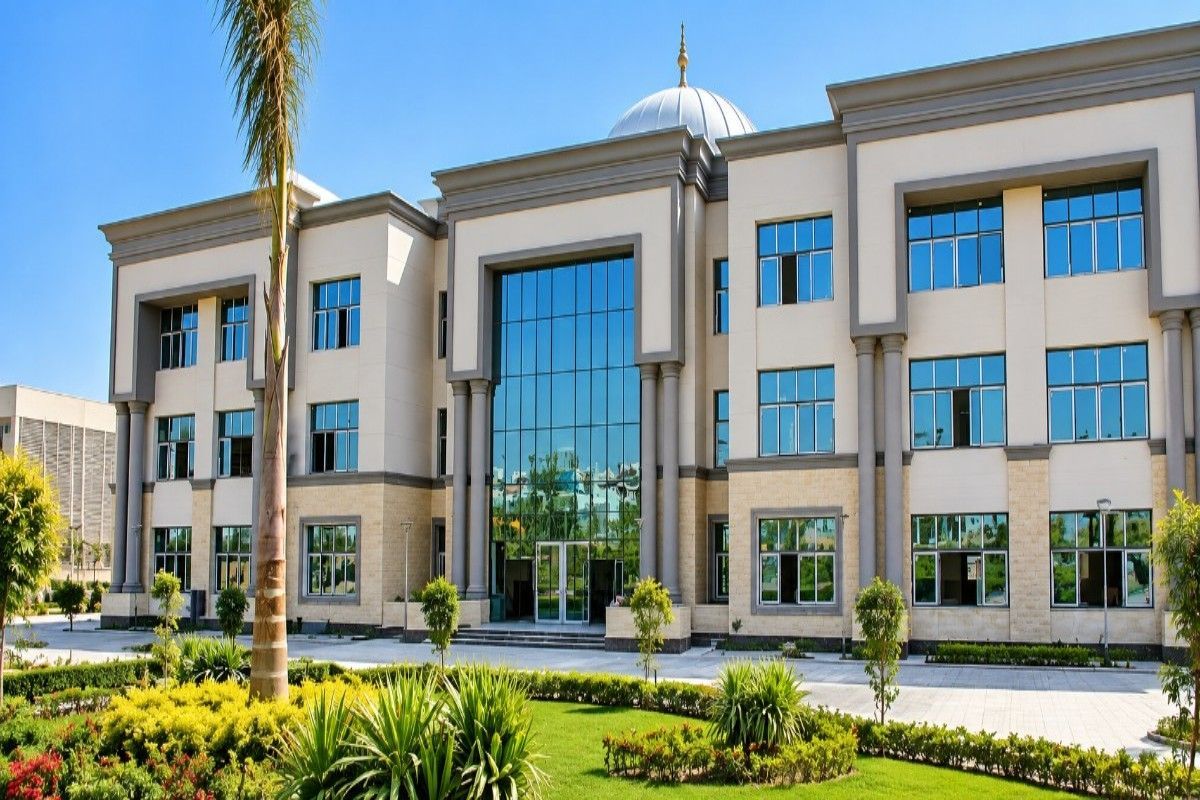
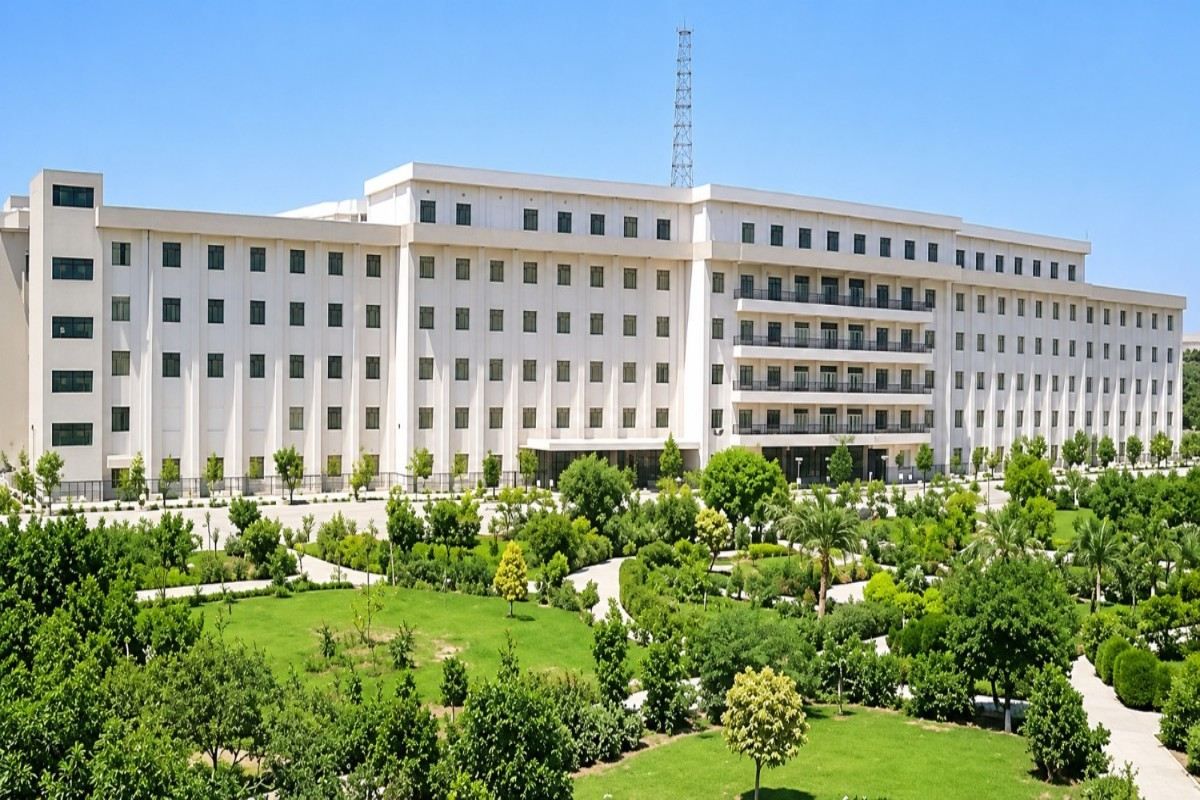
One thing that catches people off guard: this Faculty isn't in Mansoura, or any of the region's older, larger cities. It sits in Gamasa, a Mediterranean coastal town in Dakahlia Governorate, right along the International Coastal Road. The whole campus was built from scratch there, which is a noticeably different starting point than most Egyptian medical schools that grew up wrapped around an existing city hospital.
The academic structure follows Egypt's familiar pattern, ten semesters split evenly into two five-semester phases, then a two-year hospital internship, adding up to seven years in total. English carries the curriculum throughout, and Delta University has been fairly explicit about its reference points: the programme is built on Egypt's National Academic Reference Standards for medicine, while also citing WFME's international standards and the LCME, the body that accredits US and Canadian medical schools, as design benchmarks. That's a more detailed set of quality references than most private Egyptian faculties tend to spell out.
For clinical work, students use the Delta University Teaching Hospital, a 110-bed building sitting right on the Gamasa campus. Inside, there's an ICU and postoperative recovery unit, obstetrics and gynaecology services, a haemodialysis unit, a full emergency department, cardiology with catheterisation capability, radiology running from ultrasound up to CT and MRI, four operating rooms, and its own lab and blood bank. It also runs free healthcare services for the surrounding area, with particular attention to nearby rural communities that might otherwise have limited access.
Gamasa functions more as a summer resort town than a classic university city, so the atmosphere around Delta University's campus feels quite different from the denser academic districts you'd find in Cairo, Alexandria, or even Mansoura nearby. Building everything along the coastal road from the ground up also meant the campus and its hospital could be designed as one connected site instead of being stitched together around a pre-existing facility.
What's genuinely useful about the clinical setup here is that the teaching hospital isn't somewhere students have to travel to. It's part of the same campus, which means once clinical years start, access to hospital-based teaching stays consistent and close, inside a fairly modern building rather than an older structure retrofitted for teaching purposes.
Money matters get murkier. Delta University hasn't published concrete tuition numbers on its official Faculty of Medicine pages, at least not ones this research could locate. What circulates instead comes from third-party education sites, putting Egyptian students somewhere around USD 5,000 to 8,000 a year and international students in the USD 10,000 to 15,000 range. Neither figure traces back to the university's own fee schedule, so treat them as ballpark estimates and get the real numbers from admissions before deciding anything.
How you get admitted depends heavily on where your secondary certificate comes from. Egyptian and equivalent certificate holders get ranked by their marks and need to clear assessment tests in maths and English, plus a medical check and interview. British-system, IGCSE-style applicants need at least eight subjects passed at the right extended-level grade. American Secondary School Certificate holders need eight Grade 12 subjects spread across specific years, along with a passing SAT I score run through the usual AMIDEAST-certified channels used across Egypt's private university sector.
Foreign and Arab applicants need certificate authentication through the Egyptian Embassy or Ministry of Foreign Affairs. And for Egyptian or Arab students carrying a foreign qualification that skipped Arabic Language or Islamic Education, there's a separate exam route through Egypt's Supreme Council for Private Universities to close that gap before graduation. Beyond the language, subject, and SAT I requirements already mentioned, there's no additional standalone entrance exam to worry about.
Parameter | Details |
Founded | Delta University founded 2007 by Presidential Decree No. 147; Faculty of Medicine established 2019 |
Institution Type | Private university |
Location | Gamasa, Dakahlia Governorate, Egypt, on the Mediterranean coast |
Programme | Bachelor of Medicine and Surgery (MBBCh/MBBS, per third-party WDOMS listing) |
Duration | 5-year academic study (10 semesters) + 2-year internship, 7 years total |
Medium of Instruction | |
Admission Route | Direct application; marks-based ranking plus maths/English assessment tests, medical check and interview |
Teaching Hospital | Delta University Teaching Hospital, 110 beds, on-campus in Gamasa |
No hidden charges, no donation. The full picture of costs at MBBS in Delta University for Science and Technology Faculty of Medicine.
Tuition Fee
249,000 EGP per year
Reported approx. USD 5,000 to 8,000 per year
Hostel Fee
Approx. USD 150 to 300 per month
15,000 EGP to 35,000 EGP per year
Food & Meals
Approx. USD 150 to 250 per month
per month
Insurance
500 EGP to 1,500 EGP per year.
per year
Donation
No Donation
No hideen fees
Total Estimated Cost
EGP 165,000 per year
7-year
25–35%
Average FMGE first-attempt pass rates for students from many overseas medical universities. Students from structured programs consistently score higher.
Students returning to India need to clear the FMGE/NExT exam. MBBS in Delta University for Science and Technology Faculty of Medicine integrates exam-oriented coaching into the regular curriculum so students are prepared from day one.
A structured program that takes you from foundational sciences to clinical mastery.
Begin professionalism, medical terminology, communication, first aid, ethics and basic clinical skills through simulation, laboratories and integrated learning activities.
Study anatomy, histology, physiology, biochemistry, genetics, cell biology and the normal structure and function of the human body
Develop knowledge of microbiology, immunology, parasitology and pharmacology while practising examination techniques and clinical reasoning in the skills laboratory and outpatient clinics.
Study cardiovascular, respiratory, gastrointestinal, renal, endocrine, nervous, musculoskeletal and reproductive systems through integrated anatomy, physiology, pathology and clinical applications.
Develop history-taking, physical examination, diagnostic reasoning, laboratory interpretation, patient safety and evidence-based medicine through supervised patient exposure.
Complete the final system-based modules before moving into structured clinical disciplines, including internal medicine, surgery, paediatrics, obstetrics and gynaecology
Study psychiatry, dermatology, ophthalmology, otorhinolaryngology, community medicine and public health through hospital teaching, outpatient clinics and case discussions.
Undertake rotations in internal medicine, general surgery, paediatrics, obstetrics and gynaecology, with supporting training in radiology, anaesthesia, emergency care and clinical pathology.
Integrate prescribing, clinical decision-making, procedural skills, ethics, research and comprehensive patient management through bedside assessments, portfolios and OSCE examinations.
Complete advanced rotations in medicine, surgery, paediatrics, obstetrics and gynaecology, emergency medicine, family medicine, forensic medicine and selected specialties.
Internship rotations consolidate practical competence in internal medicine, surgery, paediatrics, obstetrics and gynaecology, emergency care and other compulsory specialties before professional registration.
After completing the ten academic semesters, graduates undertake two years of supervised rotating internship in Delta University Teaching Hospital and other approved clinical facilities.
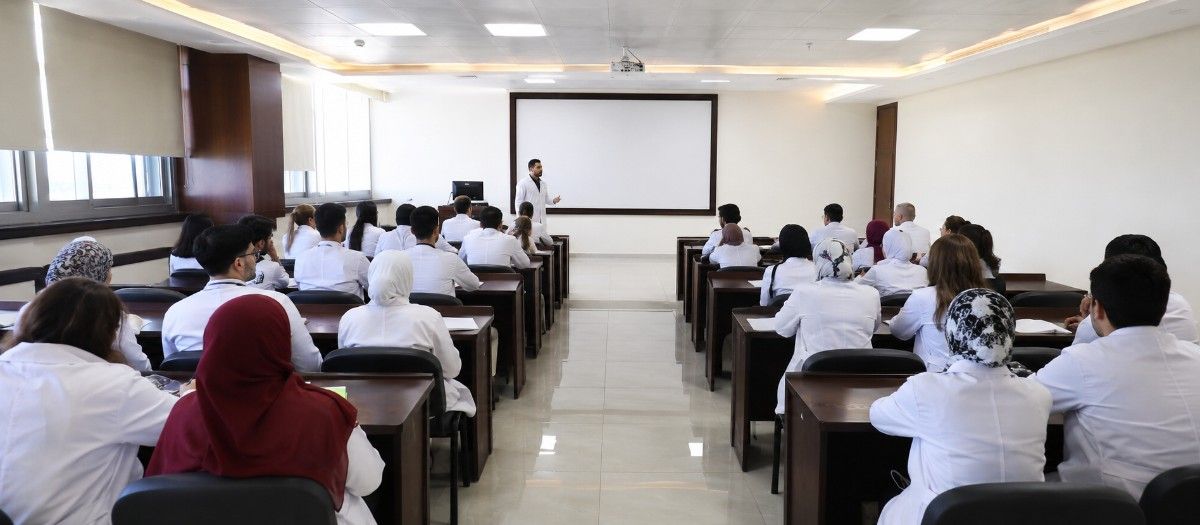
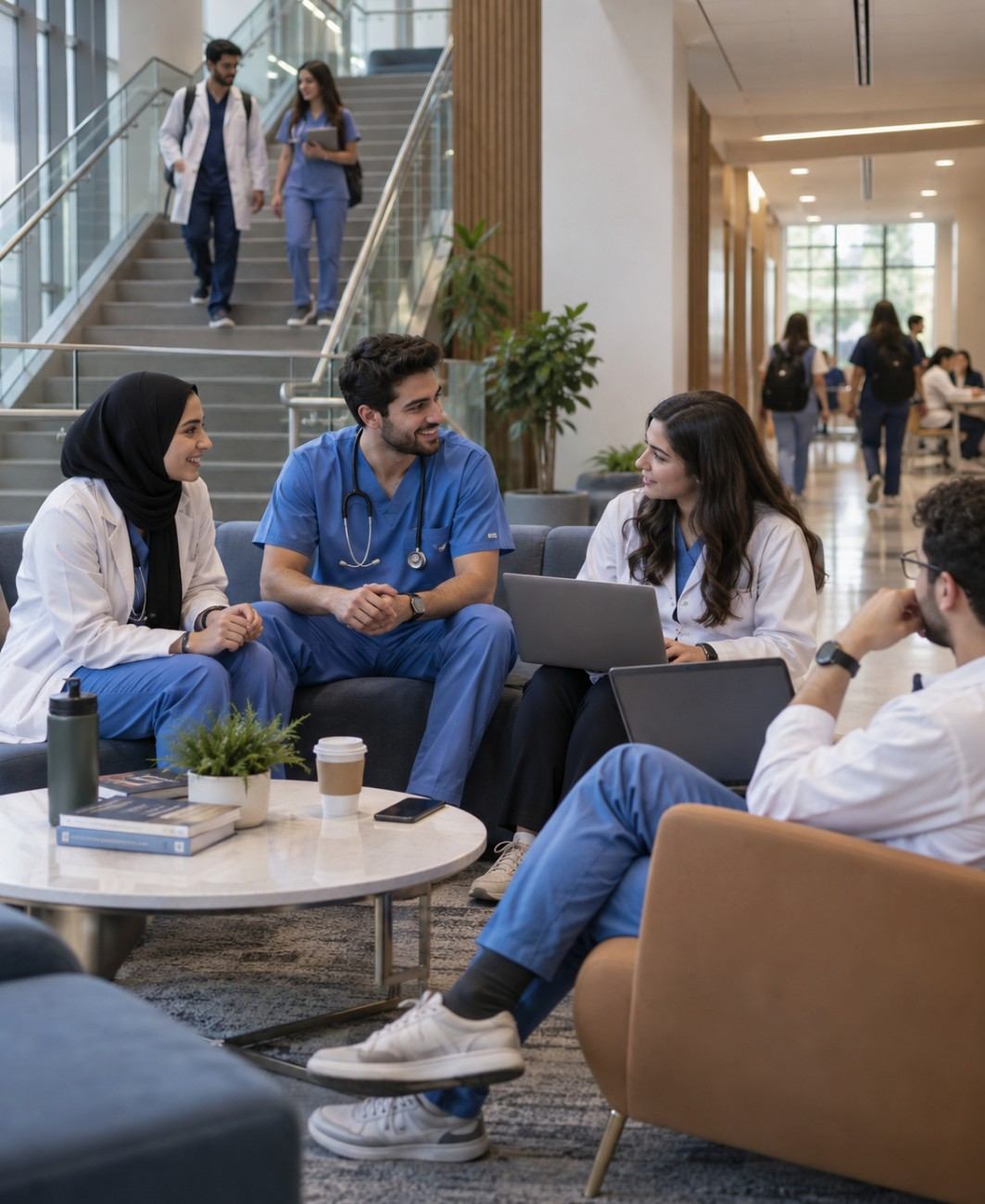
Furnished hostel rooms with Wi-Fi, laundry, 24/7 security, and Indian mess on or near campus.
Indian restaurants and mess facilities serving vegetarian and non-vegetarian home-style food daily.
Strong Indian community with cultural events, festival celebrations, and peer support groups.
Students get hands-on clinical training in government and private hospitals affiliated with the university.
Practical information for students planning to study at MBBS in Delta University for Science and Technology Faculty of Medicine.
Prepare for all seasons. Thermal wear for winters, light clothing for summers. University provides heating in hostels.
Student visa processed with university invitation letter. Direct and connecting flights from major Indian cities.
Health insurance included in fees. Medical facility on campus plus city hospitals easily accessible.
Local SIM cards available. WhatsApp and video calls keep you connected with family back home.
Average monthly expenses of $150–$250 covering food, transport, and personal needs.
University library, online databases, and study groups. Seniors mentor juniors through academic challenges.
Our team guides you through every step — from application to arriving on campus.
Our Egypt specialist provides an honest overview of Cairo University vs Ain Shams vs ERU, English-medium status, FMGE outcomes, safety assessment, and total cost comparison.
We provide the Egypt-specific checklist. All documents are verified before university submission.
Direct submission to the suggested university. Offer letter typically within 7–14 days.
Either the students or our team receives the offer, walks you through the terms, and manages the initial fee payment.
We manage visa applications to the Egyptian Embassy in New Delhi, a minimum of 6 weeks before departure
Cairo city orientation, accommodation, Egyptian transport, food, currency, safety zones, and first-week logistics.
We advise on routing to Cairo International Airport (CAI). Confirms arrival with the local team.
Our Cairo representative meets you at the airport. No student arrives unsupported.
Hostel check-in and university registration handled by AMW's local Egypt team.
Our team files the student residence permit at the Egyptian Ministry of Interior within your first weeks. Renewed annually.
Admission Helpline — Contact our counsellors for step-by-step assistance.
“The faculty here is incredibly supportive. The clinical training during hospital rotations has given me real confidence in patient care.”
“Affordable fees without compromising on quality. The campus facilities and hostel life made my transition abroad very smooth.”
“English medium instruction and WHO-recognized curriculum were the deciding factors for me. No regrets so far — excellent experience overall.”
“The university helped with everything from visa to accommodation. Hospital exposure from year three has been invaluable for my FMGE prep.”
“Just cleared my licensing exam on the first attempt. The structured coaching and mock exams during final year were a game-changer.”
“Safe campus, good food options, and a strong Indian student community. The teaching methodology is very practical and hands-on.”
The university itself dates to 2007, but the Faculty of Medicine is listed as established in 2019, per its own linked WDOMS record.
Five years across ten semesters, plus a two-year hospital internship, seven years total.
Yes, the entire medical curriculum runs in English.
No official figure is published; third-party estimates put it around USD 5,000 to 8,000 a year for Egyptians and USD 10,000 to 15,000 for international students, unconfirmed.
At the Delta University Teaching Hospital, a 110-bed facility built right on the Gamasa campus.
There's no confirmation of that anywhere on the official site, so it shouldn't be assumed without checking directly.
NAQAAE accreditation, plus a World Directory of Medical Schools listing through FAIMER.
No. India's standard foreign-degree licensing route, NExT included, would still need to be completed.
Private, established under presidential decree in 2007.
Its coastal Gamasa location and a teaching hospital built directly into the same campus rather than a separate city site.
Our expert counsellors will guide you through the complete admission process — from documents to airport pickup.