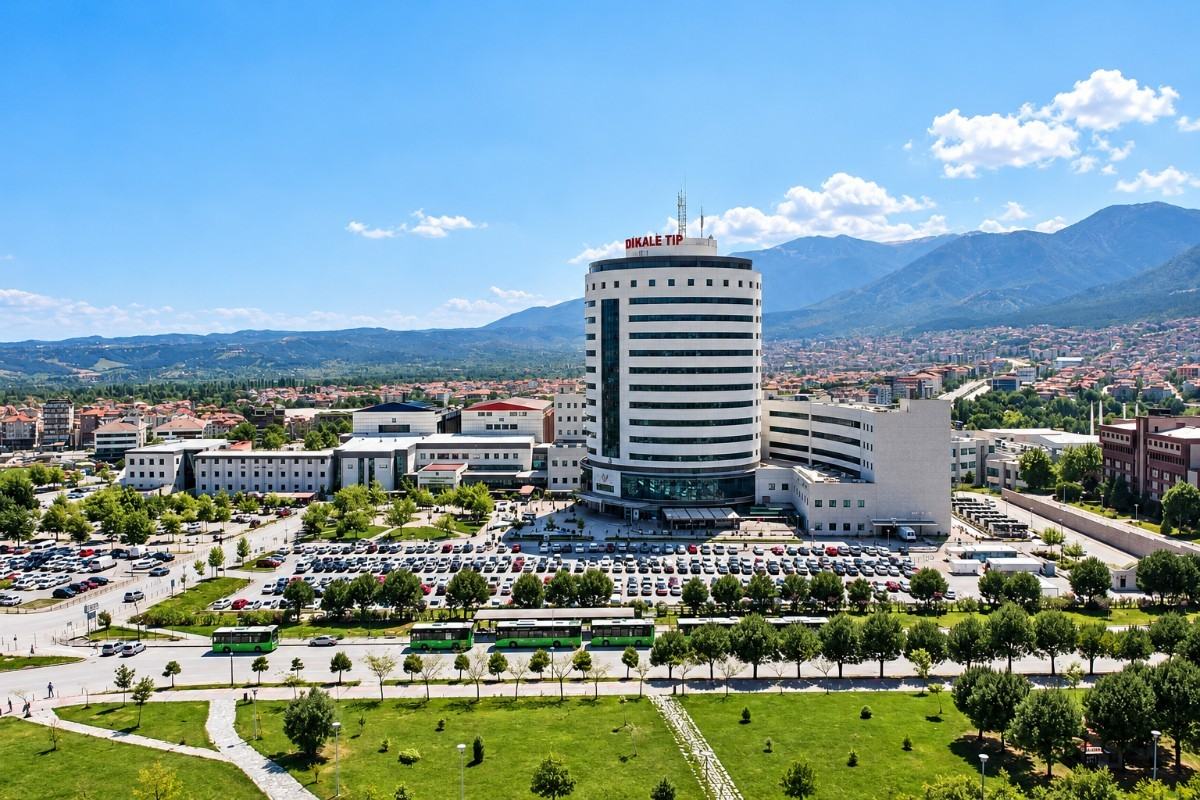
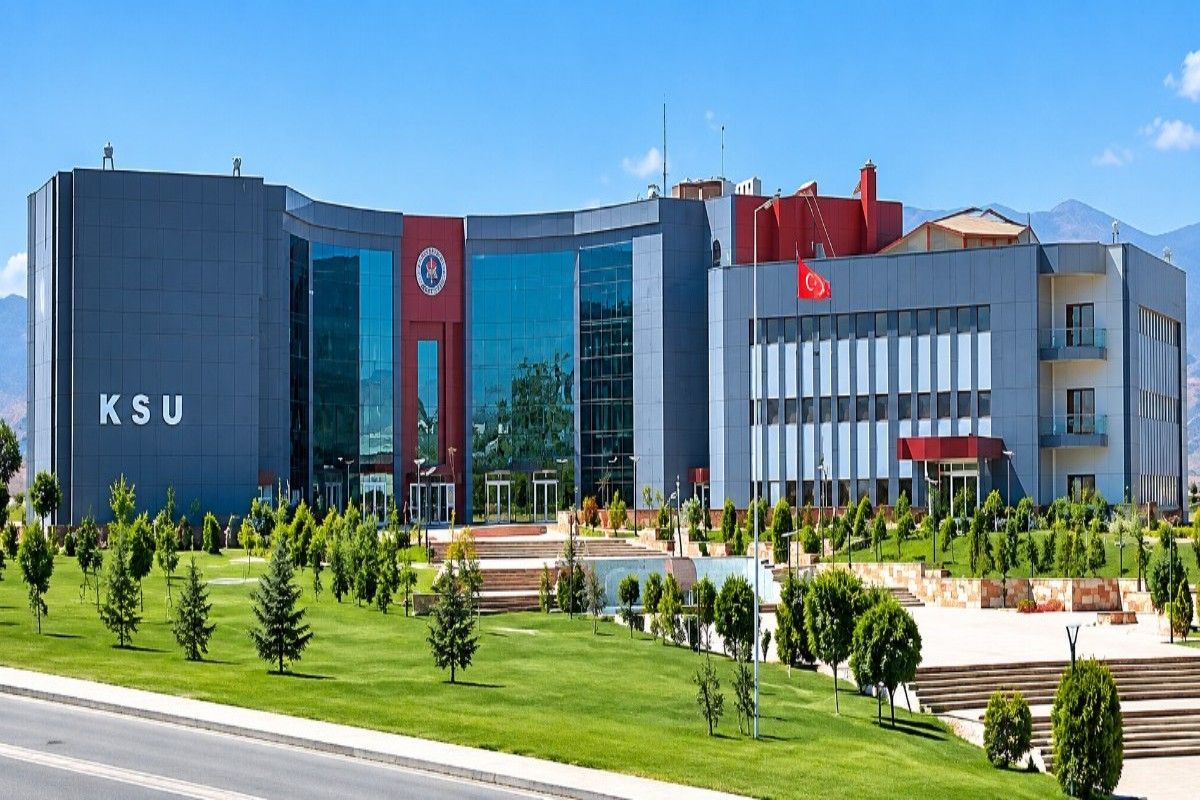
The city of Denizli is in western Turkey, in the Aegean region. It is best known for being close to Pamukkale, which has beautiful white travertine terraces and ancient thermal pools that attract tourists from all over the world. The ruins of the ancient city of Hierapolis are also close by. The Faculty of Medicine at Pamukkale University is located here. The university's name comes from a famous natural feature in the area, and the setting is truly unique, having been shaped by both history and geology.
The larger university is a public school in Turkey that is part of the country's national higher education system. It was built to serve the Denizli region and the western Aegean province that surrounds it. It has grown into a pretty big regional university with a lot of different courses. The Faculty of Medicine is one of its more well-known and closely watched academic departments, which shows how important Denizli is as a regional hub in western Turkey.
When it comes to medical training, Pamukkale University uses the standard structure for a Tıp Fakültesi, or Faculty of Medicine, in Turkey. It is a six-year program with only one cycle. Students go right from enrolling to getting a full medical degree, with no break between undergraduate and graduate school. This is the same structure that is used in medical schools in Turkey and most of mainland Europe. Graduates get the title of medical doctor and can take Turkey's national TUS residency exam to get more specialised training. They can also go after licensing routes in other countries, based on where they want to work as a doctor in the future.
The course has a clear, step-by-step structure. In the first few years, students learn basic preclinical sciences like anatomy, physiology, biochemistry, and histology. These subjects give students the scientific background they need to become doctors. Pathology, pharmacology, and general medicine are some of the applied and clinical topics that are studied in the next few years. In the last few years, students do full clinical rotations in all of the major specialities. In the later years, students go straight to hospital rooms and work with supervised patients in fields like internal medicine, surgery, paediatrics, and obstetrics and gynaecology.
As part of clinical training, students go to the university's connected teaching hospital in Denizli as well as other hospitals in the western Aegean region. This gives students real-life experience caring for patients in a real regional hospital. Since Denizli is a pretty big provincial city, it has a wider range of patients and cases than some of Turkey's smaller, newer provincial medical schools that we've talked about in other parts of this series. A steady stream of domestic and international tourists visiting Pamukkale and Hierapolis adds a unique element to the patients that students may encounter while they are training.
If you are a student from outside of Turkey looking at this school, the language of teaching is very important. As a public university run by the government, Pamukkale University's medicine programs are mostly taught in Turkish. It needs to be confirmed directly whether the university has an English-only track for international medical students. This is because this information isn't always consistent across Turkey's public universities and can change from year to year. Students who don't speak Turkish well should make this an important point to clear up right away, before deciding if this school is a good choice.
There is usually a separate process for foreign students to get into Turkish public universities, which is different from the main national exam that Turkish citizens take. Many Turkish universities require international applicants to take the YÖS exam, which is a test designed just for students applying from outside of Turkey. They also want applicants to have done well in core science subjects in high school. You should check directly with Pamukkale University's international admissions office to find out what the exact requirements are right now for the Faculty of Medicine. For example, you should find out if they accept YÖS or other qualifications like SAT scores.
There are teaching labs, anatomy and clinical skills training rooms, and library resources that are shared across the whole university campus at the medical school. Due to the size of Denizli and the fact that Pamukkale University is one of the bigger schools in the area, students usually have access to a good amount of campus infrastructure. However, students should check directly with the university to find out exactly what facilities are available and if there have been any recent changes.
Costs at Pamukkale University are the same as Turkey's standard public university tuition model for international students. This is a lot less than the tuition at many medical schools in Western Europe or North America, and it's also usually less than the tuition at Turkey's private universities. To find out the exact current tuition for the Faculty of Medicine, you should contact the university directly. This is because Turkish public university fees for foreign students can change based on their nationality and the year they apply.
Following Turkey's national medical education system, which is governed by the Higher Education Council (YÖK) and the Turkish Medical Association, the degree is recognised. Graduates who want to work in other countries need to check those countries' own rules on licensing and recognition. Indian medical students who want to go back home after graduation should check with the National Medical Commission to see what the current requirements are. This is because foreign medical graduates must pass the FMGE or NExT exam before they can register and work in India, no matter what country gave them their medical degree.
Compared to some of Turkey's other regional towns, life in Denizli has a lot of things that make it interesting. The city sits close to one of Turkey's most famous natural and historic sites, giving students easy access to Pamukkale's thermal terraces and the ancient ruins of Hierapolis for weekend visits, alongside the more everyday infrastructure of a fairly large, well-connected provincial city. Living costs here tend to run lower than in Istanbul or Ankara, while Denizli's size means students still have access to good urban amenities, shopping, and transport links, including reasonable connections to Turkey's Aegean coastal cities.
For students who want a Turkish medical degree set inside a substantial regional city with genuinely famous natural and historic sites close by, and who have either strong Turkish language skills or can confirm a suitable pathway directly with the university, Pamukkale University's Faculty of Medicine offers a distinctive western Turkish option among the country's public medical schools. Given how much detail around language of instruction, admissions routes, and exact fees can shift by year, direct, current confirmation from the university's own international office remains an important step before applying.