
1. Is this program taught in English?
+Primarily Turkish, with English-medium options varying by faculty and intake year. Confirm the current specific language track directly with the university.
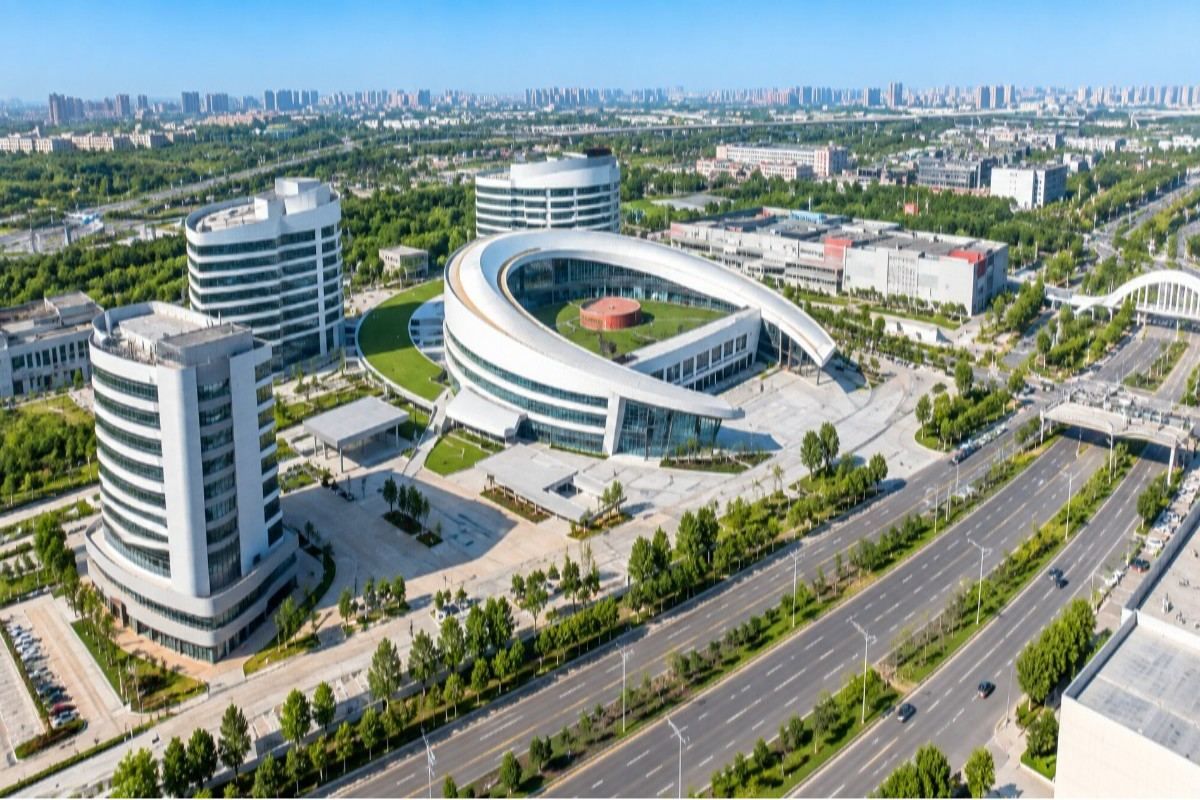
 Turkey | Est. 2020
Turkey | Recognised by Turkey's Higher Education Council (YÖK). | Primarily Turkish, with English-medium options. medium
Expert will call you within 2 hours
That's the name of Turkey's University of Health Sciences. The letter is written as SBU in Turkish. This is the only state university in the world that was designed to teach health studies. It works closely with Turkey's Ministry of Health. Because of this, the college can directly connect with a group of hospitals across the country where they study and teach. Many universities in Turkey don't have this close of a link to the ministry, which gives this one a real structural edge. People in eastern Anatolia can now use the university's model for health studies. Other medical schools in Turkey are spread out in different cities but all work for the same university. The Erzurum Faculty of Medicine is one of them.
There are six years of study to become a Doctor of Medicine at the Erzurum Faculty of Medicine. This is like the MBBS program in many other countries. People who go through this program get training both before and during the clinical phase. They can earn a single degree over time. It is easy to get to the Ministry of Health from the University of Health Sciences. In other words, most of its medical schools, like the one in Erzurum, are directly connected to the largest teaching and research hospitals in the area. So, instead of learning in smaller hospitals that were only made for that purpose, students get real-life experience in big, busy public hospitals.
None of the medical schools in Turkey are different in how the classes are set up. For example, if you want to become a doctor, you will need to know about anatomy, physiology, biochemistry, histology, and microbiology. You learn these things in the first three years. Over the next few years, students will get more hands-on experience in fields like surgery, pediatrics, psychiatry, reproductive medicine, and internal medicine. This will be done with the help of the network of hospitals that are linked to the Erzurum Faculty and are used for training and study.
Hospitals in Erzurum that are connected to the University of Health Sciences grid are used for clinical training. Erzurum is the biggest city in eastern Anatolia, Turkey. An important center for health care in the area, it helps a lot of people in eastern Turkey. Kids can work with many people from all over Turkey. People and health habits in this area are different from those in cities on the western coast of Turkey, so these patients often have a bigger range of health issues. There are a lot of hospitals in Turkey close to the university, so students often train with local doctors and specialists who are also getting postgraduate training at the same hospitals. Medicine students can learn in a real hospital this way.
University of Health Sciences usually lets international students in through a process that is unique to that group. During this process, high school science grades, an accepted international qualifying exam score, or the university's own entrance exam may be looked at. This depends on the applicant's home country and past education. The English language choices and ways to get in can change from year to year and from faculty to faculty because it is a public university that focuses on health sciences. If someone wants to apply, they should check with the university's foreign office to see what the current standards are.
YÖK, which is in charge of higher education in Turkey, accepts the University of Health Sciences, Türkiye. FAIMER and the World Federation for Medical Education put together the World Directory of Medical Schools, which has a list of all of its medical schools around the world. If a graduate of the Erzurum Faculty of Medicine wants to work outside of Turkey, they should make sure that the school is recognized in their home country before they take the course.
If you are from outside of Turkey, you can go to the University of Health Sciences for less than the cost of many medical schools in Western Europe or the Gulf. For the most part, people from other countries choose to study medicine in Turkey because it costs less there. People can live in Erzurum for a lot less than in Istanbul or Bursa because it is smaller and in a less busy part of Turkey. At this price, it's one of the best places in Turkey for students to live.
If an Indian student wants to study medicine in another country, the National Medical Commission says they need to have a legal NEET certificate. To work as a doctor in India, grads must also pass a screening test called FMGE or NExT. As a general rule, all foreign medical graduates must follow this path, no matter where they work.
For students in Turkey, Erzurum is a one-of-a-kind city to visit. This city is high up on the eastern Anatolian plateau. It is famous for its cold, snowy winters, its role as a winter sports hub (it hosted the 2011 Winter Universiade), and its large number of Seljuk-era buildings. To learn medicine in Erzurum is not at all like learning medicine in other parts of the country. This is a great spot for students who want to study in Turkey in a place that is less busy, less expensive, and has a different culture than Istanbul.
The University of Health Sciences, Türkiye - Erzurum Faculty of Medicine is the best place to learn medicine because it is so close to Turkey's main hospital and school system. It is really helpful to get hands-on clinical training in this way. It's a good place for students to live and go to school if they want to experience a unique city in eastern Anatolia at a low cost. Before they apply, they should make sure they get the most up-to-date information from the school about how to get in and what language is used (if any).
No hidden charges, no donation. The full picture of costs at MBBS in University of Health Sciences Erzurum Faculty of Medicine.
Tuition Fee
Approx. USD 3,800–6,000 per year (approx. INR 3.18–5.02 lakh)
USD 3,800-6,000 per year
Hostel Fee
Approx. USD 1,400-2,200 per year (approx. INR 1.17-1.84 lakh).
USD 1,400-2,200 per year
Food & Meals
USD 1,600-2,200
per year
Insurance
USD 350-550
per year
Donation
No donation fee
No hidden fee
Total Estimated Cost
Approx. USD 42,900-65,700 (INR 35.90-54.99 lakh)
6 Year
25–35%
Average FMGE first-attempt pass rates for students from many overseas medical universities. Students from structured programs consistently score higher.
Students returning to India need to clear the FMGE/NExT exam. MBBS in University of Health Sciences Erzurum Faculty of Medicine integrates exam-oriented coaching into the regular curriculum so students are prepared from day one.
A structured program that takes you from foundational sciences to clinical mastery.
Foundational medical sciences, including anatomy, physiology, biochemistry, histology, and microbiology.
Anatomy, Histology, Biochemistry, Medical Biology
Clinical training across internal medicine, surgery, paediatrics, obstetrics and gynaecology, and psychiatry, delivered through the Erzurum Faculty's affiliated training and research hospital network.
Paediatrics, Neurology, Ophthalmology, ENT
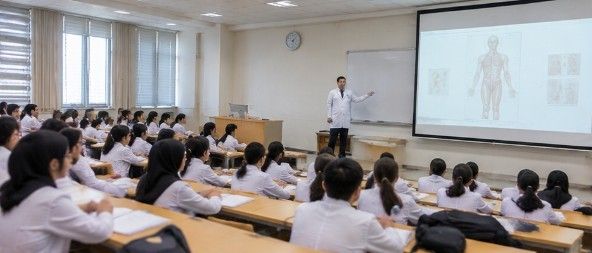

Furnished hostel rooms with Wi-Fi, laundry, 24/7 security, and Indian mess on or near campus.
Indian restaurants and mess facilities serving vegetarian and non-vegetarian home-style food daily.
Strong Indian community with cultural events, festival celebrations, and peer support groups.
Students get hands-on clinical training in government and private hospitals affiliated with the university.
Practical information for students planning to study at MBBS in University of Health Sciences Erzurum Faculty of Medicine.
Prepare for all seasons. Thermal wear for winters, light clothing for summers. University provides heating in hostels.
Student visa processed with university invitation letter. Direct and connecting flights from major Indian cities.
Health insurance included in fees. Medical facility on campus plus city hospitals easily accessible.
Local SIM cards available. WhatsApp and video calls keep you connected with family back home.
Average monthly expenses of $150–$250 covering food, transport, and personal needs.
University library, online databases, and study groups. Seniors mentor juniors through academic challenges.
Our team guides you through every step — from application to arriving on campus.
Share your NEET score, academic record, and budget. Our Turkey specialist provides an honest assessment comparing Turkey with Georgia, Armenia, and Russia and, within Turkey, identifies the right university based on NMC recognition status, clinical quality, preferred city, and total cost. NMC status verification is the first step for every Turkey recommendation.
AMW submits your application to the selected university with all required documents. Most Turkish private medical universities for English-medium programmes do not require a separate university entrance exam beyond NEET, though some require YÖS. AMW advises on this for each specific university. Offer letters are typically issued within 2–4 weeks.
AMW assists with your Turkish student visa application a straightforward process for Indian nationals. Required documents include a university acceptance letter, financial means documentation, health insurance, and a biometric appointment at the Turkish Embassy in India. Processing typically takes 3–6 weeks.
AMW coordinates travel planning and arranges airport pickup in Istanbul or Ankara. Our local Turkey representative handles hostel check-in, university registration, and city orientation. Support continues throughout the first month.
Admission Helpline — Contact our counsellors for step-by-step assistance.
“The faculty here is incredibly supportive. The clinical training during hospital rotations has given me real confidence in patient care.”
“Affordable fees without compromising on quality. The campus facilities and hostel life made my transition abroad very smooth.”
“English medium instruction and WHO-recognized curriculum were the deciding factors for me. No regrets so far — excellent experience overall.”
“The university helped with everything from visa to accommodation. Hospital exposure from year three has been invaluable for my FMGE prep.”
“Just cleared my licensing exam on the first attempt. The structured coaching and mock exams during final year were a game-changer.”
“Safe campus, good food options, and a strong Indian student community. The teaching methodology is very practical and hands-on.”
Primarily Turkish, with English-medium options varying by faculty and intake year. Confirm the current specific language track directly with the university.
Admission generally runs through the university's own international admissions process, which may include an accepted international qualifying score or the university's own entrance assessment, depending on the applicant's background.
Approximately USD 3,800–6,000 per year, a moderate range consistent with typical Turkish public university tuition for international medical students, and among the more affordable options within the University of Health Sciences network.
Yes, mandatory, consistent with National Medical Commission rules for studying medicine abroad.
Yes, generally, through Turkey's Higher Education Council (YÖK) and typical listing in the World Directory of Medical Schools for YÖK-recognised faculties. Confirm specific recognition status with your home country's regulatory body.
Through hospitals affiliated with the University of Health Sciences system in Erzurum, closely tied to Turkey's Ministry of Health hospital network and serving the wider eastern Anatolia region.
Its unusually close structural integration with Turkey's national public hospital and training system, giving students hands-on exposure inside genuinely large, active healthcare facilities, combined with a distinctive eastern Anatolian setting.
A high-altitude eastern Anatolian city known for cold, snowy winters, a strong winter sports culture, and rich Seljuk-era architectural heritage, offering a notably lower cost of living than Istanbul or Bursa.
Standard pathways include practising within Turkey, or returning to India to sit the FMGE/NExT exam, or pursuing other international licensing routes, subject to each destination's own requirements.
The exact current language of instruction, the specific admissions process and entrance requirements for your country of origin, and current tuition fees, since these details can vary by intake year and faculty.
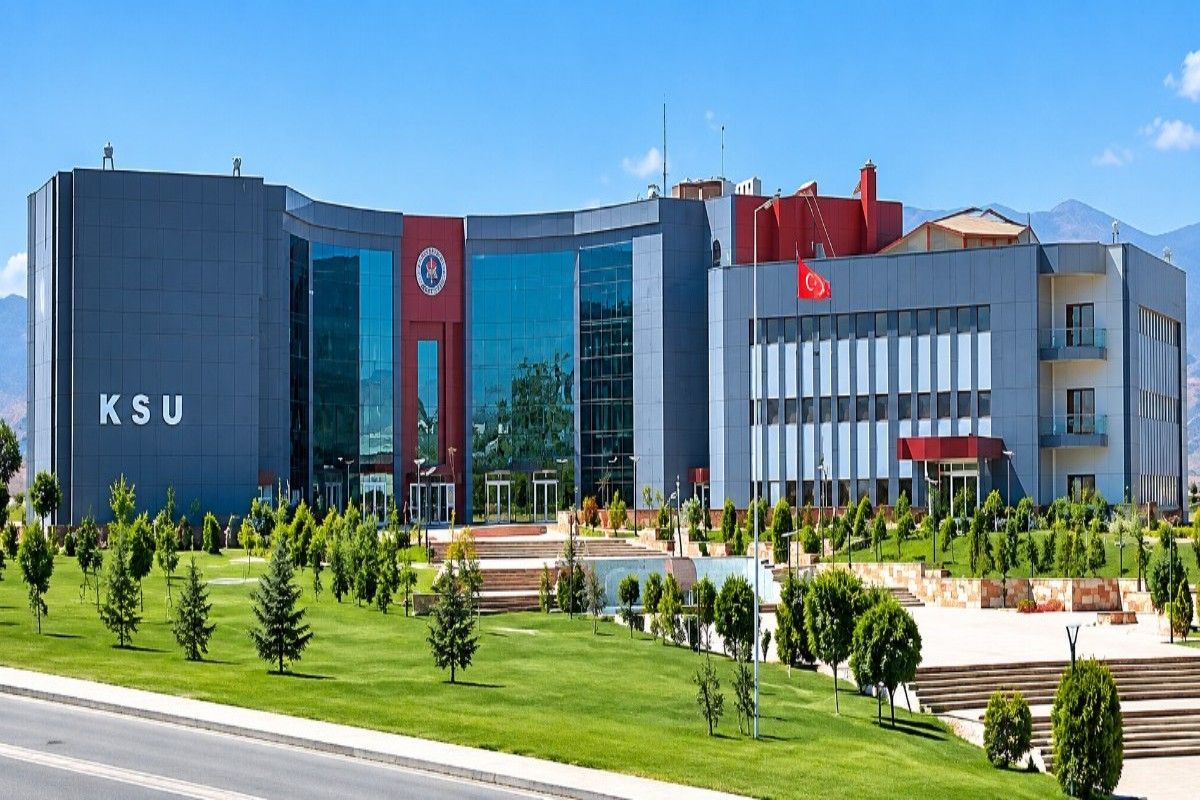
Our expert counsellors will guide you through the complete admission process — from documents to airport pickup.