
1. Is the medicine programme taught in English?
+No. The programme is taught entirely in Italian. You need B2-level Italian certification to enrol.
 Italy | Est. 1999
Italy | Italian Ministry of University and Research (MUR); WDOMS listed (F0002173) | Italian medium
Expert will call you within 2 hours
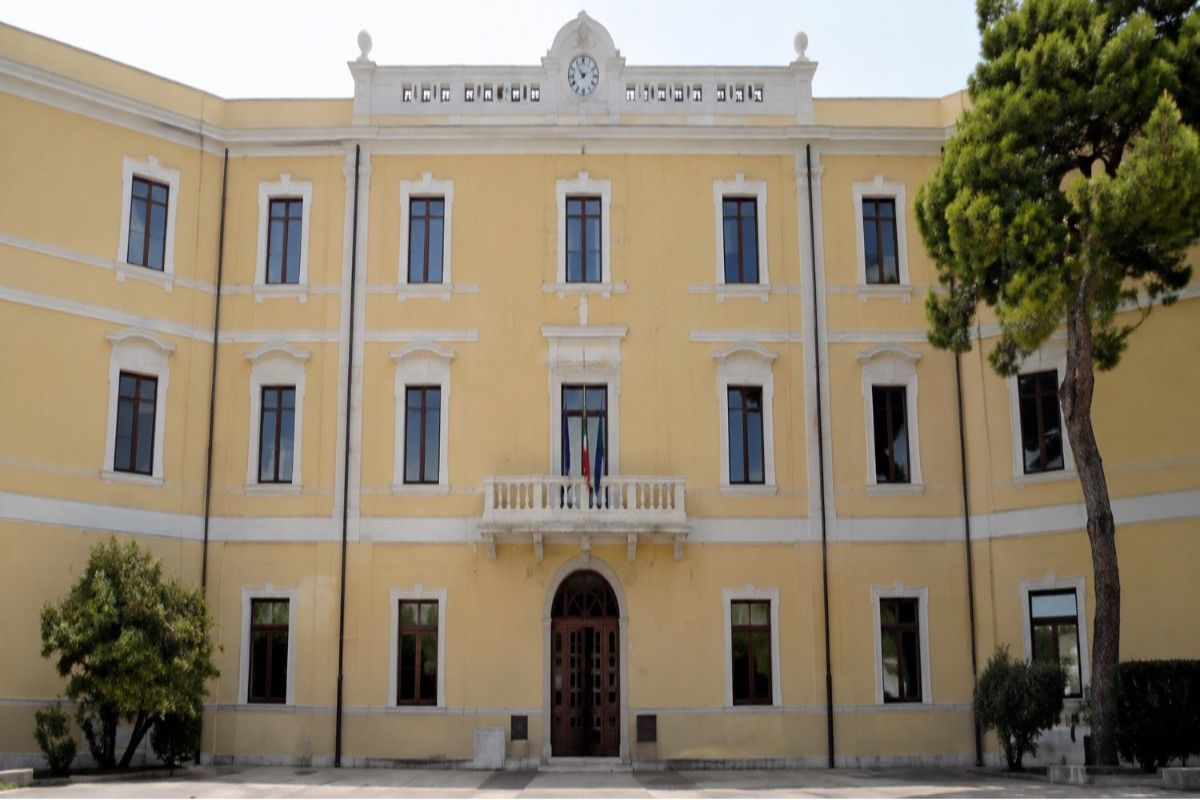
Founded in 1999 by the Ministry of University and Scientific Research, the University of Foggia (in Italian: Università di Foggia) is a public university. It is one of the younger universities in Italy, but has grown quickly and now has more than 9,000 students in six fields. The Faculty of Medicine and Surgery is part of the Department of Medical and Surgical Sciences. The department operates from the main building of the university in Foggia, in the Apulia region of southern Italy. The medical school has been turning out doctors since its first class in 1999, but its research reputation and clinical ties are still developing.
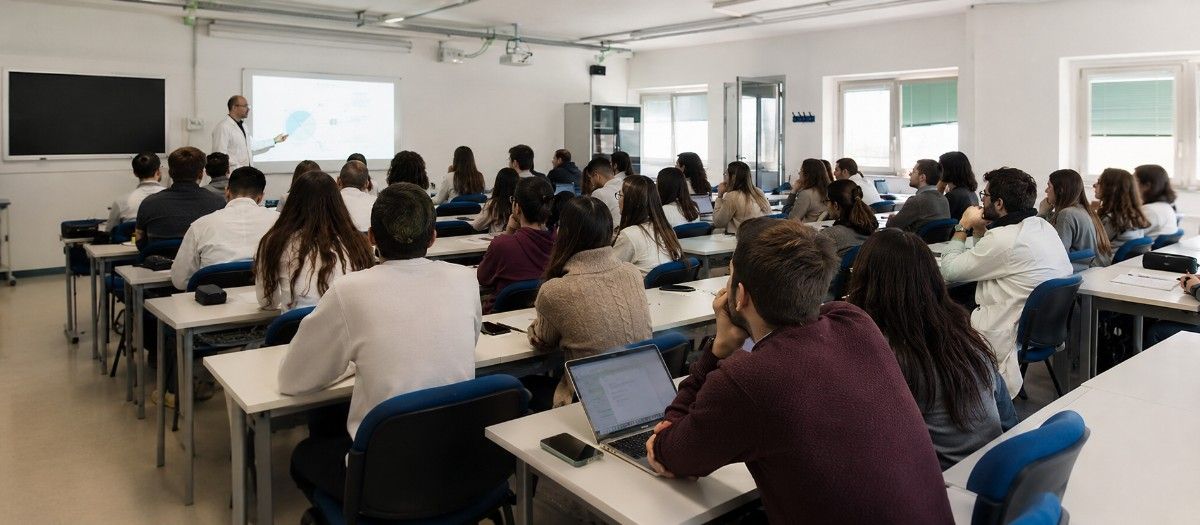
The Medicine and Surgery (LM-41) single-cycle degree program is a 6-year course providing 360 CFU credits, the standard in Italy for medical education. The program is grounded on the new national curriculum created by D.M. 1649/2023, which has reformed the delivery of medical education throughout Italy. Since all classes are taught in Italian, the university requires that you show you can speak and understand Italian at a B2 level before you can enroll. The way they teach includes traditional lectures, lab work, problem-based learning sessions, and early practical experience in hospitals that are part of the school.
The clinical training facilities are centered on the teaching hospitals of Foggia, such as Ospedali Riuniti di Foggia. Most of the clinical training takes place here. After a while, you will rotate through areas such as Emergency Medicine, Obstetrics and Gynecology, Pediatrics, Internal Medicine and Surgery. The hospital complex serves a great number of people from the surrounding area, so you get to see a lot of common and uncommon clinical cases. The university also cooperates with the local health authorities (ASL) to provide more training in community medicine and basic care.
The new national reform in Italy, which started for the 2025-2026 school year, made it easier to get into the program. As part of the reform, the competitive entrance exam was changed to an open “filter semester” method. In the first semester, you can sign up for any classes you want. During that time, you take three subjects that meet national requirements: Biology, Physics, and Chemistry and Biochemistry. There are 6 CFU credits for each subject. At the end of the term, you take national exams that are graded the same way in all Italian medical schools. How you are placed in the program relies on where you score on these tests that are used to make a national merit list. You can try the filter semester up to three times with this method. If you do not get in Foggia, the national ranking can send you to another Italian medical school according to your choices and the available seats.
It has invested money in research facilities, mainly in the areas of oncology, metabolic diseases and public health. The Department of Medical and Surgical Sciences has partnerships with national study groups and European Union-financed projects. Students are encouraged to start research projects as early as they start college and many professors are actively seeking student collaborators for laboratory and clinical research projects. The university also supports student exchanges through the Erasmus network. Students can spend time studying at partner universities in Europe on these programs.
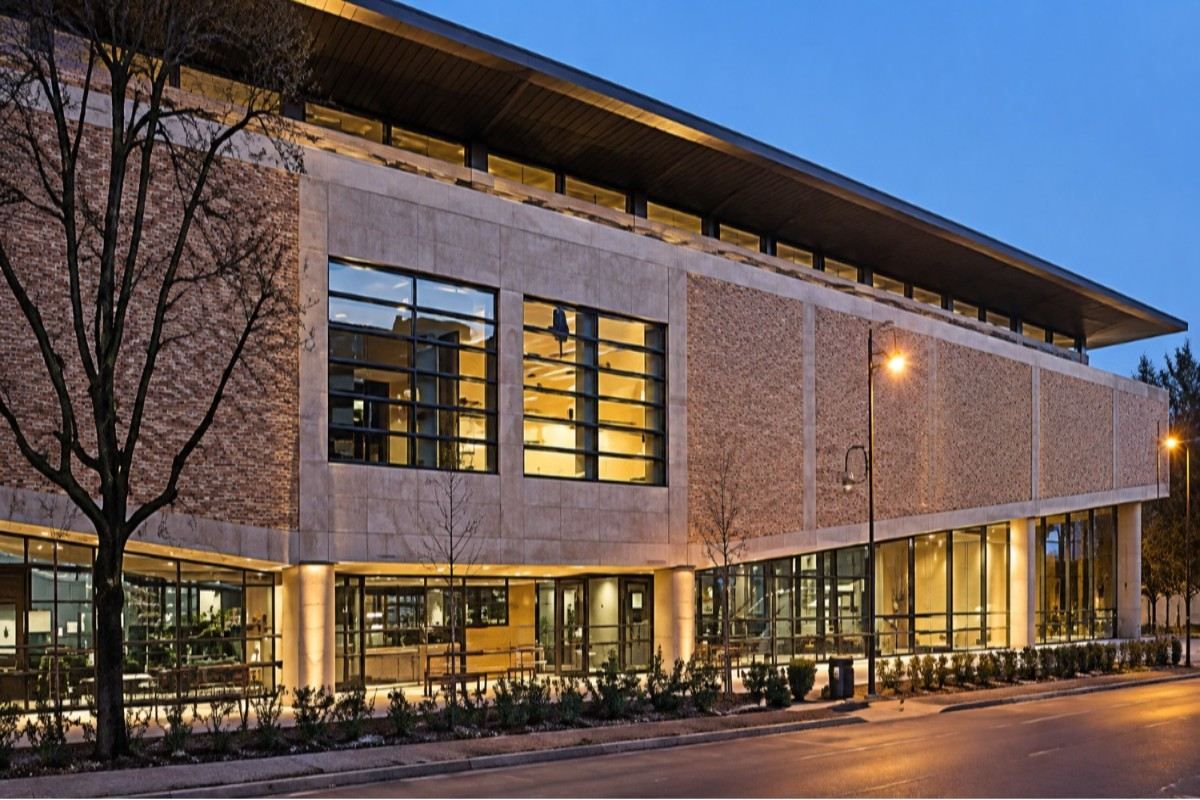
Living costs are lower than in the student towns of northern Italy. The city is located in the Tavoliere plain, an agricultural area famous for wheat and traditional foods. Students can choose from a variety of accommodation, including private lets and university residences managed by the regional student welfare agency (ADISU). The university offers dining rooms, sports facilities and a library system that includes medical collections. The site is compact and it is easy to walk or take the bus from the lecture theaters to labs and the teaching hospital.
In recent years the university has grown in the international rankings. This year the University of Foggia is ranked in the world between 801 and 1000 by Times Higher Education. The university scored 20.2 overall in the QS World University Rankings 2026, but performed well on research output and internationalization. The school also featured in the QS Europe rankings. The university’s progress has been highlighted in recent editions of the Censis report, an Italian national university review.
The medical program emphasizes community-oriented healthcare. The curriculum includes dedicated modules for population health, preventive medicine, and health promotion. Throughout your studies you learn to care for patients, with an understanding of the social and environmental determinants of health. Concepts such as digital health, evidence-based medicine and interprofessional collaboration are weaved throughout the six-year program. This prepares you for the changing demands of contemporary medicine.
Foggia is a city of about 150,000 people with a history going back to the Middle Ages. It was badly damaged during World War II, but was rebuilt after the war and is now an important agricultural and administrative center in the region. It is quieter than the bigger Italian towns, has lower housing costs, and is slower paced, which many students like because it allows them to concentrate on their studies. The city has good rail connections to Bari, Naples, and Rome, making it easy to travel to other parts of Italy.
Accessibility and social mobility remain important at the university. Tuition fees may be zero, depending on the income of a student’s family. Academic excellence is rewarded and special support is available to students who face challenges. The medical program is gaining recognition and low tuition and living costs make Foggia an attractive destination for Italian and international students seeking a quality medical education in a welcoming environment.
No hidden charges, no donation. The full picture of costs at MBBS in University of Foggia Faculty of Medicine and Surgery.
Tuition Fee
EUR 2,186 per year (income-based, ISEEU); maximum approx. USD 2,380 / INR 2,09,440
EUR 2,186
Hostel Fee
University residences (ADISU) approx. EUR 200 to 350 per month; private rentals EUR 300 to 500 per month
€220 to €380 per month
Food & Meals
€150 – €250 per month.
per month
Insurance
Covered via the free European Health Insurance Card (EHIC), requiring no extra medical insurance fee.
/year
Donation
No donation
No hidden fee
Total Estimated Cost
Total annual (max tuition + living) ~EUR 8,600
6 year
25–35%
Average FMGE first-attempt pass rates for students from many overseas medical universities. Students from structured programs consistently score higher.
Students returning to India need to clear the FMGE/NExT exam. MBBS in University of Foggia Faculty of Medicine and Surgery integrates exam-oriented coaching into the regular curriculum so students are prepared from day one.
A structured program that takes you from foundational sciences to clinical mastery.
The first year begins with the filter semester, where you take three national qualifying subjects. After passing, you move to foundational medical sciences including cell biology, tissue structure, and basic human anatomy.
Chemistry and Propedeutic Biochemistry, Physics, Biology, Histology and Embryology, Anatomy (Locomotor Apparatus)
You build on the first year with comprehensive study of organ systems, metabolic pathways, body function mechanisms, and genetic principles. Practical dissection and laboratory sessions reinforce theoretical learning.
Anatomy (Systematic), Biochemistry, Physiology, Medical Genetics, Diagnostic Imaging
The third year shifts to disease mechanisms. You study how pathogens interact with the body, how the immune system responds, and how drugs act on biological systems. Clinical methodology introduces you to patient examination skills.
General Pathology, Microbiology, Immunology, Pharmacology, Clinical Methodology
Clinical training begins in earnest. You rotate through major hospital departments, learning to take patient histories, perform physical examinations, and understand diagnostic and therapeutic approaches for common conditions.
Internal Medicine, General Surgery, Pediatrics, Obstetrics and Gynecology, Medical Semeiotics
You deepen your clinical skills through specialised rotations, gaining exposure to a wide range of medical specialties. The focus shifts to complex case management and interdisciplinary care.
: Specialised Clinical Rotations (Cardiology, Neurology, Psychiatry, Dermatology, Oncology, Emergency Medicine, Anaesthesiology)
Preparation The final year consists of extended clinical clerkships, elective rotations in chosen specialties, and preparation of your thesis. You function with increasing autonomy under faculty supervision, preparing for the transition to postgraduate training.
You deepen your clinical skills through specialised rotations, gaining exposure to a wide range of medical specialties. The focus shifts to complex case management and interdisciplinary care.

Furnished hostel rooms with Wi-Fi, laundry, 24/7 security, and Indian mess on or near campus.
Indian restaurants and mess facilities serving vegetarian and non-vegetarian home-style food daily.
Strong Indian community with cultural events, festival celebrations, and peer support groups.
Students get hands-on clinical training in government and private hospitals affiliated with the university.
Practical information for students planning to study at MBBS in University of Foggia Faculty of Medicine and Surgery.
Prepare for all seasons. Thermal wear for winters, light clothing for summers. University provides heating in hostels.
Student visa processed with university invitation letter. Direct and connecting flights from major Indian cities.
Health insurance included in fees. Medical facility on campus plus city hospitals easily accessible.
Local SIM cards available. WhatsApp and video calls keep you connected with family back home.
Average monthly expenses of $150–$250 covering food, transport, and personal needs.
University library, online databases, and study groups. Seniors mentor juniors through academic challenges.
Our team guides you through every step — from application to arriving on campus.
Our Italy specialist explains the IMAT process, the income-based fee system, Bologna vs Rome vs other universities, and a total cost comparison with Hungary and Poland.
Our team registers you for IMAT (September test) and begins structured coaching. Biology, Chemistry, Physics, Maths, Critical Thinking. Begin preparation at least 6 months before the test.
Full Italian visa and IMAT application document set academic certificates, income documentation if applicable.
IMAT taken at designated test centres. We provide post-test analysis and guidance on university rankings.
Following IMAT ranking, the Italian university issues an admission confirmation. Our team can help with this process.
Full documentation submitted to the Italian Embassy or Consulate. Begin immediately after receiving the admission letter.
Our team advises qualifying families on the income-based fee reduction process.
Bologna /Rome orientation, accommodation, portico culture, Italian transport, Trenitalia app, banking, SIM card.
Our local team in Bologna (BLQ) or Rome (FCO) meets you and manages the first-week settlement.
We manage the Permesso application at the local Post Office within 8 days of arrival with our support, which is renewed annually.
Admission Helpline — Contact our counsellors for step-by-step assistance.
“The faculty here is incredibly supportive. The clinical training during hospital rotations has given me real confidence in patient care.”
“Affordable fees without compromising on quality. The campus facilities and hostel life made my transition abroad very smooth.”
“English medium instruction and WHO-recognized curriculum were the deciding factors for me. No regrets so far — excellent experience overall.”
“The university helped with everything from visa to accommodation. Hospital exposure from year three has been invaluable for my FMGE prep.”
“Just cleared my licensing exam on the first attempt. The structured coaching and mock exams during final year were a game-changer.”
“Safe campus, good food options, and a strong Indian student community. The teaching methodology is very practical and hands-on.”
No. The programme is taught entirely in Italian. You need B2-level Italian certification to enrol.
You enrol freely in the first semester (filter semester) and take three national exams. Your ranking on the national merit list determines whether you continue at Foggia or are placed at another Italian medical school.
The maximum annual contribution is approximately EUR 2,186 including all charges. Students with ISEEU below EUR 22,000 pay no tuition contribution.
Yes. The degree is WDOMS listed. Indian graduates must pass the FMGE or NEXT screening test to obtain medical registration in India.
Italian. All lectures, exams, and clinical training are conducted in Italian.
No. B2-level Italian proficiency is required. You should complete language training before applying.
Yes. Indian students need a valid NEET score to be eligible for the FMGE/NEXT screening test after graduation, which is required to practise in India.
Living costs are lower than in northern Italy. Expect approximately EUR 600 to 800 per month for accommodation, food, and transport.
Yes. ADISU manages university residences with subsidised rates for eligible students. Private rentals are also available.
Credit transfers are evaluated on a case-by-case basis. You should contact the university's student office with your academic transcripts for assessment.

Our expert counsellors will guide you through the complete admission process — from documents to airport pickup.