Q1. Is Gannan Medical University suitable for international students?
+Yes. More than 500 foreign students currently study there, and four full batches have already graduated, supported by a Muslim canteen and some Bangladeshi and Indian faculty.
 China | Est. 1941
China | accredited and recognized by the Chinese Ministry of Education, the World Health Organization (WHO), and the Educational Commission for Foreign Medical Graduates (ECFMG). | English medium
Expert will call you within 2 hours
Are you set on a low-cost MBBS seat in China? Gannan Medical University may fit your search well. It sits in Ganzhou. That is a well-known old city in the south of Jiangxi province. Let me walk you through what this school offers.
The school traces back to 1941. It began as the Ganxian Advanced Midwifery Vocational School under Jiangxi's own state body. In 1958, it grew into the Gannan Medical Technical School, and it picked up the right to give out college degrees at that stage. In 1988, it took the name Gannan Medical College, and it began to take in full undergraduate students. In 1993, it won the right to grant Bachelor degrees. By 2013, it won the right to grant Master's degrees too, and it took in its first graduate group in 2014. This school stands as the sole undergraduate medical university in the whole of Jiangxi province. That fact alone marks it out as a real, state-backed pillar of medical study in that region, not a small, side player.
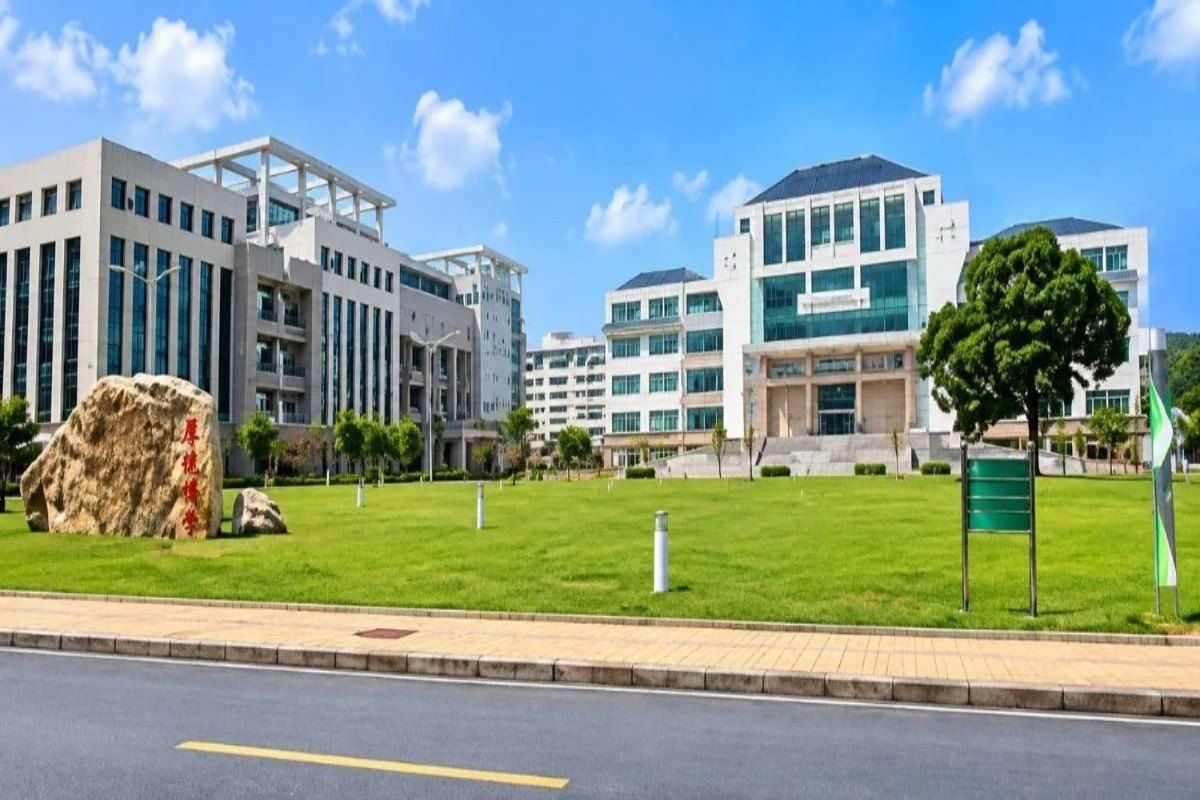
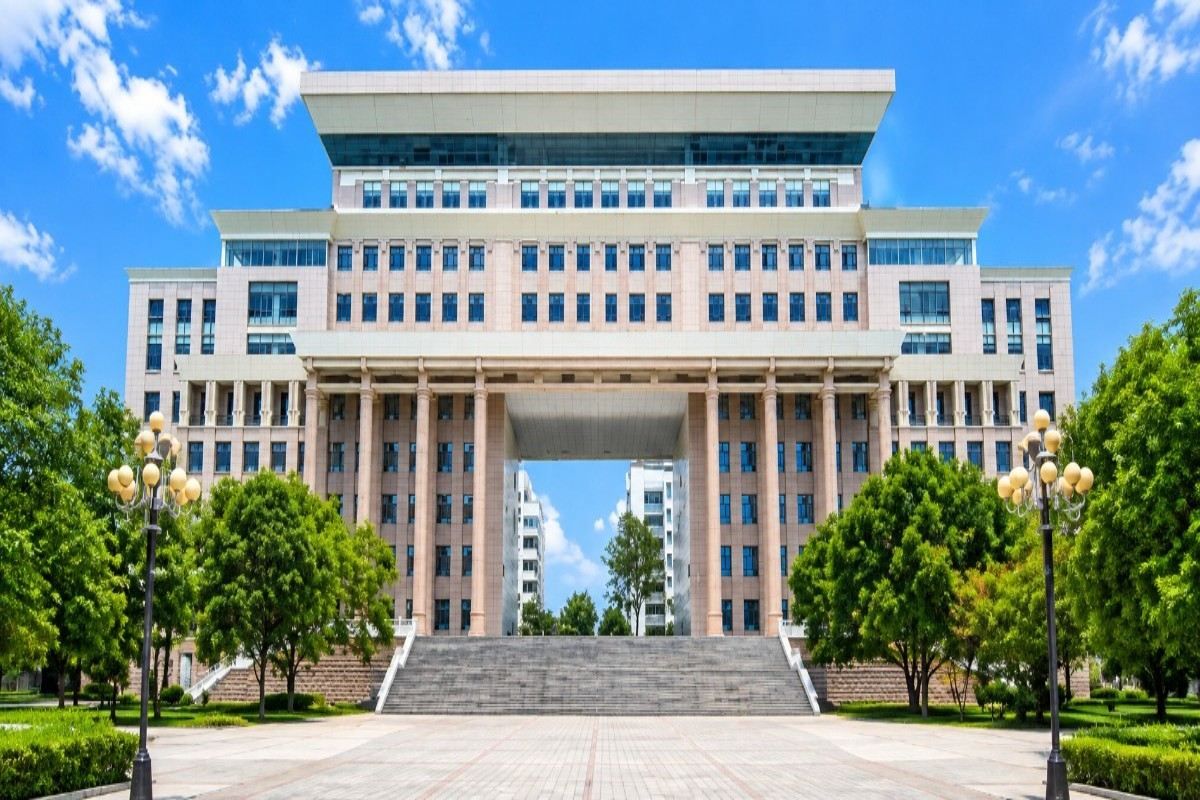
The campus spans two sites. One sits at Zhanggong. The other sits at Huangjin. The school sits close to Hong Kong, Macao, Shenzhen, and Guangzhou too. This gives students easy travel links to some of China's biggest, most well-known cities, even while the school itself sits in a calmer, less costly setting.
Now, on to the MBBS course itself. This runs for six years in full. Five years cover class and lab work. One year covers clinic work through a full internship. Class runs in English for those from other lands. The school built its course plan around USMLE, PLAB, and PMDC rules. This tells you the school built its course with an eye on world exam paths, not just local China rules alone.
Here is a point that trips up many new students. Most schools that ask for HSK-4, a Chinese skill test, set a first-year deadline. Gannan runs this rule a bit different. Most foreign students must clear HSK-4 at some stage during their course. But this school gives more room. You need to clear it by the third year, not the first. This gives new students more time to build real Chinese skill before it becomes a firm block on their path forward.
Cost stands out as a real strong point here. Reports place base tuition near RMB 30,000 a year. Some sources bundle in hostel fees, stay-permit costs, and check-up fees within this same base sum. In dollar terms, this lands close to USD 4,400 a year. In Indian terms, that comes to close to ₹3.7 lakh a year. This ranks among the more low-cost MBBS spots you will find in China.
More than 500 foreign students study here right now. Four full batches of foreign students have already passed through this school and moved on. That kind of track record shows real, working skill in how the school handles guests from other lands, not just a fresh, untested plan.
Clinic training runs through a wide hospital web. GMU runs 11 tied hospitals in total. This spans 3 that sit under direct school control, plus 8 more tied in an indirect way. That gives students real, wide exposure to many patient types, spread across a real, working hospital system.
Staff strength here runs mostly Chinese. But the school also brings in some staff from Bangladesh and India too. This mix can help new Indian students settle in faster, since they get at least some staff who share a closer cultural link with them.
Muslim students get real care here too. The campus runs a Muslim canteen on site. This kind of set-up shows the school thinks beyond just class work. It builds a space where students from many faiths feel at home.
On the rank side, Gannan Medical University holds real ground. It carries WHO recognition. It also holds approval from Pakistan's own PMC board, and it links to China's own state UNESCO and CSC ties too. Grads from this school can sit for board tests in many lands. This spans USMLE in the US, PLAB tied to the GMC in England, and AMC in Australia. It also links to WFME, FGME, and ECFMG paths, which matters a lot if you plan work past China's own soil one day.
Merit-based aid runs here too. Top students can win awards that span RMB 5,000 to RMB 15,000 each year. This gives a real, working path to cut your own cost through strong marks, not just a flashy claim with thin real pay-out.
For Indian students specifically, a few clear points need real thought. NEET clearance stays a firm, must-do step under India's own health rules. Past that, check the live NMC Foreign Grad rules well. These cover set course length, how the intern year runs, and if class in English meets the mark set. Fee sets can shift a bit by year, so check fresh, live facts with the school itself well before you send in a cent.
So where does this leave you? Gannan Medical University gives a real, low-cost path to a six-year, English-run MBBS course. It comes backed by a real, decades-long root as the sole undergrad medical school in Jiangxi. Its hospital web runs wide. Its HSK rule gives real breathing room, and it holds firm world board test links too. If you rank cost, real state-backed root, and a firm, working hospital web high on your list, this school stands as a strong pick. As with all such moves, check the live fee for your own batch. Check your NMC path fits well too, well before you pay.
Why Gannan Medical University Deserves a Harder Look Than You've Given It
Most lists mention Gannan Medical University only for its low fee. However, they rarely explain what backs that fee up. The reason is simple: it comes down to how central this school sits within Jiangxi's own state medical system.
Gannan is not a small, side player chasing quick foreign fee income. It stands as the sole undergraduate medical university in the entire province, run directly under the People's Government of Jiangxi. As a result, students step into a school that carries real, state-backed weight, not one competing against dozens of other medical schools within its own province.
The HSK timeline also works in students' favour more than most pages explain. For example, most schools push a firm HSK-4 deadline by the end of Year 1. Moreover, this matters a lot, since Gannan instead gives students until Year 3 to clear this same test, easing the early pressure on students still adjusting to a new country and a demanding course load.
Furthermore, the hospital network here runs unusually wide for a school of this size. Since GMU runs 11 affiliated hospitals in total, spanning 3 directly controlled and 8 indirectly tied sites, students gain exposure to a broad range of clinical settings rather than a narrow, single-hospital experience.
One thing most other pages miss is the presence of Bangladeshi and Indian faculty members alongside the mostly Chinese teaching staff. Since new international students often struggle most with cultural adjustment in their first year, having even a small number of staff who share closer cultural or language ties can genuinely ease that early transition.
No hidden charges, no donation. The full picture of costs at MBBS in Gannan Medical University.
Tuition Fee
Approximately RMB 30,000 per year (reports vary, with some sources bundling hostel and other fees into this figure)
Approximately RMB 30,000 per year (reports vary, with some sources bundling host
Hostel Fee
RMB 6,000 - 10,000/year (est.)
RMB 6,000 - 10,000/year (est.)
Food & Meals
RMB 10,000 - 15,000/year (est.)
per year
Insurance
RMB 3,000 - 5,000/year (est
per year
Donation
No Donation
No Hidden fee
Total Estimated Cost
RMB 258,000 - 360,000 (est.)
6 year
25–35%
Average FMGE first-attempt pass rates for students from many overseas medical universities. Students from structured programs consistently score higher.
Students returning to India need to clear the FMGE/NExT exam. MBBS in Gannan Medical University integrates exam-oriented coaching into the regular curriculum so students are prepared from day one.
A structured program that takes you from foundational sciences to clinical mastery.
Students also begin structured Chinese language study, working steadily toward the HSK Level 4 requirement due by Year 3.
Early years cover core subjects such as anatomy, physiology, and biochemistry.
Students must have cleared HSK Level 4 by this stage, supporting their transition into more direct clinical exposure
Subjects shift toward pathology, pharmacology, and microbiology as the science base grows deeper
Students train across both directly and indirectly tied hospital sites, building broad hands-on patient-care skills.
Clinical rotations expand across major hospital departments, using the university's network of 11 affiliated hospitals
This year prepares students for the practical demands of independent clinical work after graduation.
The final year runs as a full-time clinical internship at an affiliated teaching hospital.
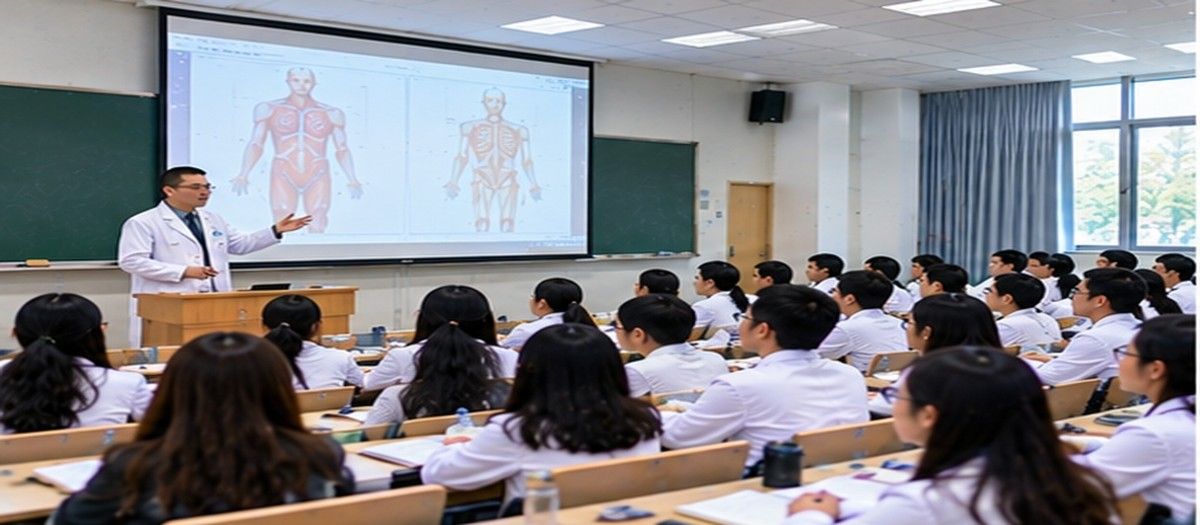

Furnished hostel rooms with Wi-Fi, laundry, 24/7 security, and Indian mess on or near campus.
Indian restaurants and mess facilities serving vegetarian and non-vegetarian home-style food daily.
Strong Indian community with cultural events, festival celebrations, and peer support groups.
Students get hands-on clinical training in government and private hospitals affiliated with the university.
Practical information for students planning to study at MBBS in Gannan Medical University.
Prepare for all seasons. Thermal wear for winters, light clothing for summers. University provides heating in hostels.
Student visa processed with university invitation letter. Direct and connecting flights from major Indian cities.
Health insurance included in fees. Medical facility on campus plus city hospitals easily accessible.
Local SIM cards available. WhatsApp and video calls keep you connected with family back home.
Average monthly expenses of $150–$250 covering food, transport, and personal needs.
University library, online databases, and study groups. Seniors mentor juniors through academic challenges.
Our team guides you through every step — from application to arriving on campus.
Compare MOE-listed universities on fees, city, ranking, and FMGE track record, not just the cheapest option.
Submit the application along with academic transcripts, NEET scorecard, and (where required) CSCA score, either directly to the university or through an authorized admission partner.
The university’s international admissions office carries out document verification and academic evaluation.
Issued by the university on acceptance, typically within a few working days of document approval, though this can take longer during peak intake season (July–August).
Pay the tuition/hostel fee as per the written fee structure, ideally through a traceable bank wire to the university’s official account (never to a personal account), to confirm the seat.
Apply for the X1 (long-term) student visa at the Chinese Visa Application Service Center (CVASC) in New Delhi, Mumbai, or Kolkata.
Book travel and confirm arrival dates with the university’s international office, which typically coordinates registration timing for the incoming batch.
In the final weeks, finalize documents, arrange winter clothing if headed to a northern city, sort travel/health insurance, book flights, plan currency exchange, and confirm hostel allotment in writing.
Complete the on-arrival medical examination and residence permit registration with local authorities within the required window (typically around 30 days); this is what actually legalizes the stay for the full duration of the course, separate from the entry visa.
Attend orientation, check into your allotted hostel accommodation, pick up your class schedule, and begin building a routine and connections within the Indian student community as classes start.
Admission Helpline — Contact our counsellors for step-by-step assistance.
“The faculty here is incredibly supportive. The clinical training during hospital rotations has given me real confidence in patient care.”
“Affordable fees without compromising on quality. The campus facilities and hostel life made my transition abroad very smooth.”
“English medium instruction and WHO-recognized curriculum were the deciding factors for me. No regrets so far — excellent experience overall.”
“The university helped with everything from visa to accommodation. Hospital exposure from year three has been invaluable for my FMGE prep.”
“Just cleared my licensing exam on the first attempt. The structured coaching and mock exams during final year were a game-changer.”
“Safe campus, good food options, and a strong Indian student community. The teaching methodology is very practical and hands-on.”
Yes. More than 500 foreign students currently study there, and four full batches have already graduated, supported by a Muslim canteen and some Bangladeshi and Indian faculty.
The course runs for 6 years in total, split into 5 years of academic study and 1 year of clinical internship.
Reported figures put annual tuition at around RMB 30,000, though some sources bundle in hostel and other fees. Applicants should confirm an itemised fee breakdown directly with the university.
No. Unlike many other Chinese medical universities, Gannan gives students until the end of Year 3 to clear HSK Level 4.
Yes. Students train across 11 affiliated hospitals, including 3 directly affiliated and 8 indirectly affiliated sites, with the final year run as a full clinical internship.
Yes, if they meet the university's academic requirements and clear NEET-UG as required under Indian regulations.
Yes, core teaching runs in English, though students must build working Chinese skills toward the HSK Level 4 requirement by Year 3.
Yes. Merit-based scholarships ranging from RMB 5,000 to RMB 15,000 per year are available for high-performing students.
Yes. It stands as the sole undergraduate medical university in the whole of Jiangxi province, giving it real state-backed standing within the region.
Not automatically. Graduates must separately meet NMC requirements for their admission year, including approved course duration, internship rules, screening or exit exams, and registration eligibility in China.
Our expert counsellors will guide you through the complete admission process — from documents to airport pickup.