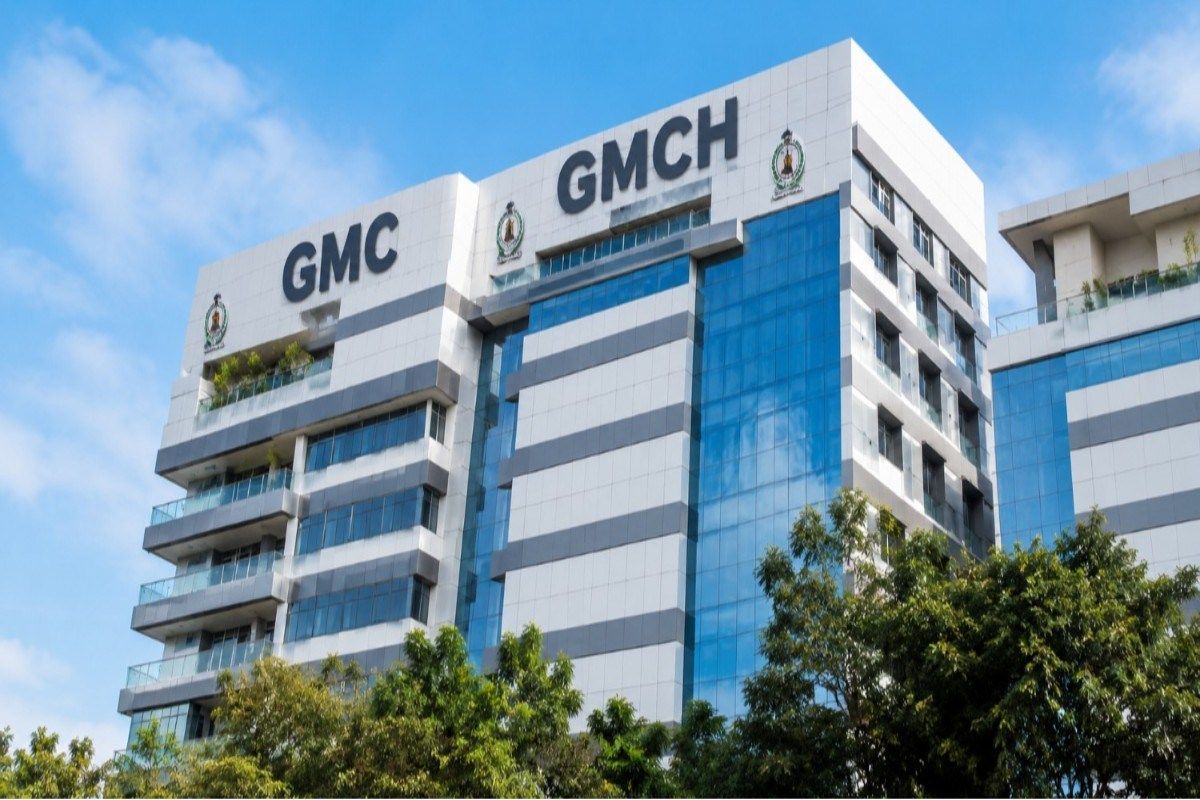
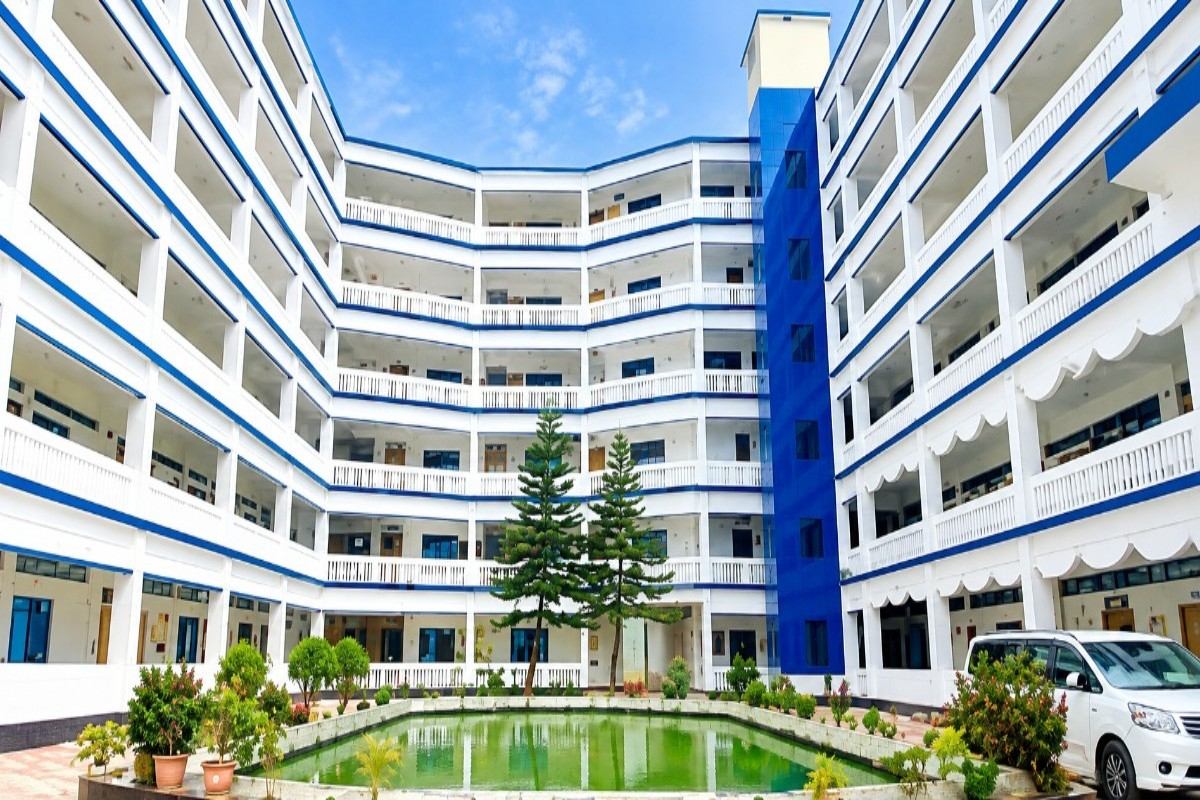
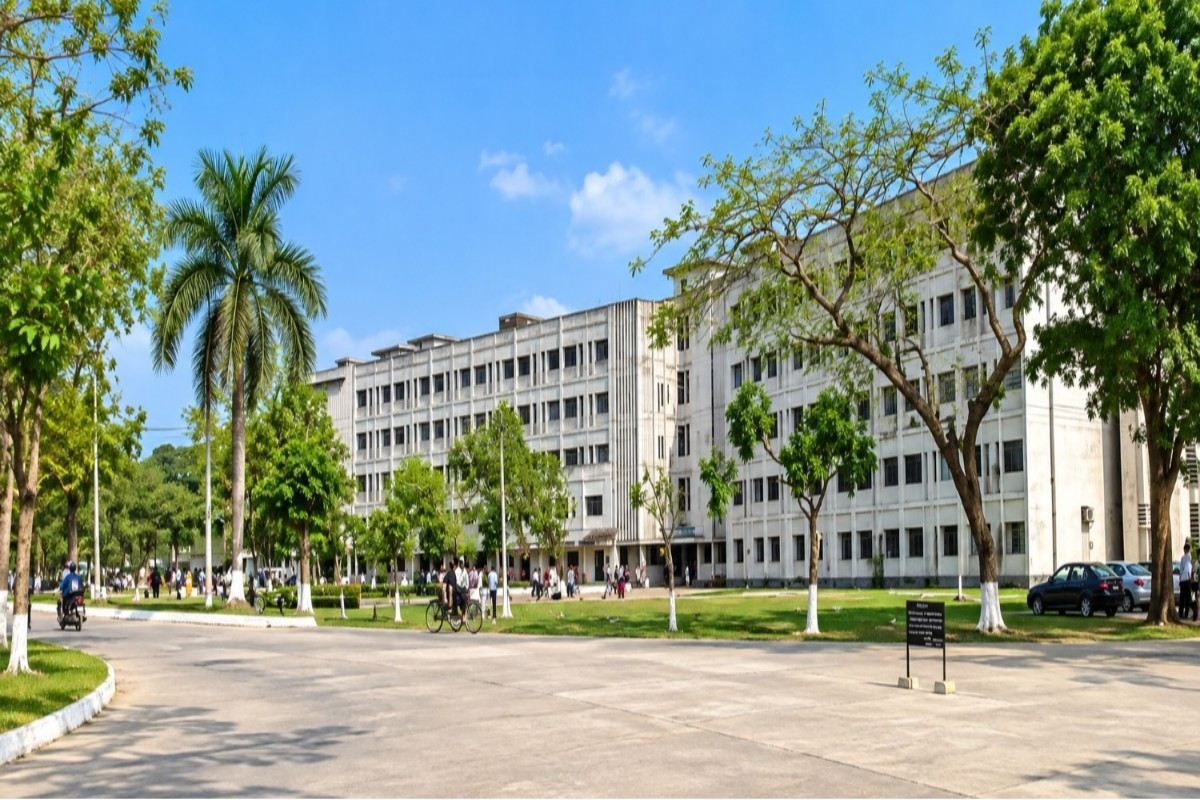
People mostly just call it GMC for short. It is described as the first private medical college anywhere in Khulna Division, Bangladesh. Here is a fact most guides skip entirely, and it involves a genuine, unresolved founding-date discrepancy. Most sources, including Wikipedia, describe GMC as founded in 2011, when Gazi Mizanur Rahman established the college by transforming the existing Khulna Surgical and Medical Hospital. One separate, detailed source, however, states the underlying institution was established considerably earlier, in 1986, describing it as having grown from a small clinic into today's larger medical college and hospital. Given this genuine, unreconciled discrepancy, this profile treats 2011 as the confirmed date the college itself was formally established, while flagging honestly that at least one source traces its own underlying clinical origins further back.
Academic activities at GMC specifically began in 2012, a year after the college's own 2011 founding. As of 2025, GMC teaches 547 students, supported by 142 academic staff and 105 administrative staff, a genuine, considerable expansion from the college's own original 50-student founding cohort, with current annual intake now set at 100 students per session. The associated hospital's own bed capacity is now most consistently reported at 600 beds, per both the college's own official website and Wikipedia's more recent entry, though earlier sources cite 500 beds, reflecting the hospital's own genuine, documented growth over time.
Here is a genuinely notable detail worth knowing, though worth treating with appropriate caution. GMC reports having received the "International Socrates Award 2015," in the "Best Medical College" category, from the Europe Business Assembly, at a ceremony held in Cannes, France. Since this is a private international assembly's own award rather than a government or major academic accreditation body's recognition, applicants should treat this as a reported credential rather than an authoritative academic ranking.
A genuinely important detail worth knowing is that GMC's own reported university affiliation has varied considerably across different sources, some citing Rajshahi University and Rajshahi Medical University, others citing Sheikh Hasina Medical University, Khulna, and Wikipedia's own most recent entry instead listing Khulna Medical University, KMU, as the current academic affiliation. Given Bangladesh's own recent, well-documented political transitions, this kind of naming variation likely reflects genuine, dated institutional or naming changes over time, so applicants should confirm GMC's own current, precise affiliating university directly.
GMC's own associated hospital is a genuinely substantial facility, with the college organised across 11 different academic departments. The college publishes its own official academic journal, Mediscope, a real, specific scholarly publication. GMC is also registered with the Health InterNetwork Access to Research Initiative, HINARI, through the WHO, giving staff and students free access to more than 6,600 current medical journals, a genuinely specific, useful academic resource.
GMC's MBBS programme runs five years, divided into first, second, third, and final professional examinations, followed by a compulsory one-year internship. Admission requires HSC or equivalent qualification with a total GPA of 9, and a minimum Biology GPA of 3.5, with reserved-category applicants, ST/SC/OBC, specifically eligible with 45 percent marks. Indian applicants must pass NEET, described by at least one source as the sole entrance requirement, without any additional separate entrance exam needed.
NEET remains a genuine requirement for Indian applicants pursuing MBBS study at GMC, and Indian graduates would still need to clear the FMGE or NExT exam to practise medicine back in India.
Khulna itself is Bangladesh's own third-largest city, sitting near the country's southern coast, close to the Sundarbans, the world's largest mangrove forest, a genuinely distinctive natural landmark and UNESCO World Heritage Site. This gives GMC's own students a genuinely different regional setting from Dhaka-based medical colleges covered elsewhere in comparable guides, combining a real, established urban healthcare hub with proximity to one of South Asia's own most ecologically significant natural areas.
Given the genuine discrepancies found across GMC's own founding date, reported university affiliation, and hostel cost figures, prospective applicants should treat direct, written confirmation from the college's own admissions office as a genuinely essential first step here, more so than at Bangladeshi medical colleges with more consistently documented histories found elsewhere in comparable guides. This is not necessarily a reason to avoid GMC outright, particularly given its own real, specific distinction as the first private medical college in Khulna Division, but it is a real, practical precaution worth taking seriously given how much basic institutional and financial detail genuinely varies across the sources reviewed for this profile.
Fee figures here are reported with genuine specificity by at least one detailed 2026-27 source, though a real, direct contradiction was found across sources regarding hostel costs specifically, worth flagging honestly rather than picking one confidently.
Cost Item | Amount | Notes |
Tuition Fee (annual, specific figure) | Approx. USD 7,000-8,000/year | Reported by a detailed source citing 2026-27 figures |
Total Programme Fee (5-6 years, including hostel and other charges) | Approx. USD 38,000-42,000 | Reported as the total combined figure, inclusive of tuition, hostel, and other standard charges |
Hostel Fee (genuine, conflicting figures) | Reported as either free lodging for 5 years, or approx. USD 100-150/month | Two separate, detailed sources genuinely conflict on this specific point; one describes free lodging (meals/mess charged separately), while another cites a specific monthly rate including mess. Confirm directly with GMC |
Food/Mess Charges | Included within hostel packages, per at least one source | A sanitary mess and communal kitchen are confirmed as available; exact monthly food cost not separately itemised |
Health Insurance (estimated) | Approx. USD 100-200/year | Not separately confirmed for GMC specifically; a general estimate for international student health coverage in Bangladesh. Confirm current requirements directly |
Total 5-Year Estimate | Approx. USD 38,000-42,000, per the most detailed source | This appears to be the most complete, all-inclusive figure found; confirm the current, exact breakdown directly with GMC |
Note: no capitation fee is confirmed at any stage; GMC's own website specifically offers a self-finance payment plan for students unable to pay the full fee in one instalment. Given the genuine contradiction found around hostel costs, request a full, itemised, written fee schedule directly from GMC before making any financial commitment.
Why GMC Deserves a Harder Look, and a More Careful One
Most lists mention Gazi Medical College only briefly, without addressing the genuine risk of confusing it with a similarly named Gazipur institution, or how much its own reported affiliation and fee figures actually vary. However, they do not explain these specific issues directly. The reason is simple. It is about a real naming overlap most guides skip entirely, and genuine, unresolved uncertainty around both the college's own current affiliating university and its own exact hostel costs.
GMC is not like most other Bangladeshi private medical colleges when it comes to the risk of naming confusion. In fact, Shaheed Tajuddin Ahmad Medical College, a separate government institution in Gazipur, was formerly named Gazipur Medical College, a genuinely easy name to confuse with Gazi Medical College. Furthermore, these are entirely different institutions, in different cities, under different governance. As a result, applicants researching "Gazi" or "Gazipur" medical colleges online risk conflating information belonging to these two, genuinely separate institutions.
The college's own reported affiliation also matters more than most guides let on. For example, most guides describing a Bangladeshi medical college's affiliating university present a single, consistent name. GMC's own affiliation has been variously reported as Rajshahi University, Sheikh Hasina Medical University, and, more recently, Khulna Medical University. Moreover, this genuine variation likely reflects real, dated institutional changes over time, so applicants should confirm the college's current, precise affiliation directly.
One thing most other blogs miss is the genuine, direct contradiction in GMC's own reported hostel costs. In addition to standard due diligence, one detailed source describes free lodging for the full five years, while a separate, similarly detailed source cites a specific monthly rate of USD 100-150. Since this represents a real, practically important discrepancy for anyone budgeting their own studies, confirming GMC's own current hostel fee structure directly is a genuinely essential step before applying.