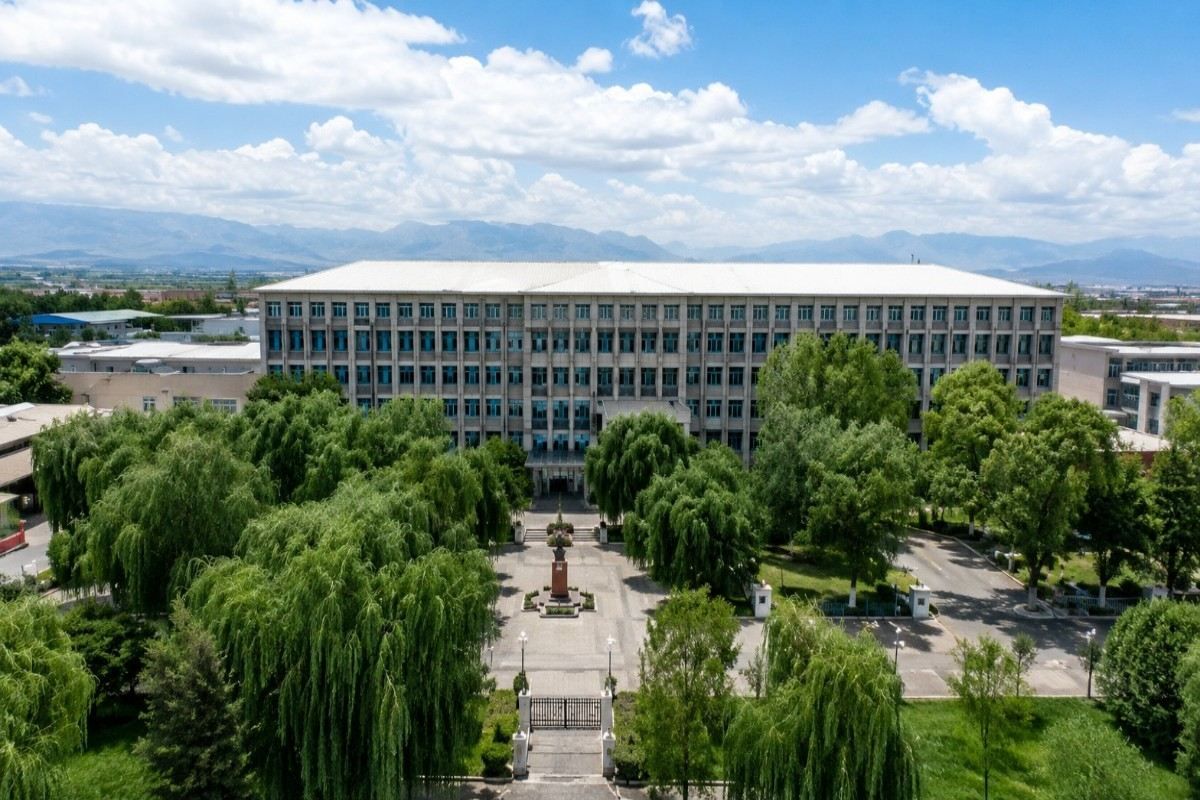
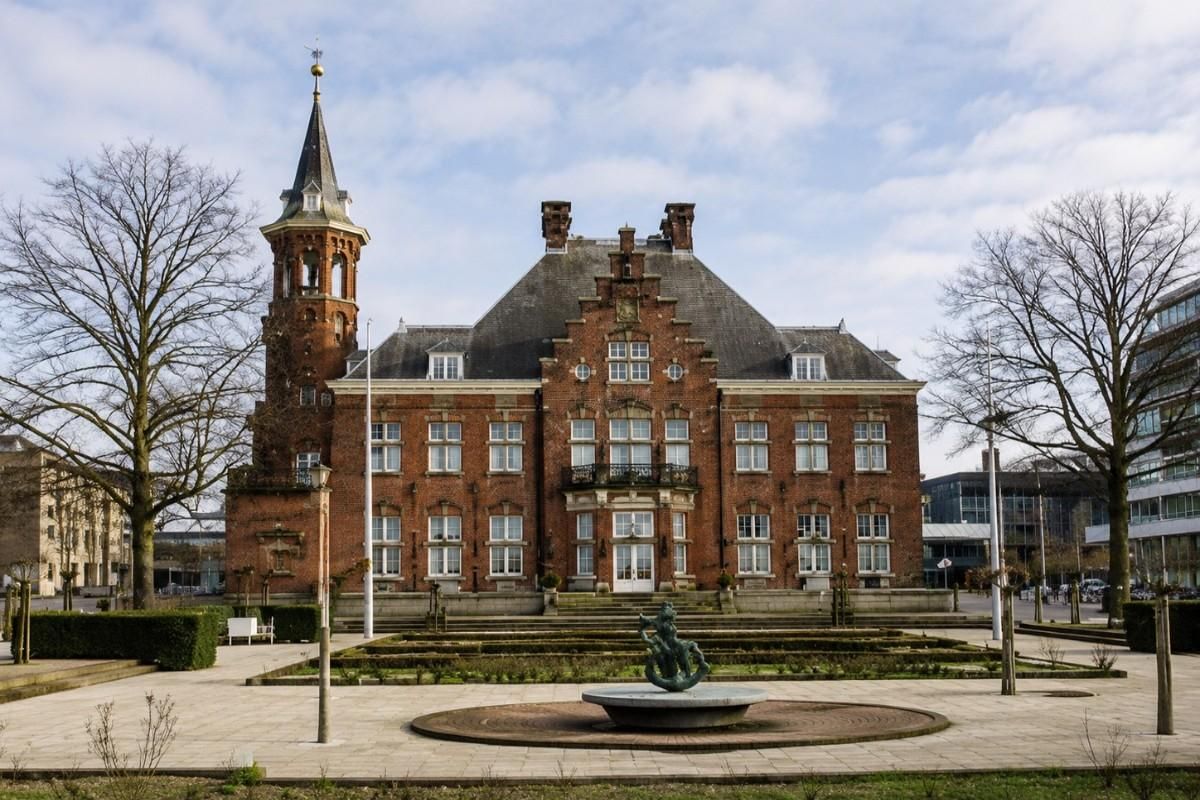
The Faculty of Medical Sciences at the University of Groningen, known in Dutch as Rijksuniversiteit Groningen Faculteit der Medische Wetenschappen, is one of the oldest and most respected centres of medical education in the Netherlands. The faculty forms a single teaching and research unit with the University Medical Center Groningen, better known as UMCG. Together they train doctors, dentists, movement scientists and biomedical researchers in the north of the country. The city of Groningen is a young, lively student town, and about one in four residents is a student. This gives the university a strong academic character and a warm, walkable campus feel that many international visitors find welcoming.
Medical teaching in Groningen has roots that go back to 1614, when the university itself was founded. The medical faculty is therefore counted among the earliest in Europe. Over the past four centuries it has produced a long line of physicians, scientists and Nobel-linked researchers, and it has grown into a full modern faculty with more than 3,400 students and around 3,500 staff. Today the six-year Medicine programme, called Geneeskunde in Dutch, is the flagship course. It leads to the professional title of arts, which is the Dutch legal title for a physician and the entry point to specialist training and to the national BIG register.
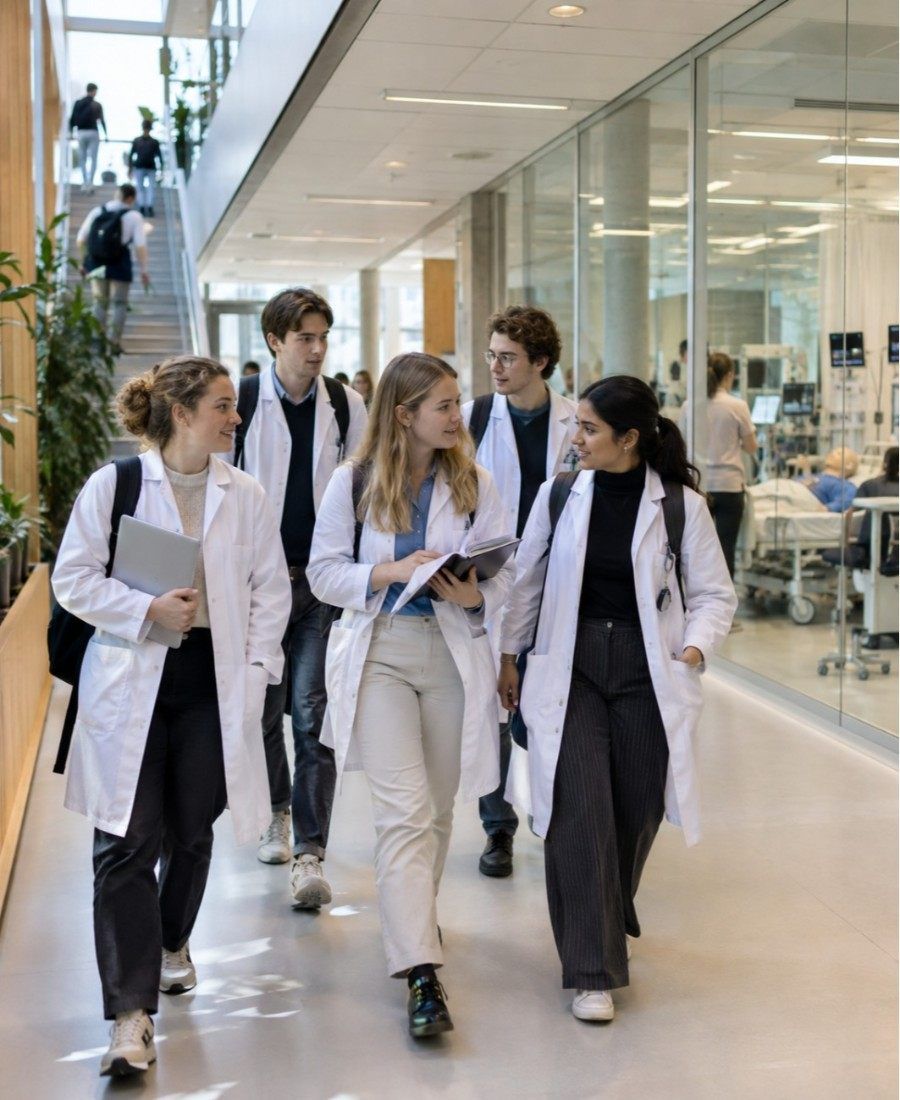
The programme is built as a three-year Bachelor of Science in Medicine followed by a three-year Master of Science in Medicine. The Bachelor gives students a strong base in the sciences that support medicine, such as anatomy, physiology, biochemistry, cell biology, pharmacology, microbiology and pathology. It also brings in early patient contact, communication skills and clinical reasoning. The Master is the fully clinical phase. Students rotate through the main hospital departments at UMCG and at partner hospitals across the north of the Netherlands, working with real patients under close supervision. By the end of the sixth year, graduates are ready to start work as junior doctors or to enter a specialty training path.
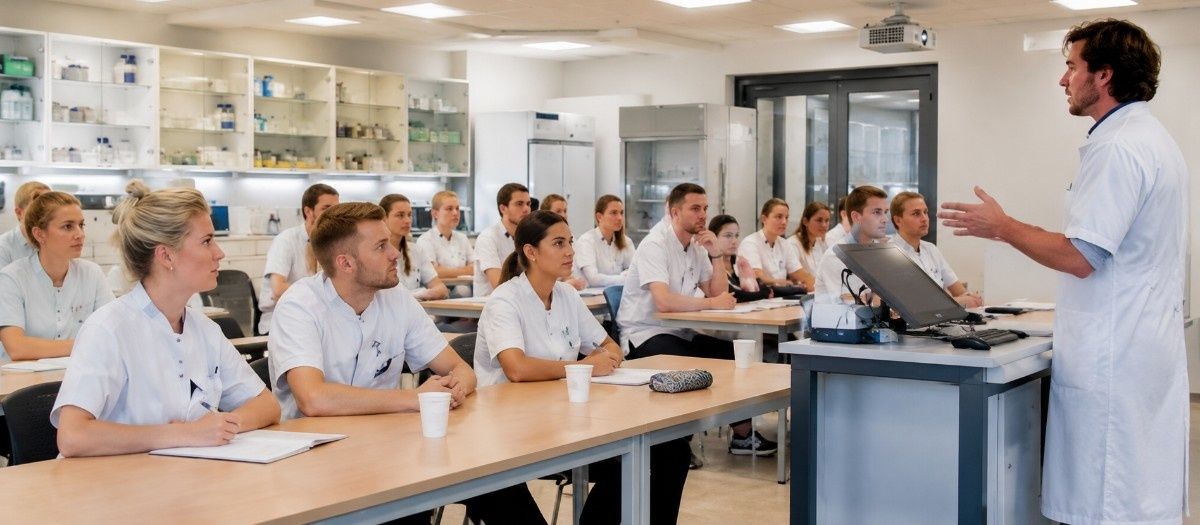
There are three clear things that make the Groningen curriculum stand out. It is focused on problems and puts the patient and student first. From the very first weeks, students get together in small groups to work on real or fake patient cases. They don't just sit and listen to lessons; they talk about the case, ask questions, look up answers, and then agree on what they all mean. A lot of people call this way of teaching "problem-based learning," or PBL. It makes them study regularly, which is something that every good doctor needs to do for the rest of their career. During the whole Bachelor, students also work in a Learning Community. Inside Care, Sustainable Care, Global Health, and Innovative Healthcare are the four Learning Communities. Each one looks at medicine through a different lens and shapes many of the skill-building events.
In Groningen, the Bachelor course units are split into three groups: Building Competencies, Building Knowledge, and Building Causes of Diseases. Organ by organ and system by system, the Causes of Diseases blocks explain how diseases work scientifically. Competence development blocks teach practical skills, how to communicate, professional behavior, ethics, and how to care for patients right away. Knowledge Development is checked by the national Voortgangstoets, a test of progress that is given four times a year at all Dutch medical schools. Students in Groningen can use this test to see how their medical knowledge has grown compared to that of their peers across the country. This helps them find gaps in their knowledge early on.
Staff at UMCG, which is one of the biggest hospitals in Europe, do most of the clinical training. UMCG has more than 1,300 beds and is a full university medical center. It is the main place for people in the northern Netherlands to go for medical care. A lot of work goes into its programs for transplants, heart disease, cancer, healthy aging, pediatrics, psychiatry, and rare illnesses. Students see all types of care, from simple first visits to complicated tertiary care. During the Master phase, they also spend time in teaching hospitals in Leeuwarden, Assen, Emmen, Zwolle, and Meppel, among other places. With this mix of academic and regional training, graduates can work with a wide range of patients, from those in cities to those in the country.
A theme that runs through research in Groningen is "Healthy Aging." The idea is simple: the staff looks into how to help people live long, healthy lives and how the health system can help them do that. Chronic diseases, cancer, the brain and behavior, lifestyle and prevention, and the biology of getting older are all things that are studied in research programs. One of the most important data sources that scientists at Groningen use is the Lifelines cohort study, which has been going on for a long time and follows more than 167,000 people from three generations in the north of the Netherlands. As a Bachelor student, you can join the Junior Scientific Masterclass and work on real projects with clinician scientists. If you want to do more research, you can even go on to the MD/PhD track, which takes six years.
Language is very important for international students. For the Bachelor, you need to be able to speak Dutch at a B1 level. By the time you start the Master's clinical rotations, you need to be able to speak Dutch at a C1 level with patients, their families, and staff. The faculty is there to help, and many foreign applicants spend a year studying Dutch intensively to get ready. The city of Groningen also has a hard numerus fixus. There are only 400 places available to study each year, and all applicants, Dutch or foreign, must pass through a national selection. Students are chosen based on their grades, tests, motivation, and other factors set by the teachers. Indian and other non-EEA students can't go straight to MBBS like they can in some schools in Eastern Europe.
A big reason why many students choose this faculty is the way of life in Groningen. The city is small and flat, and most people ride bikes there. It costs less to live here than in Amsterdam or Utrecht for rent, food, and other things. There are lots of coffee shops, bookstores, music places, and student groups in the historic center. UMCG is centrally located and it is only a few minutes by bike to get from the library to the hospital wards and the class halls. There are many foreign students and dozens of sports and cultural groups can be found at the student unions and the university's ACLO sports center. Many people speak English in shops and other public places which is convenient for students who are still learning Dutch.
The Groningen Medicine program graduates are listed as artists in the Netherlands. Once they have done what they need to do they can apply for the BIG register. After that they can go to the Netherlands to become specialists in areas like surgery, internal medicine, pediatrics, psychiatry, family medicine, public health and more. Some go into biomedical research, global health, health policy, or business. It is accredited by the NVAO, listed in the WDOMS World Directory of Medical Schools, and regularly ranked as one of the top 100 universities in the world by the most important global lists. If you are ready to learn Dutch, learn best in small groups, and want to get good academic and clinical training in a nice city in northern Europe, the Rijksuniversiteit Groningen Faculty of Medical Sciences is a serious and rewarding choice.
There are good services to help students. There is a study advisor for each year group, a team of student psychologists, career counseling, and help for international students with housing, insurance, and getting a permit to live in the U.S. The faculty runs mentor groups where senior students guide first years through the transition to university and to hospital based learning, which helps new students settle in fast and build lasting friendships across year groups.