The Maastricht University Faculty of Health, Medicine, and Life Sciences has quickly become one of the most well-known medical schools in Europe, despite the fact that it is one of the newest research universities in the country. This faculty, which is frequently referred to as FHML, is responsible for conferring both the Bachelor of Medicine and Master of Medicine degrees. 1974 was the year it was founded, and 1976 was the year it started teaching medical subjects. The institution did something that no other medical school in the country was doing at the time, and it did it every year from the very beginning. Instead of having lengthy discussions, the class was broken up into smaller groups and taught by the instructor. This method of education is referred to as "Problem-Based Learning," or PBL for short. Individuals did not come up with the concept of problem-based learning (PBL) in Maastricht; however, it was the first university in Europe to construct an entire medical course around it. The Maastricht model is currently being utilized as a guiding principle by medical schools in over fifty different countries of the world. The city attracts students from all around the world who are interested in observing how it operates.
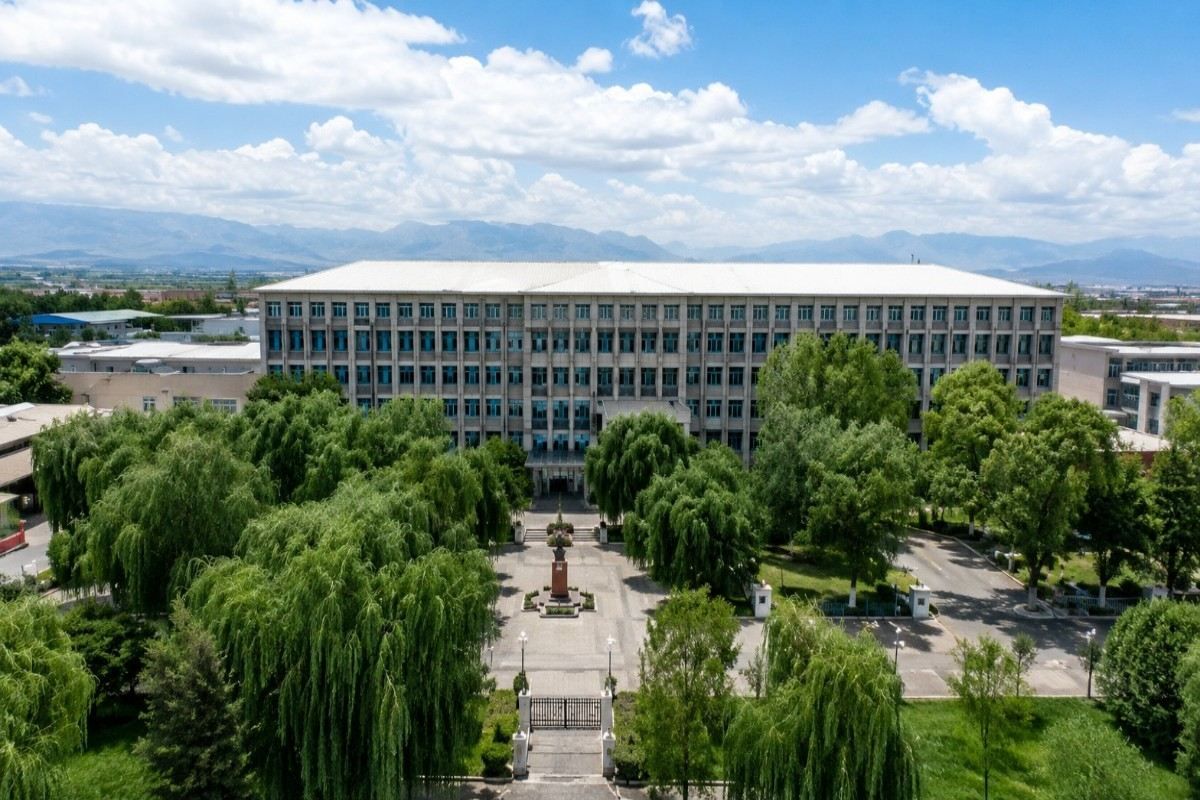
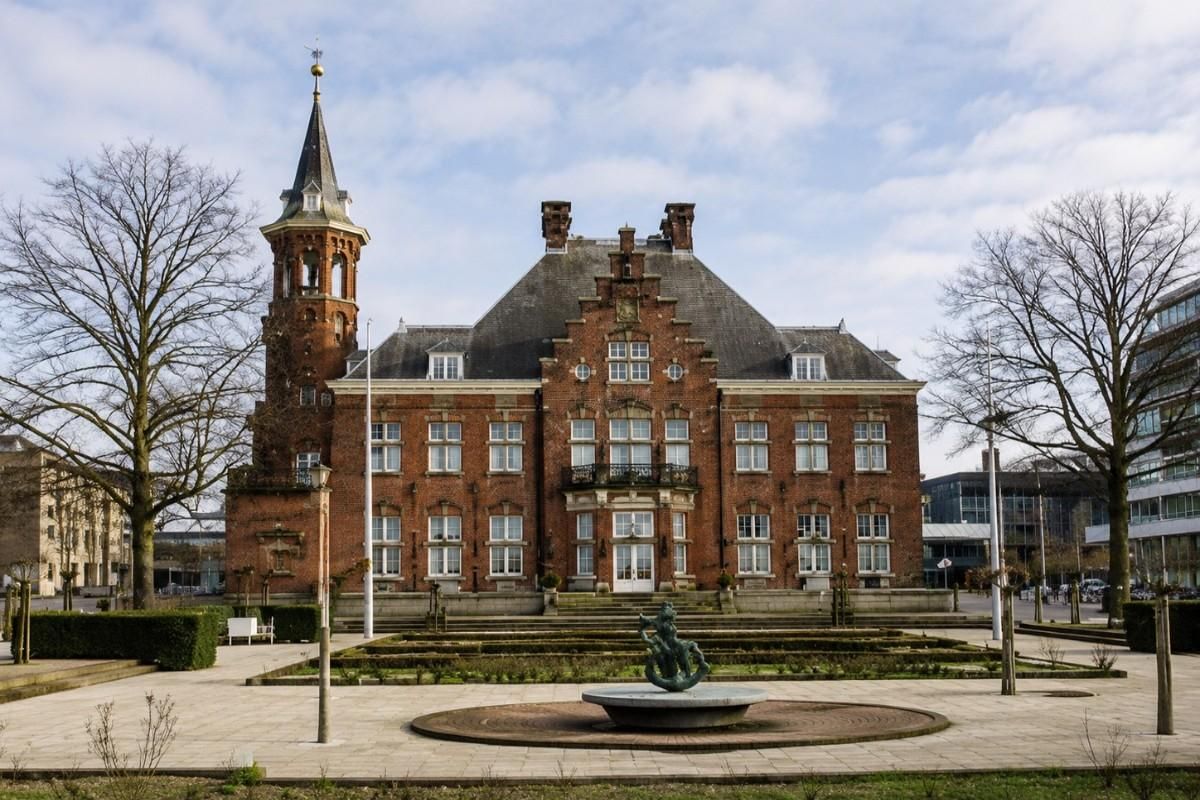
Maastricht is a tiny Dutch city in the extreme south. Netherlands, Belgium, and Germany are the three nations that come together at that meeting point. Because of its location, the school can be described as having a strong international feel. When students conduct clinical work, they meet a lot of people who speak Dutch, but some also speak German or French. Bike riding is a convenient and risk-free way to get around the city. The Randwyck campus is home to the medical school, which can be found right next to the Maastricht University Medical Center PLUS teaching hospital. Going from the classes to the dormitories can be accomplished on foot in a little under five minutes.
It is one of the reasons why the school functions so effectively that the college and the hospital are located in such close proximity to one another. It is common for doctors who teach to work the same shift as their students, and students are exposed to real-life cases from the very beginning of the course.
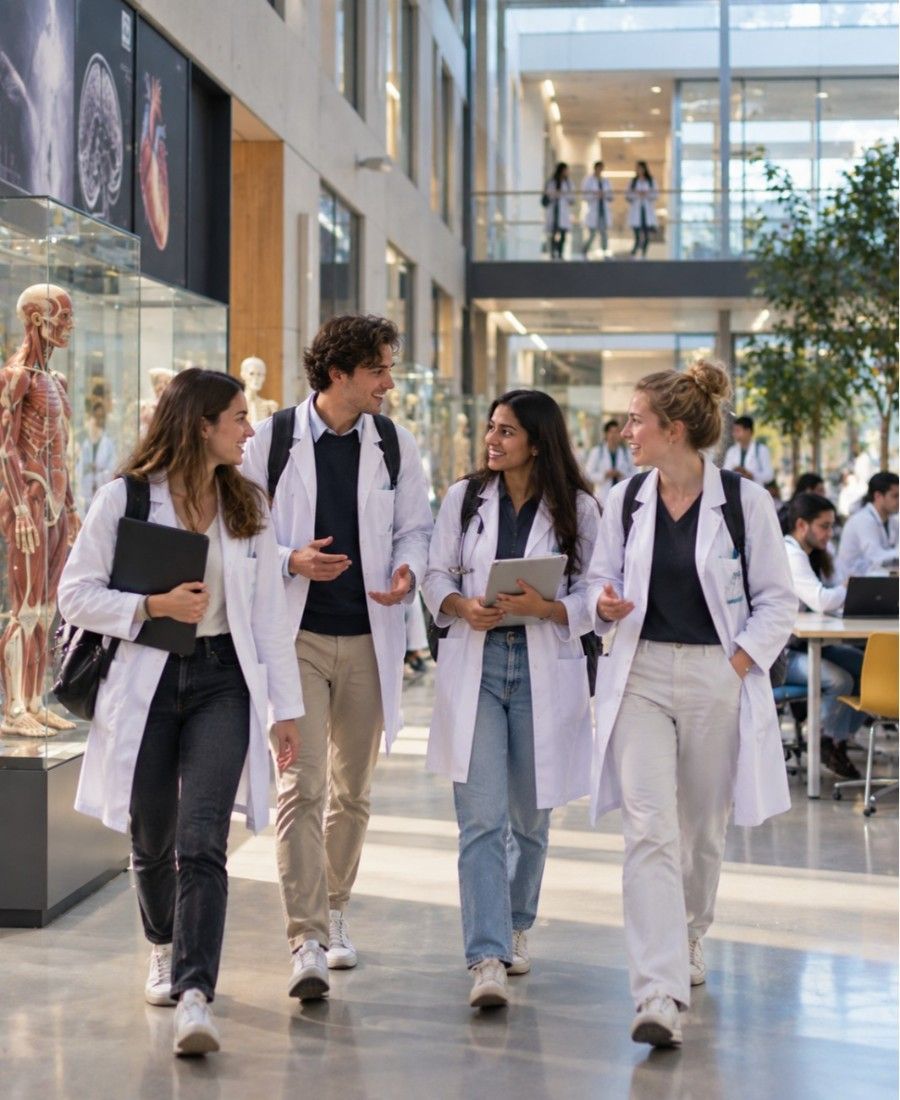
The Bachelor in Medicine at Maastricht lasts three years and is worth 180 ECTS credits. The main track is taught in Dutch, and there is also an English track for a limited number of international students. The English track is called the International Track in Medicine, or ITM. It follows the same PBL model as the Dutch track and leads to the same Bachelor degree. In both tracks, students work in tutorial groups of about ten. Each week they get a set of real patient tasks. They study the medical problem on their own, then meet as a group with a tutor to discuss what they found. This method trains students to think like doctors from day one. It also builds strong teamwork skills, which matter a lot in hospital work later on.
The three Bachelor years follow the natural line of a human being. Year one looks at the healthy body and the healthy person. Students learn basic anatomy, physiology, and how cells and organs work together. Year two looks at illness and how the body reacts when things go wrong. Students study disease processes, drugs, and the first ideas of diagnosis. Year three brings the two together and puts the patient in the middle. Students learn how to take a full history, how to do a basic physical exam, and how to plan simple treatment. During all three years, students also spend time in the skills lab. They practise things like listening to the heart, taking blood, and giving injections on models and on each other. Small clinical placements start in year two, so students see real patients well before the Master phase.
The Master in Medicine also lasts three years and is worth 180 ECTS credits. It is taught in Dutch only, and this is a hard rule for every medical school in the Netherlands. Students who do the English Bachelor track must reach at least B2 or C1 in Dutch before they can start the Master. Without this, they cannot pass the clinical years, because every patient chart, every ward round, and every talk with a family will be in Dutch. The Master is built around clinical rotations. In the first two years, students rotate through the main specialties. These include internal medicine, surgery, paediatrics, obstetrics and gynaecology, psychiatry, general practice, and neurology. The third Master year has a longer research project and a final full time rotation of the student's choice. This last rotation often takes place in a hospital abroad or in a rural setting in the Netherlands. After six years, the graduate holds the title of arts, which is the Dutch legal title for a medical doctor.
The faculty is also strong in research. It hosts several well known research schools, including CAPHRI for public health, NUTRIM for nutrition and metabolism, MHeNs for mental health and neuroscience, and CARIM for cardiovascular research. Medical students are encouraged to join a research project during the Bachelor and Master. Some students even publish papers before they graduate. The Maastricht UMC+ hospital is a full academic centre with all major specialties, and it has special expertise in cardiology, oncology, and rare metabolic diseases. Students who train here get exposure to both routine care and highly complex cases.
There are many people who believe that the student experience in Maastricht is among the best in all of Europe. There are over 120,000 people living in the city, and approximately 20,000 of them are students. This creates the impression that the entire city is a campus. In comparison to Amsterdam or Utrecht, rent is more affordable, and the majority of students live within a short bike distance of the university. MSV Pulse is the name of the student association for the nursing profession. Among its activities are trips to hospitals in other countries, a yearly gala, and support for academic endeavors. There is also a close connection between the faculty and universities in Germany and Belgium, and it is typical for the faculty to give joint talks with Aachen and Liège. As a result of the border location, a significant number of graduates wind up working in three different nations during the course of their careers.
The numerus fixus is the last concept that students from non-European countries, including Indian pupils, are required to comprehend. Every year, the Netherlands places a cap on the total number of medical seats available. Approximately 320 spots are available in the Dutch Bachelor's program, while approximately 60 spots are available in the English International Track. The university carries out the selection process on its own. The lottery does not exist. Rather than that, the faculty takes into consideration the student's grades, a written test, and frequently a brief assignment or interview. There is a lot of competition, and only a small percentage of those who apply are accepted. Students that are successful in obtaining admission, on the other hand, are able to enroll in one of the most prestigious medical schools in Europe, which adheres to a teaching methodology that has influenced medical education all over the world.