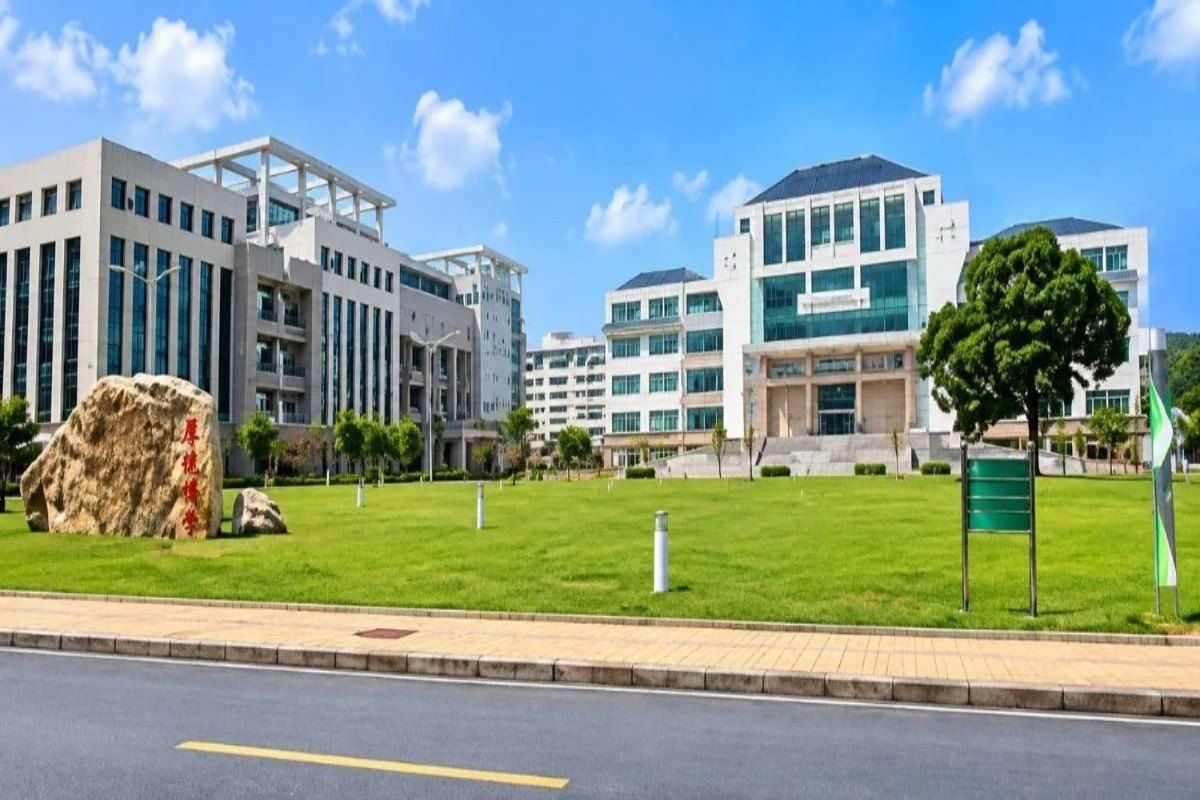
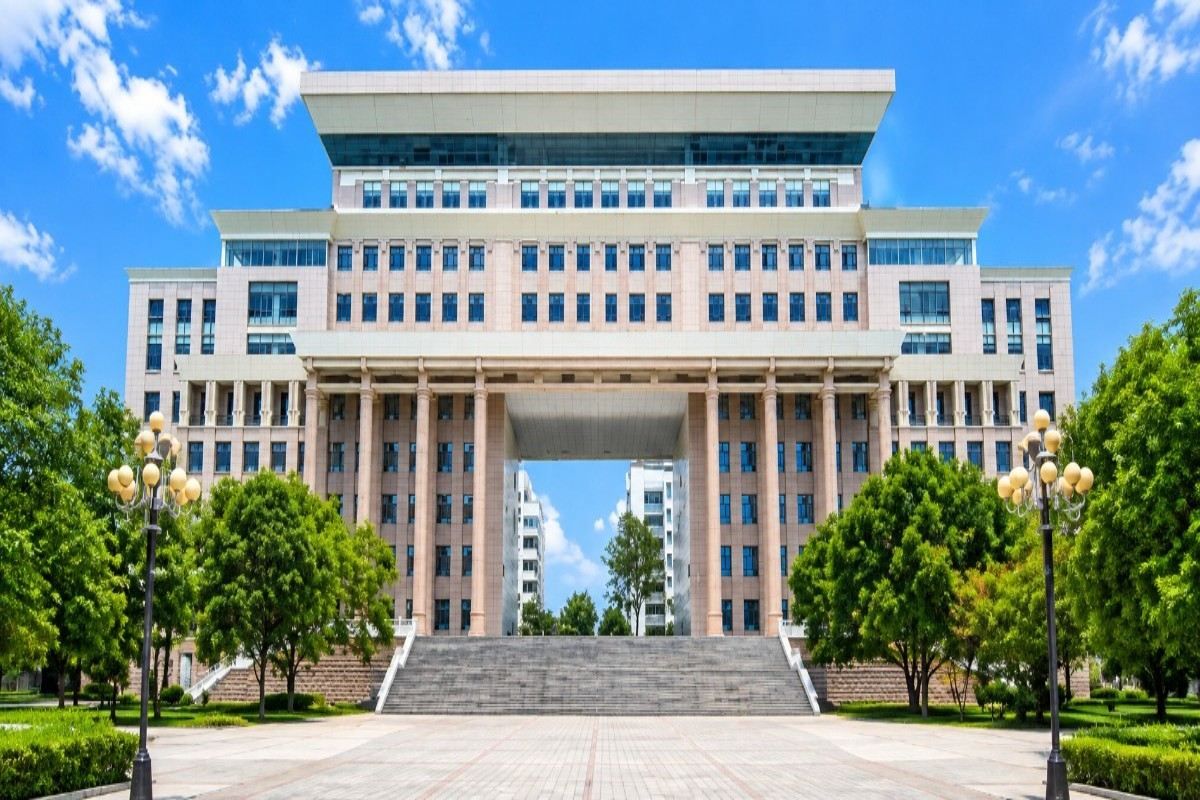
People mostly just call it GXUST for short. Here is genuinely one of the most eventful institutional histories covered in guides like this one. The university was originally established in Nanning in 1958, by the government of the Guangxi Zhuang Autonomous Region. Its own operations were then specifically suspended between 1961 and 1982, a real, documented multi-year institutional interruption, before the university was re-established in 1982 through a merger with Guangxi Light Industry College, Guangxi Mechanical Engineering College, and Guangxi Institute of Petroleum and Chemical Engineering, together forming Guangxi University of Technology, GXUT.
In 1985, GXUT relocated from Nanning to Liuzhou, becoming the only university based in that specific city at the time. Here is a fact most guides skip entirely. GXUST's own medical education programme traces specifically to 18 April 2013, when GXUT merged with Liuzhou Medical College, a genuinely separate predecessor institution providing dedicated medical training, with the combined institution formally approved by China's own Ministry of Education under its current name, Guangxi University of Science and Technology.
Here is genuinely current, specific, and directly sourced ranking data worth knowing in full. Per QS's own Top Universities platform, GXUST is ranked within the #1201-1300 band in the QS Asian University Rankings 2026, a real, specific, dated 2026 figure directly confirmed for this institution. This is a genuinely modest, honestly reported position, worth knowing directly rather than relying solely on the university's own promotional descriptions.
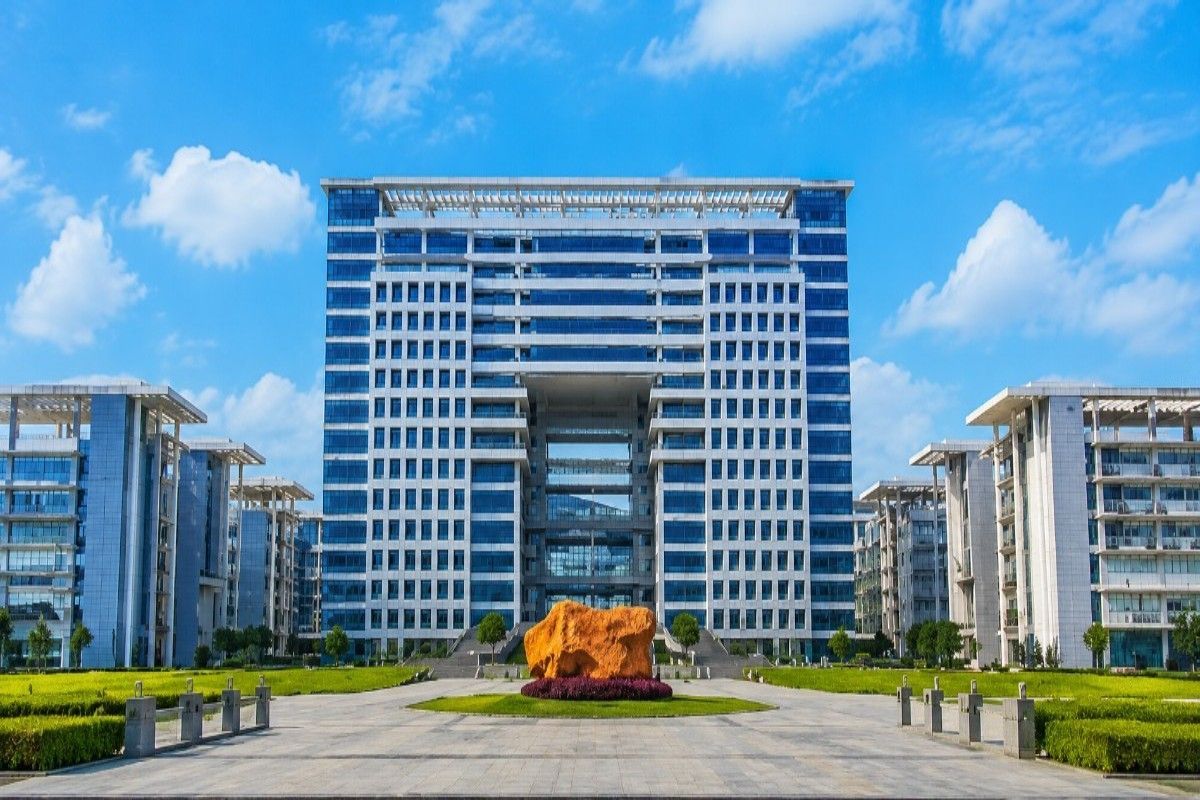
Liuzhou itself is described as a national-level historical and cultural city, and functions as Guangxi's own major industrial base, transport junction, and trade and logistics centre, genuinely the region's second-largest city. GXUST operates across three campuses, spanning roughly 270 to 374 hectares depending on the specific source, and comprises 20 secondary departments alongside 19 research institutes and two affiliated hospitals.
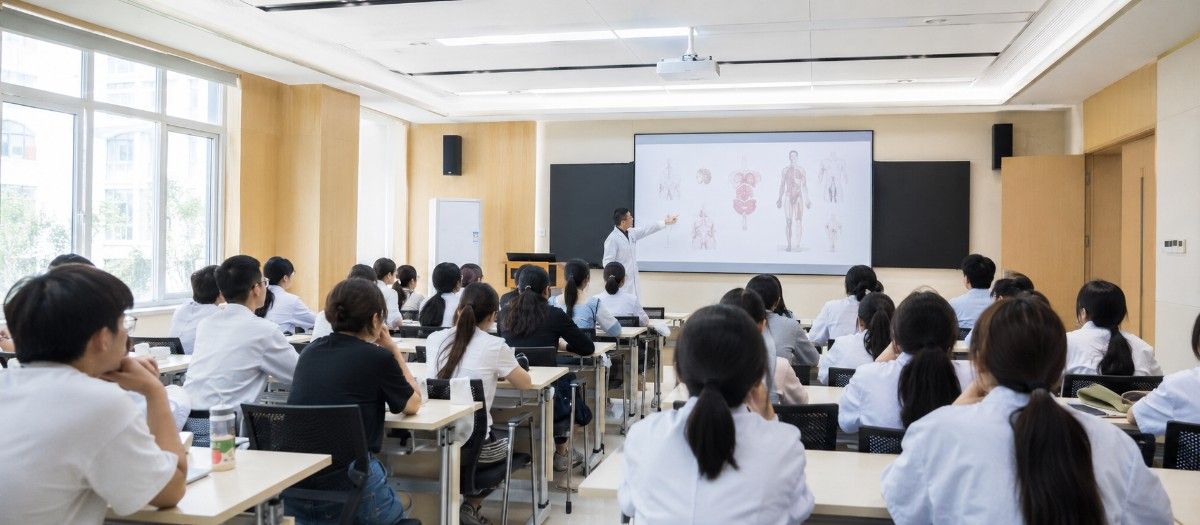
The university teaches more than 27,000 full-time students, across 79 undergraduate majors spanning nine discipline fields, engineering, management, science, medicine, economics, literature, law, art, and pedagogy, with Medicine specifically inherited from the 2013 Liuzhou Medical College merger. GXUST employs 1,421 full-time faculty and staff, with roughly 64.53 percent holding master's degrees or doctorates, and 39.19 percent holding senior professional titles.
GXUST holds three national construction sites of characteristic specialty, specifically authorised by China's Ministry of Education, alongside nine college-level key disciplines recognised at the regional level. Given the genuine information gap around GXUST's own specific medical programme details for international students, applicants specifically interested in studying Medicine here, as distinct from the considerably more internationally documented Guangxi Medical University, should treat direct, written confirmation from GXUST's own admissions office as a genuinely essential first step.
NEET remains a genuine requirement for Indian applicants pursuing medical study in China generally, and Indian graduates would still need to clear the FMGE or NExT exam to practise medicine back in India, though applicants should confirm whether GXUST specifically offers an English-medium MBBS pathway comparable to that of other, more established Chinese medical universities covered in comparable guides.
Guangxi Zhuang Autonomous Region itself is genuinely one of China's more ethnically diverse regions, home to the Zhuang people, China's largest ethnic minority group, alongside considerable Han Chinese and other minority communities. Liuzhou specifically carries a real, documented history as an important industrial centre, with genuine strengths in automobile manufacturing and machinery production, giving the wider city a distinctive industrial character quite different from more purely academic or tourist-oriented Chinese cities.
Given how genuinely different GXUST's own institutional profile is from Guangxi Medical University's considerably more internationally established MBBS pathway, prospective applicants specifically interested in medical study here should weigh this real, practical distinction carefully. This is not necessarily a reason to dismiss GXUST outright, particularly given its own confirmed medical education programmes inherited from the 2013 Liuzhou Medical College merger, and its own current, specific 2026 QS Asian ranking, but it is a genuine, practical consideration worth taking seriously given how much basic institutional detail for international medical applicants remains unconfirmed across the sources reviewed for this profile.
Fee figures here represent a genuine information gap worth being upfront about, since GXUST's own official tuition pages redirect applicants directly to the Admissions Office rather than publishing a fixed rate; reasonable, clearly labelled estimates are provided below so applicants have usable figures rather than an unhelpful dead end.
Cost Item | Amount | Notes |
Tuition Fee (estimated, general China reference) | Approx. USD 3,000-5,500/year (undergraduate); higher for Medicine specifically | GXUST's own official sources direct applicants to contact Admissions directly rather than publishing a fixed figure; estimated from general Chinese public-university tuition bands |
Hostel/Accommodation Fee (estimated) | Approx. USD 500-1,200/year (shared dormitory) or USD 1,000-2,000/year (single room) | Not separately confirmed for GXUST specifically; estimated from typical Chinese public-university international dormitory rates. Confirm directly with GXUST |
Health Insurance (estimated) | Approx. USD 100-200/year | International students in China are generally required to hold health insurance; confirm the current requirement and exact cost directly with GXUST |
Food/Meal Expenses (estimated) | Approx. USD 100-200/month | A general estimate for food and daily living costs on a Chinese university campus; canteens typically offer subsidised meal options |
Visa and Application Fees (estimated) | Approx. USD 150-300, one-time | A general estimate covering application processing and student visa fees |
Total 6-Year Estimate (tuition + hostel + insurance, low end) | Approx. USD 24,000-46,000 | A combined estimate based on the ranges above; genuinely approximate, and should be confirmed directly with GXUST before budgeting |
Note: no capitation fee is confirmed at any stage. The figures above are genuinely estimated ranges rather than GXUST-specific confirmed figures, since the university's own materials direct applicants to contact Admissions directly; request the university's own current, official, itemised fee schedule before finalising a budget.
Why GXUST Deserves a Harder Look, and a More Careful One
Most lists searching for "Guangxi" medical education default to Guangxi Medical University, without addressing GXUST specifically, or explaining the real risk of confusing the two. However, they do not explain GXUST's own genuinely eventful institutional history, or how comparatively recent its own medical education offer actually is. The reason is simple. It is about a real naming overlap most guides skip entirely, and a genuinely dramatic institutional interruption worth knowing directly.
GXUST is not like most other Chinese universities covered in comparable guides when it comes to its own institutional continuity. In fact, its operations were specifically suspended for more than two decades, from 1961 to 1982, before being re-established through a multi-institution merger. Furthermore, this genuine, documented interruption is a real, dramatic institutional history, not a minor administrative pause.
The university's own comparatively recent medical education offer also matters more than most guides let on. For example, most guides describing Chinese medical education for international students focus on considerably older, more established institutions like Guangxi Medical University, founded in 1934. GXUST's own medical programme specifically traces only to the 2013 merger with Liuzhou Medical College. Moreover, this genuinely more recent history means applicants should approach GXUST's own medical offer with real, direct verification rather than assuming it mirrors the considerably longer-established international MBBS pathway found at GXMU.
One thing most other blogs miss is GXUST's own genuinely current, specific 2026 QS ranking. In addition to standard due diligence, GXUST is confirmed at #1201-1300 in the QS Asian University Rankings 2026, a real, dated, verifiable figure rather than a vague or absent ranking claim. Since this genuinely modest position deserves honest, direct acknowledgement rather than omission, applicants get a considerably more complete, current picture of GXUST's own global academic standing here.