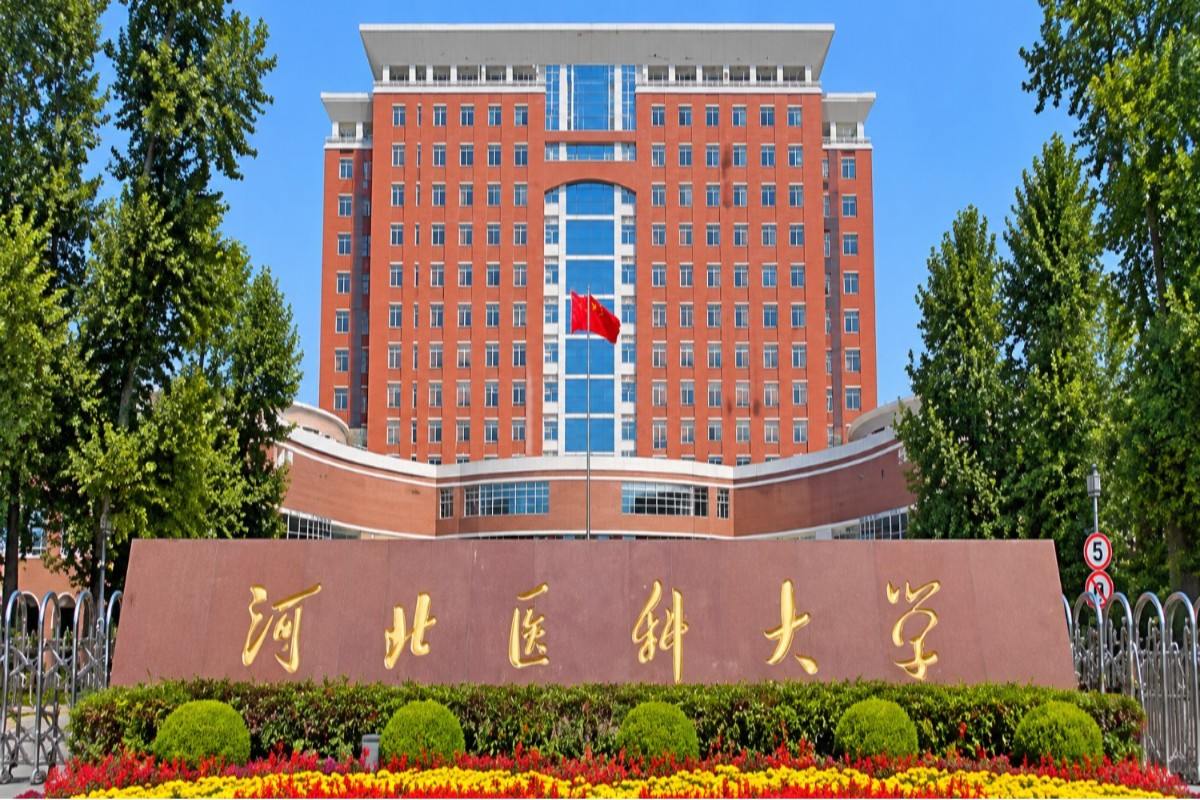
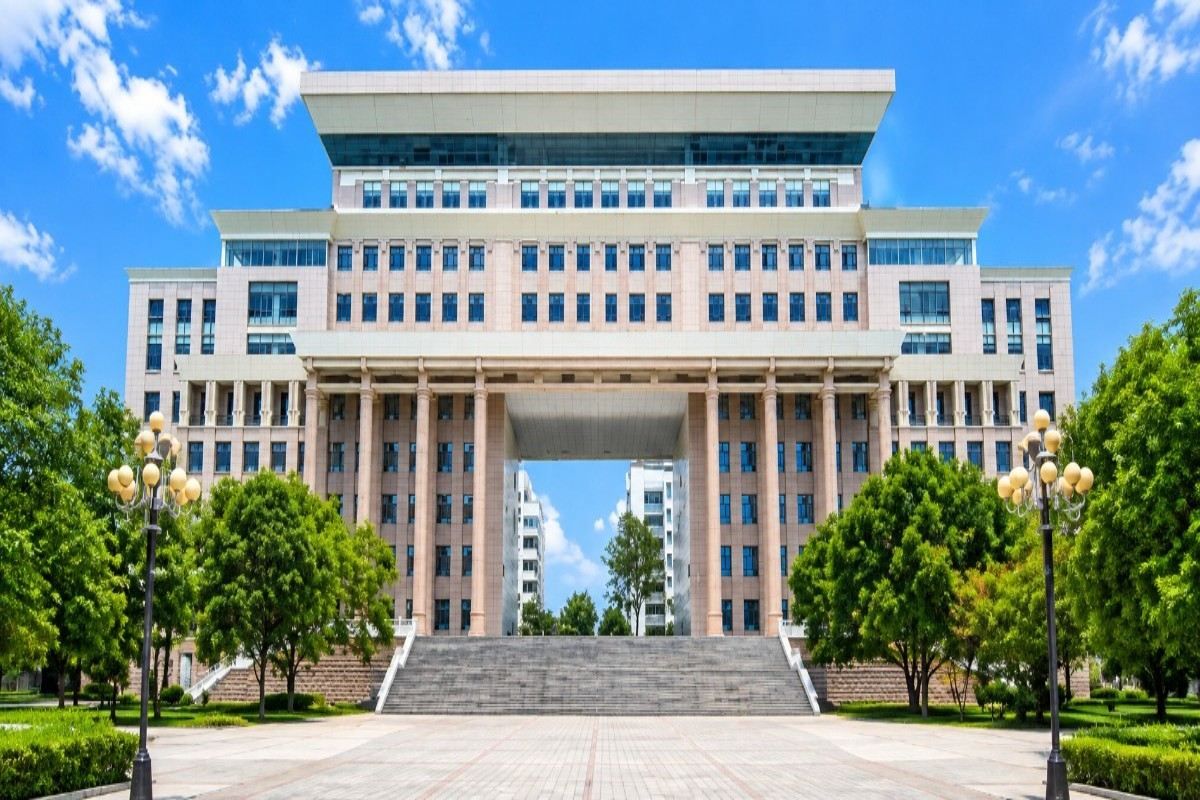
People mostly just call it Hebei University for short. Here is genuinely one of the most layered, well-documented founding histories covered in guides like this one. The wider university traces to 1921, originally founded in Tianjin by French Jesuits under the name Institut des Hautes Études et Commerciales de Tientsin. The institution then passed through several distinct renamings, becoming Tianjin Commercial College, then Jingu University, then Tianjin Normal College, and then Tianjin Normal University, before being reformed into a comprehensive university and renamed Hebei University in 1960. In 1970, the university relocated to Baoding, Hebei Province, where it remains based today.
Here is a genuinely specific, dated detail worth knowing directly about the university's own Medical College specifically. In 2005, Hebei Medical Staff College, a separate, specialised institution, along with its own affiliated hospital, was formally incorporated into Hebei University, establishing the Medical College as one of the wider university's own faculties. This means Hebei University's own medical education offer is considerably more recent than the wider university's own 1921 founding, and considerably more recent than the standalone Hebei Medical University's own 1894 origin.
Hebei University is genuinely the only comprehensive university in Hebei Province directly administered by both the Hebei provincial government and China's own Ministry of Education jointly, a formal co-construction arrangement specifically signed in 2018. The university has been recognised as a key "Double First-Class" construction institution by Hebei Province since 2016, and was included in the national "Middle and Western Higher Education Revitalisation Plan" in 2012.
The wider university currently teaches approximately 42,000 to 44,200 full-time students, including around 28,000 to 38,700 undergraduates and more than 5,500 to 6,400 postgraduate students, depending on the specific source and count date. At least one source specifically confirms 169 international students studying at the university overall, though Medical College-specific international enrolment figures were not separately confirmed.
Given the genuine information gap around the Medical College's own specific tuition, hostel, and international admission details, distinct from the considerably more documented standalone Hebei Medical University, applicants specifically interested in studying medicine at Hebei University should treat direct, written confirmation from the university's own admissions office as a genuinely essential first step, rather than relying on any consultancy source that may have conflated it with one of the other similarly named institutions.
NEET remains a genuine requirement for Indian applicants pursuing medical study in China generally, and Indian graduates would still need to clear the FMGE or NExT exam to practise medicine back in India, though applicants should confirm whether Hebei University's own Medical College specifically offers an English-medium MBBS pathway for international students directly.
Fee figures here represent a genuine information gap worth being upfront about, since virtually all specific tuition and hostel figures found during research for this profile actually describe the separate, standalone Hebei Medical University, rather than Hebei University's own Medical College specifically.
Cost Item | Amount | Notes |
Tuition Fee (estimated, general China reference) | Approx. USD 3,000-5,500/year | Genuinely not confirmed as Hebei University Medical College-specific; estimated from general Chinese public-university tuition bands. Confirm directly with the university |
Hostel/Accommodation Fee (estimated) | Approx. USD 500-1,500/year | Not separately confirmed for the Medical College specifically; estimated from typical Chinese public-university international dormitory rates |
Health Insurance (estimated) | Approx. USD 100-200/year | Not separately confirmed for the Medical College specifically; a general estimate for international student health coverage in China |
Food/Meal Expenses (estimated) | Approx. USD 100-200/month | A general estimate for food and daily living costs on a Chinese university campus |
Visa and Application Fees (estimated) | Approx. USD 150-300, one-time | A general estimate covering application processing and student visa fees |
Total 6-Year Estimate (tuition + hostel + insurance, low end) | Approx. USD 21,000-44,000 | A combined estimate based on the ranges above; genuinely approximate, and should be confirmed directly with the university before budgeting |
Note: given how consistently search results for Hebei University's Medical College actually describe the separate, standalone Hebei Medical University, request the university's own current, official, itemised fee schedule directly, specifically confirming which institution the figures describe before finalising a budget.
Why Hebei University's Medical College Deserves a Harder Look, and a Considerably More Careful One
Most lists searching for medical education under the "Hebei" name default to the standalone Hebei Medical University, without addressing Hebei University's own separate Medical College specifically, or explaining just how many genuinely distinct "Hebei"-named institutions actually exist. However, they do not explain these specific issues directly. The reason is simple. It is about a real, four-way naming overlap most guides skip entirely, and a genuinely specific, dated incorporation story worth knowing directly.
Hebei University's Medical College is not like most other Chinese medical faculties covered in comparable guides when it comes to how it actually came to exist. In fact, it wasn't part of the university's own original 1921 founding at all, but was instead formed considerably later, in 2005, when a separate, specialised institution, Hebei Medical Staff College, was incorporated into the wider, already-comprehensive Hebei University. Furthermore, this genuinely specific, dated incorporation story is considerably different from the standalone founding histories of most other Chinese medical universities covered in this whole series.
The sheer scale of "Hebei" naming overlap also matters more than most guides let on. For example, most guides describing Chinese medical education under a provincial name address at most one or two similarly named institutions. This specific "Hebei" cluster genuinely comprises at least four distinct institutions with medical connections, Hebei Medical University, Hebei University's own Medical College, Hebei North University, and Hebei University of Chinese Medicine. Moreover, applicants researching any one of these specifically must exercise real, sustained caution, since search results for any one name frequently surface content belonging to the others.
One thing most other blogs miss is Hebei University's own genuinely distinctive institutional character as a comprehensive university, rather than a dedicated medical school. In addition to standard due diligence, the university is the only comprehensive institution in Hebei Province under joint Ministry of Education and provincial government construction, with Medicine specifically just one faculty among many. Since this is a real, structural difference from the standalone medical universities covered elsewhere in this whole series, applicants get a genuinely more accurate picture of what studying medicine at Hebei University specifically would actually involve.