People mostly just call it HUE for short. Here is a fact most guides skip entirely, and it deserves careful, honest treatment. HUE's own School of Medicine traces to a specific, named predecessor institution, Handan Medical College, one of four separate institutions merged together in 2003 to form HUE, alongside the Hebei Institute of Architectural Science and Technology, the North China Institute of Water Conservancy and Hydro-electric Power, and Handan Agriculture College. In 2006, China's own Ministry of Education authorised the merged institution to adopt its current name, Hebei University of Engineering.
Here is a genuinely worth-flagging inconsistency found even within a single detailed source. Wikipedia's own infobox for HUE lists an established date of 2012, while the same article's own body text specifically describes the 2003 four-way merger and 2006 renaming in detail. Given this real, internal discrepancy, this profile treats 2003 as the more likely accurate founding date, since it is supported by specific, named predecessor institutions and a dated Ministry of Education renaming, though applicants should independently confirm this directly.
HUE is located in Handan, a city specifically described by the university's own materials as "the Capital of Chinese Idioms," reflecting Handan's own genuine, well-documented cultural significance as the source of numerous classical Chinese sayings still in use today. HUE is jointly funded by the Hebei Provincial Government and China's own Ministry of Water Resources, a genuinely specific, somewhat unusual funding structure reflecting the university's own water conservancy heritage.
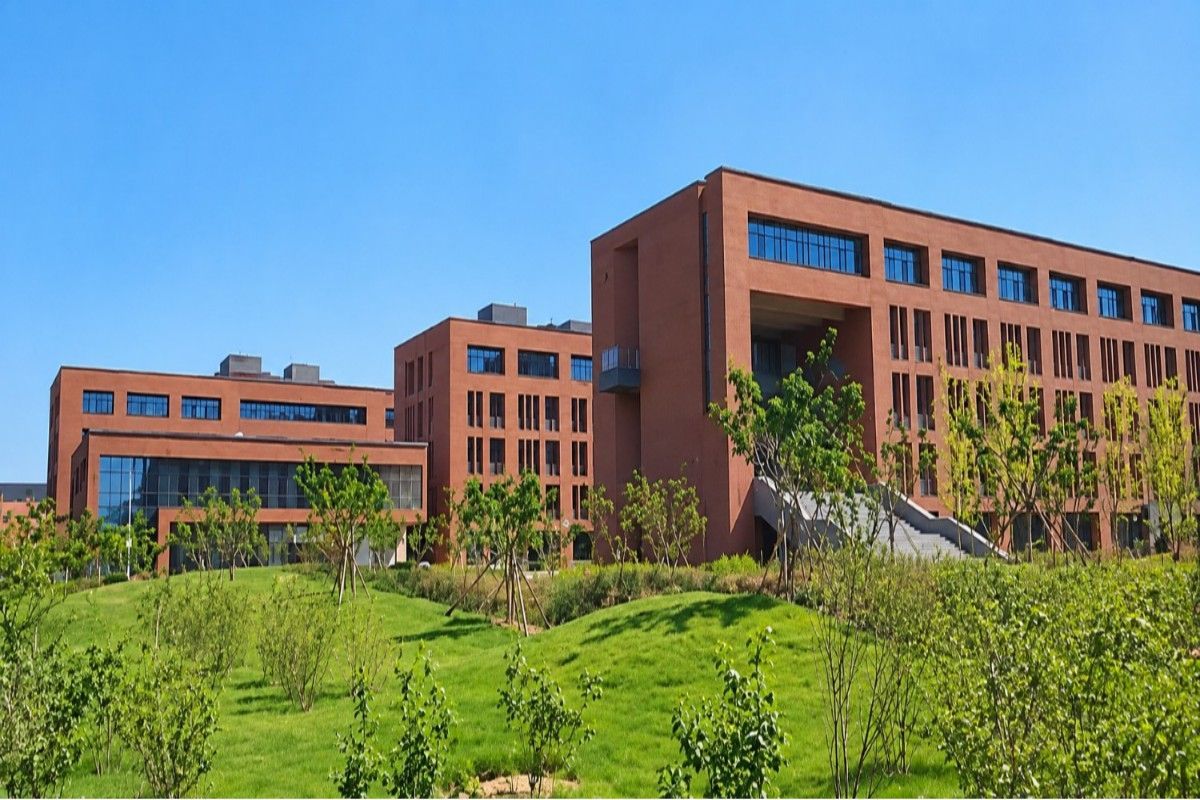
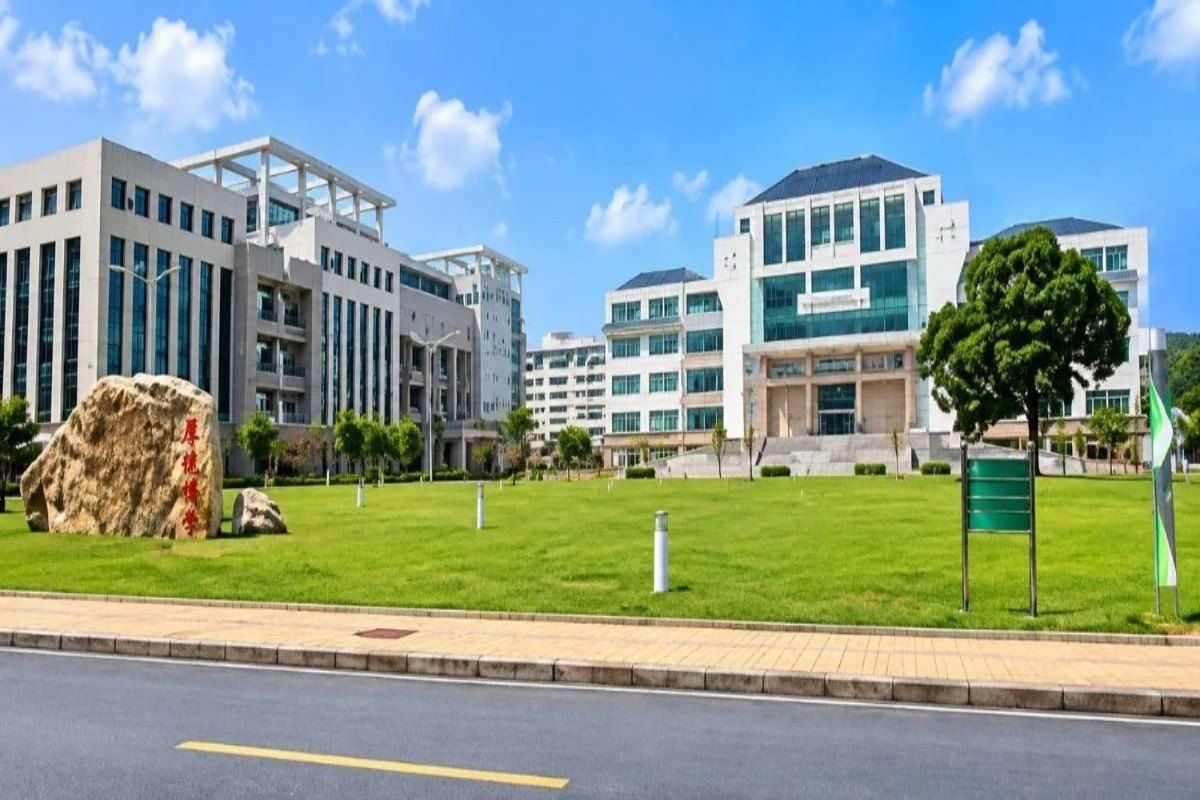
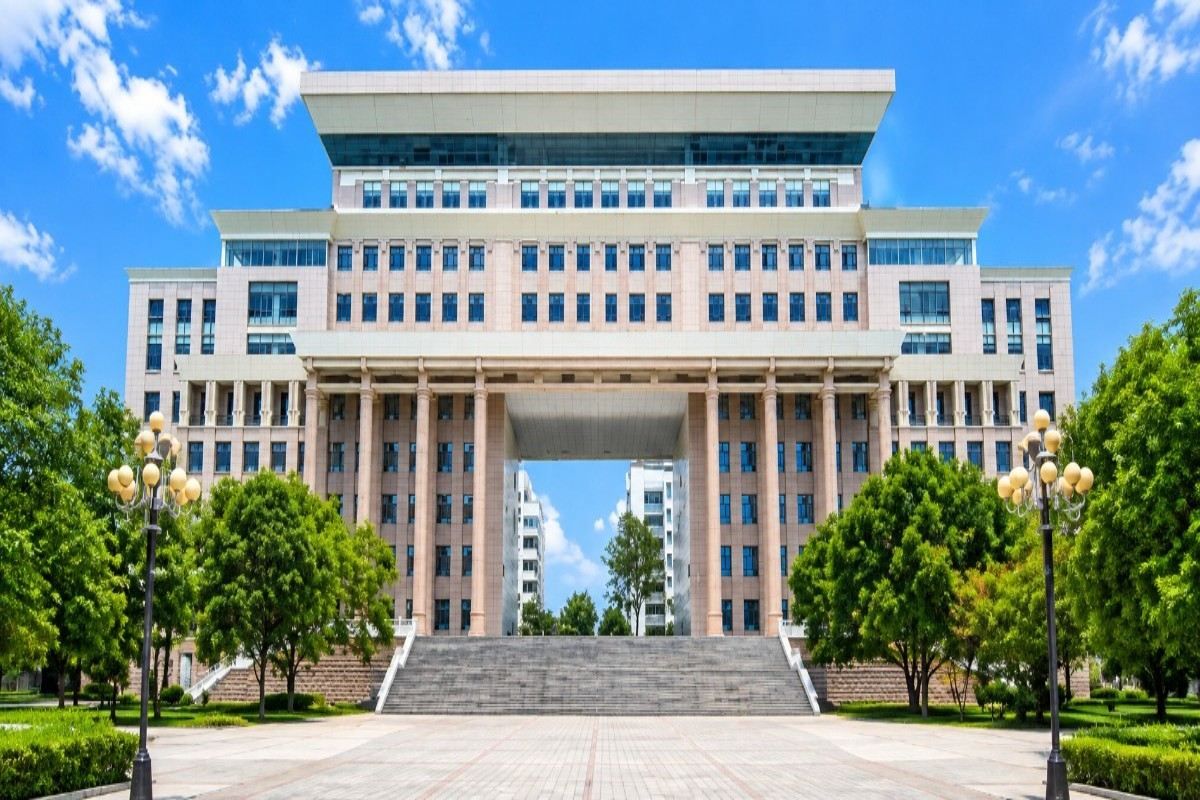
HUE operates across four campuses, Main, Zhong Hua Nan, Congtai, and Mingguan, together covering approximately 2,340 mu, or 1,560,800 square metres. The university describes itself as having a distinctive engineering focus, with 70 of its own 87 total undergraduate programmes, roughly 80 percent, specifically related to engineering; Medicine is genuinely just one of 11 total discipline fields covered, alongside sciences, management, agriculture, humanities, economics, law, arts, education, and history.
Here is genuinely current, specific ranking data worth knowing in full, drawn from multiple independent platforms. Per CWUR's own 2025 rankings, HUE is placed 1,987th globally, out of approximately 21,462 universities assessed. Separately, U.S. News's own Best Global Universities ranking places HUE at approximately 2,151st. These are genuinely modest, honestly reported figures, worth knowing directly.
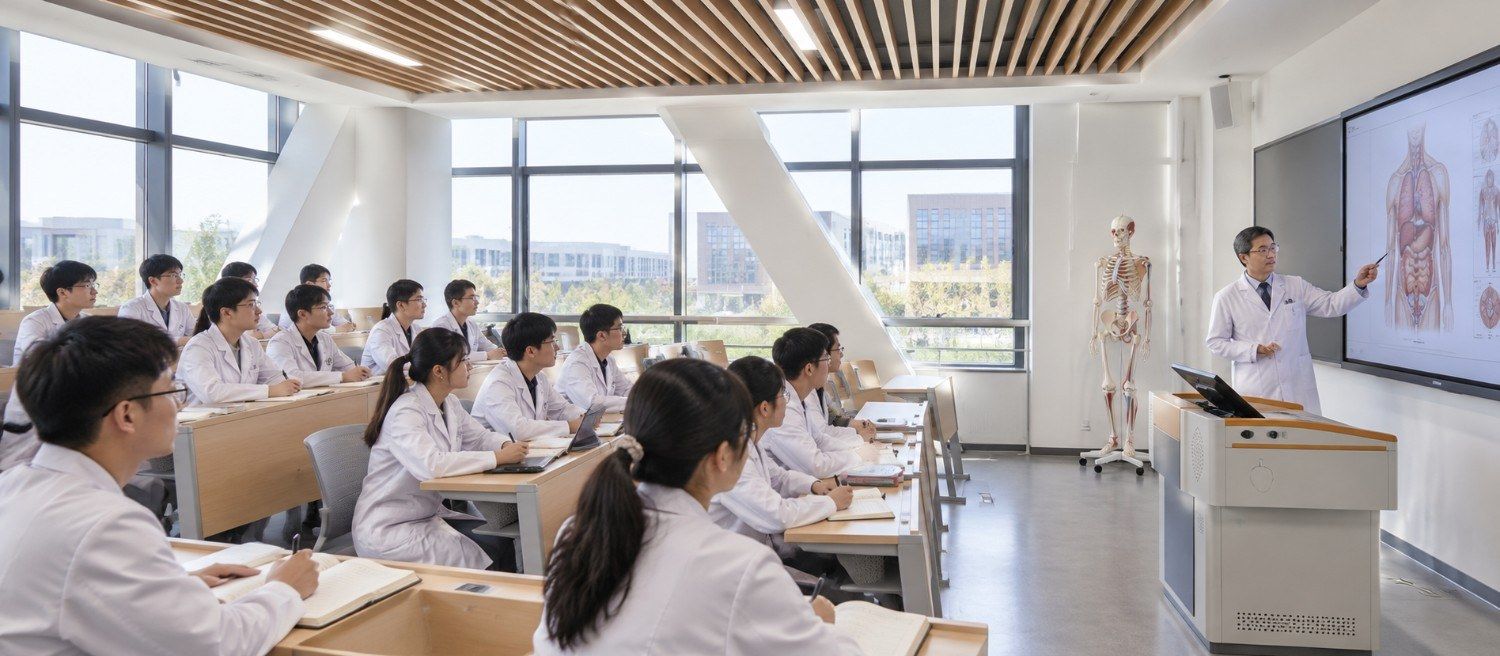
HUE currently teaches 23,961 full-time undergraduates and 2,427 graduate students, supported by 2,265 faculty members, of whom 1,770 are full-time. The university reports 156 international students currently enrolled overall, though School of Medicine-specific international figures were not separately confirmed.
NEET remains a genuine requirement for Indian applicants pursuing medical study in China generally, and Indian graduates would still need to clear the FMGE or NExT exam to practise medicine back in India, though applicants should confirm whether HUE's own School of Medicine specifically offers an English-medium MBBS pathway for international students directly, given how limited detailed, School of Medicine-specific admission information currently is.
Fee figures here represent a genuine information gap worth being upfront about, since a specific, confirmed School of Medicine-only tuition rate was not found across the sources reviewed, distinct from the considerably more documented standalone Hebei Medical University.
Cost Item | Amount | Notes |
Tuition Fee (estimated, general China reference) | Approx. USD 3,000-5,500/year | Not confirmed as HUE School of Medicine-specific; estimated from general Chinese public-university tuition bands. Confirm directly with HUE |
Hostel/Accommodation Fee (estimated) | Approx. USD 500-1,500/year | Not separately confirmed for the School of Medicine specifically; estimated from typical Chinese public-university international dormitory rates |
Health Insurance (estimated) | Approx. USD 100-200/year | Not separately confirmed for the School of Medicine specifically; a general estimate for international student health coverage in China |
Food/Meal Expenses (estimated) | Approx. USD 100-200/month | A general estimate for food and daily living costs on a Chinese university campus |
Visa and Application Fees (estimated) | Approx. USD 150-300, one-time | A general estimate covering application processing and student visa fees |
Total 6-Year Estimate (tuition + hostel + insurance, low end) | Approx. USD 21,000-44,000 | A combined estimate based on the ranges above; genuinely approximate, and should be confirmed directly with HUE before budgeting |
Note: given how crowded the "Hebei" naming field genuinely is, request HUE's own current, official, itemised fee schedule directly, specifically confirming which institution the figures describe before finalising a budget.
Why HUE's School of Medicine Deserves a Harder Look, and a Considerably More Careful One
Most lists searching for medical education under the "Hebei" name default to the standalone Hebei Medical University, without addressing HUE's own School of Medicine specifically, or explaining just how many genuinely distinct "Hebei"-named institutions with medical connections actually exist. However, they do not explain these specific issues directly. The reason is simple. It is about a real, now five-way naming overlap most guides skip entirely, and a genuinely specific, four-institution merger history worth knowing directly.
HUE's School of Medicine is not like most other Chinese medical faculties covered in comparable guides when it comes to how many separate predecessor institutions genuinely merged to form the wider university. In fact, HUE specifically formed from four separate institutions in 2003, a water conservancy institute, an architectural science institute, an agriculture college, and a dedicated Handan Medical College. Furthermore, this genuinely specific, four-way merger, considerably more complex than a simple, single-predecessor founding, deserves direct acknowledgement rather than a vague "established in [year]" framing.
The internal discrepancy found even within Wikipedia's own article also matters more than most guides let on. For example, most guides describing a Chinese university's founding treat a single infobox figure as definitively correct. HUE's own Wikipedia infobox lists 2012, while the same article's own body text describes a considerably more specific, dated 2003 merger and 2006 renaming. Moreover, this genuine, internal source inconsistency deserves honest, direct acknowledgement, rather than silently picking whichever figure appears first.
One thing most other blogs miss is HUE's own genuinely current, multi-platform ranking data. In addition to standard due diligence, CWUR places HUE at 1,987th globally for 2025, while U.S. News places it at approximately 2,151st. Since these are real, specific, cross-referenced figures from two independent ranking platforms rather than a single, unconfirmed claim, applicants get a genuinely more complete picture of HUE's own current global standing.