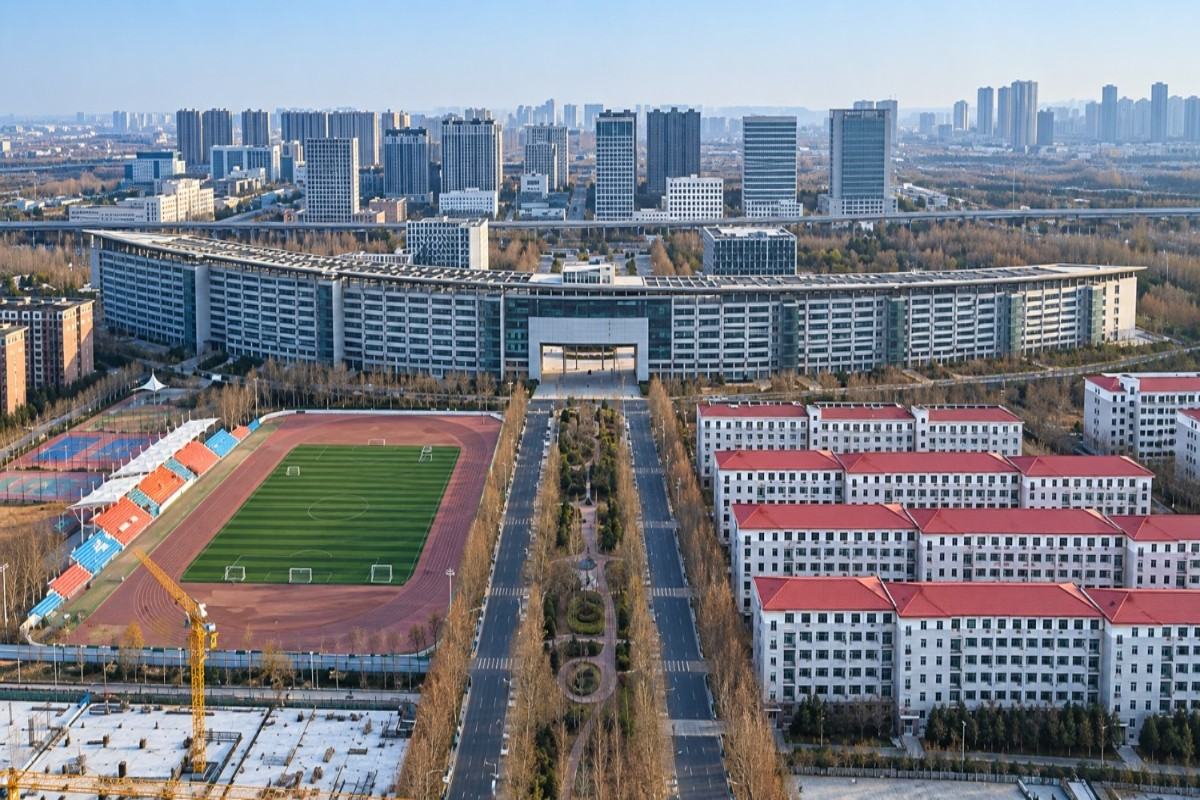
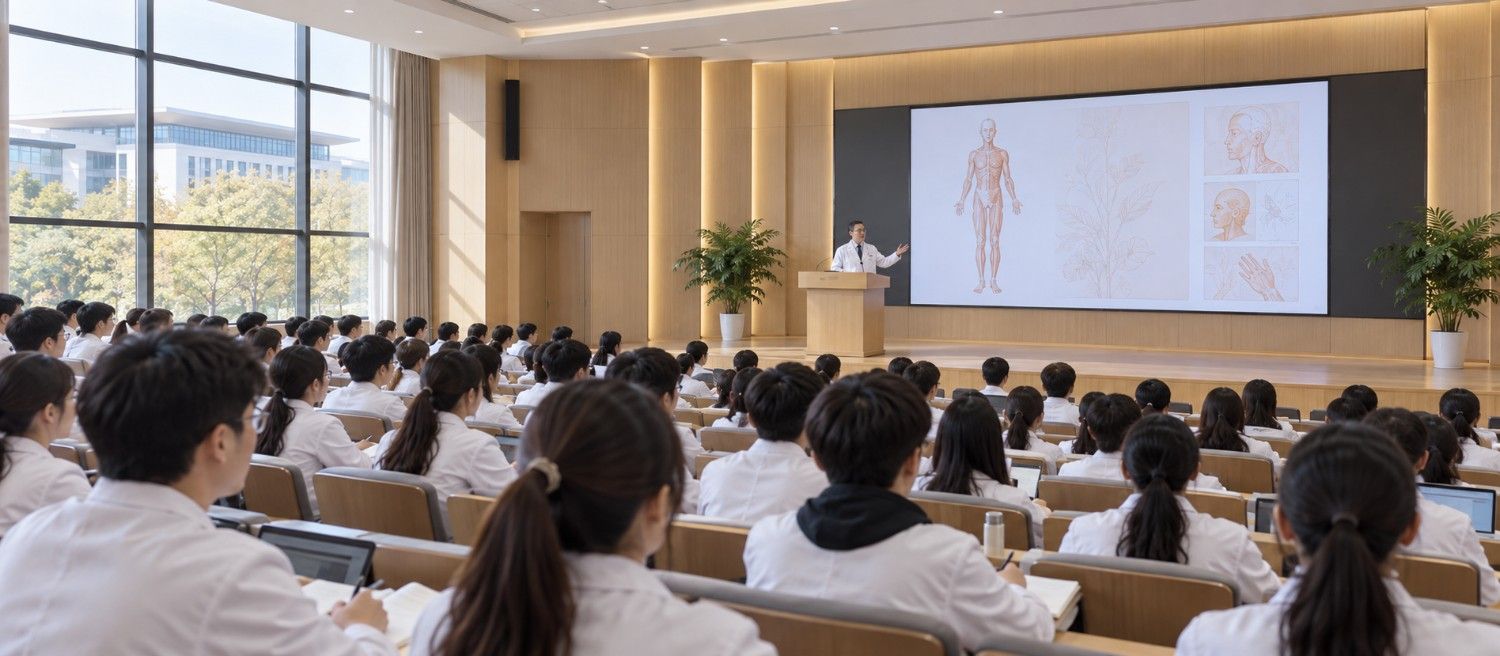
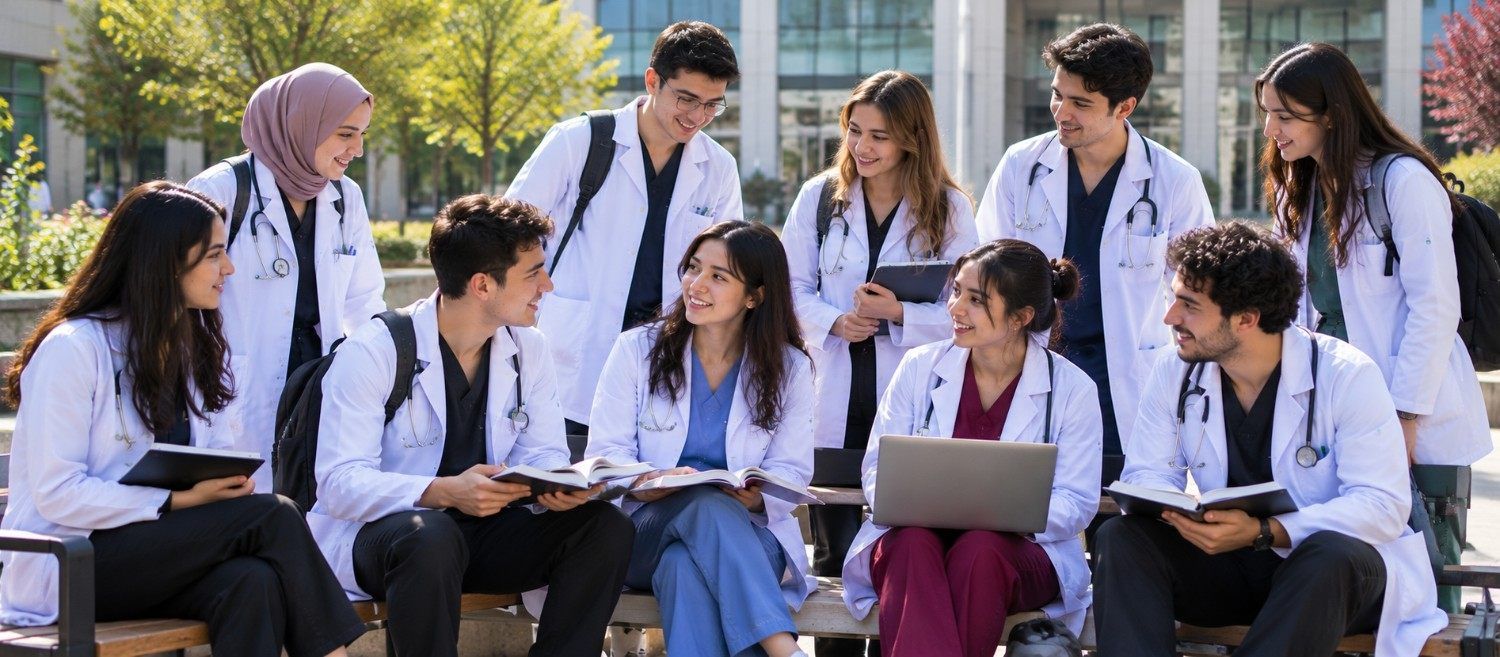
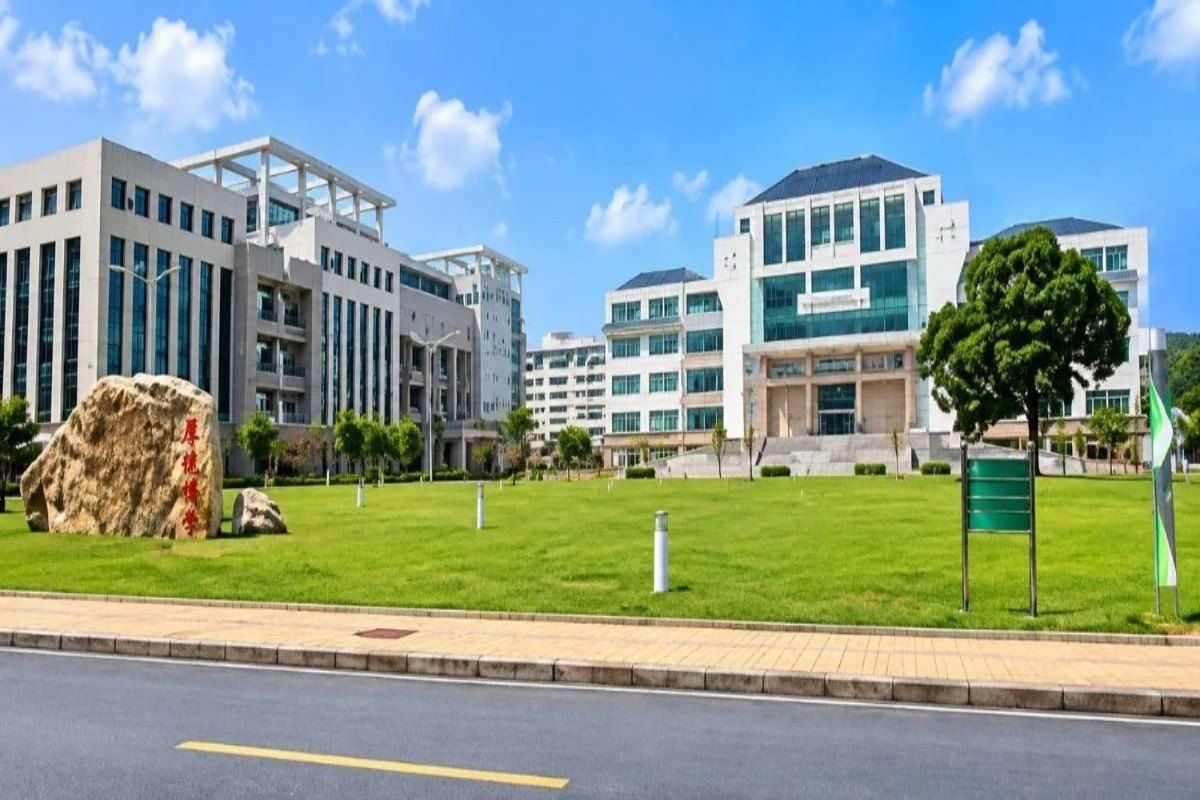
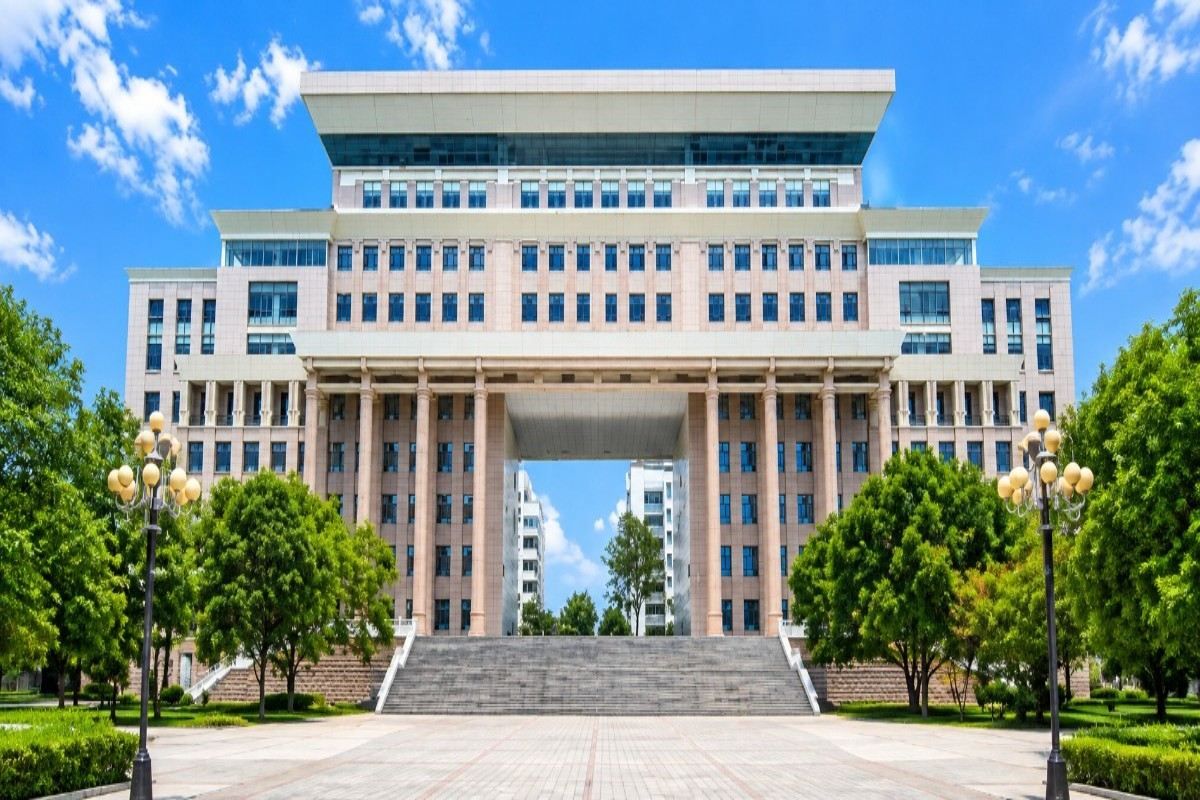
People mostly just call it HUCM for short. It is a public university, based in Zhengzhou, Henan Province, founded in 1958, genuinely one of the earlier higher-education TCM institutions established anywhere in China. The university is jointly built by the Henan Provincial People's Government and China's own National Administration of Traditional Chinese Medicine, a real, specific dual-oversight structure, and is included in the National Midwestern Higher Education Revitalisation Plan.
HUCM was authorised by China's own State Academic Council to confer bachelor's and master's degrees, and to collaborate with other institutions in enrolling doctorate students. The university has also been approved by the Ministry of Education specifically to enrol international students, alongside students from Hong Kong, Macau, and Taiwan, and is authorised to receive Chinese Government Scholarship recipients.
Here is a genuinely worth-flagging inconsistency found even within a single detailed source. Wikipedia's own infobox for HUCM lists 19,000 total students, while the same article's own body text instead states there are over 10,000 students, including more than 150 international students. Given this real, internal discrepancy, applicants should confirm HUCM's own current, precise enrolment figures directly rather than relying on either single figure.
HUCM maintains genuinely substantial, TCM-specific infrastructure, including 20 laboratories, three hospitals, a central laboratory, an herbal plantation specifically for quality control purposes, a pharmaceutical factory, and specimen rooms. The university has also established dedicated research institutions focused on the theories of Zhang Zhong-jing, a genuinely historic, foundational figure in Traditional Chinese Medicine, alongside a dedicated AIDS research institute.
Over the past 60 years, HUCM has genuinely broadened well beyond its own original, single TCM discipline, developing into a comprehensive university with coordinated development across medicine, science, management, engineering, and liberal arts, spanning undergraduate through to doctoral training levels.
NEET remains a genuine requirement for Indian applicants pursuing medical study in China generally, and Indian graduates would still need to clear the FMGE or NExT exam to practise medicine back in India, though applicants should confirm directly whether HUCM's own specific TCM-focused programmes would satisfy the same recognition pathways as a standard Western-medicine MBBS, given the university's own genuinely distinctive academic focus.
Zhengzhou itself, Henan's own provincial capital, is genuinely known as the cradle of Shaolin Kung Fu, giving the wider city a real, distinctive cultural association with traditional Chinese physical and martial arts practices, a fitting backdrop for a university specifically dedicated to Traditional Chinese Medicine. This setting gives HUCM's own students genuine, practical access to a historically and culturally significant Chinese city, alongside the university's own considerable TCM-specific research and clinical infrastructure.
Given HUCM's own genuinely distinctive academic focus, prospective applicants specifically interested in Western-style clinical medicine, rather than Traditional Chinese Medicine, should weigh this real, practical distinction carefully before applying. This is not necessarily a reason to avoid HUCM outright, particularly given its own genuinely well-established 1958 founding and considerable TCM-specific infrastructure, but it is a real, practical consideration worth taking seriously given how much basic institutional detail for international medical applicants remains unconfirmed across the sources reviewed for this profile.
Fee figures here represent a genuine information gap worth being upfront about, since a specific, confirmed tuition rate for HUCM's own international programmes was not found across the sources reviewed; reasonable, clearly labelled estimates are provided below so applicants have usable figures.
Cost Item | Amount | Notes |
Tuition Fee (estimated, general China reference) | Approx. USD 3,000-5,500/year | Not confirmed as HUCM-specific; estimated from general Chinese public-university tuition bands. Confirm directly with HUCM |
Hostel/Accommodation Fee (estimated) | Approx. USD 500-1,500/year | Not separately confirmed for HUCM specifically; estimated from typical Chinese public-university international dormitory rates |
Health Insurance (estimated) | Approx. USD 100-200/year | Not separately confirmed for HUCM specifically; a general estimate for international student health coverage in China |
Food/Meal Expenses (estimated) | Approx. USD 100-200/month | A general estimate for food and daily living costs on a Chinese university campus |
Chinese Government Scholarship | Available for qualifying international students | HUCM is specifically approved to receive Chinese Government Scholarship recipients; confirm current eligibility directly |
Total 6-Year Estimate (tuition + hostel + insurance, low end) | Approx. USD 21,000-44,000 | A combined estimate based on the ranges above; genuinely approximate, and should be confirmed directly with HUCM before budgeting |
Note: given the genuine naming overlap with other Henan medical institutions, request HUCM's own current, official, itemised fee schedule directly, specifically confirming which institution and which programme, TCM or Western medicine, the figures describe.
Why HUCM Deserves a Harder Look, and a More Careful One
Most lists mention Henan medical education without clearly separating HUCM's own genuinely distinctive TCM focus from the Western-medicine institutions sharing the same wider province and city. However, they do not explain this specific distinction directly. The reason is simple. It is about a real, meaningful academic-focus difference most guides skip entirely, and a genuinely old, well-established TCM institutional history worth knowing directly.
HUCM is not like most other Henan medical institutions covered in comparable guides when it comes to its own core academic identity. In fact, it was specifically founded in 1958 as a dedicated Traditional Chinese Medicine institution, genuinely different in kind from Western-medicine-focused universities like Henan Medical University or Henan Medical College of Zhengzhou University, both covered elsewhere in comparable guides. Furthermore, this genuine difference in academic focus matters considerably for any applicant specifically seeking Western clinical medicine training rather than TCM.
The university's own genuinely substantial TCM-specific infrastructure also matters more than most guides let on. For example, most guides describing a Chinese medical university's facilities present a generic list. HUCM specifically maintains an herbal plantation for quality control, a dedicated pharmaceutical factory, and named research institutes focused on historic TCM theory and AIDS research. Moreover, this level of specific, TCM-oriented infrastructure is genuinely distinctive compared to Western-medicine-focused institutions covered elsewhere in this whole series.
One thing most other blogs miss is the genuine, internal discrepancy in HUCM's own reported student numbers, found even within a single detailed source. In addition to standard due diligence, Wikipedia's own infobox states 19,000 total students, while the same article's own body text states just over 10,000. Since this is a real, specific inconsistency worth flagging honestly rather than picking one figure and presenting it as settled, applicants get a genuinely more accurate sense of the real uncertainty here.