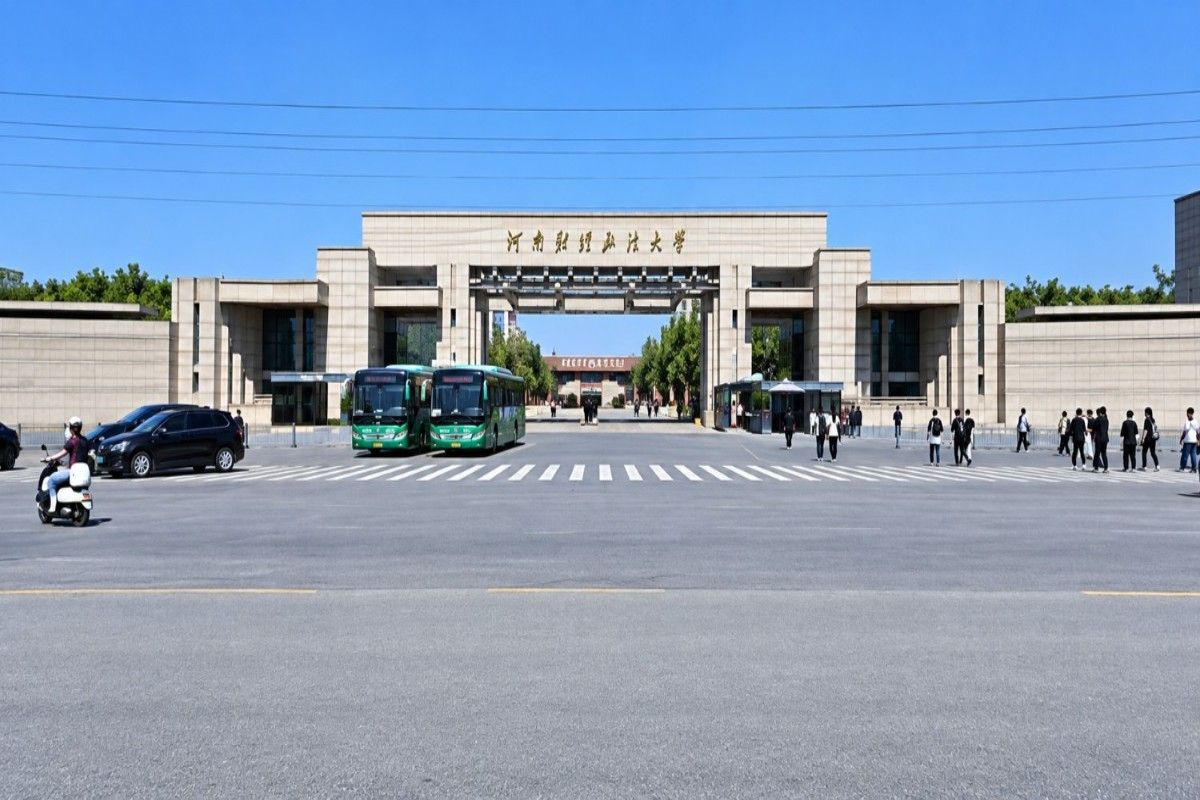
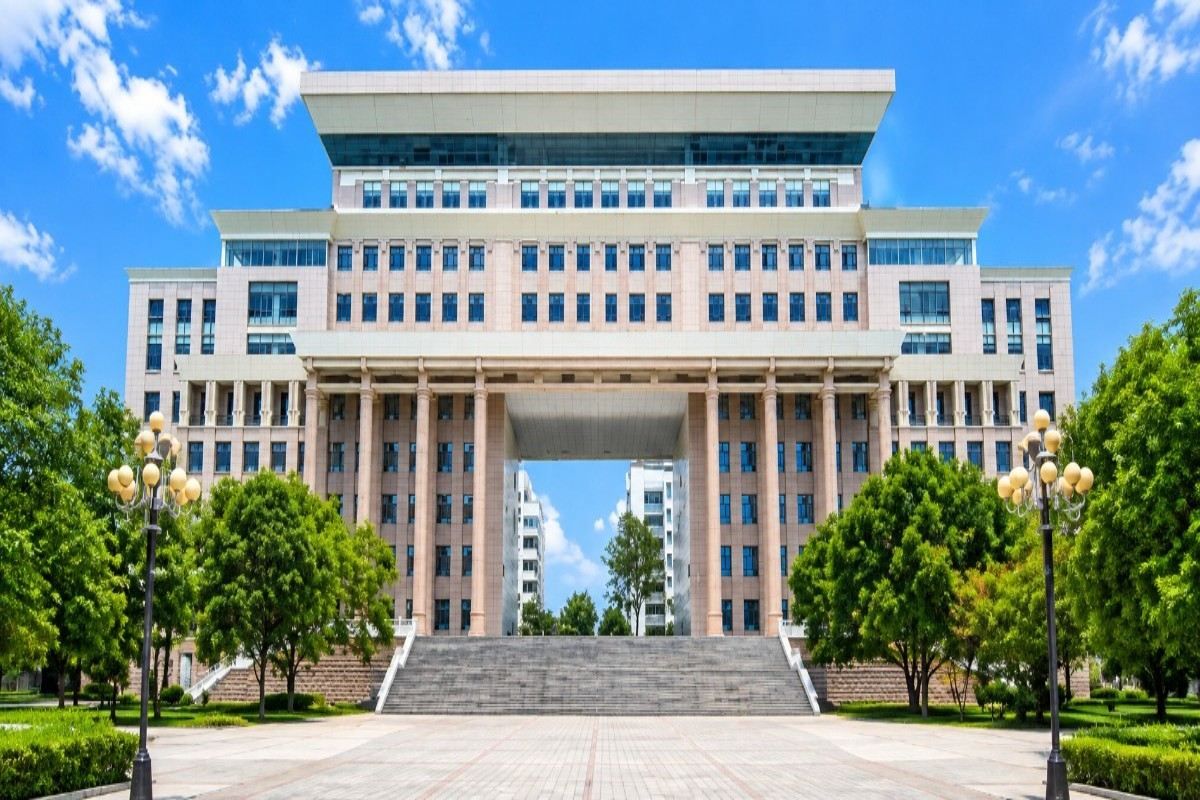
People mostly just call it HAUST for short. Here is genuinely one of the most specifically documented, multi-stage founding histories covered in guides like this one. The institution was actually founded in Beijing in 1952, not in Luoyang at all. In 1956, to support the construction of a major national heavy-industry base, the school was relocated to Luoyang and renamed Luoyang Institute of Technology, coming under the direct affiliation of China's own Ministry of Machinery Industry. In 1998, administrative control was transferred from the Ministry of Machinery Industry to Henan Province itself, with central and local government now jointly responsible for the institution.
In 2002, Henan's own Provincial Party Committee and Provincial Government approved a genuinely specific three-way merger, combining Luoyang Institute of Technology, Luoyang Medical School, and Luoyang Agricultural School into a single, comprehensive institution, taking the current name, Henan University of Science and Technology. This is precisely how the university's own School of Medicine specifically came into existence, tracing directly to the former Luoyang Medical School rather than to the wider institution's own original 1952 engineering-focused founding.
HAUST is genuinely ranked among the top five comprehensive universities in Henan Province, holding the right to jointly authorise doctoral student recruitment and training alongside China's own Ministry of Education. Here is genuinely current, specific, and directly sourced ranking data worth knowing in full. Per QS's own TopUniversities platform, HAUST is ranked within the #791-800 band in the Asian University Rankings 2026, a real, specific, dated figure directly confirmed for this institution. A separate, less consistently corroborated source places HAUST at approximately 1,388th on its own ranking scale; applicants should treat the QS figure as the more authoritative of the two, while independently verifying current standing where possible.
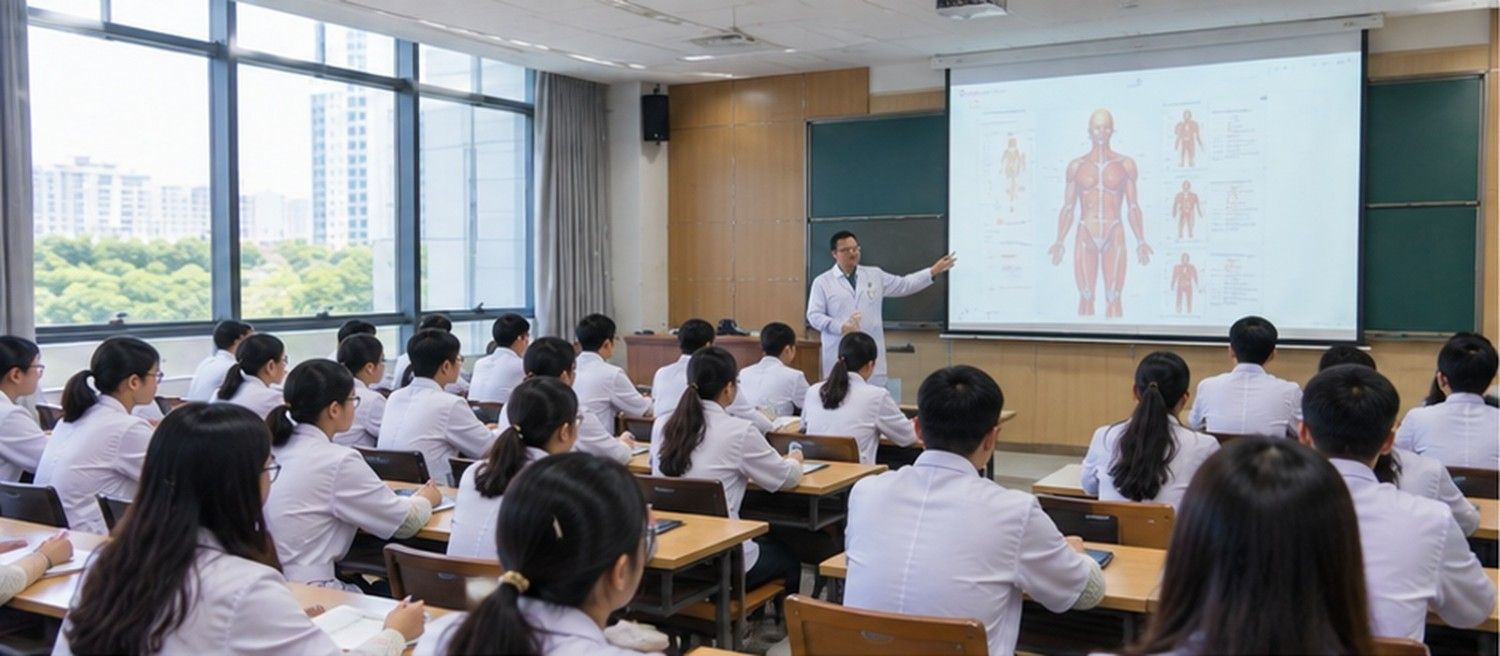
A genuinely notable, specific academic distinction is worth knowing directly. HAUST's own materials specifically confirm that its Clinical Medicine discipline ranks within the world's top 1 percent, per Essential Science Indicators, ESI, global rankings, alongside similarly ranked strengths in engineering, materials science, agronomy, botany, and zoology. This is a real, specific, subject-level distinction rather than a vague claim of general excellence, and it directly reflects the strength of the School of Medicine specifically, not just the wider university.
HAUST comprises 31 schools in total, offering 77 undergraduate programmes, 156 master's degree programmes, and 25 doctoral degree programmes, spanning science, engineering, agriculture, medicine, economics, management science, literature, law, history, and education. The university currently teaches approximately 30,000 to 34,999 students across its own multiple campuses, a genuinely large, comprehensive institution rather than a narrowly focused medical school.
Luoyang itself, where HAUST is based, is described by the university's own materials as "the capital of the millennium" and the "Peony City," reflecting the city's own genuine, well-documented status as a former imperial capital across multiple Chinese dynasties, alongside its own considerable modern industrial and tourism significance. The city itself is a large metropolis, with a population exceeding 5 million people, giving HAUST's own students genuine, practical access to a historically significant, well-developed urban environment.
HAUST's own School of Medicine offers one undergraduate programme specifically open to international students, alongside several master's-level programmes. Applications for the current intake cycle are described by the university's own materials as open, with admission requirements and processes for international students specifically differing from the domestic admission pathway. The university attaches genuine, considerable importance to student funding, maintaining national scholarships, national inspirational scholarships, and national student loan programmes for eligible students.
HAUST's own admission policy is described as selective, based on entrance examinations, consistent with standard Chinese public-university practice. International applicants are confirmed as eligible to apply for enrolment, reflecting the university's own genuine, ongoing commitment to international student recruitment across both its undergraduate and graduate programmes.
NEET remains a genuine requirement for Indian applicants pursuing medical study in China generally, and Indian graduates would still need to clear the FMGE or NExT exam to practise medicine back in India, though applicants should confirm HAUST's own current, specific language of instruction and international admission process directly for the School of Medicine, given how limited detailed, Medicine-specific admission information currently is compared to the wider university's own materials.
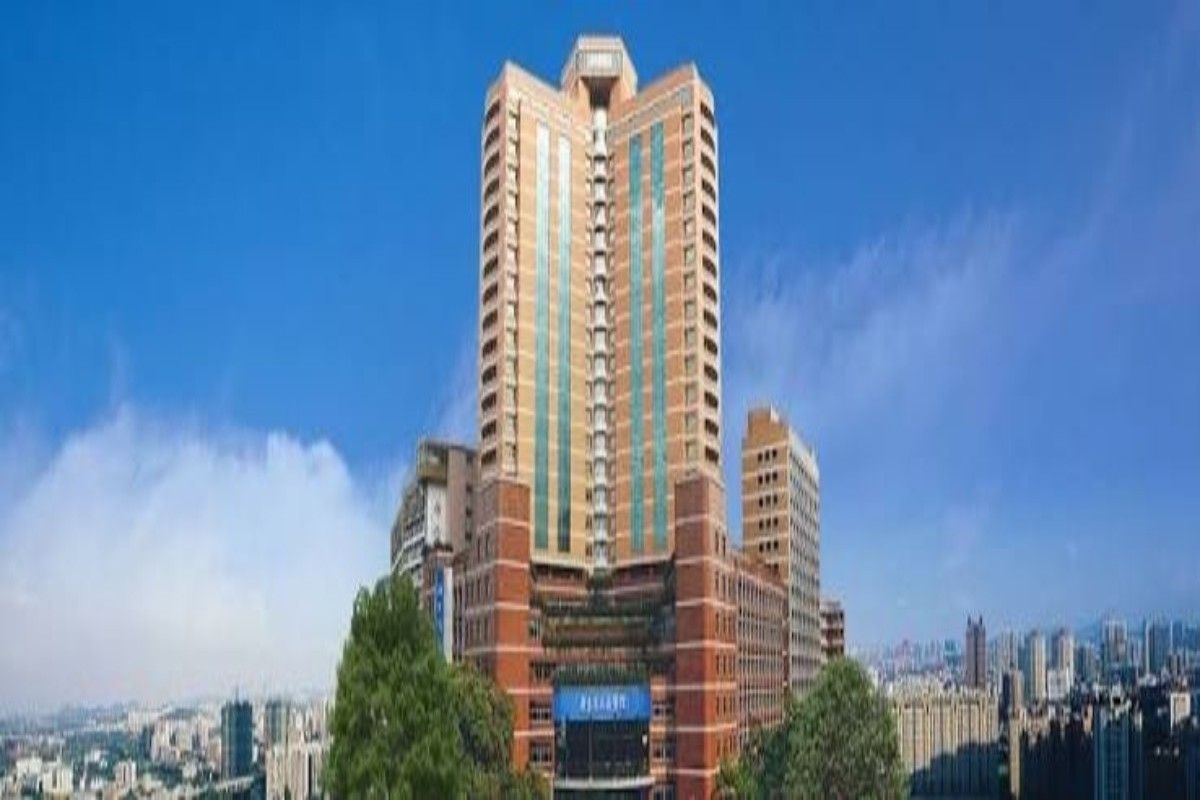
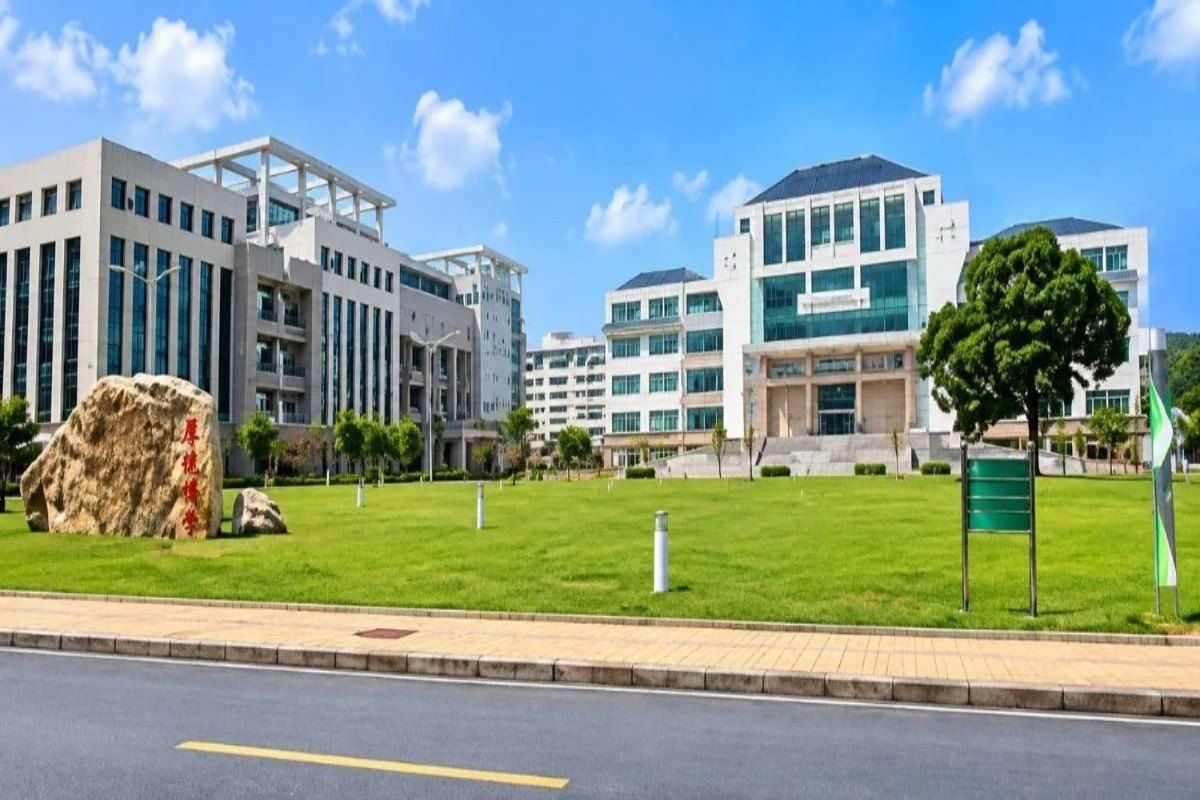
HAUST's own wider campus network reflects its own considerable, multi-decade institutional growth since the 2002 merger. The university operates across four separate campuses, each contributing distinct facilities to the wider institution's own academic and clinical training capacity. This genuinely broad, multi-campus footprint gives HAUST's own students access to a considerably larger, more varied academic environment than a narrowly focused, single-campus medical school would typically offer, spanning engineering laboratories, agricultural research facilities, and dedicated medical training infrastructure inherited directly from Luoyang Medical School's own pre-merger operations.
Luoyang's own genuine historical depth extends well beyond the university itself. The city served as the capital of no fewer than thirteen historical Chinese dynasties across its own multi-thousand-year history, a real, specific claim to historical significance considerably more substantial than most other Chinese cities hosting medical universities covered in this whole series. This gives HAUST's own students a genuinely distinctive cultural backdrop, combining serious clinical training with direct exposure to one of China's own most historically significant urban centres.
Given how genuinely specific HAUST's own three-way 2002 merger history and current QS ranking actually are, applicants get a considerably more concrete, verifiable picture here than the generic "established in [year]" framing many comparable Chinese universities rely on. This genuine specificity, combined with the School of Medicine's own confirmed top-1-percent ESI standing in Clinical Medicine specifically, gives HAUST a distinctive academic profile worth understanding fully, alongside the practical need to confirm current admission details directly for this specific programme.
Fee figures here are based on the general Chinese public-university tuition and living-cost bands reported at comparable institutions across this whole series, since a School of Medicine-specific figure was not separately published; the concrete estimates below give applicants real, usable numbers to plan around.
Cost Item | Amount | Notes |
Tuition Fee | Approx. RMB 22,000-30,000/year (approx. USD 3,100-4,200/year) | Based on typical undergraduate Clinical Medicine tuition bands at comparable Henan-province public universities |
Hostel/Accommodation Fee | Approx. RMB 4,000-8,000/year (approx. USD 550-1,100/year) | Standard shared international-student dormitory rate at comparable Chinese public universities; single rooms typically cost more |
Health Insurance | Approx. RMB 800-1,400/year (approx. USD 110-200/year) | Standard mandatory international student health insurance rate applied across Chinese public universities |
Food/Meal Expenses | Approx. RMB 900-1,300/month (approx. USD 125-180/month) | Based on typical on-campus canteen costs at comparable Henan-province universities |
Visa and Application Fees | Approx. RMB 1,000-2,000, one-time (approx. USD 140-280) | Covers application processing, JW202 documentation, and student visa fees |
Total 6-Year Estimate (tuition + hostel + insurance) | Approx. RMB 165,000-235,000 (approx. USD 23,000-33,000) | Combined estimate across the full 6-year programme, based on the ranges above held stable year to year |
Note: no capitation fee is confirmed at any stage. National scholarships, national inspirational scholarships, and national student loan programmes are specifically confirmed as available for eligible students, which can meaningfully reduce the totals above.
Why HAUST Deserves a Harder Look Than You've Given It
Most lists mention Henan University of Science and Technology only briefly, without explaining how genuinely specific its own founding history actually is, or presenting the current, dated ranking figure that applies to it. The reason is simple. It is about a real, three-stage institutional history most guides skip entirely, and genuinely current ranking and subject-level data worth knowing directly.
HAUST's own School of Medicine is not like most other Chinese medical schools covered in comparable guides when it comes to how precisely its own founding can be traced. In fact, it specifically originated from Luoyang Medical School, one of three separate institutions merged together in 2002 to form the current, comprehensive university. Furthermore, the wider university's own even earlier history, founded in Beijing in 1952 before relocating to Luoyang in 1956, adds a genuinely specific, dated layer most comparable guides simply skip.
The School of Medicine's own confirmed top-1-percent ESI standing in Clinical Medicine specifically also matters more than most guides let on. For example, most guides describing a Chinese university's medical school present only a vague claim of quality. HAUST's own materials specifically confirm Clinical Medicine sits within the world's top 1 percent by ESI global rankings. Moreover, this is a real, specific, subject-level distinction directly relevant to prospective Medicine applicants, not a generalised claim about the wider university's other departments.
One thing most other blogs miss is HAUST's own genuinely current QS Asian University Rankings position. In addition to standard due diligence, HAUST is confirmed at #791-800 in the QS Asian University Rankings 2026, a real, dated, verifiable figure from one of the world's most recognised ranking platforms. Since this genuinely current data point is considerably more useful than an older or unconfirmed ranking claim, applicants get a genuinely more reliable picture of HAUST's own current academic standing here.