
1. Is Holy Family Red Crescent Medical College a government or private institution?
+It is a private medical college, sponsored by the Bangladesh Red Crescent Society and affiliated with the University of Dhaka.
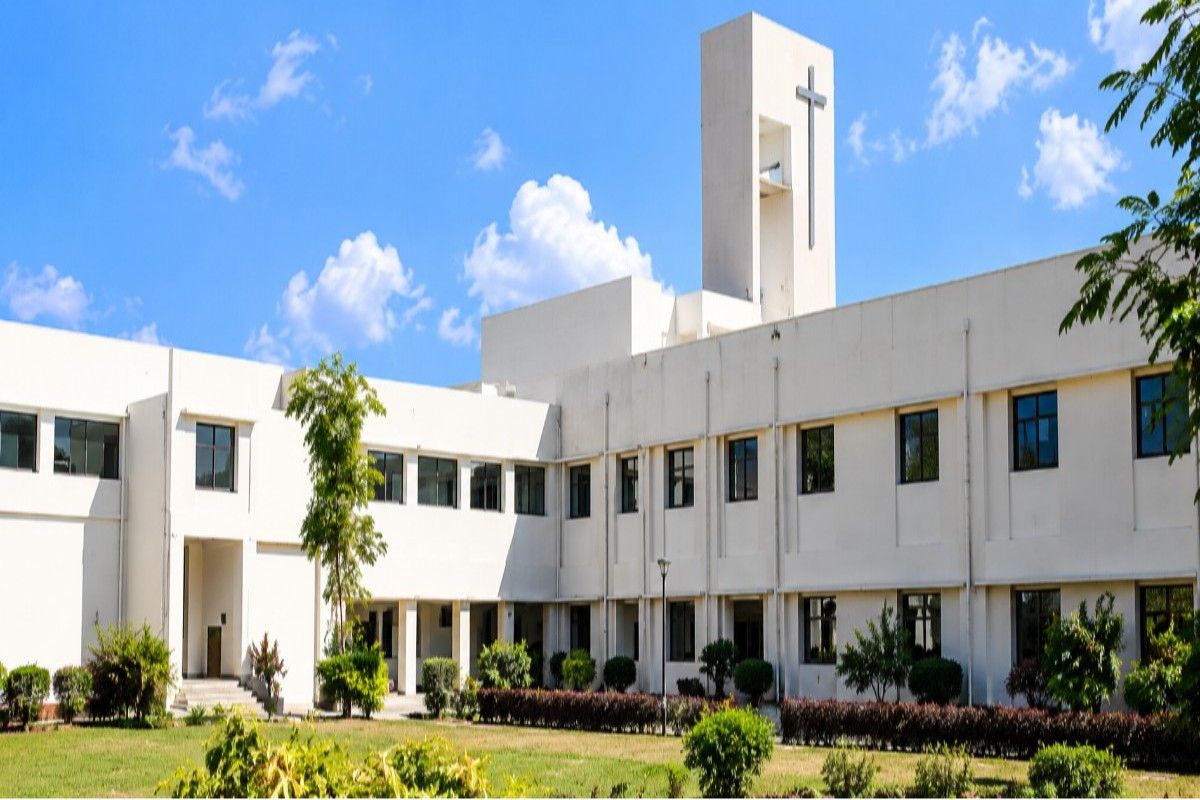
 Bangladesh | Est. 1953
Bangladesh | Holy Family Red Crescent Medical College is accredited and recognized by the Bangladesh Medical and Dental Council (BMDC) and affiliated with the University of Dhaka.National | English medium
Expert will call you within 2 hours
Typically, the profiles for Holy Family Red Crescent Medical College start with the year when the college was established, 1999-2000. However, this is only half the story, the hospital on which it is based being about fifty years older than the college itself. To be more specific, Holy Family Hospital was established in 1953 in Maghbazar, Dhaka. The hospital was originally founded as a Catholic charitable hospital with the staff of nuns serving as its personnel. Furthermore, Holy Family Hospital used to be the principal hospital for Dacca, which was at that time the capital of East Pakistan. Only in 1999-2000, the initiative of the Government and Bangladesh Red Crescent Society (BDRCS) brought about the establishment of a medical college, which admitted its first batch of only 50 students.
Nowadays, Holy Family Red Crescent Medical College is governed by a council consisting of BDRCS acting as a sponsor, the representatives of the University of Dhaka, and the government of Bangladesh. This type of governance represents an anomaly among the majority of the private medical colleges in Bangladesh, which are owned by a single trust or foundation. As to academic affiliation, it belongs to the University of Dhaka, the oldest and most established university in the whole country. Thus, the syllabus of MBBS programme as well as the examination procedure follow the syllabus set by both Dhaka University and Bangladesh Medical and Dental Council (BMDC).
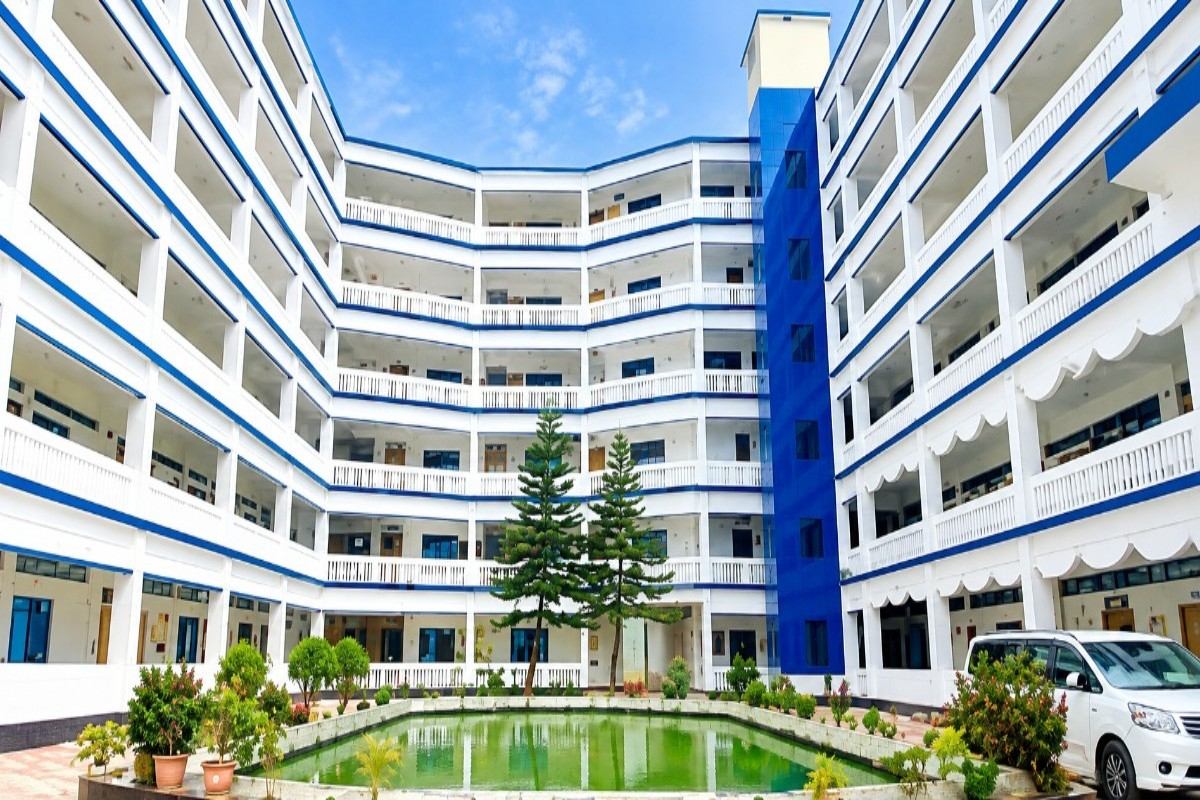
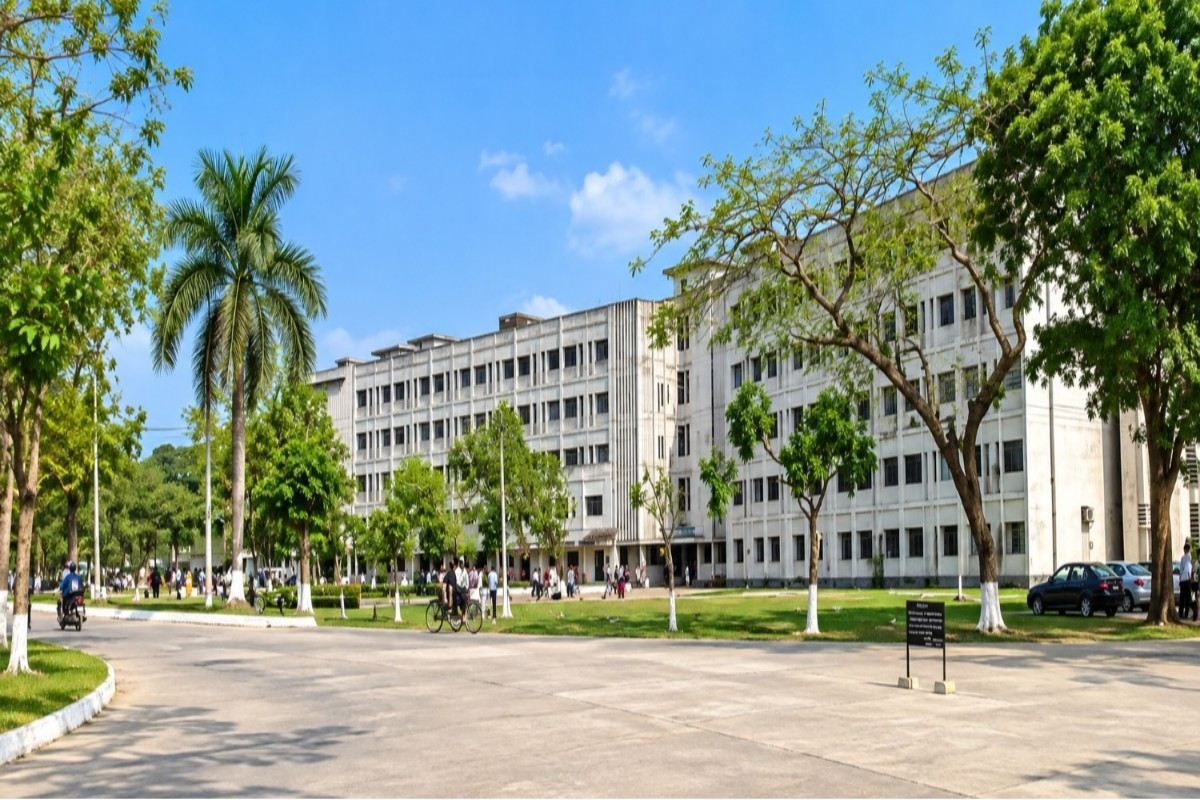
The campus is located at 1, Eskaton Garden Road in Ramna, which means that it is close to the centre of Dhaka city and occupies a total area of 8.10 acres (2.50 acres occupied by college buildings and 5.60 acres by the hospital). Unlike the campuses of Habiganj or Sirajganj Colleges, which have been intentionally constructed in district towns in order to move away from Dhaka city, Holy Family is located in the capital and this is a true benefit over other colleges, as a student will be living in the capital surrounded by government institutions, transport infrastructure and a wider range of hospitals.
Attached to the college is Holy Family Red Crescent Medical College Hospital (HFRCMCH), which is about 750-beds hospital offering a wide range of services in practically every specialty, and not only an annexe for teaching purposes. Moreover, the number of students enrolled at the college has increased significantly: nowadays it admits approximately 140 MBBS students per year and up to 50% of places in the intake can be taken by the students of foreign nationalities, although the foreign quota for Holy Family usually is considered to be 25%. This is a higher proportion of foreign students as compared to other medical colleges in Bangladesh, which is why it is popular among Indian students despite the fact that its fee is higher as compared to other colleges.
Indeed, this fee is the honest trade-off for such a choice of college. Thus, the total tuition for foreign students in the five-year programme comes to about USD 49,000 (approximately Rs. 40.7 lakh) and includes one-time admission and registration charges and monthly tuition fee instalments. Such fee structure differs from the fees of public medical colleges, which ask for the fee ranging between USD 8,000 and 10,000. The actual fee figures may vary slightly depending on the admission consultancy, which is typical for colleges not announcing their official fee notification for foreign students. Thus, a student should take any quoted figure as the estimated fee to be confirmed before payment.
Thus, the advantages offered by this college are proximity to the central hospital in Dhaka and a wide range of specialists working there. On the other hand, it asks for a higher fee than public colleges, which makes the choice for Holy Family Red Crescent Medical College a matter of paying more money for basically the same degree (MBBS) and internship with the same requirement of Bangladesh Medical and Dental Council (BMDC) and the same affiliation, although this time with the University of Dhaka.
As for Indian students, the value of the degree obtained in such college depends upon the recognition by Bangladesh Medical and Dental Council (BMDC), being listed in the World Directory of Medical Schools issued by WHO and included into the Schedule-I of the National Medical Commission. All of this makes the graduates eligible to take FMGE or NExT examination, which is required for registration in India. However, none of this is unique for this college. What is unique about it is the combination of affiliation with the University of Dhaka, the existence of a large teaching hospital and the central location in Dhaka at a price closer to a private Indian college.
No hidden charges, no donation. The full picture of costs at MBBS in Holy Family Red Crescent Medical College.
Tuition Fee
Approx. USD 9,000–9,800 per year
Approx. USD 9,000–9,800 per year
Hostel Fee
USD 800–1,200/year
USD 800–1,200/year
Food & Meals
USD 900–1,200
/year
Insurance
USD 50–100
/year
Donation
no donation
no hidden fee
Total Estimated Cost
Approx. USD 55,000–60,000
5 Year
25–35%
Average FMGE first-attempt pass rates for students from many overseas medical universities. Students from structured programs consistently score higher.
Students returning to India need to clear the FMGE/NExT exam. MBBS in Holy Family Red Crescent Medical College integrates exam-oriented coaching into the regular curriculum so students are prepared from day one.
A structured program that takes you from foundational sciences to clinical mastery.
• Introductory training in scientific methodology and basic clinical skills
• Human anatomy (gross anatomy, embryology, histology), physiology, and biochemistry
• Forensic medicine and toxicology
• Community medicine and public health
• Pathology and microbiology
• Pharmacology and therapeutics
• Surgery and allied specialties, including operative and pre/post-operative care
• Medicine and allied specialties, taught through ward rounds at the attached teaching hospital
• Continued clinical postings across medicine and surgery sub-specialties, consolidating diagnostic and patient-management skills
• Obstetrics and gynaecology
• Further rotations through other major clinical departments of the 750-bed teaching hospital
• Rotatory postings across medicine, surgery, and obstetrics and gynaecology at Holy Family Red Crescent Medical College Hospital
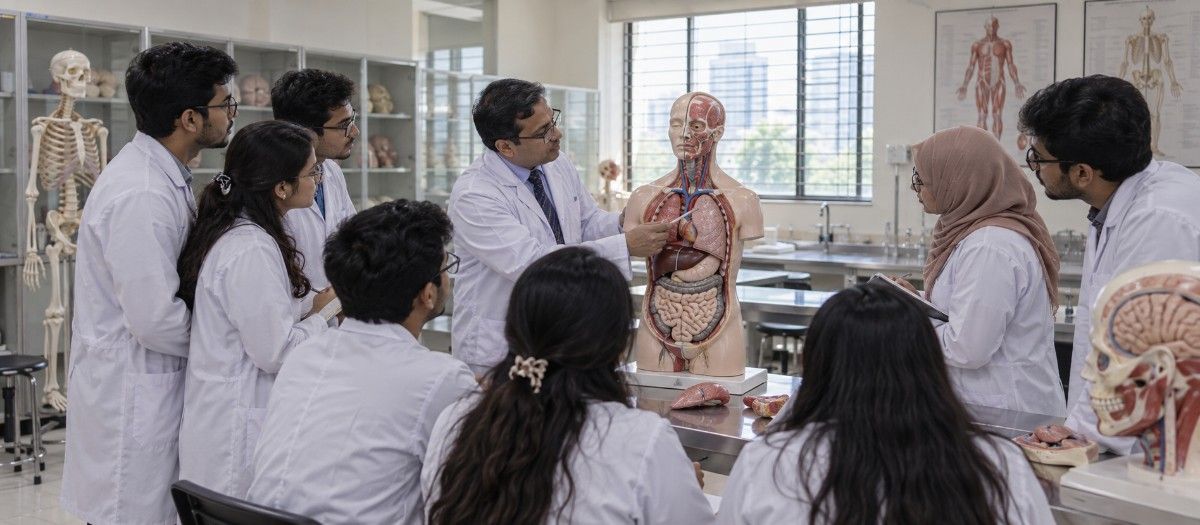
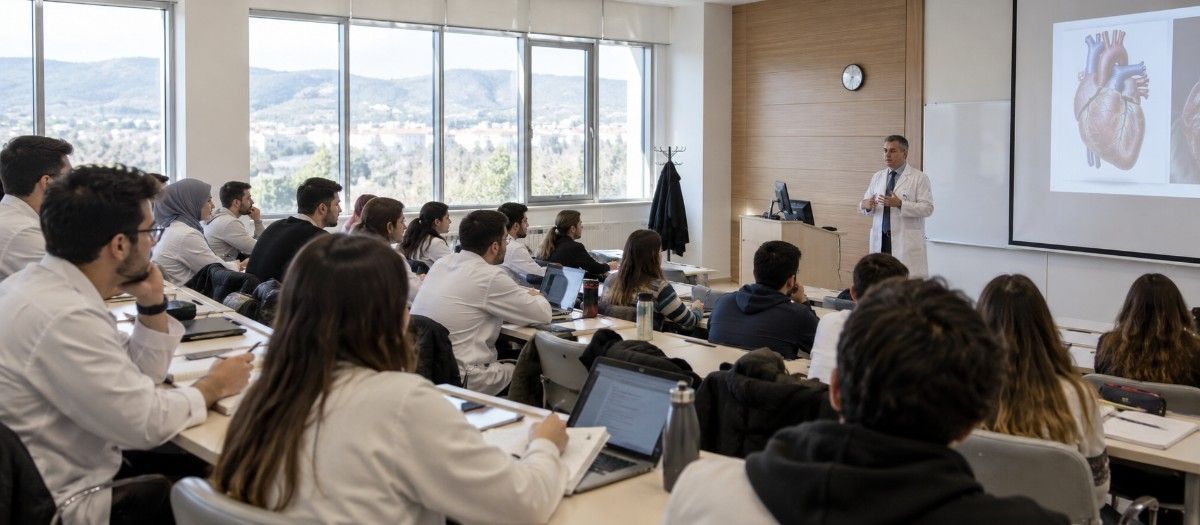
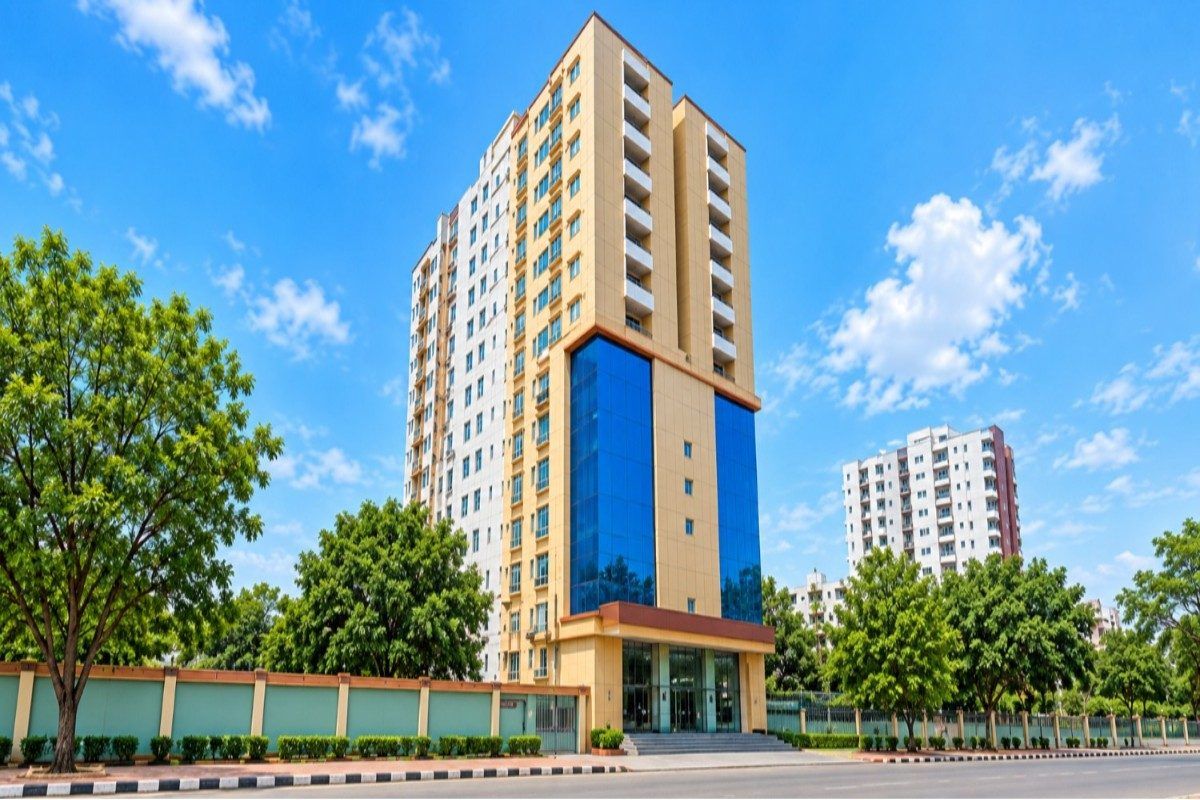
Furnished hostel rooms with Wi-Fi, laundry, 24/7 security, and Indian mess on or near campus.
Indian restaurants and mess facilities serving vegetarian and non-vegetarian home-style food daily.
Strong Indian community with cultural events, festival celebrations, and peer support groups.
Students get hands-on clinical training in government and private hospitals affiliated with the university.
Practical information for students planning to study at MBBS in Holy Family Red Crescent Medical College.
Prepare for all seasons. Thermal wear for winters, light clothing for summers. University provides heating in hostels.
Student visa processed with university invitation letter. Direct and connecting flights from major Indian cities.
Health insurance included in fees. Medical facility on campus plus city hospitals easily accessible.
Local SIM cards available. WhatsApp and video calls keep you connected with family back home.
Average monthly expenses of $150–$250 covering food, transport, and personal needs.
University library, online databases, and study groups. Seniors mentor juniors through academic challenges.
Our team guides you through every step — from application to arriving on campus.
DGME publishes the foreign-student MBBS/BDS admission circular for the upcoming session, usually around November, separately for SAARC/non-SAARC applicants and government/private colleges.
• Confirm your PCB percentage/GPA and NEET status against the circular's stated minimums. • Gather passport, academic transcripts, NEET scorecard, birth certificate, medical fitness certificate, and other listed documents, with mandatory two-step attestation.
• Shortlist government and/or private colleges based on budget, GPA/NEET strength, and location preference, comparing on recognition status and FMGE track record, not just the lowest fee. • Register on DGME's foreign-student portal, fill in details, and upload documents.
Pay the standard equivalence-certification fee (commonly around USD 100) via bank transfer (TT/SWIFT), not cash.
DGME evaluates your academic equivalence against Bangladeshi grading standards.
• Based on merit, quota category (SAARC/non-SAARC/reserved), and seat availability. • Receive a formal offer/admission letter from the allocated college.
Pay the first-installment tuition and hostel fee, per the college's own schedule.
• Apply at the Bangladesh High Commission/Mission with the admission letter and financial proof; realistic processing time varies by season. • In the final weeks, finalize documents, arrange travel/health insurance, book flights, and confirm hostel allotment in writing.
Fly to Bangladesh and complete airport formalities; many colleges arrange airport pickup for new students on specified reporting dates.
Complete physical document verification and hostel allotment at the college, and register with the Indian High Commission in Dhaka shortly after arrival, an important, non-optional step for consular support.
Admission Helpline — Contact our counsellors for step-by-step assistance.
“The faculty here is incredibly supportive. The clinical training during hospital rotations has given me real confidence in patient care.”
“Affordable fees without compromising on quality. The campus facilities and hostel life made my transition abroad very smooth.”
“English medium instruction and WHO-recognized curriculum were the deciding factors for me. No regrets so far — excellent experience overall.”
“The university helped with everything from visa to accommodation. Hospital exposure from year three has been invaluable for my FMGE prep.”
“Just cleared my licensing exam on the first attempt. The structured coaching and mock exams during final year were a game-changer.”
“Safe campus, good food options, and a strong Indian student community. The teaching methodology is very practical and hands-on.”
It is a private medical college, sponsored by the Bangladesh Red Crescent Society and affiliated with the University of Dhaka.
Yes. The college is listed under NMC Schedule-I, so graduates can sit the FMGE or NExT exam to register in India.
Tuition is commonly quoted at approximately USD 49,000 (Rs. 40.7 lakh); hostel and food are billed separately.
Yes, a valid NEET-UG qualifying score is a mandatory requirement for admission.
Around 25% of the roughly 140 seats per session are reserved for foreign nationals, including Indian students.
5 academic years followed by a compulsory 1-year rotatory internship, totalling 6 years.
At the 750-bed Holy Family Red Crescent Medical College Hospital, attached directly to the campus.
Some sources report no donation is required for Indian students, though this is not an officially published college policy.
Yes, provided they meet the eligibility requirements set by India's National Medical Commission.
A NEET-UG scorecard, Class 10/12 mark sheets, a valid passport, and medical fitness documentation.
Our expert counsellors will guide you through the complete admission process — from documents to airport pickup.