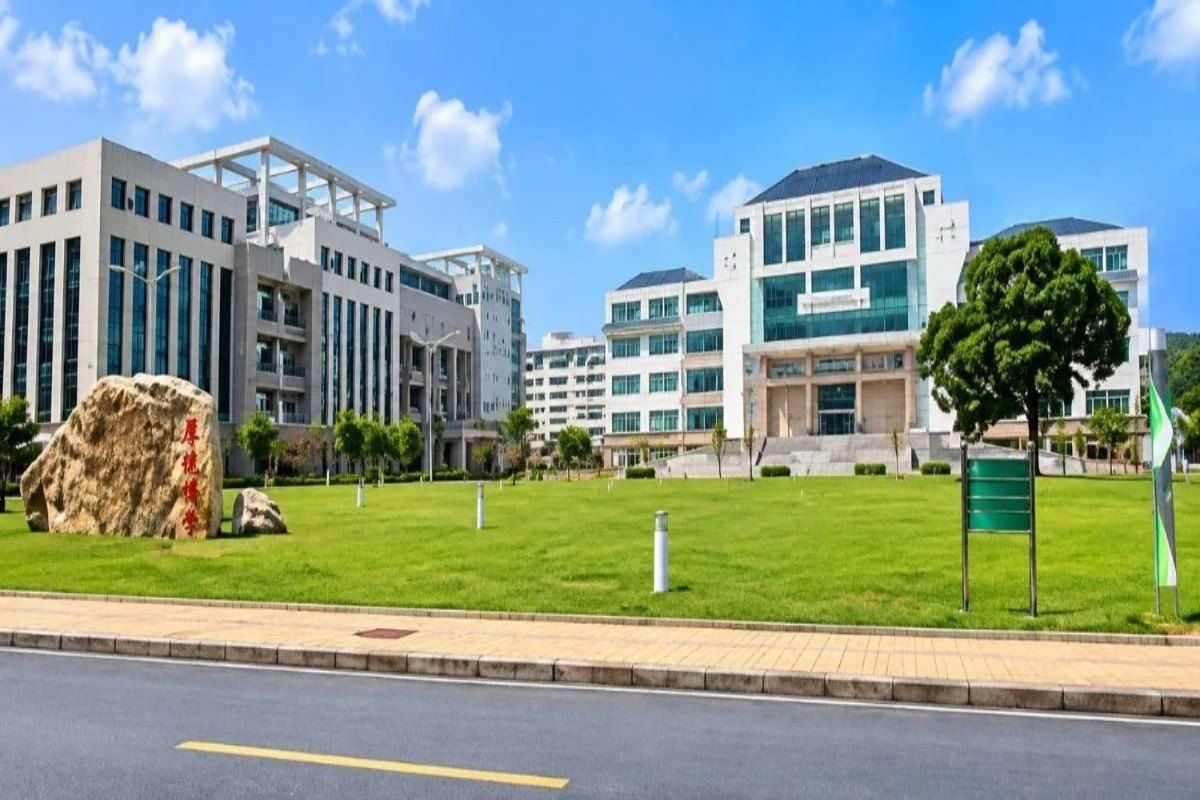
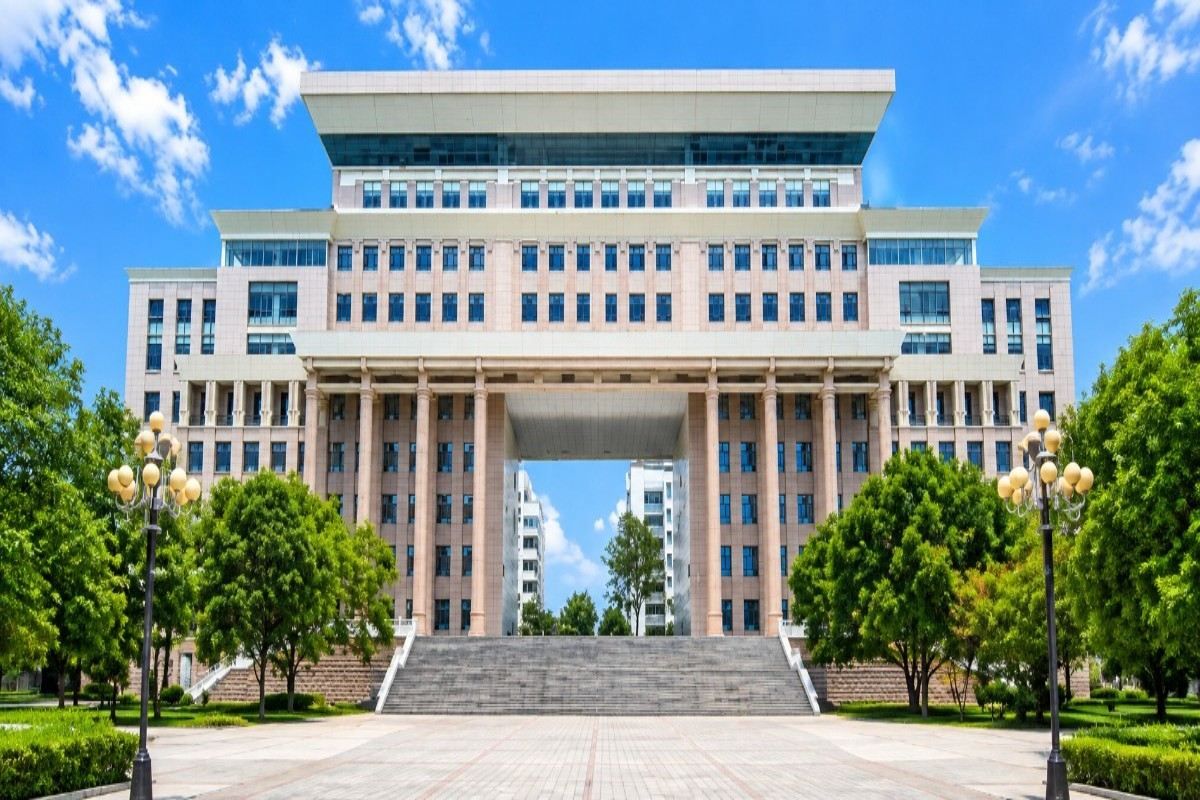
People mostly just call it HBUAS for short. Here is a genuine, worth-flagging discrepancy found while researching this profile. The university's own founding year is reported inconsistently across sources: some detailed sources specifically state Xiangyang Normal College, the institution's own predecessor, was founded in 1905, describing HBUAS as having "more than 110 years" of history, while other, equally detailed sources instead state Xiangyang Normal College was founded in May 1958. Given this real, unresolved discrepancy between multiple specific, detailed sources, applicants should treat both dates as genuine possibilities pending direct confirmation, rather than assuming either figure is definitively correct.
HBUAS's own subsequent history is somewhat more consistently documented. Between 1966 and 1978, Wuhan University's own Xiangyang Branch was established. In March 1998, Xiangyang Normal College merged with Xiangfan Vocational College and Xiangfan Institute of Education to form Xiangfan University, a genuinely specific, three-way, cross-confirmed merger. In 2000, a further institution was incorporated, described inconsistently across sources as either the Hubei Provincial School of Arts and Crafts or Hubei College of Arts and Science; applicants should treat this specific detail as a further, smaller discrepancy worth noting. The university was then renamed Hubei University of Arts and Science, reported as either 2011 or February 2012 depending on the specific source.
Here is a genuinely fascinating, specific detail worth knowing directly. HBUAS is located in Xiangyang, described by multiple sources as a national historical and cultural city, and specifically the hometown of Zhuge Liang, a genuinely famous, historically significant Chinese strategist and statesman from the Three Kingdoms period. Xiangyang is also confirmed as the second-largest city in Hubei Province, giving HBUAS's own students access to a considerable regional urban centre with real, substantial historical depth.
HBUAS comprises between 15 and 16 colleges depending on the specific source, offering 52 to 61 undergraduate majors across Medicine, Engineering, Industry, Trade, Management, Law, Education, Literature, and Arts, a genuinely broad, comprehensive academic scope. The university currently teaches between 18,000 and 21,000 students, supported by more than 1,500 to 1,700 staff, including at least 947 to 1,219 full-time teachers depending on the specific count and date.
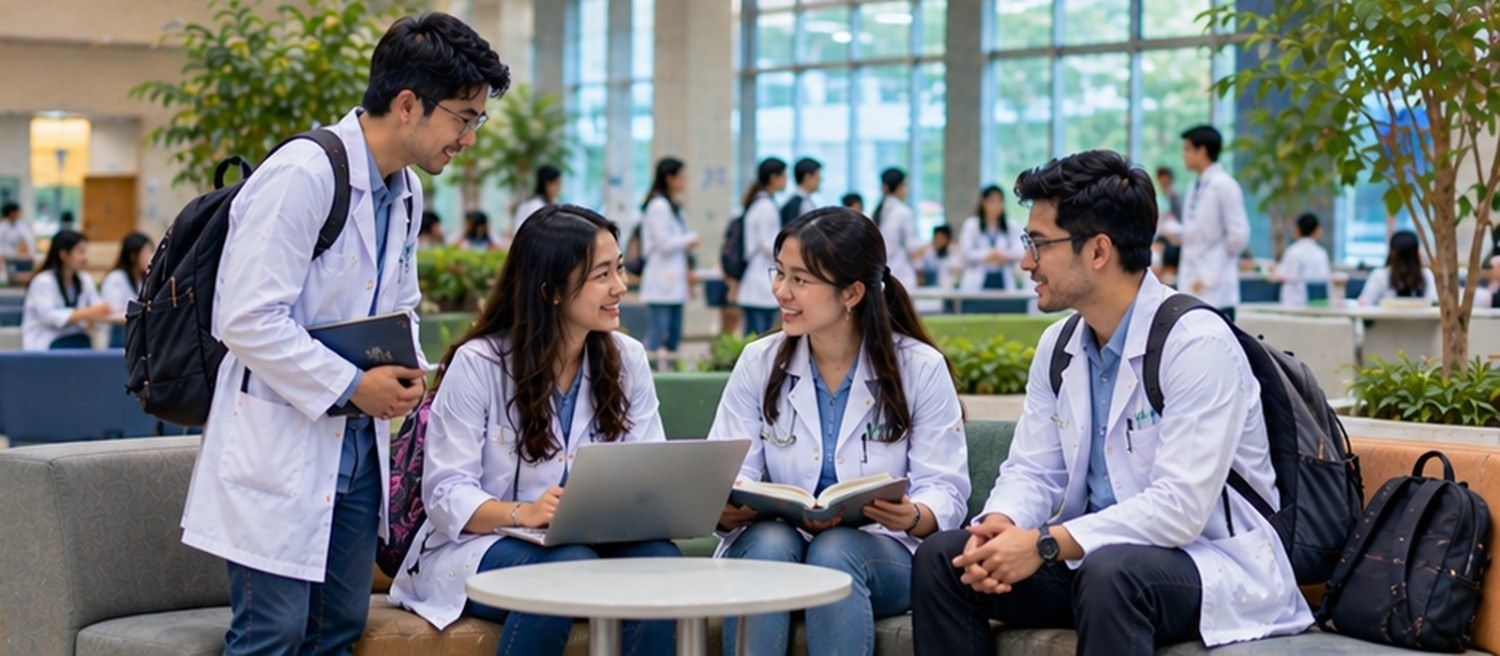
HBUAS's own Medicine programme specifically began accepting international students in 2015, a real, dated milestone. Reported figures for graduated batches genuinely vary, from a single graduated batch per one source, to three separate batches per another; applicants should confirm current, precise figures directly. More than 350 international students are currently reported studying Medicine, drawn primarily from Pakistan and Indonesia, alongside genuinely diverse programme options spanning Clinical Medicine and related health science disciplines within the wider Medical College.
HBUAS is specifically approved by Pakistan's own Medical Commission, holding A-List status, and is recognised by the World Health Organisation, WHO, alongside eligibility pathways for USMLE, PLAB/GMC, AMC, and ECFMG certification. At least one further source confirms recognition by IMED, FAIMER, and AVICENNA. Halal food is specifically confirmed as easily available, with fully furnished, on-campus hostels provided for international students, alongside performance-based scholarships awarded annually to excellent students.
NEET remains a genuine requirement for Indian applicants pursuing medical study in China generally, and Indian graduates would still need to clear the FMGE or NExT exam to practise medicine back in India, though applicants should confirm HBUAS's own current, specific international admission process directly.
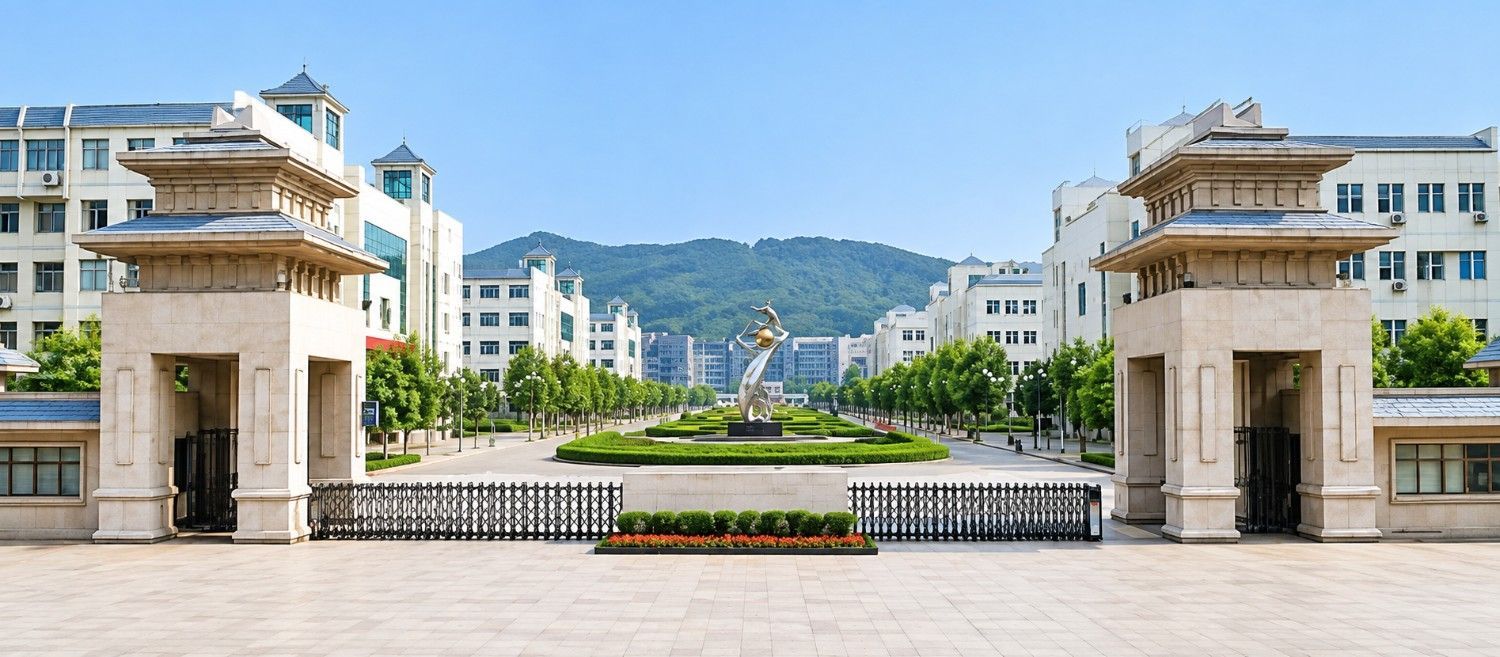
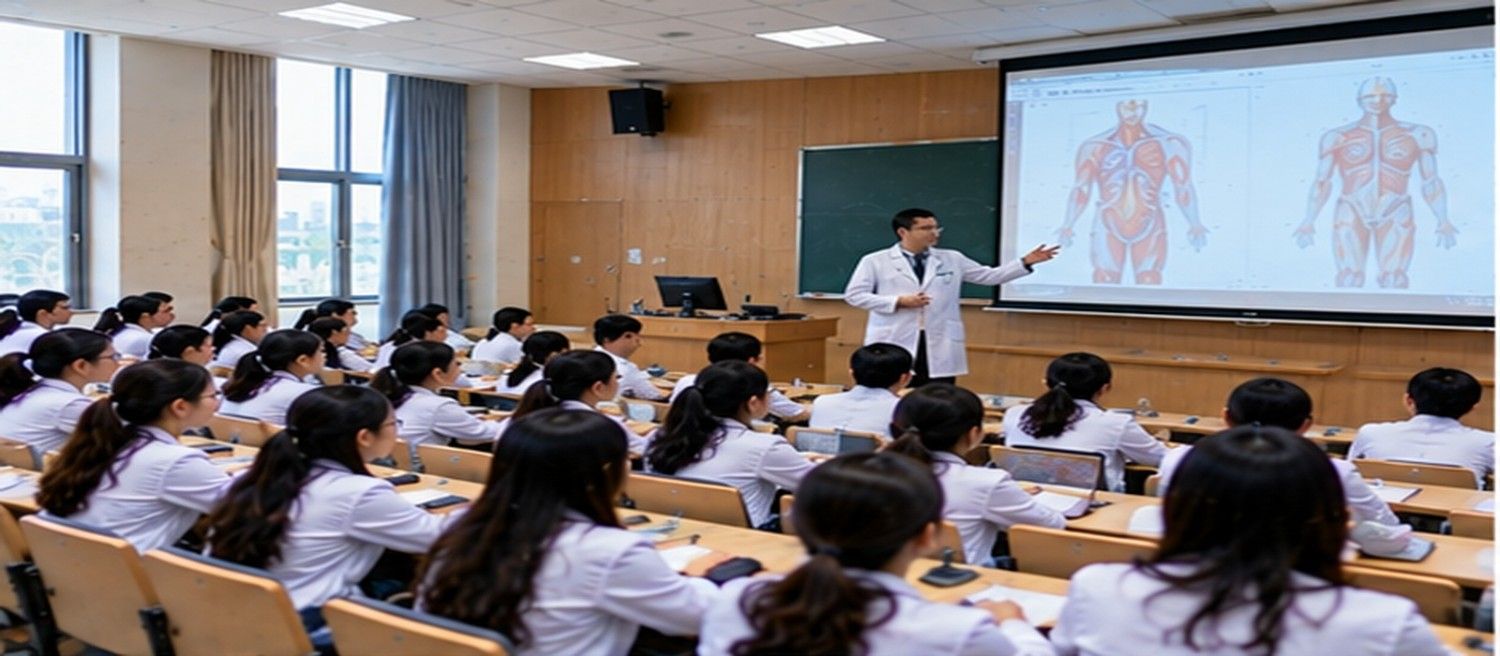
HBUAS's own genuinely substantial physical infrastructure supports its own considerable, comprehensive academic scope. The university's own campus spans approximately 943.9 thousand square metres, with a building area of 526.6 thousand square metres, housing 50 various types of laboratories, 160 multimedia classrooms, and 250 internal and external training bases. The library collection includes more than 2.2 million printed books, alongside several hundred thousand electronic books and access to over 17,300 types of electronic journals, giving students genuinely substantial academic resources beyond the Medical College specifically.
Zhuge Liang's own historical legacy, tied directly to Xiangyang, extends well beyond a simple hometown connection. He is genuinely one of the most celebrated strategists and statesmen in Chinese history, remembered for his own considerable role during the Three Kingdoms period, a genuinely significant era in Chinese history still widely referenced in Chinese literature, film, and popular culture today. This gives HBUAS's own students a genuinely distinctive cultural backdrop, combining serious medical training with direct exposure to one of China's own most historically resonant regional identities.
Given how genuinely specific HBUAS's own multi-stage founding and merger history actually is, even amid the real discrepancies identified across sources, and how directly this profile has flagged the university's own fascinating connection to Zhuge Liang's own hometown, applicants get a considerably more complete, honest picture here than the generic "established in [year]" framing many comparable Chinese medical institutions rely on. This genuine specificity, combined with HBUAS's own broad international recognition and confirmed Halal food and hostel provisions, gives HBUAS's Medical College a distinctive profile worth understanding fully before applying.
Fee figures here are based on general Chinese public-university tuition and living-cost bands, since a specific dollar figure was not found consistently across the sources reviewed; the concrete estimates below give applicants real, usable numbers to plan around.
Cost Item | Amount | Notes |
Tuition Fee | Approx. USD 3,000-5,500/year | Based on typical Medicine tuition bands at comparable Chinese public universities offering MBBS to international students |
Hostel/Accommodation Fee | Approx. USD 600-1,500/year | Fully furnished, on-campus hostel for international students specifically confirmed |
Health Insurance | Approx. USD 100-200/year | Standard estimate for international student health coverage in China |
Food/Meal Expenses | Approx. USD 100-200/month | Halal food specifically confirmed as easily available on and around campus |
Visa and Application Fees | Approx. USD 150-300, one-time | Covers application processing, JW202 documentation, and student visa fees |
Total 6-Year Estimate (tuition + hostel + insurance) | Approx. USD 22,200-43,200 | Combined estimate across the full 6-year programme, based on the ranges above held stable year to year |
Note: performance-based scholarships are specifically confirmed as available annually for excellent students, which can meaningfully reduce the totals above. Request the Medical College's own current, official, itemised fee schedule directly for the exact current-year rate.
Why HBUAS Deserves a Harder Look, and a Considerably More Careful One
Most lists mention Hubei University of Arts and Science only briefly among China's many comprehensive universities offering Medicine, without catching just how many genuine discrepancies exist across sources describing its own founding history. However, they do not explain these specific issues directly. The reason is simple. It is about real, specifically documented inconsistencies most guides simply repeat without question, and a genuinely fascinating historical setting worth knowing directly.
HBUAS is not like most other Chinese comprehensive universities covered in comparable guides when it comes to how directly its own founding year is disputed. In fact, at least two, genuinely detailed sources specifically claim a 1905 founding for Xiangyang Normal College, while at least two other, equally detailed sources instead claim 1958. Furthermore, this is a real, more than 50-year discrepancy, not a minor rounding difference, so applicants should treat any single claimed founding year with genuine caution pending direct confirmation.
Xiangyang's own connection to Zhuge Liang also matters more than most guides let on. For example, most guides describing a Chinese university's own city setting present only a generic description. HBUAS specifically sits in the hometown of one of Chinese history's own most famous strategists, a genuinely notable historical and cultural distinction. Moreover, this real, specific connection gives applicants a genuinely richer sense of the university's own setting than a vague "historic Chinese city" description would offer.
One thing most other blogs miss is the genuine discrepancy in HBUAS's own reported graduated Medicine batches. In addition to standard due diligence, one source reports just a single graduated batch, while another reports three separate batches. Since this genuinely affects how established and track-recorded the Medicine programme actually is, applicants should independently confirm the current, precise figure directly rather than assuming either claim is automatically correct.