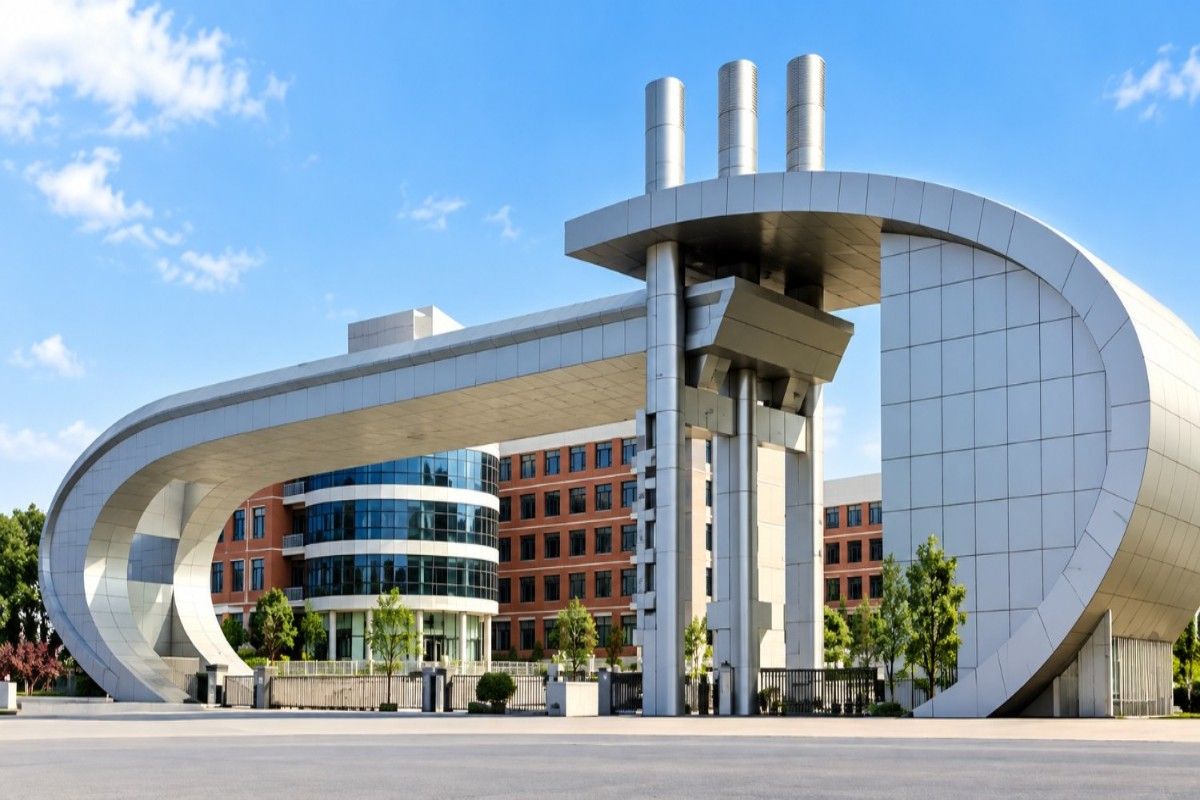
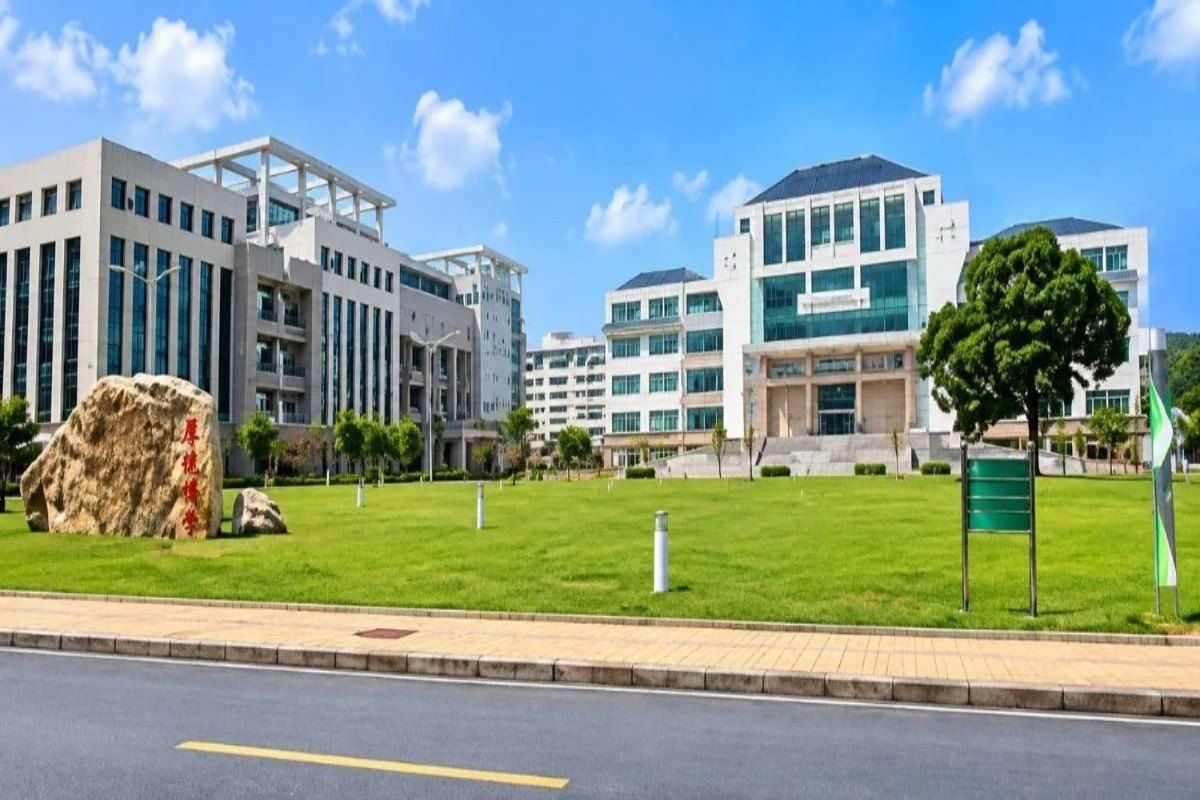
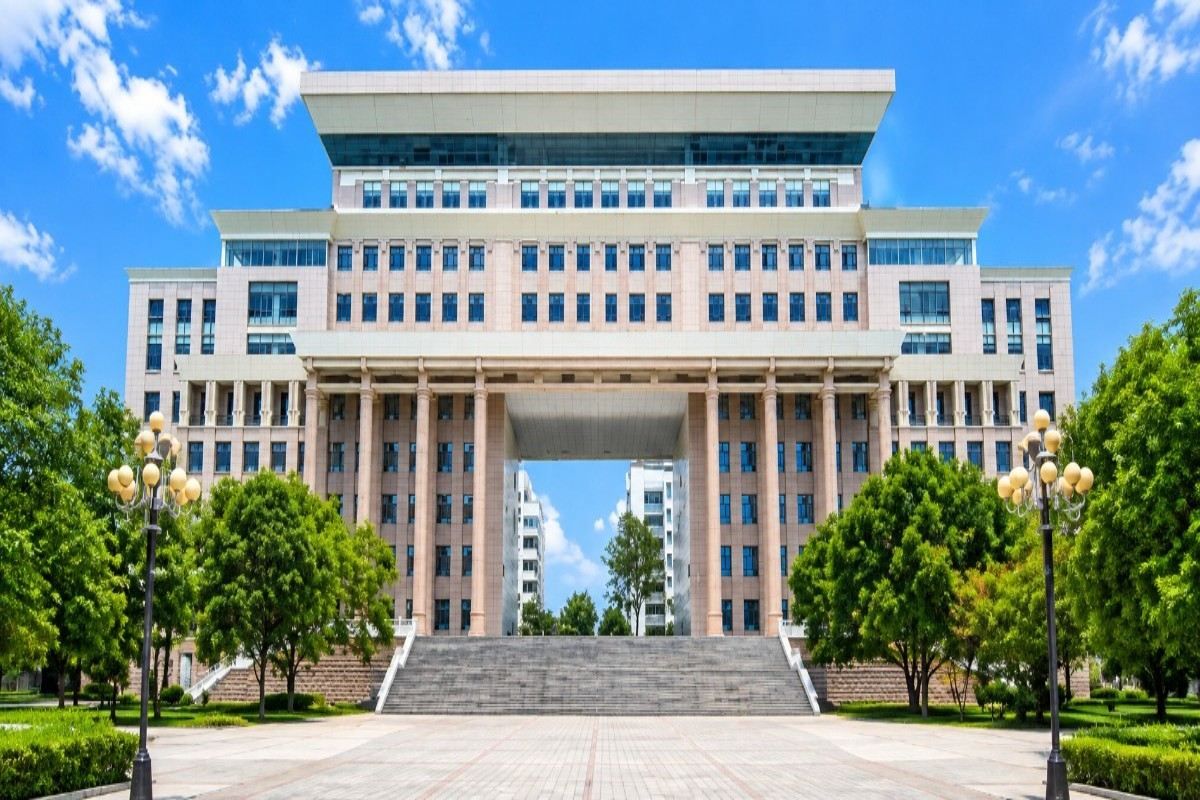
People mostly just call it HBPU for short. Here is a fact most guides skip entirely, and it deserves careful, specific treatment. The wider university and its own School of Medicine actually have genuinely separate founding stories. The wider university traces to 1975, originally established as Huangshi Engineering College, before passing through several distinct renamings: Wuhan University of Technology, Huangshi Branch, in 1981; Huangshi Polytechnical College in 1991; Huangshi Institute of Technology in 2004; and finally Hubei Polytechnic University in 2011. At least one separate source describes this 2004 stage slightly differently, as a merger between Huangshi College and Huangshi Education College, so applicants should treat the precise 2004 transition with some care.
The School of Medicine specifically, by contrast, was founded a year earlier than the wider university's own engineering-focused predecessor, in 1976, originally known as the Huangshi Branch of Hubei Medical College, a genuinely separate, dedicated medical institution absorbed into the wider university only later. The Medical School enrolled its own first two senior medical classes in 1977 and 1978.
Here is a genuinely important, specific regulatory caution worth knowing directly. At least one detailed consultancy source specifically describes HBPU as "well known Non-MOE Listed," meaning the university does not appear on China's own Ministry of Education list in the way some other Chinese medical universities do. Given the genuine caution flagged elsewhere in comparable guides regarding non-MOE Chinese universities and India's own current NMC criteria for FMGE or NExT eligibility, Indian applicants specifically should independently, directly confirm HBPU's own current MOE recognition status before applying, since this genuinely affects whether a resulting degree would be usable back in India.
A genuinely notable, specific academic distinction is worth knowing directly. HBPU's own Clinical Medicine discipline specifically entered the top 1 percent of the ESI, Essential Science Indicators, global rankings in 2021, a real, specific, subject-level distinction directly relevant to prospective Medicine applicants, rather than a vague claim of general institutional quality.
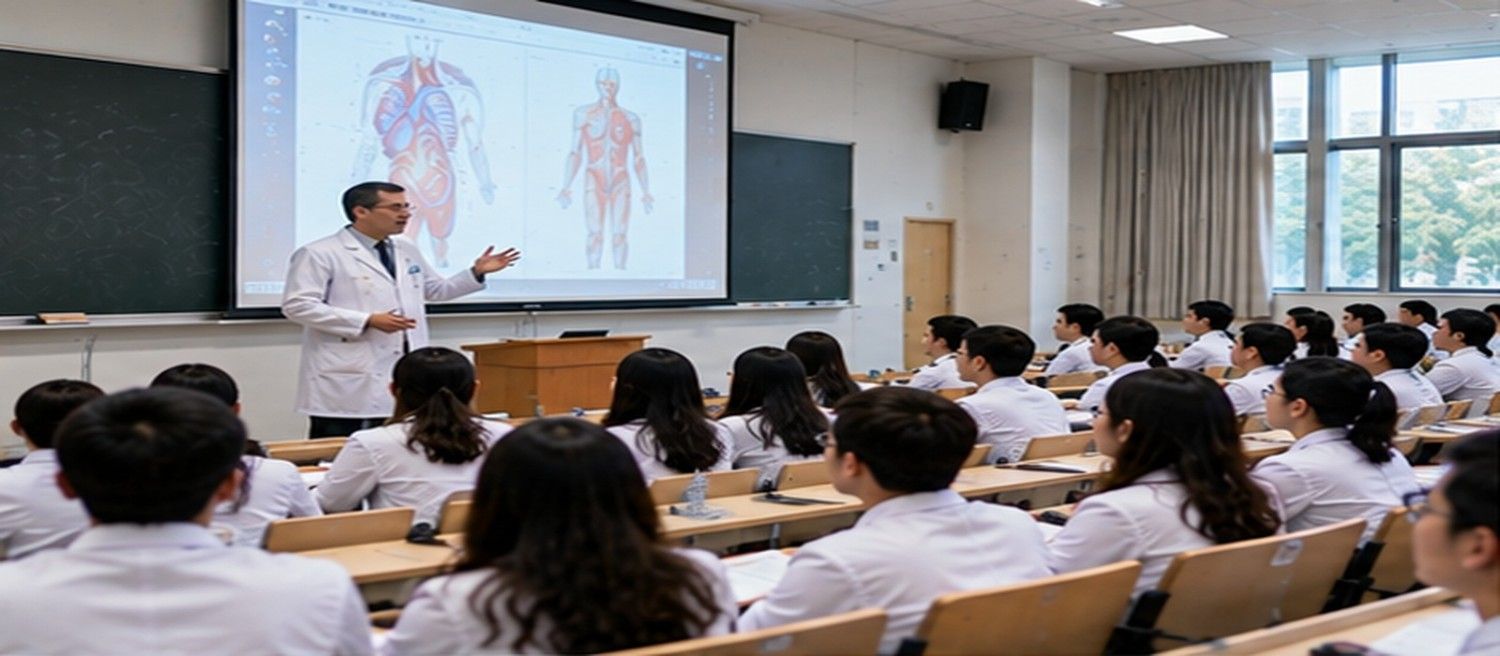
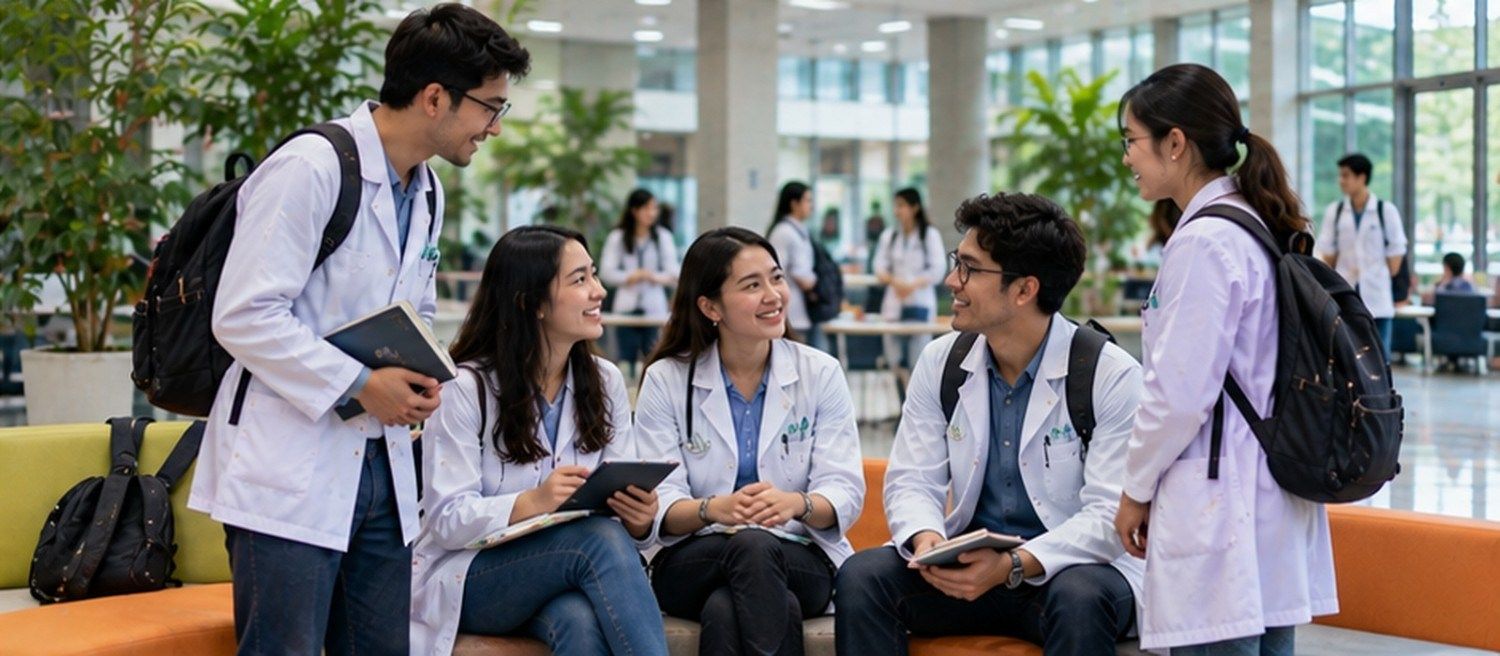
HBPU is located in Huangshi, genuinely described as "the Cradle of the Bronze Culture of China," roughly 50 kilometres from Wuhan, Hubei's own provincial capital, with high-speed rail and highway connections placing most of China within a 4 to 5 hour journey. The School of Medicine specifically comprises 4 functional departments, Basic Medicine, Nursing, Pharmacy, and Medical Laboratory, currently teaching approximately 2,000 students, including foreign students, supported by 79 faculty members, 57 of whom are full-time.
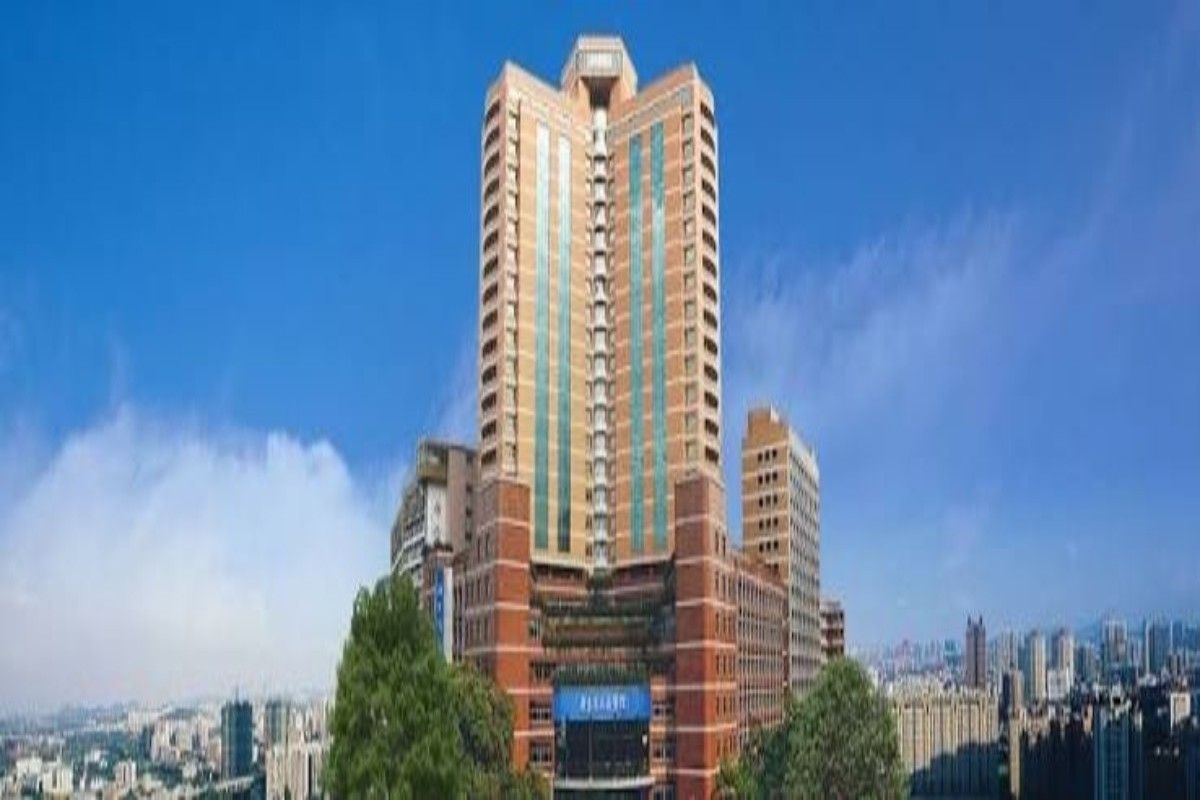
HBPU maintains a genuinely substantial clinical training network, comprising 4 affiliated hospitals, including Huangshi Central Hospital, Huangshi Aikang Hospital, and Huangshi Maternal and Child Health Hospital, all third-level general hospitals, alongside the third-level Daye City People's Hospital. This is further supported by 4 teaching hospitals, 7 practice hospitals, 6 community health practice bases, and 4 standardised resident training bases, split between national and Hubei provincial designations.
A genuinely specific, practical policy worth knowing directly concerns HBPU's own internship year fee structure. The sixth, internship year is charged based on where the internship is actually completed: the full tuition fee applies if conducted within China, while exactly half the tuition fee applies if the internship is completed outside China instead, a real, specific policy directly comparable to arrangements documented at other Chinese medical universities covered elsewhere in this whole series.
International applicants for the Clinical Medicine, MBBS, programme specifically need a minimum of 60 percent marks in Senior High School, WAEC, or A-Levels, with an age limit of 16 to 23 at the time of application. NEET remains a genuine requirement for Indian applicants pursuing medical study in China generally, and Indian graduates would still need to clear the FMGE or NExT exam to practise medicine back in India, subject to the genuine MOE recognition caution identified above.
HBPU's own wider academic scope extends well beyond medicine specifically, comprising 21 teaching departments across 8 disciplines, including engineering, science, economics, management, literature, teaching, and arts, alongside Clinical Medicine, spanning 56 to 58 undergraduate majors depending on the specific count. This genuinely broad, multi-disciplinary structure reflects the university's own engineering-focused origins, even as its own Medical School maintains a genuinely separate, specific institutional identity and history within the wider institution.
Huangshi's own considerable historical significance, as the genuinely documented "Cradle of the Bronze Culture of China," gives HBPU's own students a distinctive cultural backdrop, tied directly to the region's own ancient bronze-smelting heritage, one of the earliest and most historically significant such traditions anywhere in China. Combined with the city's own practical, well-connected transport links to the rest of the country, students at HBPU benefit from a genuine combination of historical depth and modern accessibility.
Given how genuinely specific HBPU's own separate Medical School founding history actually is, and how directly this profile has flagged the real Non-MOE listing caution, applicants get a considerably more accurate, complete picture here than the generic "established in [year]" framing many comparable Chinese medical institutions rely on. This genuine specificity, combined with HBPU's own confirmed top-1-percent ESI Clinical Medicine ranking and considerable clinical training network, gives HBPU's School of Medicine a distinctive profile worth understanding fully before applying.
Fee figures here combine genuinely specific, confirmed application and admission charges with general Chinese public-university tuition bands, giving applicants real, usable numbers to plan around.
Cost Item | Amount | Notes |
Application Fee (specific, confirmed figure) | RMB 1,500, paid after document acceptance | Genuinely specific, confirmed figure directly sourced for HBPU |
Admission Confirmation Fee (specific, confirmed figure) | RMB 2,000, paid after formal admission letter | Genuinely specific, confirmed figure; remaining fees payable upon arrival |
Tuition Fee (estimated, general China reference) | Approx. USD 3,000-5,500/year | Not confirmed as School of Medicine-specific; estimated from general Chinese public-university Medicine tuition bands |
Hostel/Accommodation Fee (estimated) | Approx. USD 600-1,500/year | Estimated from typical Chinese public-university international dormitory rates |
Internship Year (Year 6) Fee | Full tuition if completed in China; 50% of tuition if completed outside China | Specific, confirmed policy directly sourced for HBPU |
Total 6-Year Estimate (tuition + hostel + admission fees) | Approx. USD 22,000-42,500 | Combined estimate based on the ranges above, including the confirmed application and admission fees |
Note: fees can be paid in either USD or RMB; if paid in USD, the amount is calculated based on the actual currency exchange rate at time of payment. Request the School of Medicine's own current, official, itemised fee schedule directly for the exact current-year rate.
Why HBPU Deserves a Harder Look, and a Considerably More Careful One
Most lists mention Hubei Polytechnic University's School of Medicine without addressing its own genuinely separate founding story from the wider university, or flagging the specific Non-MOE listing caution that directly affects Indian applicants. However, they do not explain these specific issues directly. The reason is simple. It is about a real, specific institutional history most guides skip entirely, and a genuinely important regulatory caution worth knowing directly.
HBPU's School of Medicine is not like most other Chinese medical faculties covered in comparable guides when it comes to how precisely its own separate origin can be traced. In fact, it was specifically founded in 1976 as the Huangshi Branch of Hubei Medical College, a full year before the wider university's own engineering-focused predecessor, Huangshi Engineering College, was established in 1975 under a genuinely different institutional lineage. Furthermore, this real, specific detail deserves direct acknowledgement, since it shows the Medical School's own history is not simply a later addition to an already-existing comprehensive university, but a genuinely separate, dedicated medical institution absorbed later.
The genuine Non-MOE listing caution also matters more than most guides let on. For example, most guides describing a Chinese medical university's recognition status present a simple, reassuring list of accreditations without further context. At least one detailed consultancy source specifically describes HBPU as "well known Non-MOE Listed." Moreover, given the genuine caution documented elsewhere regarding non-MOE Chinese universities and India's own current NMC eligibility criteria for FMGE and NExT, Indian applicants specifically should treat direct, current confirmation of HBPU's own MOE recognition status as a genuinely essential step, not an optional formality.
One thing most other blogs miss is HBPU's own genuinely specific, subject-level ESI ranking distinction. In addition to standard due diligence, Clinical Medicine specifically entered the top 1 percent of ESI global rankings in 2021, a real, dated, verifiable figure directly relevant to Medicine applicants specifically, rather than a vague claim about the wider university's other departments.