People mostly just call it HBUST for short. Here is genuinely one of the most specifically documented, multi-stage founding histories covered in guides like this one, worth presenting with real care. In 1946, Puqi Normal School, itself founded in 1937, merged with Hubei Province First Senior High School, founded in 1942, forming Xianning Regional Normal School, later passing through several renamings before becoming Xianning Normal College. This teacher-training lineage genuinely traces its own roots to 1937, the specific founding year cited by at least two separate sources describing HBUST's own overall institutional age.
The medical side of HBUST's own history developed entirely separately. In 1965, Hubei Medical College Xianning Branch was established, becoming an independent institution, Xianning Medical College, in 1994. In March 2002, Xianning Medical College formally merged with Xianning Normal College to form Xianning University. Finally, in December 2011, with approval from China's own Ministry of Education, the combined institution was renamed Hubei University of Science and Technology, its current name.
Here is a genuinely reassuring detail worth knowing directly, especially given cautions documented elsewhere in this whole series regarding non-MOE-listed Chinese universities. HBUST is specifically confirmed as recognised by China's own Ministry of Education, MOE, alongside the World Health Organisation, WHO, IMED, FAIMER, and WDOMS, a genuinely broad, positively confirmed set of recognitions rather than a source of caution.
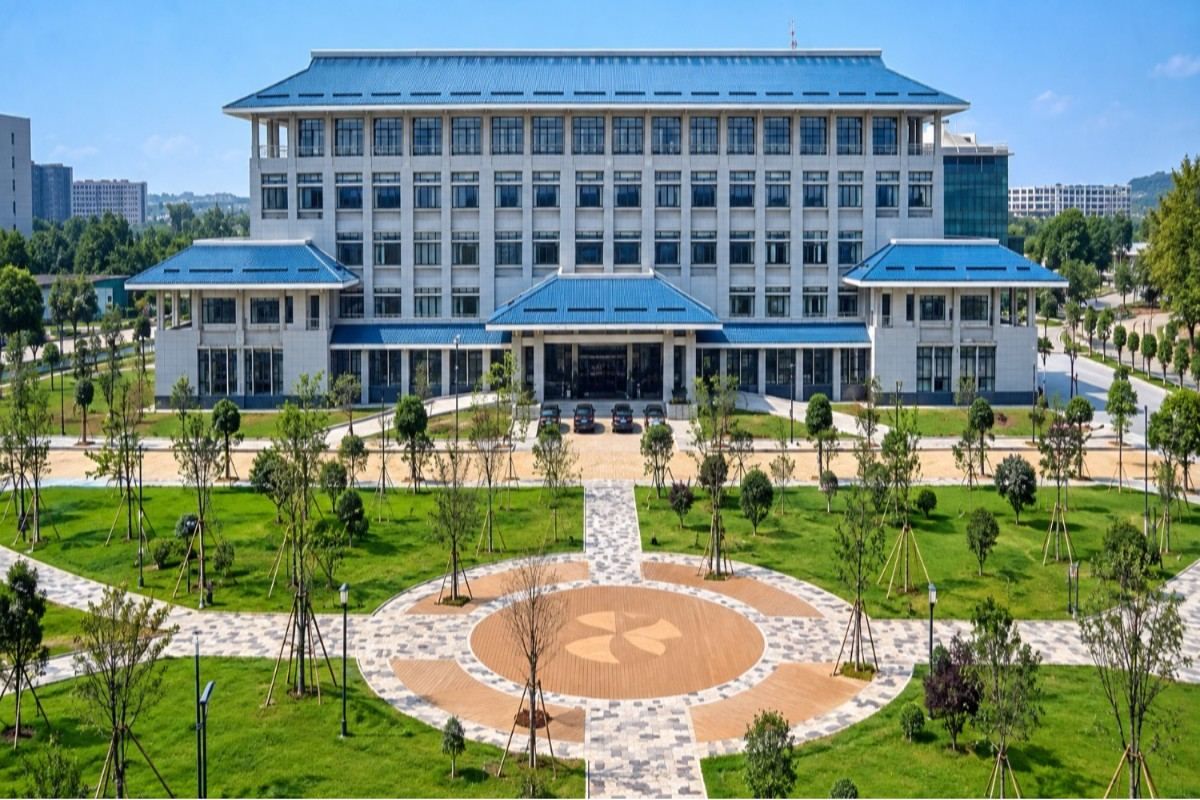
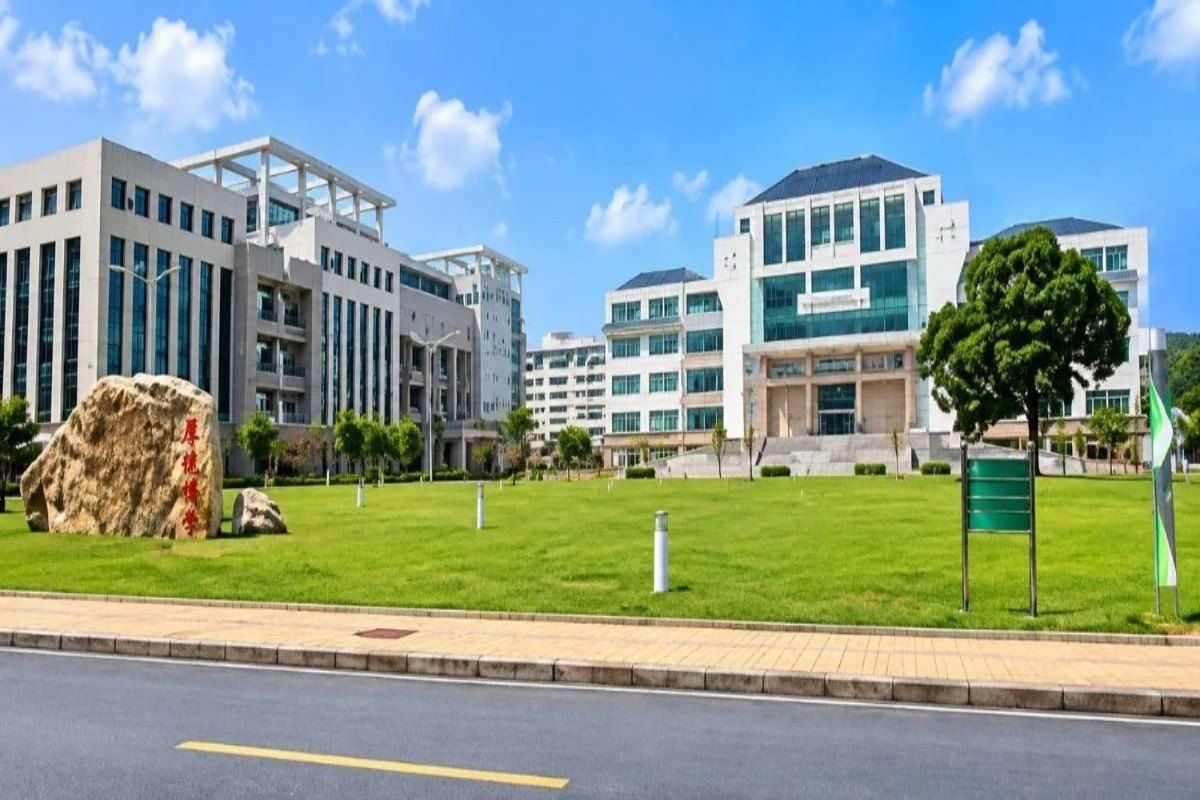
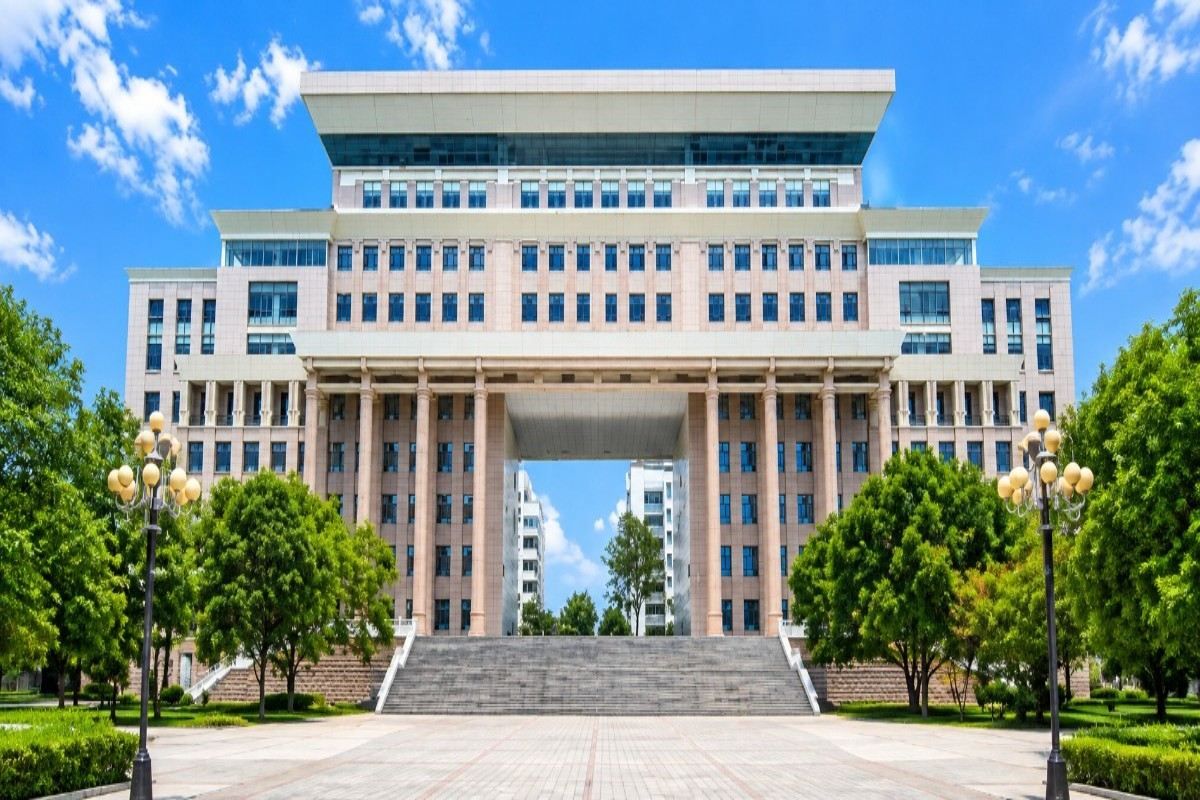
HBUST operates across two campuses, Wenquan and Xian'an, spanning approximately 96 hectares, with a total building floor area exceeding 580,000 square metres. The university comprises 23 disciplinary colleges, offering 53 undergraduate majors, currently teaching more than 20,000 students, including approximately 200 international students, supported by around 1,500 faculty and staff.
A genuinely useful, specific practical detail worth knowing directly concerns HBUST's own transport links. The Yangtze River sits just 30 minutes away by car, and the inter-city metro reaches Wuhan, Hubei's own provincial capital, in just 18 minutes, with the wider city itself genuinely described as the "south gate and back yard of Wuhan," roughly 70 kilometres, or one hour, away. This gives HBUST's own students genuinely practical, fast access to one of central China's own largest metropolitan areas.
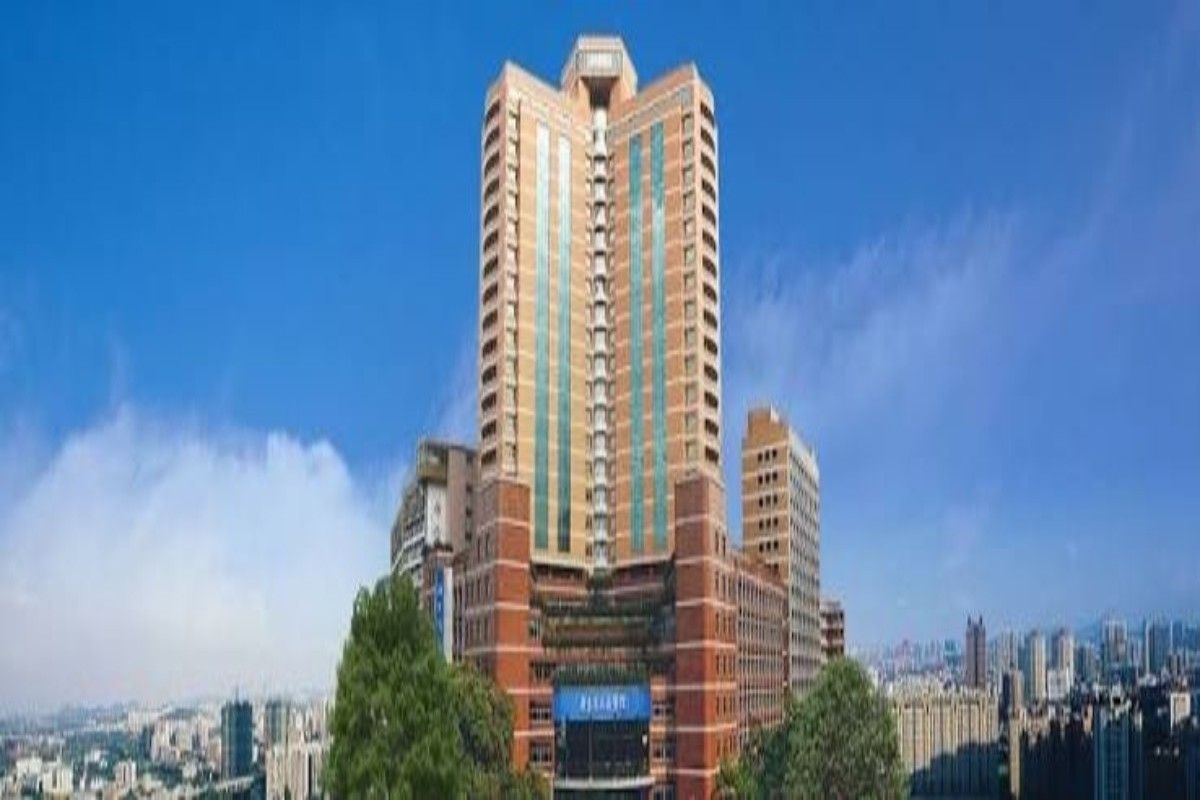
HBUST maintains a genuinely specific clinical training network. Its own First Affiliated Hospital, Xianning Central Hospital, is a national 3A-level general hospital, founded in 1966, spanning 201.74 acres with 45 clinical and medical departments and 1,200 beds. The Second Affiliated Hospital is a national 2A-level general hospital, founded in 1965, covering 53.3 acres with 26 departments and 320 beds.
HBUST began enrolling international students for its own MBBS programme in 2009, with the first graduating batch completing their studies in 2015, genuinely specific, dated milestones. Xianning itself is described as a city where Jin-Chu culture can be genuinely experienced, alongside echoes of ancient Three Kingdoms-era battle history, natural hot springs, and osmanthus fragrance, giving HBUST's own students a genuinely distinctive cultural and natural setting.
NEET remains a genuine requirement for Indian applicants pursuing medical study in China generally, and Indian graduates would still need to clear the FMGE or NExT exam to practise medicine back in India, though applicants should confirm HBUST's own current, specific international admission process directly.
HBUST's own considerable academic scope extends across 23 disciplinary colleges and 53 undergraduate majors, reflecting a genuinely broad institutional structure well beyond the Faculty of Medicine specifically. This comprehensive breadth, combined with the university's own status as a pilot institution for the Excellent Doctor Education and Training Program and one of the National Top 100 Demonstration Universities for Industry-Education Integration, reflects genuine, considerable national recognition across multiple, specific programme categories, not merely a single, isolated designation.
Xianning's own genuinely rich cultural setting, combining Jin-Chu heritage with echoes of Three Kingdoms-era history, natural hot springs, and osmanthus fragrance, gives HBUST's own students a distinctive backdrop quite different from studying in one of China's larger, more purely industrial or commercial cities. Combined with the university's own genuinely fast, practical transport connection to Wuhan, students at HBUST benefit from a real combination of a smaller, culturally rich home city and rapid access to one of central China's own major metropolitan centres whenever needed.
Given how genuinely specific HBUST's own dual founding history actually is, tracing separately through both a 1937 teacher-training lineage and a 1965 medical lineage before their 2002 merger, and how directly this profile has confirmed HBUST's own positive MOE-listed status, applicants get a considerably more accurate, reassuring picture here than the generic "established in [year]" framing many comparable Chinese medical institutions rely on. This genuine specificity, combined with HBUST's own practical proximity to Wuhan and specific, dated international MBBS programme history, gives HBUST's Faculty of Medicine a distinctive profile worth understanding fully before applying.
Fee figures here combine specific, confirmed application charges with general Chinese public-university tuition bands, giving applicants real, usable numbers to plan around.
Cost Item | Amount | Notes |
Application Fee (specific, confirmed figure) | RMB 1,500, paid after document acceptance | Genuinely specific, confirmed figure sourced for HBUST |
Admission Confirmation Fee (specific, confirmed figure) | RMB 2,000, paid after formal admission letter | Genuinely specific, confirmed figure; remaining fees payable upon arrival |
Tuition Fee (estimated, general China reference) | Approx. USD 3,000-5,500/year | Not confirmed as Faculty of Medicine-specific; estimated from general Chinese public-university Medicine tuition bands |
Hostel/Accommodation Fee (estimated) | Approx. USD 600-1,500/year | Estimated from typical Chinese public-university international dormitory rates |
Internship Year (Year 6) Fee | Full tuition if completed in China; 50% of tuition if completed outside China | Specific, confirmed policy directly sourced for HBUST |
Total 6-Year Estimate (tuition + hostel + admission fees) | Approx. USD 22,000-42,500 | Combined estimate based on the ranges above, including the confirmed application and admission fees |
Note: fees can be paid in either USD or RMB; if paid in USD, the amount is calculated based on the actual currency exchange rate at time of payment. Request the Faculty of Medicine's own current, official, itemised fee schedule directly for the exact current-year rate.
Why HBUST Deserves a Harder Look Than You've Given It
Most lists mention Hubei University of Science and Technology only briefly, without explaining its own genuinely dual, separately traceable founding lineages, or confirming its own positive MOE-listed status. However, they do not explain these specific issues directly. The reason is simple. It is about a real, specifically documented dual institutional history most guides skip entirely, and a genuinely reassuring recognition status worth confirming directly.
HBUST's Faculty of Medicine is not like most other Chinese medical faculties covered in comparable guides when it comes to how precisely its own dual origin can be traced. In fact, its own teacher-training lineage traces to 1937, while its own entirely separate medical lineage traces to 1965, with the two only merging in 2002. Furthermore, this genuinely specific, dual-track history deserves direct acknowledgement, since it shows HBUST's own Faculty of Medicine has a genuinely distinct institutional origin from the wider university's own teacher-training roots.
The confirmed MOE-listed status also matters more than most guides let on. For example, most guides describing a Chinese medical university's recognition status present a simple list without addressing the genuine, practical caution around non-MOE institutions documented elsewhere in this whole series. HBUST is specifically confirmed as recognised by China's own Ministry of Education. Moreover, this genuinely positive confirmation gives Indian applicants specifically a real, additional degree of confidence compared to institutions where MOE status remains genuinely uncertain or explicitly flagged as absent.
One thing most other blogs miss is HBUST's own genuinely fast, practical transport connection to Wuhan. In addition to standard due diligence, the inter-city metro specifically reaches Wuhan in just 18 minutes, a real, considerable practical advantage for students wanting genuine, frequent access to one of central China's own largest cities without a lengthy commute.