
1. Is the course taught in English?
+Yes. All teaching and assessment is in English.
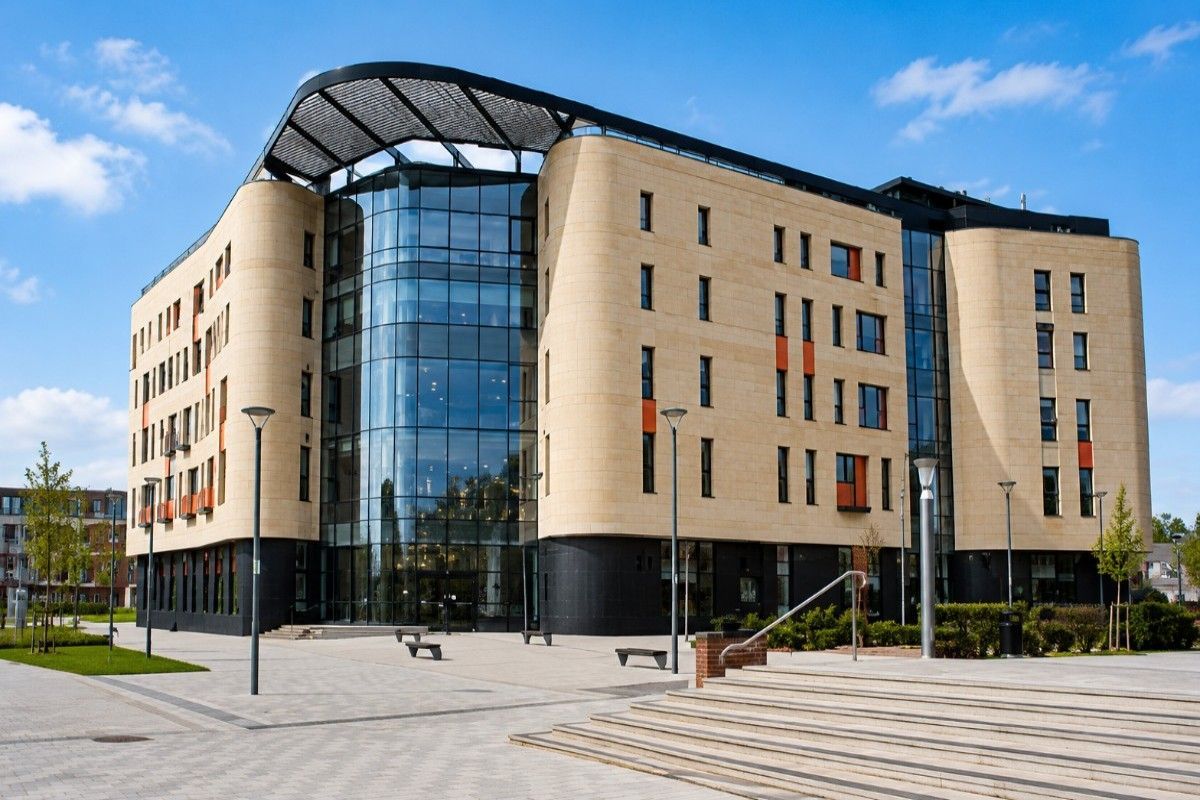
 Uk | Est. 2003
Uk | Fully recognised by the General Medical Council (GMC). It is run with the University of Hull, the University of York, and the NHS. | English. medium
Expert will call you within 2 hours
Hull York Medical School, known widely as HYMS, has a set-up that is rare in the United Kingdom. It is one medical school, but it is run jointly by two separate universities: the University of Hull and the University of York. Most UK medical schools belong to a single parent university. HYMS does not. It shares staff, campuses and funding across both cities, and students spend time in both places during the degree.
The school took its first students in 2003. It was created as part of a wider plan by the British government to train more doctors. Four new schools opened around the same time. The others were Brighton and Sussex Medical School, Peninsula Medical School, and the medical school at the University of East Anglia. HYMS was the only one of the group built as a true joint venture between two universities.
Medical teaching in this part of England is older than 2003, though the earlier story is a broken one. Hull Medical School opened in 1831. The York Medical Society followed in 1832. York Medical School itself began in 1834. None of these survived. The Medical Acts of the nineteenth century, and the slow merging of British medical training that came after, closed them one by one. So the region went roughly a century and a half with no medical school of its own. HYMS brought formal medical teaching back.
For a school that is not yet twenty five years old, its record is strong. The Guardian University Guide 2026 ranks HYMS third in the whole of the UK for Medicine. The Times University Guide 2026 places it tenth. In the 2025 National Student Survey, HYMS scored above the sector average in all nine measured areas. It did well in Teaching on my Course, in Learning Opportunities, in Assessment and Feedback, and in Mental Wellbeing Support. That last point matters. Medicine is a demanding degree, and support scores are often where big schools slip. Both parent universities were also rated Gold in the 2023 Teaching Excellence Framework. Gold is the top grade. Few schools hold that mix of results across the board.
The degree awarded is the MBBS. Students can also add an intercalated BSc or MSc if they want a research year alongside the core course. This is a common route in the UK for students who plan to work in academic medicine or research later on.
Because the school spans two cities, training feels different here. Hull and York sit about thirty kilometres apart. Hull is a port city with a large working population and a busy district general hospital system. York is smaller, older and more compact. Students see both. That means two different patient groups, two different sets of health needs, and two different clinical cultures. Many graduates say this mix is the main thing they gained. You are not tied to one hospital or one city for five years.
Teaching starts with patients early. Students meet real patients in the first year rather than waiting until the third. Learning is case based, and small group work sits at the centre of it. Placements run across NHS trusts in Yorkshire and the Humber, and include time in general practice, in hospital wards, and in rural and coastal areas where health needs are often high and staff numbers are low. That exposure is useful. It shows students the parts of the health service that are under real pressure. Student life runs across both cities as well. Hull has a lively student union, a low cost of living, and a compact campus. York offers a historic city centre, good rail links, and a large student population of its own. Medical students often build friendships in both places.
Admissions at HYMS work in an unusual way. The school uses a points system that tries to balance grades against personal background. UCAT performance is worth up to 40 points, scored by decile. The best six GCSE results are worth 30 points. The Situational Judgement Test band is worth 15 points. Then there are up to 15 more points for widening participation factors. These cover real life issues that may have limited a student's earlier chances at school, such as being in care, being the first in the family to attend university, or coming from an area where few students go on to higher study.
One rule is firm. A Band 4 result in the Situational Judgement Test means automatic rejection, no matter how strong the rest of the application is. Applicants should know this before they sit the test. Beyond the points, the school asks for AAA at A level, including Biology and Chemistry. The Gateway Year route asks for BBC instead. That route adds an extra preparatory year for students who need more grounding before they start the main course.
Costs follow the standard UK split. Home students pay 9,250 pounds a year for both routes. UK government tuition fee loans cover this in full, so home students do not pay upfront. International students pay a single flat rate of 38,500 pounds a year. That figure sits in the middle of the UK range. Across the country, international medical tuition runs from around 30,150 pounds a year at the low end to over 70,000 pounds a year at the high end. So HYMS is far from the cheapest, but it is well below the most costly schools. Over a full degree the gap adds up to a large sum.
Living costs in Hull and York differ. Hull is one of the cheaper student cities in England. York is more expensive, closer to national average rents, and its housing market is tight because of tourism. Students should budget for both, since they will live in or travel between the two during the course.
The school offers bursaries. One is aimed at students with a residual household income of 25,000 pounds or less. Others exist too. Most of these are open to UK domestic students rather than international fee payers, so overseas applicants should plan their funding on the assumption that they will pay full fees.
For Indian students, the usual national rule applies. A valid NEET score is required to meet National Medical Commission rules for studying medicine abroad. This holds true no matter how well ranked the school is. HYMS holds full General Medical Council recognition, so the degree carries weight worldwide. Graduates who want to practise in India must still clear the FMGE, or the NExT exam once it replaces FMGE. That rule applies to every foreign medical degree.
Graduates from HYMS enter the UK Foundation Programme in the same way as students from any other UK school. Many stay in Yorkshire and the Humber for their first posts. Others move across the UK or abroad. The GMC recognition, plus the school's placement record in busy NHS trusts, means graduates leave with practical experience rather than only classroom work.
To sum up, Hull York Medical School offers a rare joint university structure, a fast rising ranking record, and an admissions process that looks at background as well as grades. Its international tuition is high but not extreme by UK standards. It suits students who want a younger school with strong results, real patient contact from year one, and training across two very different English cities rather than one.
No hidden charges, no donation. The full picture of costs at MBBS in Hull York Medical School.
Tuition Fee
38,500 pounds a year for international students. That is about USD 48,895 or INR 40.87 lakh. UK home students pay 9,250 pounds a year, or ab
48,895 INR 40.87 lakh
Hostel Fee
Not listed for medicine alone. Rates differ in Hull and York. Ask the housing office at your campus.
9,500 INR 7.94 lakh
Food & Meals
3,400 INR 2.84 lakh
per Year
Insurance
800 INR0.67 lakh
Per Year
Donation
No Donation
No hidden fee
Total Estimated Cost
62,595 INR 52.32 lakh
Contact us
25–35%
Average FMGE first-attempt pass rates for students from many overseas medical universities. Students from structured programs consistently score higher.
Students returning to India need to clear the FMGE/NExT exam. MBBS in Hull York Medical School integrates exam-oriented coaching into the regular curriculum so students are prepared from day one.
A structured program that takes you from foundational sciences to clinical mastery.
Talking with patients is taught from the start.
, physiology, biochemistry, cell biology, and a look at the body systems. Students meet real patients in this first year through short visits to local doctors.
Real cases link the science to real patients. Visits to clinics and wards go on.
The heart, lungs, kidneys, hormones and nerves. Students also study disease, drugs and germs.
The focus is on exams, patient history and working out a diagnosis.
Students move into NHS hospitals across Yorkshire and the Humber. Rotations cover general medicine and surgery.
Many take the extra BSc or MSc year at this point.
Child health, women's health, mental health and general practice. Students also study public health and how to read research.
Students join the ward team and take on more, with staff close by.
Longer stints in medicine, surgery, emergency care and intensive care.
Final exams confirm they are ready to practise.
This applies to students on the Gateway Year or the extra BSc route. It covers a work placement as an assistant, an elective that can be taken abroad, and prep for the UK Foundation Programme.
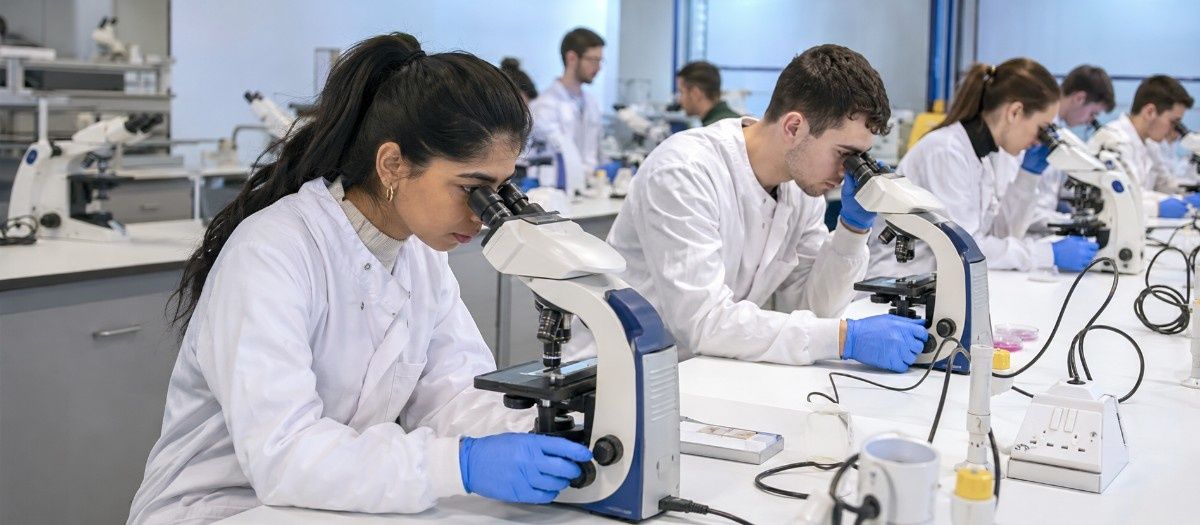
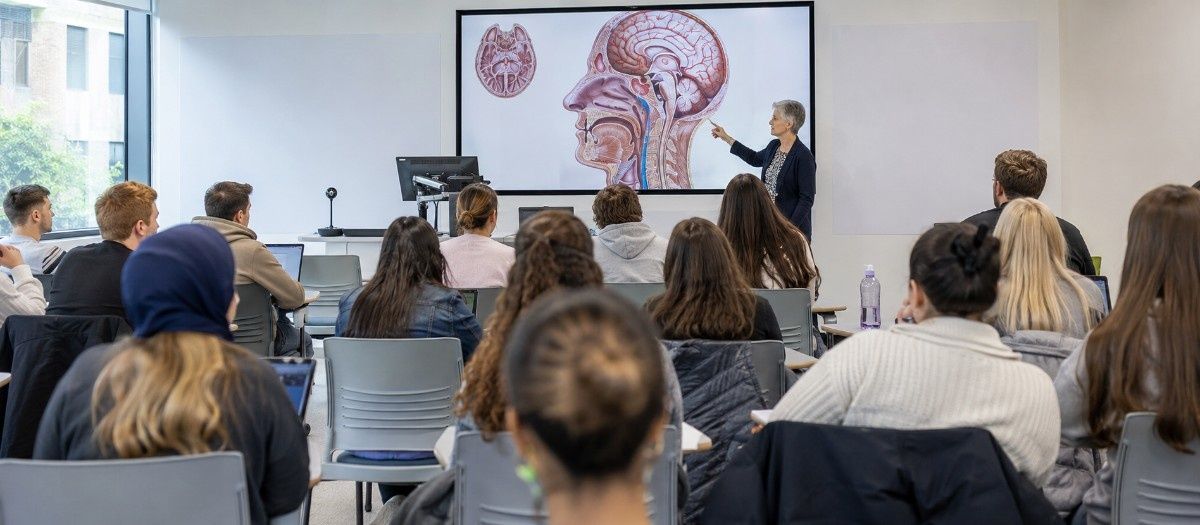
Furnished hostel rooms with Wi-Fi, laundry, 24/7 security, and Indian mess on or near campus.
Indian restaurants and mess facilities serving vegetarian and non-vegetarian home-style food daily.
Strong Indian community with cultural events, festival celebrations, and peer support groups.
Students get hands-on clinical training in government and private hospitals affiliated with the university.
Practical information for students planning to study at MBBS in Hull York Medical School.
Prepare for all seasons. Thermal wear for winters, light clothing for summers. University provides heating in hostels.
Student visa processed with university invitation letter. Direct and connecting flights from major Indian cities.
Health insurance included in fees. Medical facility on campus plus city hospitals easily accessible.
Local SIM cards available. WhatsApp and video calls keep you connected with family back home.
Average monthly expenses of $150–$250 covering food, transport, and personal needs.
University library, online databases, and study groups. Seniors mentor juniors through academic challenges.
Our team guides you through every step — from application to arriving on campus.
Compare universities based on fees, city, UCAT requirements, and clinical exposure, starting 12–18 months before your intended entry, not the cycle you’re applying in.
Registration opens in May; the testing window runs July–September. Most successful applicants begin focused preparation 3–4 months ahead, alongside board exam preparation.
Book and complete IELTS, PTE, or TOEFL well ahead of the UCAS deadline, allowing time for a retake if needed.
Submit your application, including personal statement and up to 4 medicine choices, before the 15 October deadline.
Prepare for and attend interviews (MMI or Panel format) typically scheduled November through February.
Offers (conditional or unconditional) typically arrive through winter and spring; conditional offers require meeting stated academic and English-score conditions.
Once Class 12 results and any other conditions are confirmed, your university issues the Confirmation of Acceptance for Studies (CAS), which is required for your visa application.
Apply using your CAS reference number; arrange maintenance funds according to the 28-day rule well in advance rather than at the last minute.
Book flights, confirm accommodation, complete any on-arrival formalities during orientation week, open a local bank account, and begin building connections with your university’s Indian/South Asian student community.
Admission Helpline — Contact our counsellors for step-by-step assistance.
“The faculty here is incredibly supportive. The clinical training during hospital rotations has given me real confidence in patient care.”
“Affordable fees without compromising on quality. The campus facilities and hostel life made my transition abroad very smooth.”
“English medium instruction and WHO-recognized curriculum were the deciding factors for me. No regrets so far — excellent experience overall.”
“The university helped with everything from visa to accommodation. Hospital exposure from year three has been invaluable for my FMGE prep.”
“Just cleared my licensing exam on the first attempt. The structured coaching and mock exams during final year were a game-changer.”
“Safe campus, good food options, and a strong Indian student community. The teaching methodology is very practical and hands-on.”
Yes. All teaching and assessment is in English.
Yes. Students sit the UCAT. It includes a Situational Judgement Test. Both count in the points system.
Yes. It is needed under National Medical Commission rules.
38,500 pounds a year for international students and 9,250 pounds a year for UK home students.
Yes. The GMC recognises it, and it is listed in the World Directory of Medical Schools.
Points are split four ways. Up to 40 for the UCAT, 30 for the best six GCSEs, 15 for the SJT band, and up to 15 for background. Grades alone do not decide it.
Hull and York run it together. Students train on both campuses and in hospitals near both cities.
The form is rejected at once, whatever the other scores are.
Yes. One is for students whose household income is 25,000 pounds or less. Most are for UK students, not overseas fee payers.
Students who want a young school with strong results, patient contact in year one, and training in two very different cities.
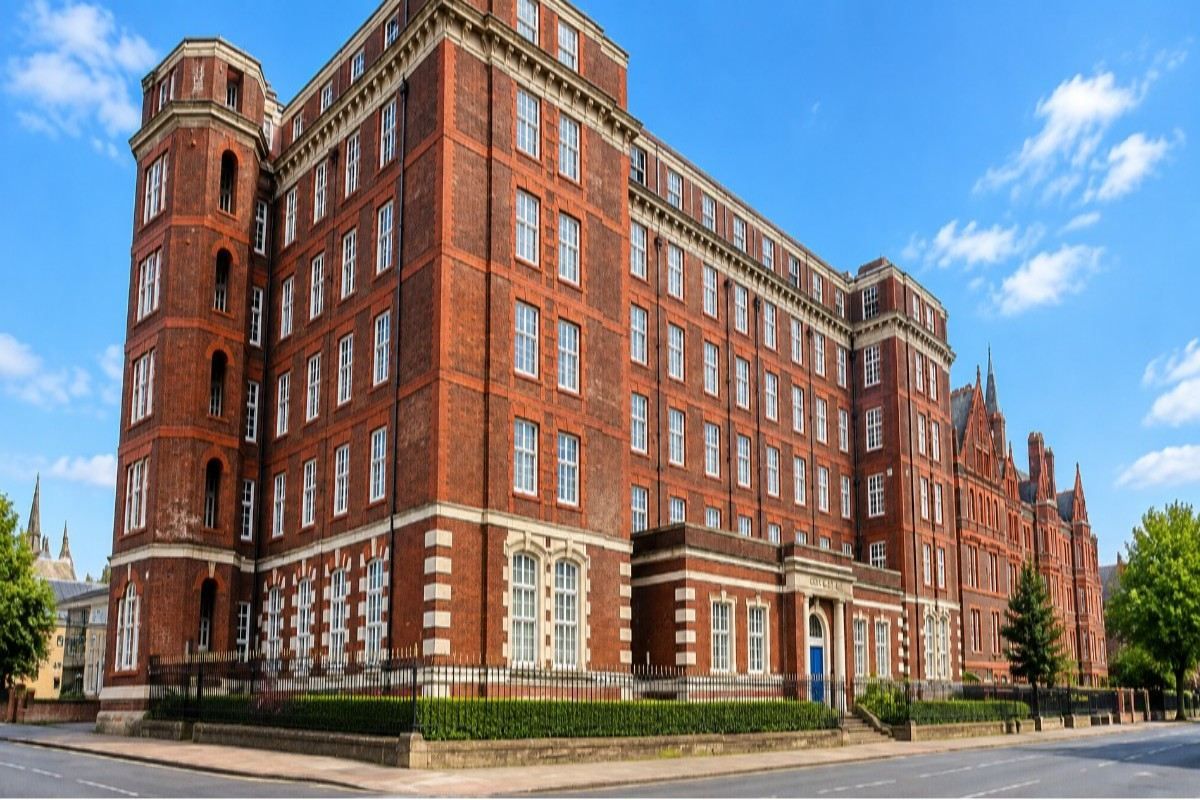
Our expert counsellors will guide you through the complete admission process — from documents to airport pickup.