
Q1. Is this program taught in English?
+Yes, fully English-medium.
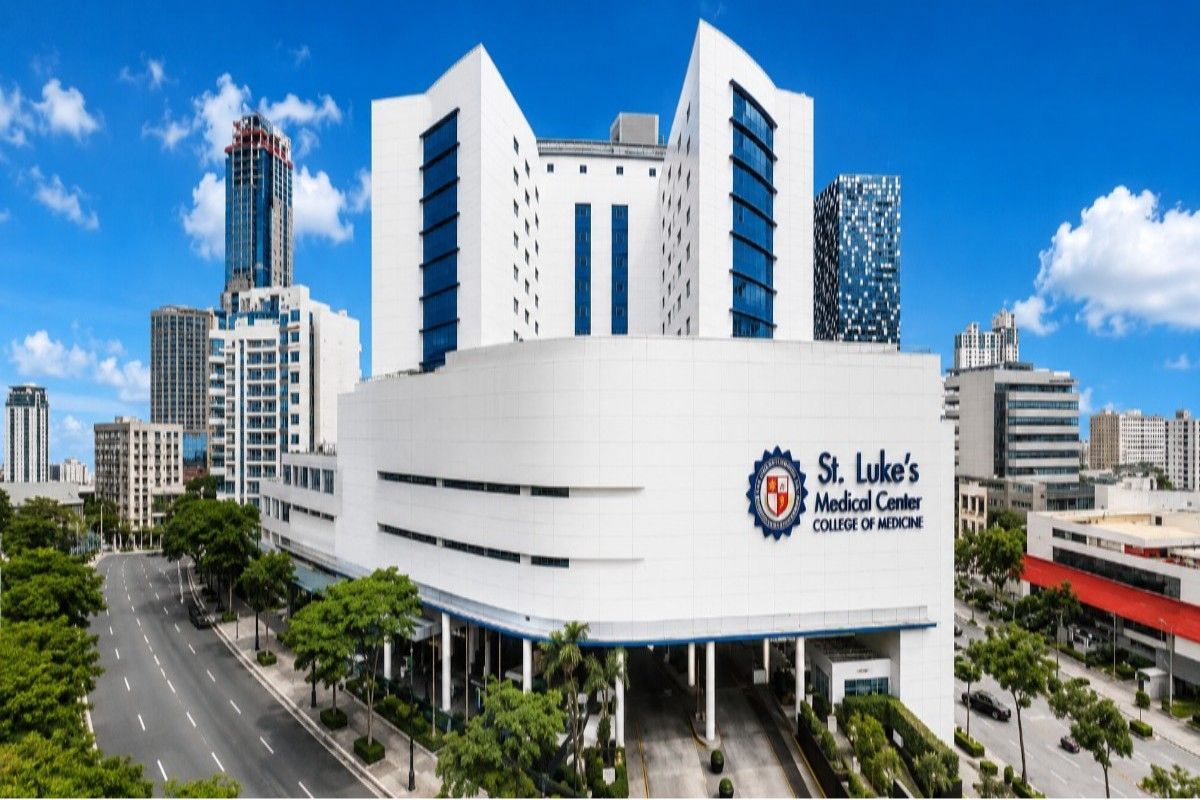
 Philippines | Est. 1972
Philippines | Confirmed on CHED's official list. Recognised by the Philippine Medical Council. Approved by WHO and listed in the IMED/FAIMER directory, supporting eligibility for international licensing exams (USMLE, PLAB, and country-specific exams). | English medium
Expert will call you within 2 hours
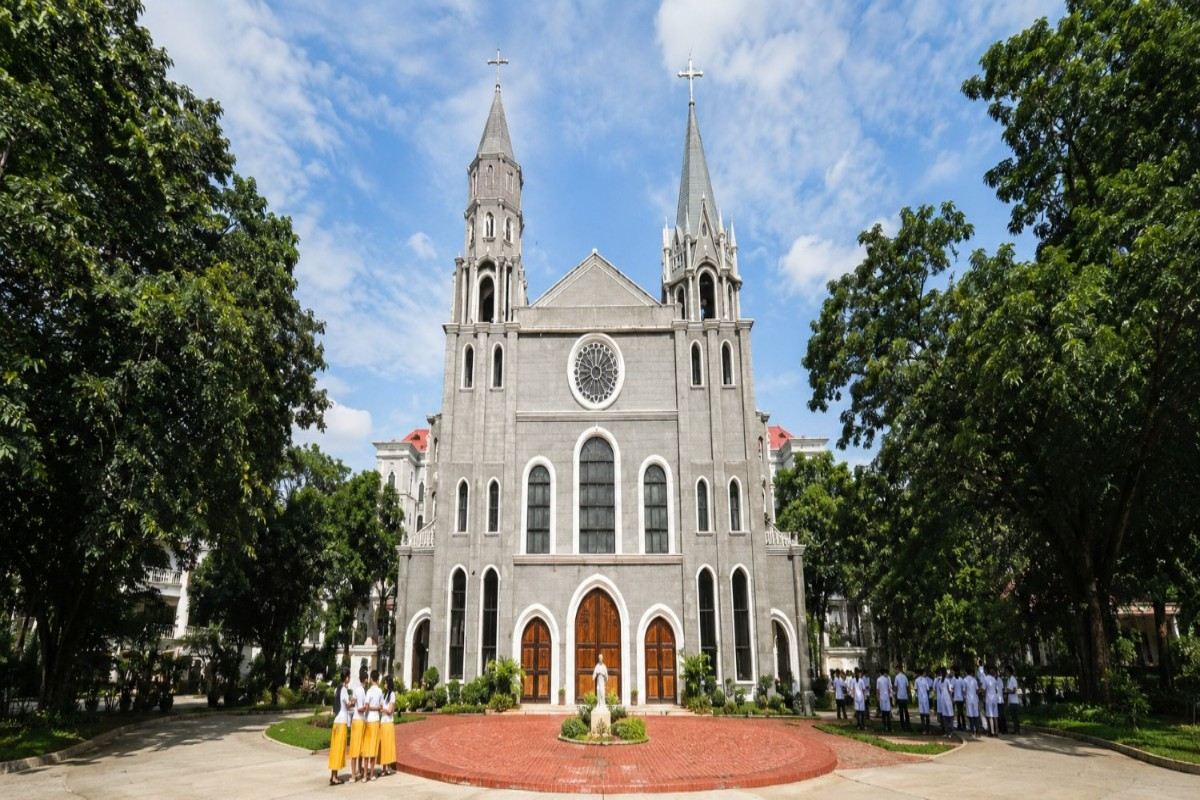
The long and interesting history of Iloilo Doctors' College is told in a lot of detail. The building used to be a school for nursing and midwifery before it was turned into a medical school. The story begins on February 13, 1972, when the Iloilo Doctors' Hospital School of Nursing and Midwifery opened. It was made as a teaching arm of the hospital and had only been open for a year. The first Nursing and Midwifery students went to school in June 1972. On February 9, 1973, after a year, the school was turned over to the Integrated Educational Corporation Iloilo, a new group that had been approved by the Securities and Exchange Commission. The reorganization made it possible for real growth to happen. New buildings, a swimming pool, and a college gym with 1,200 seats were built. It was March 1974 when the first midwifery grads were shown. The first nurses who had graduated came out in March 1975.
In stages, the government finally acknowledged them by the middle of the 1970s. The classes in nursing and midwifery were recognized by the government in June 1975. After that, the school stopped offering the General Nursing program and started offering a full Bachelor of Science in Nursing. In the same school year, the school also added a Liberal Arts School. It was made a full college because it taught more than just high school subjects, so it changed its name to Iloilo Doctors' College. The Department of Education (now CHED) and the Securities and Exchange Commission gave their OK for this to happen.
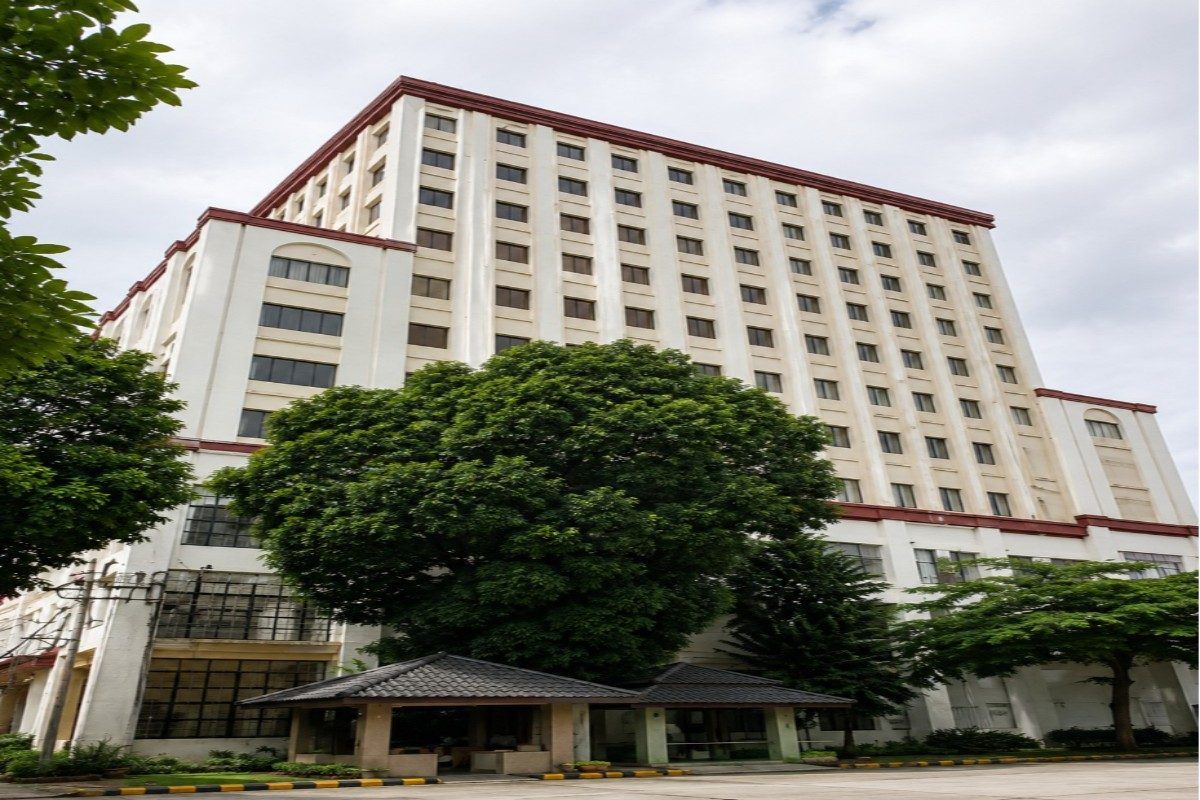
In July 1981, things really got going at medical school. Iloilo Doctors' College of Medicine opened that year with help from West Visayas State College in Iloilo City. This is a government school. The Western Visayas region really needed more doctors to help people in both cities and rural areas, and this partnership filled that need. The first few months, the new medical school was housed on the second and third floors of the college's main building. After two years, in the 1983–1984 school year, the College of Medicine got its own work pass from what is now called CHED, the Ministry of Education. In other words, it was not connected to West Visayas State College at all.
The school did really well in the classroom at first. On March 30, 1985, the College of Medicine produced its first group of doctors. All of the first group of students who took the national physician licensure board exam the next year passed. This is a great start for a brand-new medical school. On July 24, 1987, the College of Medicine became its own non-stock, non-profit educational corporation. This was another step toward its full freedom. It was now called Iloilo Doctors' College of Medicine, Inc., which was not the same as Iloilo Doctors' College, where it grew from.
It is now part of the Iloilo Doctors' University Campus, where the Iloilo Doctors' College of Medicine used to be. In Molo, Iloilo City, which is on the island of Panay in the Western Visayas, you can find it. As part of practical training, real hospital partnerships are used. Iloilo Doctors' Hospital and St. Paul's Hospital Iloilo are said to have ties to the school. This means that instead of just one hospital, students can do their clinical training at two as well.
It is true that the college has different levels. In the Philippines, the Commission on Higher Education has said that it is valid. As a separate item, it is in the IMED/FAIMER directory and has been approved by the World Health Organization. For college graduates who want to take foreign licensing tests later in their careers, this is important. The National Medical Commission of India also recognizes it, and several websites say it is also on the list of schools that the US Department of Education recognizes. At this point, these rankings aren't very good, but they put the college around 233rd in the Philippines and 22,600th in the world. It's also ranked as one of the best medical schools in Western Visayas by some area groups.
The way the program is set up is based on the typical plan used in the Philippines. Most sites say that the MD program takes four years and comes after a separate pre-medical degree that takes two to three years. In other words, it takes six to seven years to go from high school to MD. This structure is like the general graduate-entry plan used in medical school in the Philippines. The six-year programs that people can enter directly from other countries are different from this one. We've talked about these programs in other parts of this series.
The cost of attending this school is something that is not only quite simple to comprehend but also very well known. It was more difficult to obtain information regarding the cost of tuition for a few of the schools that were included on this list in the Philippines. This is a strong advantage. A reputable source claims that the expense of attending school in another country is approximately INR 6 lakh, which is equivalent to approximately USD 5,700 for the first year. From that point on, the annual cost is approximately INR 2.4 lakh, which is equivalent to between USD 3,500 and USD 4,400. When you initially begin, the fees are larger than they are after the first year, but they gradually decrease after that. It is imperative that you get ready for this, as it is not the same as a charge schedule that is flat and evenly spread throughout the year. In addition, the application fee is not particularly high. Not even 500 Philippine pesos, which is equivalent to 762 Indian rupees, is required. Because it is more expensive to process applications from individuals located outside of India, those individuals are required to pay an additional 200 pesos, which is equivalent to around 305 Indian Rupees. Applicants may also be eligible for scholarships through CHED programs such as SEGA, NISGP, PESFA, and the Private Education Student Financial Assistance program. Such scholarships are available to students who submit an application. With the help of these services the expense of attending school can be even further reduced.
Having been in operation for more than half a century, the Iloilo Doctors' College of Medicine is well-known for its extensive history. The institution has maintained a strong track record from the very beginning, and each and every one of its graduates has gone on to pass the board examination. According to the CHED, WHO, IMED/FAIMER, and India's National Medical Council, it has received accreditation. Because it is open, transparent, and comprehensive, those who are interested in attending will have a better understanding of the cost of attendance in comparison to other institutions in the Philippines that are operating in a similar manner. It is a wonderful option to consider if you are interested in studying medicine in Western Visayas and you are searching for a smaller, local institution that has real track records to look at. Iloilo Doctors' College of Medicine is a great option to explore since it is a solid alternative.
No hidden charges, no donation. The full picture of costs at MBBS in Iloilo Doctors College of Medicine.
Tuition Fee
USD 3,500-4,000/year
Tuition Fee (Year 1) 5,700 6.00 lakh Tuition Fee (Year 2 onward, per year) 3,750
Hostel Fee
USD 3,500 to USD 5,000 per year
~1,000/year ~0.84 lakh/year
Food & Meals
~1,200/year ~1.00 lakh/year
per Year
Insurance
no Insurance
/year
Donation
No Donation
No hidden fee
Total Estimated Cost
(Year 1) ~7,900 ~6.61 lakh (Year 2+) ~5,950 ~4.97 lakh
4 year
25–35%
Average FMGE first-attempt pass rates for students from many overseas medical universities. Students from structured programs consistently score higher.
Students returning to India need to clear the FMGE/NExT exam. MBBS in Iloilo Doctors College of Medicine integrates exam-oriented coaching into the regular curriculum so students are prepared from day one.
A structured program that takes you from foundational sciences to clinical mastery.
Development of medical ethics, communication, and professional behavior.
Foundations in Human Anatomy, Physiology, Biochemistry, Histology, and introductory clinical skills.
Laboratory training integrated with problem-solving and clinical correlations.
Study of Pathology, Pharmacology, Microbiology, Parasitology, Preventive Medicine, and Pathophysiology.
Clinical case discussions, ward exposure, and hospital-based learning.
Major clinical subjects including Internal Medicine, Surgery, Pediatrics, Obstetrics & Gynecology, Psychiatry, Ophthalmology, Otorhinolaryngology, Dermatology, Radiology, and Family Medicine.
Specialized clinical postings across departments with case presentations.
Full-time supervised rotations in affiliated teaching hospitals.
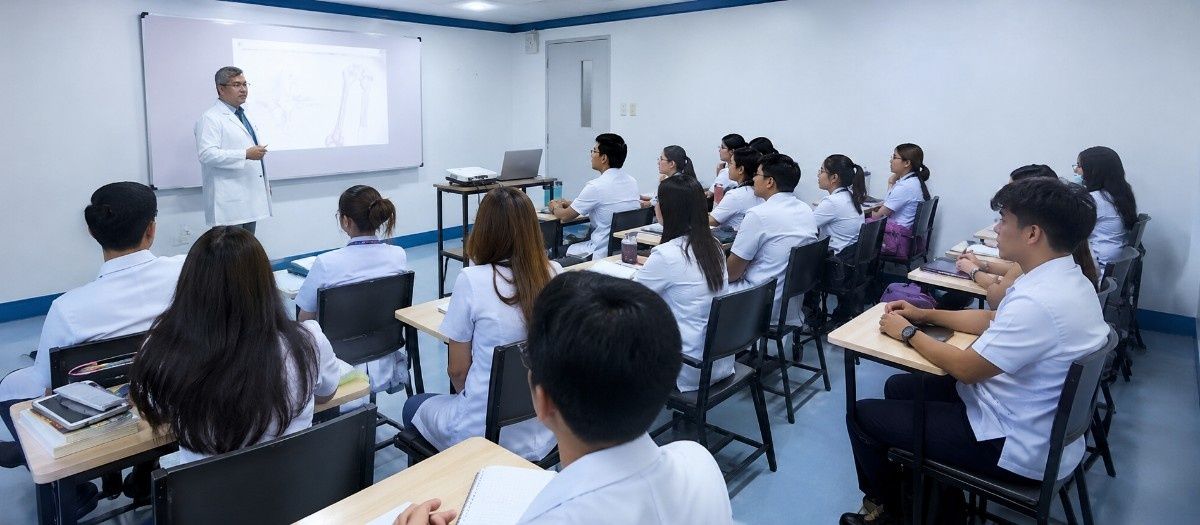
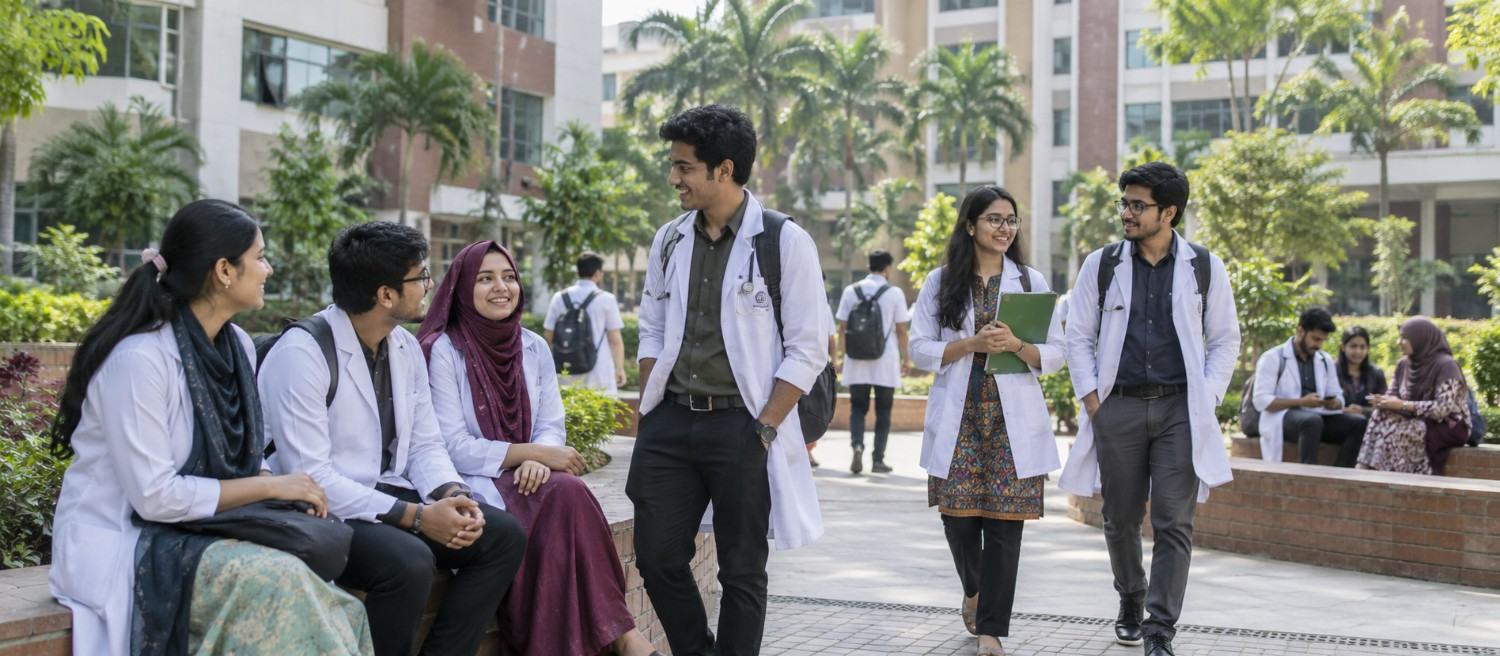
Furnished hostel rooms with Wi-Fi, laundry, 24/7 security, and Indian mess on or near campus.
Indian restaurants and mess facilities serving vegetarian and non-vegetarian home-style food daily.
Strong Indian community with cultural events, festival celebrations, and peer support groups.
Students get hands-on clinical training in government and private hospitals affiliated with the university.
Practical information for students planning to study at MBBS in Iloilo Doctors College of Medicine.
Prepare for all seasons. Thermal wear for winters, light clothing for summers. University provides heating in hostels.
Student visa processed with university invitation letter. Direct and connecting flights from major Indian cities.
Health insurance included in fees. Medical facility on campus plus city hospitals easily accessible.
Local SIM cards available. WhatsApp and video calls keep you connected with family back home.
Average monthly expenses of $150–$250 covering food, transport, and personal needs.
University library, online databases, and study groups. Seniors mentor juniors through academic challenges.
Our team guides you through every step — from application to arriving on campus.
The first step is to have a free phone counselling session. This is not a sales promotion or sales pitch. Here, we analyse all the universities mentioned side by side. We go through FMGE rates, total fees, city life, and whether the USMLE or NExT path better suits your goals. Most students walk out of this call with a clear first choice and a backup.
Once you pick a university, we will hand you a Philippines-specific document checklist. It is not a generic list. Every item on it is there for a reason, either for the university application, the 9(f) visa conversion, or the ACR I-Card registration. We check everything before a single paper goes anywhere.
Your application goes directly to the university through our partner channel. Most students get an acceptance letter within 10 to 21 days. However, December intake applications move faster than June ones, so timing matters. We follow up on all applications and will be in touch if there is any delay.
Once you receive your offer letter, we will have an in-depth discussion with you on the fees charged. The first instalment of fees will be deposited without any ambiguity. What you pay, when you pay, and what it covers, all of it is clear before any money moves.
Indian students do not need a pre-departure visa for the Philippines. You enter visa-free for 30 days. However, the 9(f) Student Visa conversion must start within the first week of arrival; it is time-sensitive. We also advise on the best flight route, whether Cebu or Manila, depending on your university.
About a week before you fly, we do a full pre-departure briefing. We cover accommodation options, campus location, Indian food sources near your university, how to transfer money from India, which SIM card to buy, and what the first week on campus actually looks like—students who attend this briefing land in the Philippines significantly less stressed than those who skip it.
On arrival day, our local team in the Philippines meets you at the airport, whether in Cebu or Manila. You are not landing in a new country alone. Someone who knows the ground is there from the first minute.
Within the first week, the 9(f) visa conversion process starts. Our team submits your documents to the Bureau of Immigration and closely tracks your application. The ACR I-Card, your official alien registration card, is processed at the same time. This step is strictly managed because delays here cause real problems later.
By the end of Week 2, your university enrollment is complete, your hostel room is confirmed, and your BS pre-medical orientation is done. You know your timetable, your faculty, and where everything is. Furthermore, our team has already flagged your NMAT preparation schedule, so there will be no surprises at the bridge stage.
After enrollment, our on-the-ground team in the Philippines stays in contact throughout all six years. If there is a university issue, a hostel problem, a visa renewal, or a health concern, there is a local contact to call. Moreover, from Year 3 onward, our FMGE and USMLE coaching track begins, because academic support does not stop at the airport.
Admission Helpline — Contact our counsellors for step-by-step assistance.
“The faculty here is incredibly supportive. The clinical training during hospital rotations has given me real confidence in patient care.”
“Affordable fees without compromising on quality. The campus facilities and hostel life made my transition abroad very smooth.”
“English medium instruction and WHO-recognized curriculum were the deciding factors for me. No regrets so far — excellent experience overall.”
“The university helped with everything from visa to accommodation. Hospital exposure from year three has been invaluable for my FMGE prep.”
“Just cleared my licensing exam on the first attempt. The structured coaching and mock exams during final year were a game-changer.”
“Safe campus, good food options, and a strong Indian student community. The teaching methodology is very practical and hands-on.”
Yes, fully English-medium.
A valid NEET score is required for Indian applicants; standard CHED-mandated admission requirements apply generally.
Yes, in all the sources we checked, it is mandatory for all applicants.
Approx. INR 6 lakh in Year 1, dropping to approx. It’s a front-loaded fee structure and one that’s worth planning for. It is INR 2.4 lakh per annum from Year 2 onwards.
Yes, approved by WHO, listed in IMED/FAIMER, recognised by India's NMC, and reportedly listed with the US Department of Education.
At two affiliated hospitals: Iloilo Doctors' Hospital and St. Paul's Hospital Iloilo.
Genuinely strong, its very first graduating class in 1985 achieved a 100% pass rate in the national physician licensure board exam the following year.
Yes, including CHED-administered programs such as PESFA, NISGP, and SEGA, for eligible students.
About 6-7 years in total. 2-3 years of pre-medical degree and 4 years of MD.
Students interested in Western Visayas in particular, and looking for a smaller, well-documented regional medical school with a transparent and clear tuition structure and solid academic history.
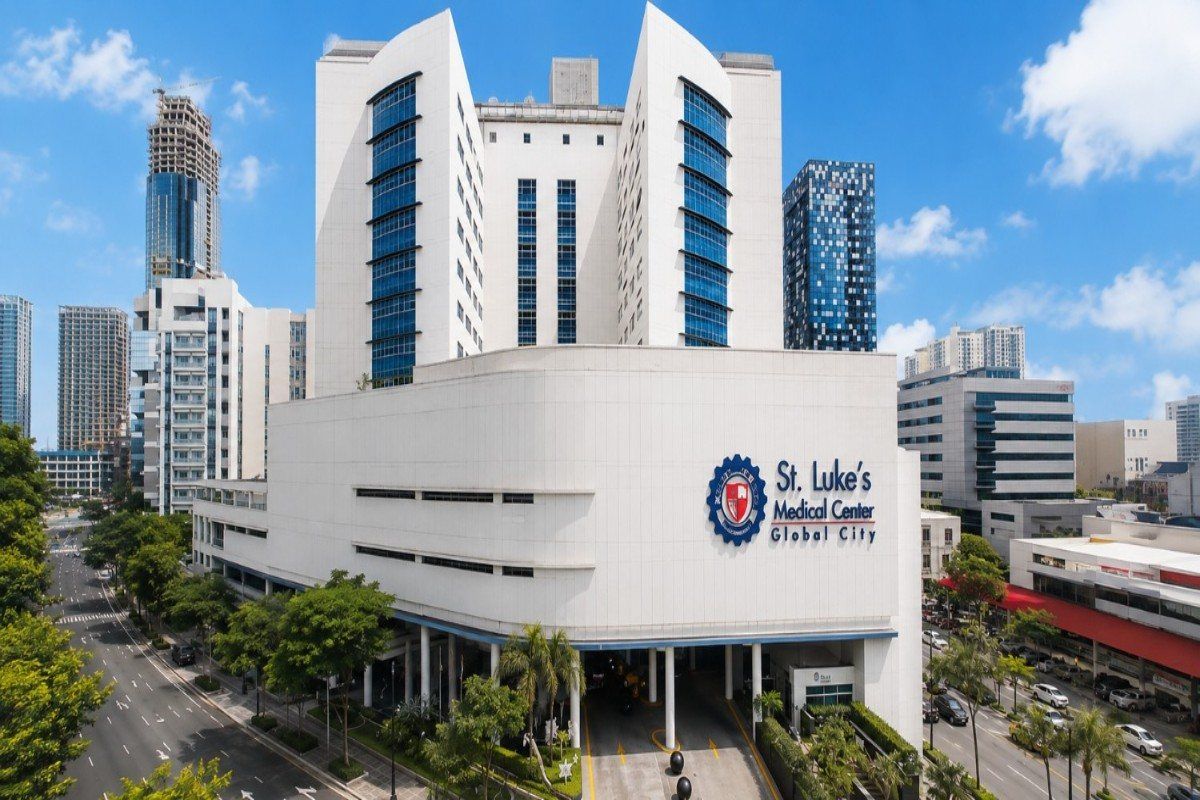
Our expert counsellors will guide you through the complete admission process — from documents to airport pickup.