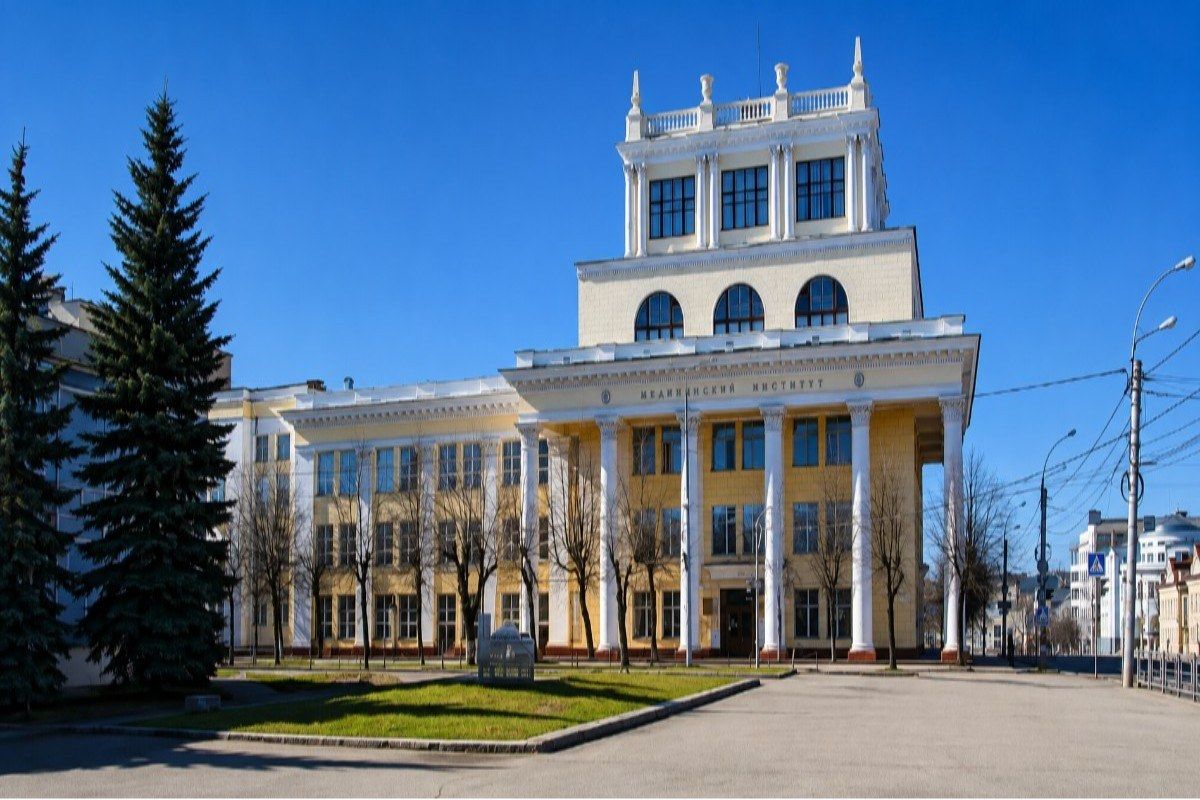
If you are looking at Russia for MBBS, Khanty-Mansiysk State Medical Academy is one name that keeps coming up; and for good reason. It is not a newly opened institution chasing students. The roots go back to 1994, when a District Medical College was set up in Khanty-Mansiysk by regional government order. Five years later, in 1999, the same setup was upgraded into a full State Medical Institute, and over time it became the academy it is today. Government-run, properly funded, and not going anywhere.
The city itself is Khanty-Mansiysk; capital of the Khanty-Mansi Autonomous Okrug, which most people know as Yugra. It is in western Siberia. Not a tiny village, but not a megacity either. A mid-sized administrative city with decent infrastructure, cold winters (you will need to prepare for that), and a calm environment that most students say helps them actually focus on studying.
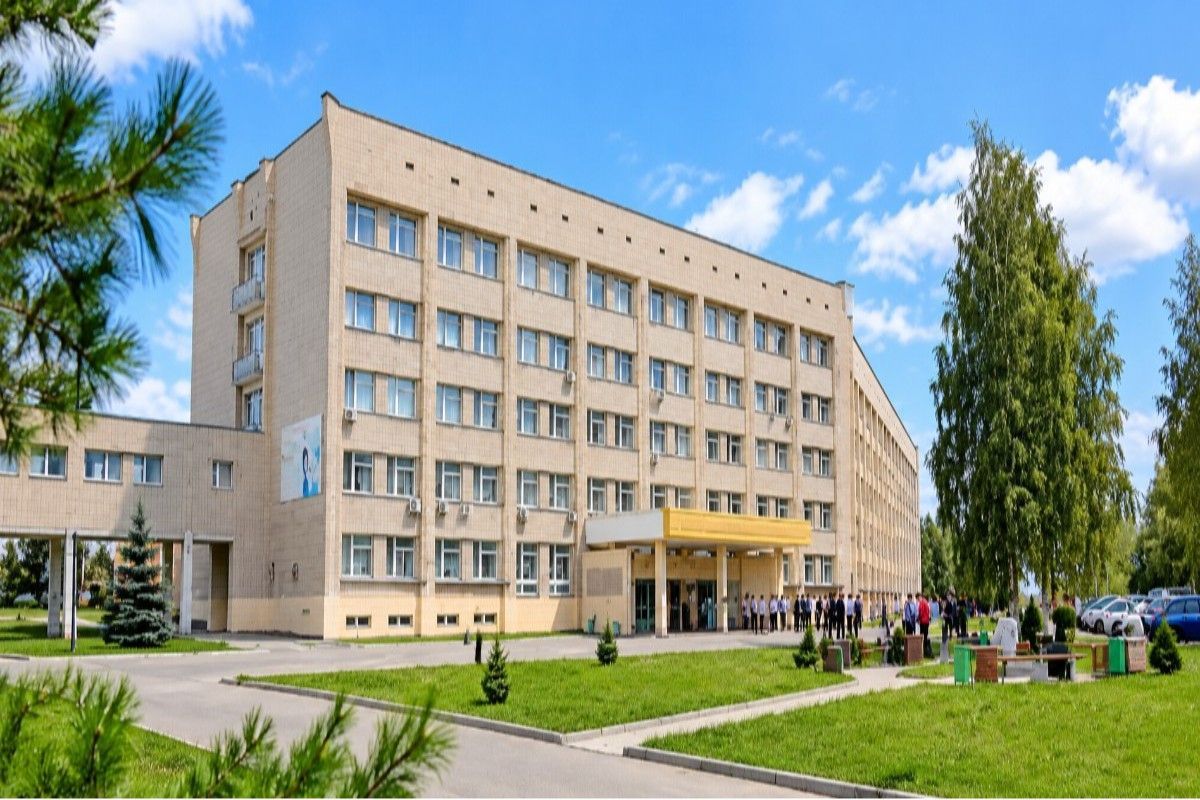
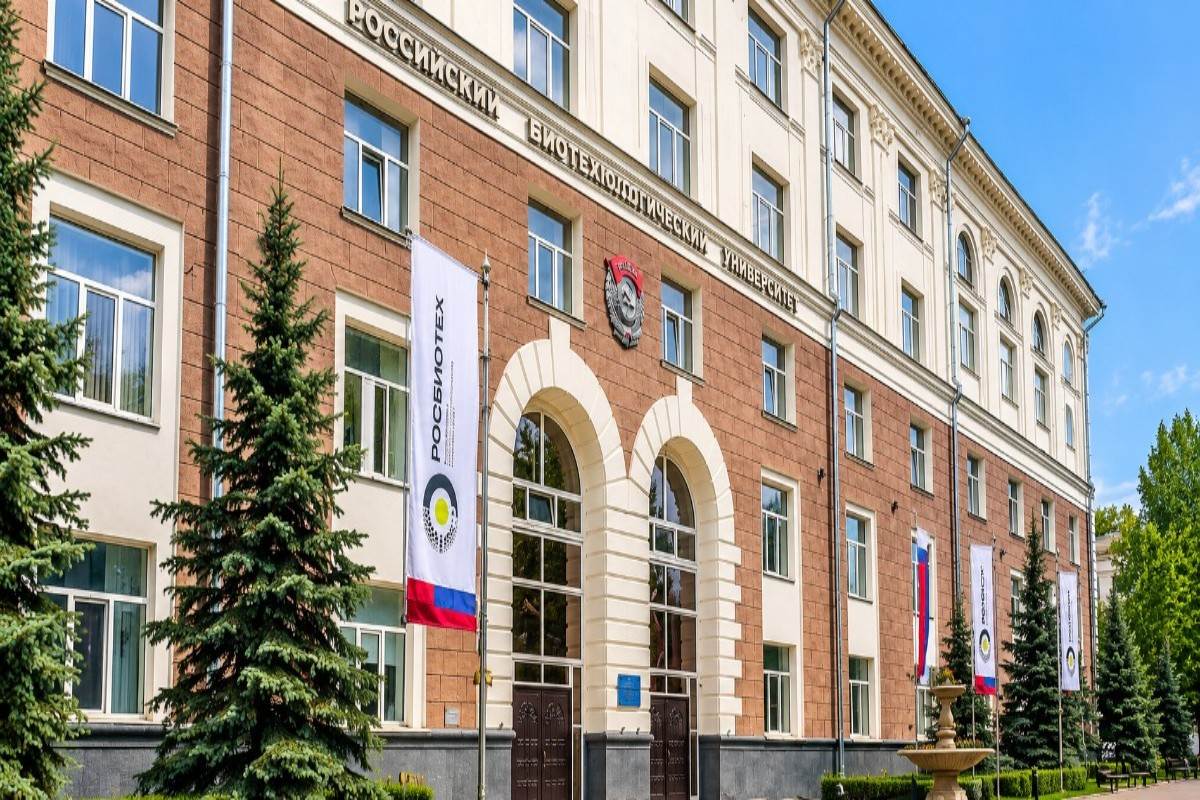
The campus address is Ulitsa Mira, 40. Physically, the setup is solid; 15-plus lecture halls, 56 practical and lab rooms, a library with over 40,000 books, departmental museums, sports facilities, reading rooms. For international students, one thing worth mentioning: the cafeteria serves Indian food. That is not a small detail when you are 6,000 km from home.
Because this is a public institution, the fee structure does not change dramatically year to year. Private universities can surprise you with increases; that is less of a concern here. Academics are supported by experienced faculty, and clinical training happens through real affiliated hospitals in the region, not simulated setups. Students rotate through surgery, internal medicine, obstetrics, pediatrics, emergency; proper rotations, supervised by practising doctors.
For Indian students specifically: KMSMA is NMC-approved. That means your degree counts back home, and you can sit for FMGE or NExT after returning. The academy provides extensive English-medium academic support materials to ease the transition for international cohorts. Concurrently, rigorous, integrated Russian language classes are embedded into the early years to ensure you are fully prepared to communicate comfortably with local patients during your real-world hospital rotations.