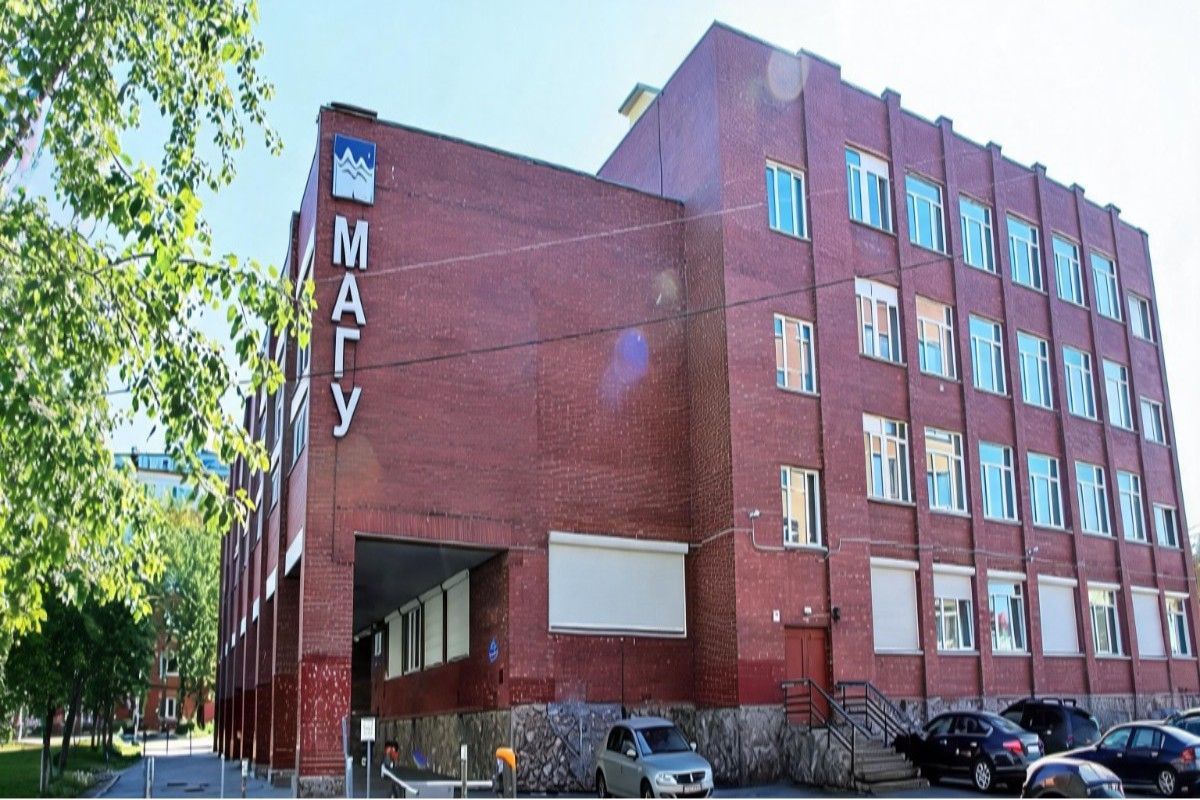
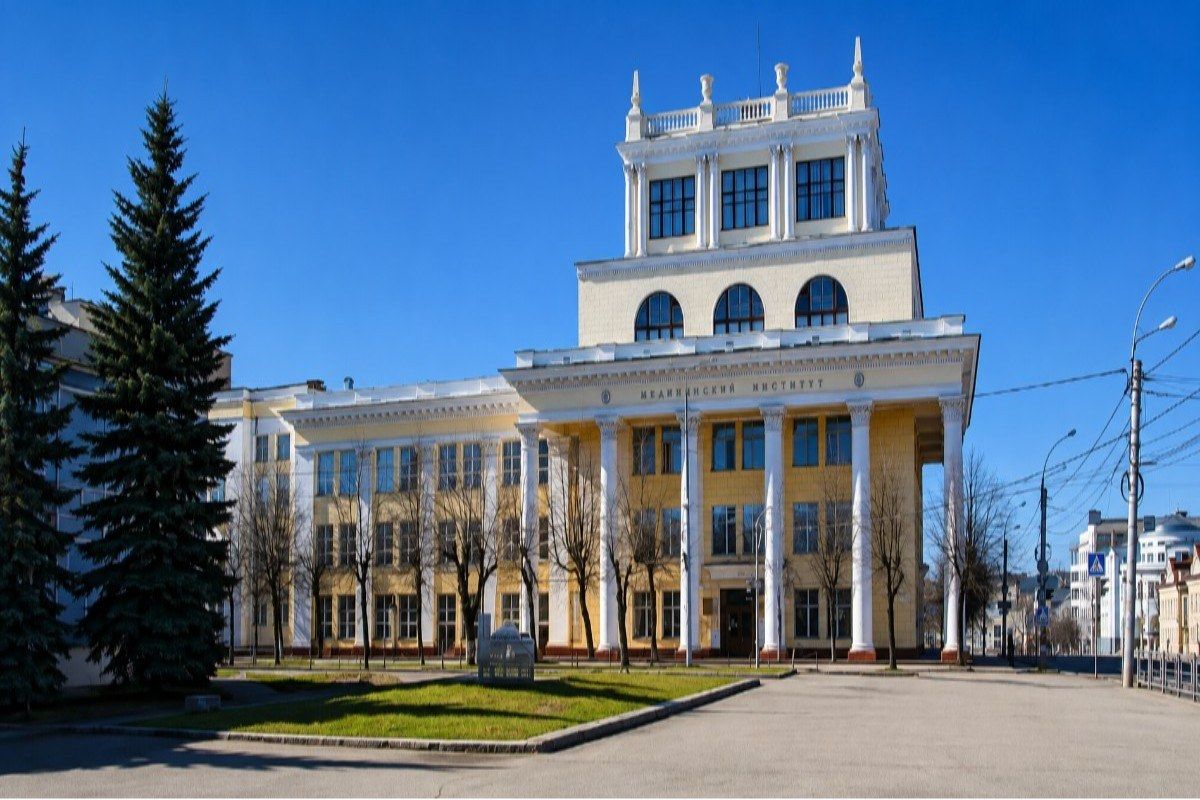
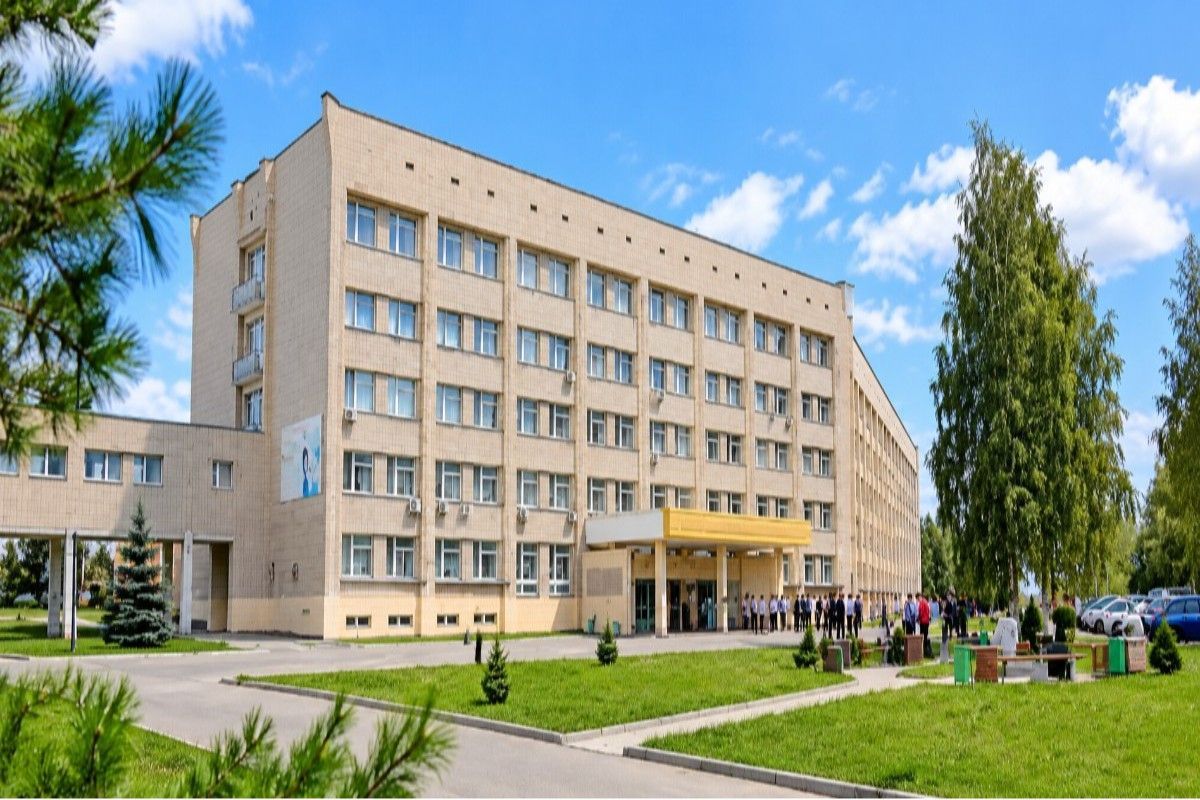
Murmansk Arctic State University holds a genuinely one-of-a-kind place among medical universities in Russia. As the educational backbone of the world's largest city north of the Arctic Circle, MASU combines a deep-rooted academic heritage with the practical demands of Arctic medicine, two things no other university can offer together. The institution traces its origins to 1939, making it the oldest university in Russia's Arctic region. In 2023, it merged with Murmansk State Technical University (founded 1950) to form a larger, stronger institution with expanded infrastructure and a broader academic reach. For Indian students considering MBBS in Russia, this merger means better facilities, more affiliated hospitals, and a more resourceful university ecosystem.
Murmansk itself is unlike any other city in Russia where Indian students pursue medicine. Sitting on the Kola Bay, 125 miles north of the Arctic Circle, it is the world's largest city above the Arctic Circle, with a population of around 264,000 people. The city's port remains ice-free year round, thanks to the warm North Atlantic Current, which also means Murmansk is far more accessible than its geographical location would suggest. The city was founded in 1915 as a wartime supply port, earned the honorary title of Hero City for its resistance during World War II (where it endured over 180,000 bombs yet was never captured), and today serves as Russia's northern gateway to the Arctic Ocean and Barents Sea. For a medical student, studying in a place with these clinical and geographic conditions adds real exposure to cold-weather medicine, Arctic health challenges, and a patient population that reflects some of the most demanding healthcare environments on the planet.
The MBBS programme at MASU is fully recognized by the NMC India, WHO, and WDOMS, meaning graduates are eligible to appear for the FMGE/NExT exam and practise medicine in India. The degree is taught in English for international students, with Russian language running in parallel for clinical communication in hospital settings. The six-year programme follows the standard Russian curriculum structure, with pre-clinical sciences in the first three years and hands-on clinical rotations from year four onward.
The university provides separate, well-secured hostels for male and female students, with all standard amenities including Wi-Fi, 24/7 security, study areas, and laundry access. Living costs in Murmansk are moderate and very manageable for most Indian families. The Indian student community in Murmansk is active and well-organized, with seniors helping juniors settle into the city, navigate Arctic winters, and stay connected to home.
Murmansk is also one of the few places in the world where students regularly witness the Northern Lights (Aurora Borealis), experience the Polar Night in winter, and the Midnight Sun in summer. These are not small things for someone spending six years of their life in a city. The environment is dramatic, unlike anything in India, and for students who are ready for an adventure alongside their degree, Murmansk delivers that in full measure.