
1. Is this program taught in English?
+Yes, fully English-medium, with basic Russian taught alongside to support later clinical communication
 Russia | Est. 1970
Russia | Under Russia's Ministry of Education and Science. Consistently described across multiple independent sources as recognised by the WHO, India's NMC, ECFMG (USA), and FAIMER, with the curriculum described as aligned to NMC's NExT exam guidelines | English with basic Russian language training provided to support later clinical communication medium
Expert will call you within 2 hours
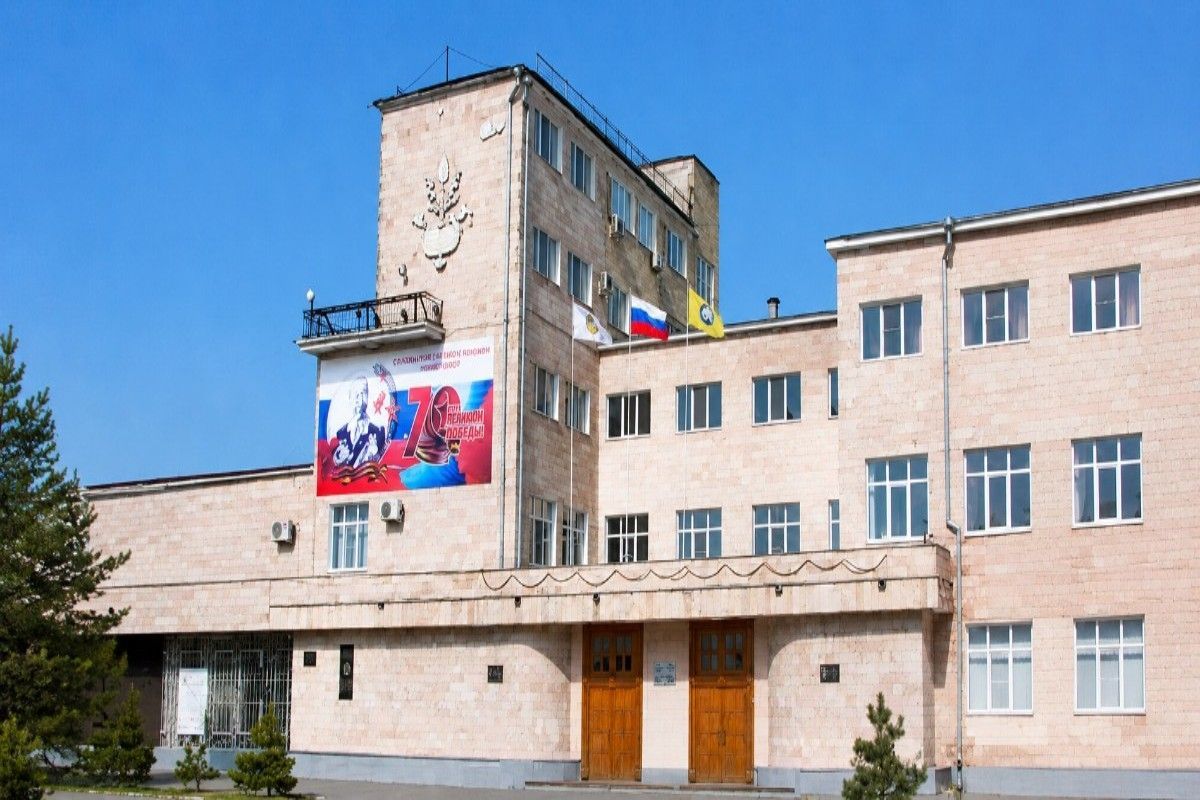
Kalmyk State University, often written as KalmSU, is in Elista, which is the capital of the Republic of Kalmykia. The Republic of Kalmykia is a very interesting part of Russia that you should learn about before learning about the university itself. Kalmykia is the only place in Europe where most of the people are Buddhist. This makes Elista's culture very different from that of almost every other Russian city we've looked at in this series. There is a real mix of Russian and Kalmyk traditions that affects students' daily lives and isn't just a fact.
The university has been open since 1970, which means it has been running nonstop for more than 55 years. This number is directly referenced in some of the documents the university has made. That organization is run by the government and is controlled by Russia's Ministry of Education and Science. For a well-known Kalmyk politician and soldier, the fact that it is named after B.B. Gorodovikov is highly appropriate. In contrast to other universities, KalmSU is not just a medical college. It is a truly comprehensive and multidisciplinary institution. It has faculties that study the Kalmyk language and Asian cultures, as well as agricultural sciences, economics and finance, engineering and computer science, history and philosophy, law and business administration, and the Kalmyk language. This way, medical students can be a part of the whole university group and campus culture instead of just going to a specialized institute with one goal.
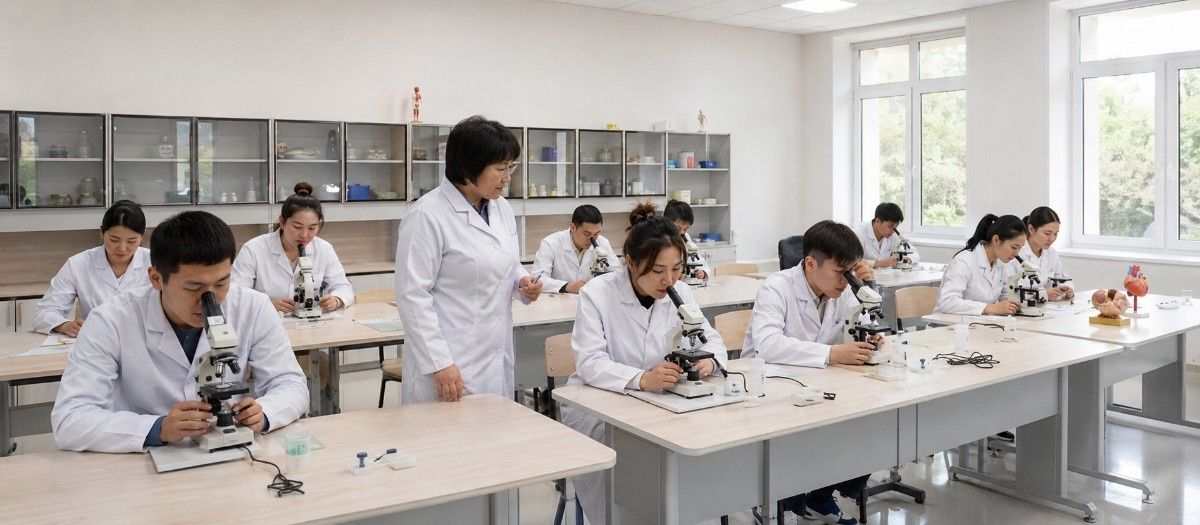
MBBS stands for Bachelor of Medicine and Bachelor of Surgery. The study lasts for six years and is taught only in English for international students. In some other countries that are talked about in this part, the language barrier makes it hard for people to enroll. This gets rid of that problem. Students are taught the basics of the Russian language in addition to their basic classes. This is especially done to make sure they can talk to real patients when they start their clinical work. This is an option for design that is really useful, not just something that is needed for school. After the third or fourth year, students start their clinical training, which takes place at hospitals with a variety of fields. In the sixth year, there is a full-fledged clinical internship. Several sources describe the facilities as having modern classrooms, labs, a library, and areas set aside for research. They also have newer features, like state-of-the-art training centers, where students can practice their skills before they work directly with real patients.
There is one very important thing that makes KalmSU different from most of the other Russian medical schools we've talked about in this series. At least one source says it's the only university in Russia that offers structured clinical training in India during the summer when students are not in school. This is a real claim that needs to be brought up because it shows a level of ongoing, planned coordination with Indian clinical training opportunities that goes beyond what most similar schools say. This information was found in only one of the sources that were looked at for this profile. Because of this, people who might be interested in applying should check this information directly with the school if it applies to them.
There is no doubt that this picture of recognition is consistent across a large number of separate sources. The World Health Organization, the National Medical Commission of India, the ECFMG in the US, and FAIMER are a few of these groups. There is also a general explanation of approval from "medical councils in other countries of the world." It is said that the curriculum is specifically designed to meet the needs of NMC, which helps students prepare straight for India's NExT license exam. The program helps students prepare straight for the test, so they don't have to think of studying for the test as a separate worry. This kind of claim, which is made in the same way on a lot of different consulting and admissions pages, carries a lot of weight. However, as with any other claim of this nature that has been looked at in this series, the safer way to be sure is to check each body's main listing directly.
It follows the same pattern that all Russian medical universities use to decide who gets into this series. There isn't an extra test that you have to take to get into college on top of the basic national standard. Applicants must be at least 17 years old at the time of admission and have a valid NEET score at the required percentile level. They must also have completed their 10+2 education with Physics, Chemistry, Biology, and English. Also, applicants must have at least 50% marks in PCB courses if they are in the general category and 40% if they are in a reserved category. Applications are mostly processed in September and October, but anyone can send in an application from May to September.
The sources given here give a really helpful and specific amount that needs to be talked about right away. Several pages say that the full six-year MBBS package, which includes both education and housing, costs about INR 15 to 17 lakh, which is about USD 18,000 to 20,000 for the whole program. This kind of bundled, all-in number is a little different from the price breakdowns given for some of the other schools in this series. The average cost per year is really reasonable when you look at it over six years, and it is in the lower to middle range of prices for Russian schools that we have already talked about in this series.
Living in Elista gives you a real, useful value that goes beyond the facts you learn in school. The cost of living in this city is much lower than in many other Russian cities. This is a big financial benefit that is added to the already low tuition cost. This is something you should keep in mind when planning your trip: the weather is continental, so summers are warm and winters are cool. People think that hostel amenities are modern, fairly priced, and safe around the clock. Cultural groups and student clubs, such as Indian student associations, are also available. These give newcomers a real support system instead of leaving them to handle the transition process on their own. Also, the fact that Indian food is available is mentioned in the same way in all sources. More than 500 foreign students have now registered, according to at least one source, making this a useful feature for the growing community of Indian students.
For Indian applicants, the same national rule applies here as it does at all the other schools in this series: they must still have a valid NEET score, and graduates must pass India's NExT exam, which replaced the older FMGE exam, before they can work as lawyers in their home country. This is the case no matter what KalmSU says about its reputation or claims of recognition.
To put it another way, Kalmyk State University is extremely different from other places in the predominantly Buddhist Kalmyk area of Russia. This is clear from the institution's past, which goes back more than 55 years, the claims of recognition from many different sources, and the cost structure, which is truly affordable and clearly bundled over six years. It would be even more different from most Russian schools that offer the same thing if its claim that it offers clinical training in India during the summer breaks were proven to be true. Among the Russian schools we've talked about so far, KalmSU is the best choice for a student who wants to be in a culturally diverse environment, get in easily thru English language skills without having to take an entrance exam, and pay as little as possible for the whole program.
No hidden charges, no donation. The full picture of costs at MBBS in Kalmyk State University named after B.B. Gorodovikov.
Tuition Fee
(~USD 18,000 to 20,000) USD 3,000 to 3,300/year
USD 2,600 INR 2.17 lakh
Hostel Fee
USD 550 INR 0.46 lakh
USD 550 INR 0.46 lakh
Food & Meals
USD 1,000 INR 0.84 lakh
per month
Insurance
USD 250 INR 0.21 lakh
per year
Donation
No donation
No hidden fee
Total Estimated Cost
USD ~18,000 to 20,000 INR ~15 to 17 lakh
6-year
25–35%
Average FMGE first-attempt pass rates for students from many overseas medical universities. Students from structured programs consistently score higher.
Students returning to India need to clear the FMGE/NExT exam. MBBS in Kalmyk State University named after B.B. Gorodovikov integrates exam-oriented coaching into the regular curriculum so students are prepared from day one.
A structured program that takes you from foundational sciences to clinical mastery.
language training
alongside basic Russian
affiliated hospitals
in multi-speciality
Described by at least one source as the only Russian university offering structured Indian clinical training during student vacation periods; confirm directly with the university.
Distinctive Feature
Furnished hostel rooms with Wi-Fi, laundry, 24/7 security, and Indian mess on or near campus.
Indian restaurants and mess facilities serving vegetarian and non-vegetarian home-style food daily.
Strong Indian community with cultural events, festival celebrations, and peer support groups.
Students get hands-on clinical training in government and private hospitals affiliated with the university.
Practical information for students planning to study at MBBS in Kalmyk State University named after B.B. Gorodovikov.
Prepare for all seasons. Thermal wear for winters, light clothing for summers. University provides heating in hostels.
Student visa processed with university invitation letter. Direct and connecting flights from major Indian cities.
Health insurance included in fees. Medical facility on campus plus city hospitals easily accessible.
Local SIM cards available. WhatsApp and video calls keep you connected with family back home.
Average monthly expenses of $150–$250 covering food, transport, and personal needs.
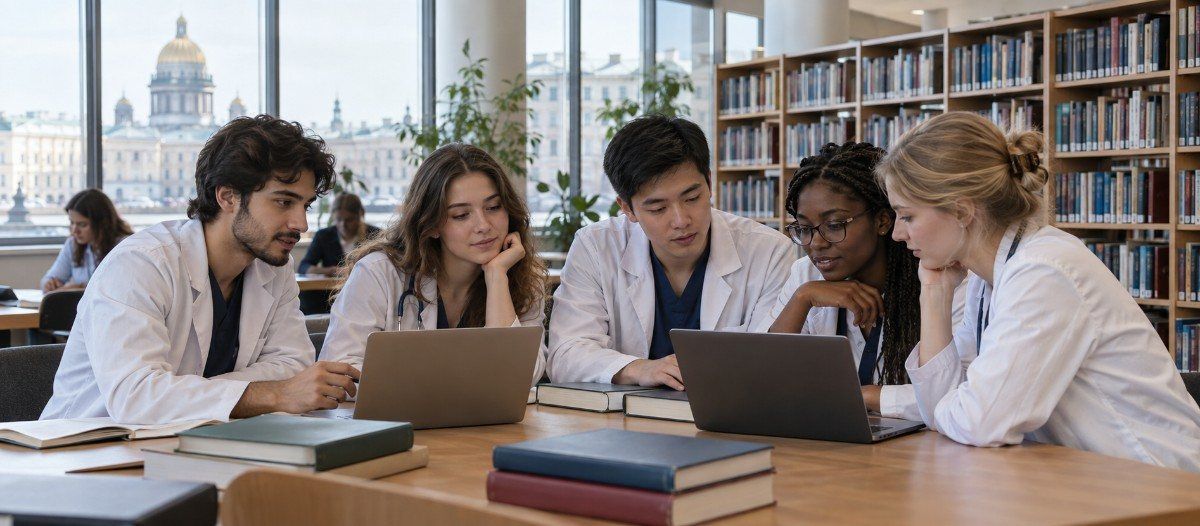
University library, online databases, and study groups. Seniors mentor juniors through academic challenges.
Our team guides you through every step — from application to arriving on campus.
Shortlist 3–5 NMC-approved universities on fees, city, FMGE reputation, and hostel quality.
Submit the application with academic documents and NEET scorecard.
Receive the Admission/Offer Letter from the university.
Pay the initial tuition instalment via the official channel.
Receive the Invitation Letter, issued by Russia's Ministry of Foreign Affairs — your visa depends on this.
Apply for the Student Visa via Embassy/VFS; realistic processing time is 2–4 weeks.
Arrange winter clothing, travel/health insurance, and a 5–8% currency buffer for ruble fluctuation in the final weeks before travel.
Travel, typically late August to early September.
Complete enrollment, a medical check-up, and hostel allotment on arrival.
Attend orientation; classes begin in the first/second week of September.
Admission Helpline — Contact our counsellors for step-by-step assistance.
“The faculty here is incredibly supportive. The clinical training during hospital rotations has given me real confidence in patient care.”
“Affordable fees without compromising on quality. The campus facilities and hostel life made my transition abroad very smooth.”
“English medium instruction and WHO-recognized curriculum were the deciding factors for me. No regrets so far — excellent experience overall.”
“The university helped with everything from visa to accommodation. Hospital exposure from year three has been invaluable for my FMGE prep.”
“Just cleared my licensing exam on the first attempt. The structured coaching and mock exams during final year were a game-changer.”
“Safe campus, good food options, and a strong Indian student community. The teaching methodology is very practical and hands-on.”
Yes, fully English-medium, with basic Russian taught alongside to support later clinical communication
No separate university entrance exam is required; admission runs on academic document review, alongside standard NEET qualification for Indian applicants
Yes, at the required percentile threshold per National Medical Commission rules
The full 6-year package, tuition and hostel combined, is cited at approx. USD 18,000 to 20,000 (~INR 15 to 17 lakh) across multiple sources.
Yes, per multiple consistent sources: WHO, NMC, ECFMG, and FAIMER
It sits in Kalmykia, Europe's only Buddhist-majority region, giving students a genuinely different cultural setting from most other Russian cities covered in this series.
At least one source describes KalmSU as the only Russian university offering structured Indian clinical training during student vacations; confirm this directly with the university if it matters to your plans.
At least one source cites more than 500 foreign students currently enrolled.
Described across sources as peaceful, affordable, and welcoming to international students, with dedicated Indian student associations and a continental climate of hot summers and cold winters.
Students drawn to a genuinely distinctive cultural setting, straightforward English-medium admission with no entrance exam, and a clearly bundled, affordable total program cost.
Our expert counsellors will guide you through the complete admission process — from documents to airport pickup.