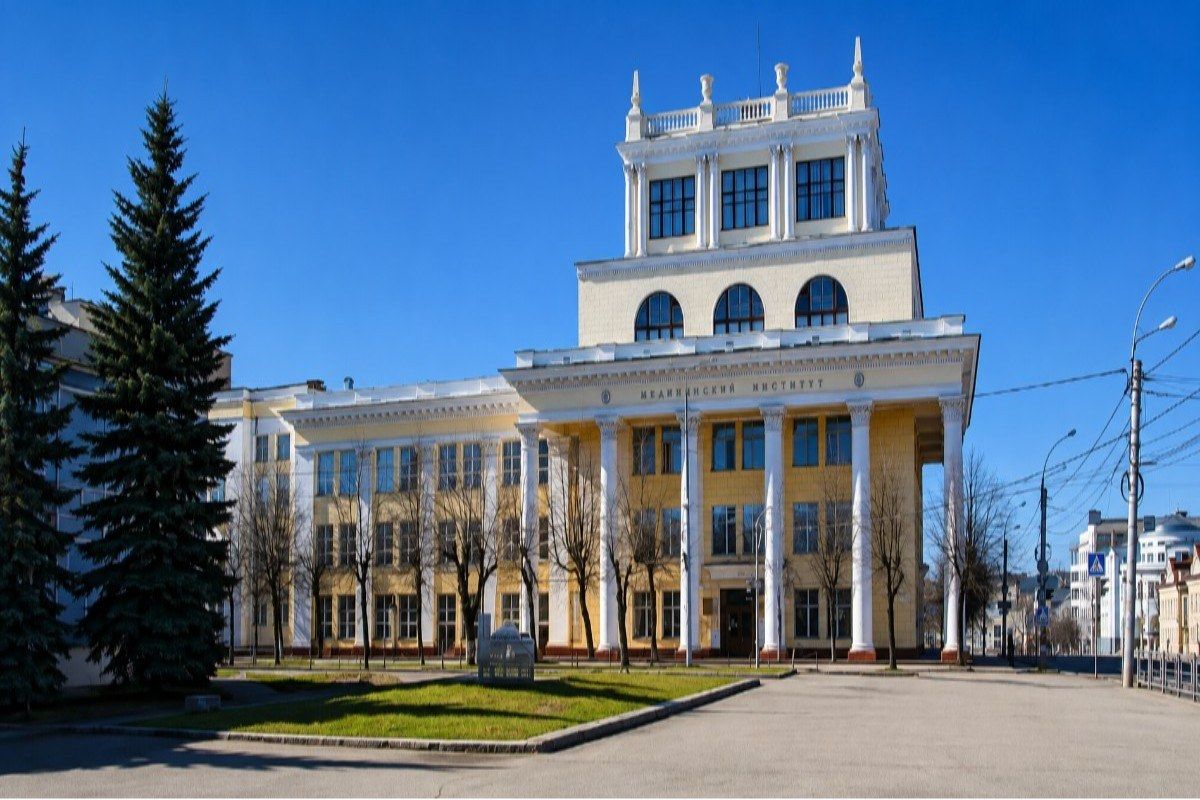
Rostov State Medical University is one of the oldest and most historically significant medical institutions in the south of Russia. Its origins can be traced to 1915, when the Division of Medicine at the Russian Warsaw University was relocated to Rostov-on-Don. That relocation was itself forced by the upheaval of World War I, which meant that from its very first years, the institution was shaped by national crisis and the imperative to train medical professionals under pressure. It initially functioned as a medical faculty within Donskoi University before becoming an independent medical institute in 1930. In 1994, when it was the largest basic training, research, and treatment centre in southern Russia, it was elevated to university status, becoming the Rostov State Medical University (RostSMU) it is known as today.
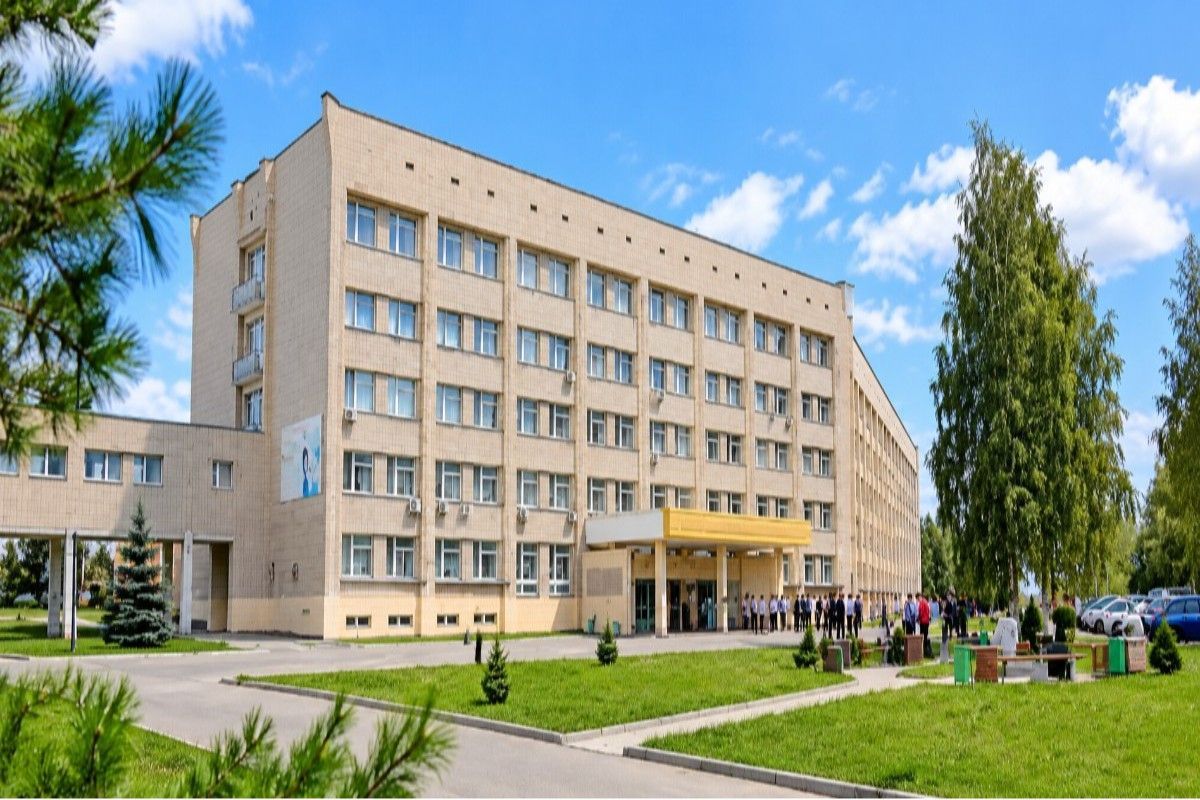
Over more than a century of continuous operation, RostSMU has trained more than 22,000 doctors who now serve across Russia and internationally. The university today has 91 departments and employs over 800 teaching staff, including more than 130 Doctors of Medical Science and 476 PhD holders. The academic structure spans 6 faculties: General Medicine, Dentistry, Pediatrics, Pharmacy, Postgraduate and Continuous Education, and a Preparatory Faculty for international students who need to build their language and science foundation before entering the main programme. In addition to the faculties, the university runs a Medical College and a Military Training Center. There are also 31 academicians who are corresponding members of the Russian Academy of Medical Sciences. The clinical base includes the university's own hospital with 860 beds, 20 specialised departments, 18 medical-diagnostic units, and 17 clinical departments. Beyond the university hospital, more than 150 research and educational institutions function in connection with RostSMU, and 27 departments are based directly in the best hospitals across Rostov-on-Don.
The MBBS programme at RostSMU is taught in English for international students and is recognised by NMC India, WHO, WDOMS, ECFMG, and GMC UK. The GMC recognition means graduates are eligible for the PLAB pathway in the United Kingdom. ECFMG certification opens USMLE eligibility in the United States. RostSMU is a member of AMSE (Association of Medical Schools in Europe), which underlines its standing within the European medical education community. The university also has active international research partnerships with the United Kingdom, the United States, Germany, Bulgaria, Armenia, Moldova, and other European nations, including participation in international scientific conferences and congresses.
Annual tuition at RostSMU is approximately USD 3,800 to 4,500 per year, making it one of the more affordable NMC-approved medical universities in southern Russia with this breadth of international recognition. The hostel provides five campus dormitories that can accommodate more than 2,000 students. Rooms are configured for two or three students, each with a private bathroom and toilet. A shared kitchen is available on each floor, along with a recreation room for socialising and unwinding. Hostel costs range from USD 250 to 560 per year. Indian food is available in the university mess, and sports facilities within the hostel complex include hockey, cricket, and chess, reflecting the institution's awareness of its international student population.
Rostov-on-Don is Russia's tenth largest city and the capital of the Rostov Oblast, sitting at the confluence of the Don and Temernik rivers, approximately 80 kilometres from the Sea of Azov. Known as the Gateway to the Caucasus, the city has a population of over 1 million and a distinctly southern Russian character, warmer in climate and livelier in street culture than most of the country. It was one of the host cities for the 2018 FIFA World Cup, which brought a major stadium, improved transport infrastructure, and international attention to the city. The climate is temperate continental, significantly milder than Siberian or northern Russian cities, with warm summers and relatively short, moderate winters. This makes it one of the most climatically accessible Russian cities for Indian students adjusting to life abroad.
Rostov-on-Don has a well-developed transport network including an international airport, metro system, and rail connections to Moscow and other major cities. The city has a vibrant cultural life with theatres, museums, restaurants, and a university student community spread across multiple institutions. The Don River Embankment is one of the most popular public spaces in southern Russia. Indian students in Rostov benefit from an active peer community, cultural events, and the presence of Indian food options both in the hostel and in the city. Monthly living expenses typically range from USD 120 to 200, which is moderate for a city of this size and cultural richness. For a student who wants southern Russia's best-established dedicated medical university, in a warm, well-connected city with genuine clinical depth, RostSMU is a consistently strong and well-regarded choice.
The university's Central Scientific Research Laboratory conducts studies on microbiology, genetics, and other medical research domains. The university engages in active scientific cooperation with foreign partners and regularly sends faculty and students to international conferences. The Department of Medical Law, one of the most recently established departments at RostSMU, reflects the university's commitment to evolving medical education beyond the purely clinical and into the legal and ethical dimensions of modern healthcare.