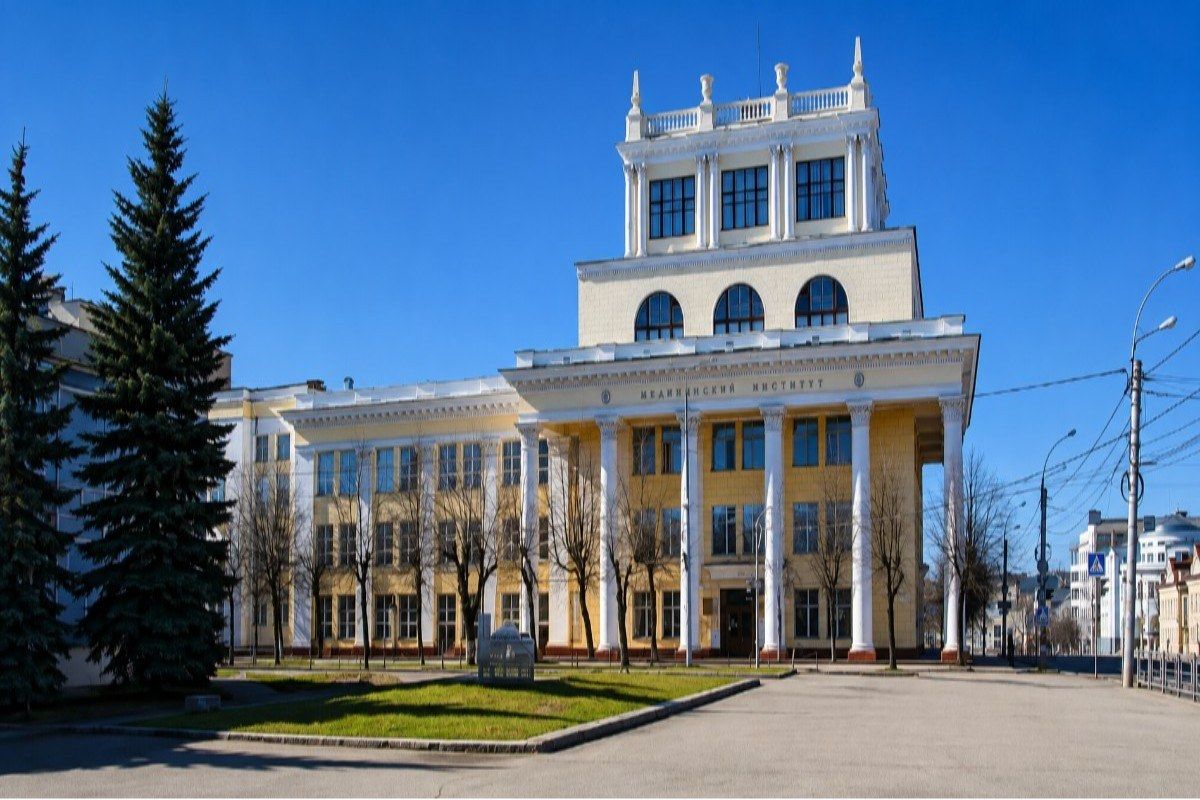
The Saint Petersburg State Pediatric Medical University is one of a kind in the world of medical education. A lot of people just say SPbSPMU. As of now, it is the oldest college or university for kids in the world. This isn't just sales talk. This claim is made over and over again by different, independent sources, such as academic and university ranking systems. The story starts in January 1925. The Institute of Maternity and Infant Protection was its name when it first opened that year. It changed its name to the Leningrad Pediatric Medical Institute over time. It went by that name for many years before settling on its current name.
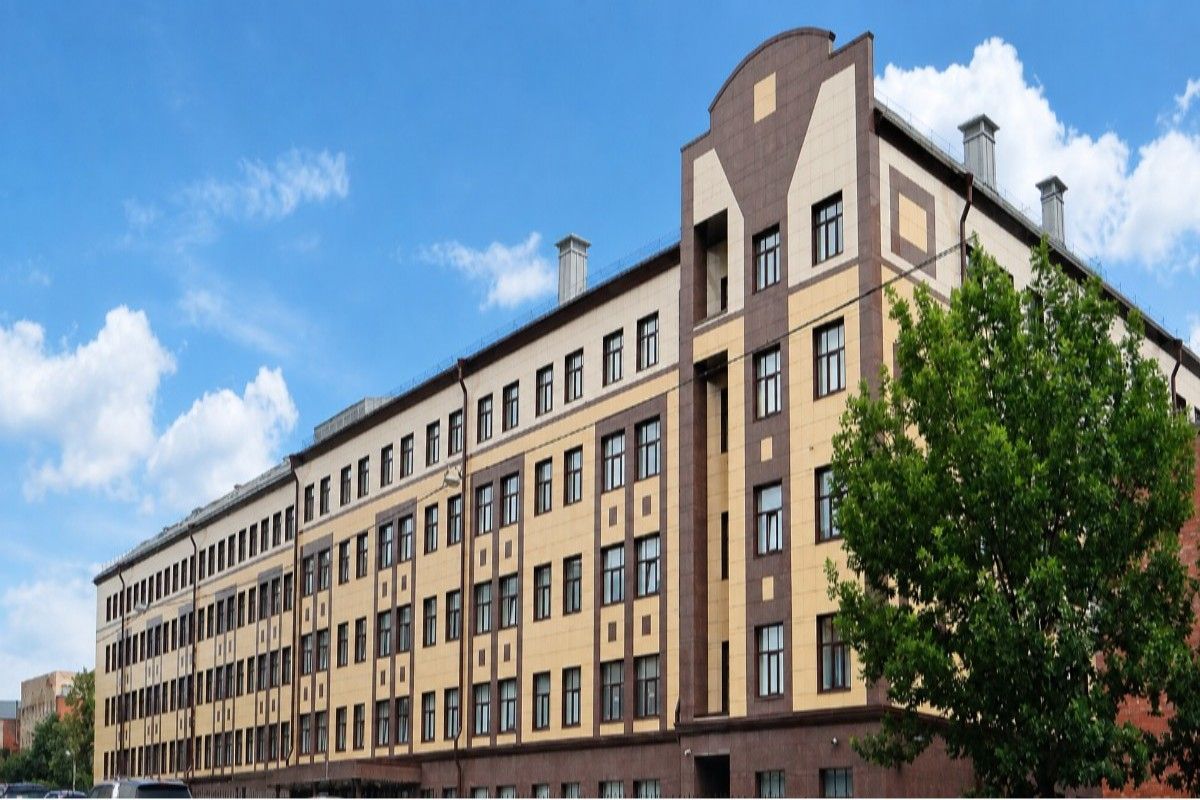
But the university has roots that go back even further than 1925. Its main building is next to the City's Children Hospital. It was built in 1905. The plan's goal was easy: to stop the spread of diseases among kids. There were 650 beds in the hospital. It had a lot of doctors, paramedics, and nurses working for it before it became a university. The hospital was not taken care of during the Russian Civil War. And then it took a lot of kids who lost their parents. That was really a tough time. In the end, it forced the Soviet government to build and fund the site properly. When that help became official in 1925, it was the real start of what would become one of Russia's best medical schools.
About 5,000 students are now enrolled at SPbSPMU. It has 50 buildings with more than 60 academic departments. Every year, more than 15,000 surgeries are done at its own centre. It has helped almost 100,000 children in Russia get better over the years. It also does study that is very important. According to Russia’s Science Citation Index, the university is ranked second among all medical schools operated by the Russian Ministry of Health, and 12th among all scientific groups in the country. That’s a really good result for a school that was built to focus on pediatric care and teaching, not on medicine in general.
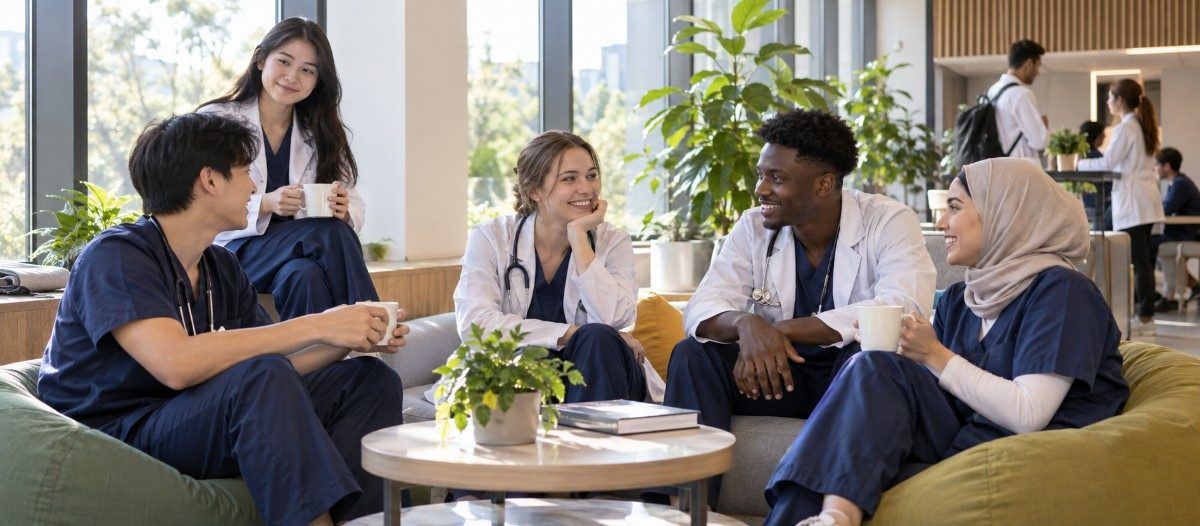
International influence is strong and has been around for a long time. In the past fifty years, SPbSPMU has graduated many thousands of students from over 70 countries on four continents. There are students at the university from more than 50 different countries right now. This isn't a new feature that was added just to get foreign fees. It shows decades of real, steady work with students from outside of Russia. That is important to know if you're comparing how long a university's foreign support systems have been around versus how new they are.
The university has four different ways to get a degree. A Doctor of Medicine (MD) degree can be earned with a specialization in pediatrics. You can also get a normal general Doctor of Medicine (MD). A Doctor of Dental Medicine is the same thing. Options for higher school finish off the list. All of these schools follow Russia's standard structure for medical school, which is a total of six years. Each one has a state license and accreditation that only covers teaching English as a second language. That means the university has official permission from the government to teach medicine to students from other countries in English. There's no shady deal going on here.
When it comes to recognition, SPbSPMU has real institutional support. The university won a Golden Medal in the European Quality competition in June 2005. It was backed by the Russian Government, the State Duma, the Federation Council, and the Russian Rector’s Union. That made SPbSPMU one of the top 100 universities in Russia. Its rector at the time was also named Best Rector of the Year for 2004. The university has also been recognized by the Ministry of Health of the Russian Federation, the World Health Organization, and India's National Medical Commission. These three credentials are the most vital for international students. This is especially relevant for Indian students who want to obtain a license in their home country after college.
All Russian medical universities recognized by the NMC have the same admission criteria. The students must have passed their 10+2 education with a strong foundation in English, Physics, Chemistry, Biology and Chemistry. Usually, students in the general category need to have at least 50%. This goes down to 40% for students from SC, ST and OBC groups. Indian applicants still need to have valid NEET scores. The score was 164 points for the general category and 129 points for the reserved categories in 2024. These numbers change every year, so always check the cutoff for the current run. Also, applicants must be at least 17 years old by December 31 of the year they want to enter. Other normal health documents needed for a Russian student visa are a medical fitness certificate and a test result showing that you do not have HIV.
Cost is actually a lot higher than some quick online estimates make it seem, and it's better to be exact than to keep giving a rough number. The total cost of the 6-year MBBS course is RUB 3,689,200 (approx. INR 40.58 lakh or USD 48,600 at the prevailing exchange rate), as per a professional education source. The total amount includes tuition, accommodation, medical insurance, food and visa extension for the whole program. According to the official channels of the university, first year tuition alone is approximately 4.76 lakh INR. The hostel fees for the program are around INR 4.03 lakhs and it includes fully furnished rooms with heating, shared kitchens, laundry facilities and free internet access in a building located at the center of the campus near the main building. Various external sources that monitor this university mention that the average monthly living expenses, including food, transportation and personal expenses are approximately INR 15,000 to 20,000.
The city of Saint Petersburg itself is helpful outside of school. Cities like this are very important to Russian culture. They are often called the “Venice of the North,” and they were the country’s imperial capital for hundreds of years. It gives foreign students a really rich city experience along with the practical benefits of a big, well-established city, such as dependable infrastructure, a large international community, and easy connections to other places. The city has a lot of schools and hospitals so students can get a lot of clinical experience that they would not get in a smaller, quieter city. This is especially true in pediatric medicine. There are also a lot of places to get Indian food near campus, and the dorms have shared kitchens for students that prefer to cook their own food.
To summarize, SPbSPMU has something no other Russian medical school has that sets it apart from the others vying for international students. It provides the institution with a defined and clear, 100-year focus on pediatric medicine, as well as the kind of study credibility and government recognition that only comes with years of work. With a manageable cost structure and a clear, NMC-recognized pathway back to Indian practice, this program is perfect for students interested in pediatrics as a career or who simply want the security of studying at the world’s oldest pediatric medical institution.