
Q1. Is the course taught in English?
+The international track uses English for theory subjects. Russian is compulsory from the first semester and is needed for ward work later.
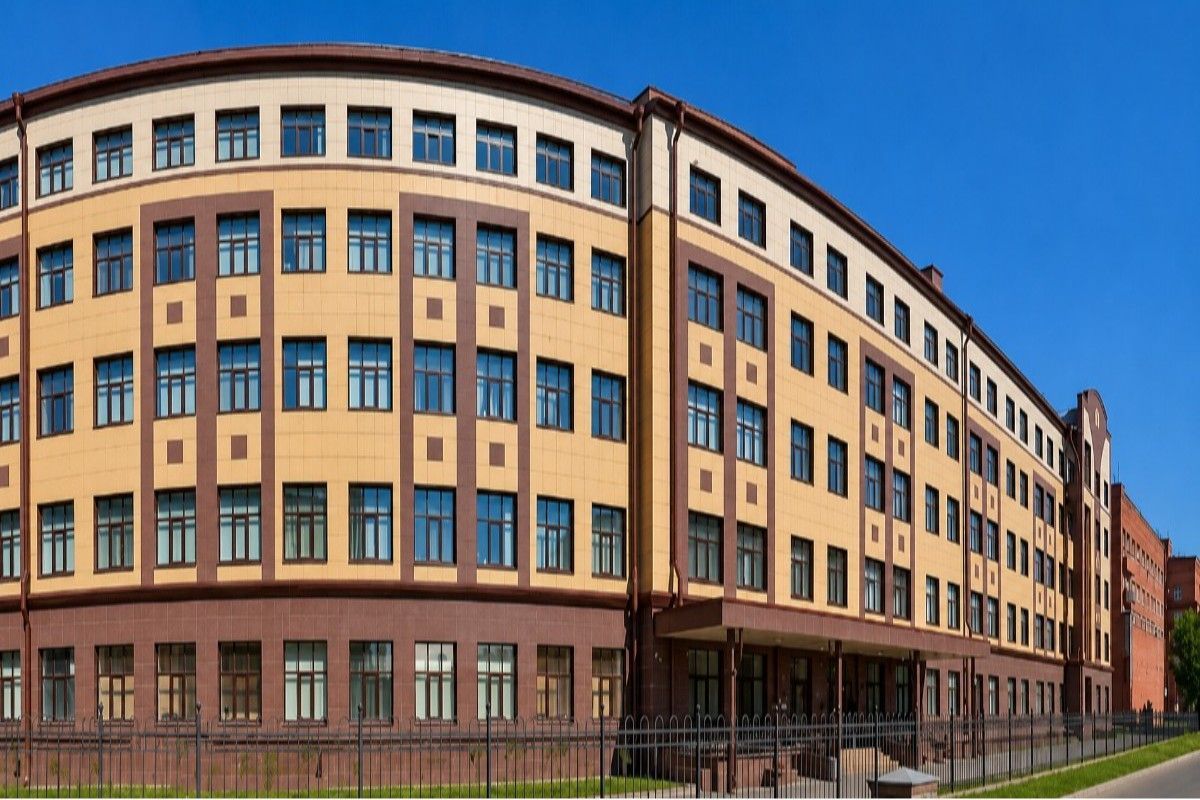
 Russia | Est. 1897
Russia | State accreditation from Rosobrnadzor, the Federal Service for Supervision in Education and Science. Operates under the Ministry of Health of the Russian Federation. Listed in the World Directory of Medical Schools. | English medium track with compulsory Russian language study medium
Expert will call you within 2 hours
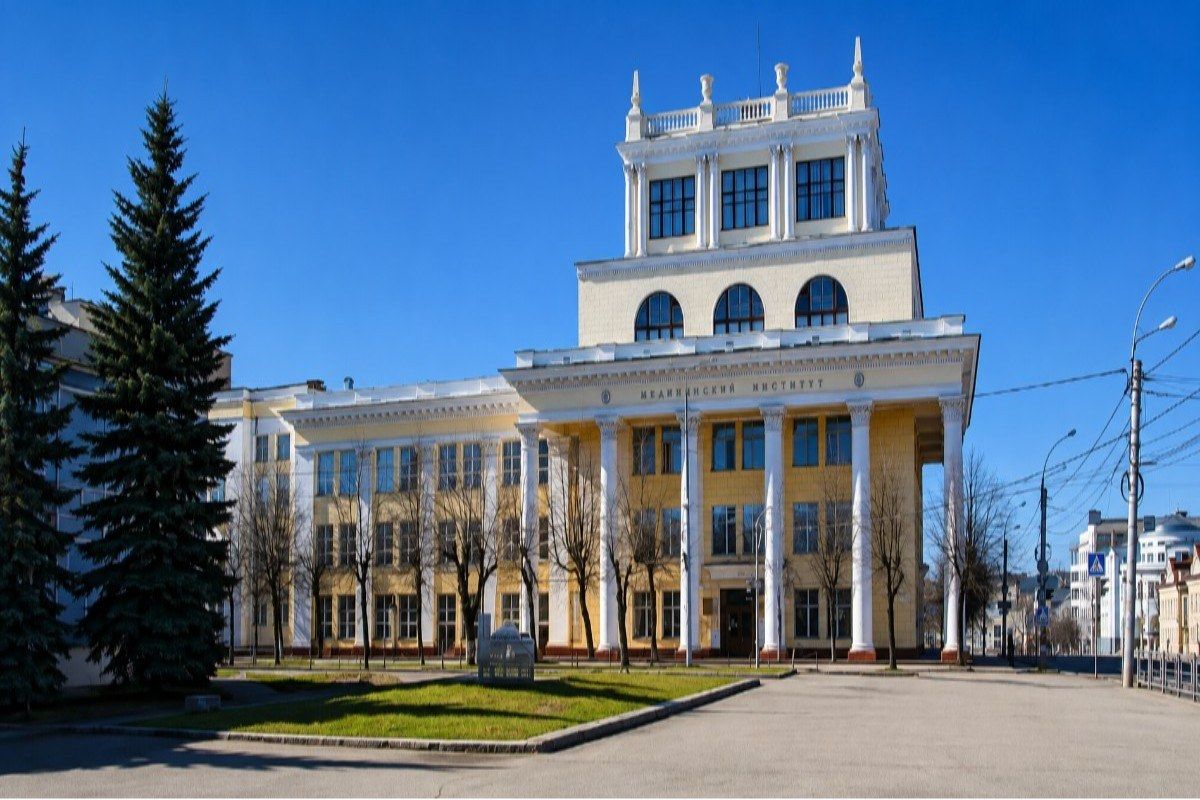
First Saint Petersburg State Medical University named after I.P. Pavlov is one of the oldest medical schools in Russia. Most people simply call it Pavlov University. It stands in the historic centre of Saint Petersburg on Lva Tolstogo Street. The nearest metro station, Petrogradskaya, is a short walk away. The school opened in 1897 as the Women's Medical Institute. It was the first place in Russia where women could train as doctors. Staff still speak about that history with pride, and the campus museum keeps the early records. The name honours Ivan Petrovich Pavlov. He won the Nobel Prize in 1904 and spent most of his career in this city.
Students who come here for General Medicine join a six-year course. Russian medical education uses a single long degree rather than a separate pre-medical stage. Graduates receive the title of Physician, which is called Vrach in Russian. Most then enter residency, known as ordinatura. Others go home and sit the licensing exam set by their own medical council. Indian graduates, for example, must clear the screening test of the National Medical Commission before they can register and practise.
The academic year runs from September to June. It is split into two semesters, and each one ends with a session of exams and credit tests. Attendance is taken seriously here. Missed lab classes usually have to be made up before a student can sit the end of term exam. This rule applies to local and foreign students alike. The first two years are heavy. Anatomy, histology and biochemistry are taught in depth, and they are tested orally as well as in writing. Oral exams are normal in Russia. Many new students say this is the biggest adjustment in year one.
Clinical training is a real strength. Pavlov University runs its own hospital complex on campus rather than a distant partner site. The Research Clinical Complex holds inpatient wards, operating theatres, intensive care and outpatient clinics. Patients come from across the north west of Russia. There are separate institutes for oncology, haematology and transplant medicine, as well as cardiology and nephrology. Bone marrow transplants have been done here for decades. The Raisa Gorbacheva Memorial Institute is part of the university and is one of the busiest transplant centres in the country. For students, this means ward rounds are a few minutes from the lecture hall.
The teaching hospitals also give senior students a wide case mix. Saint Petersburg has about five million residents. Smaller regional hospitals refer their complex cases here. Students in years four to six rotate through internal medicine, general surgery, obstetrics and gynaecology, paediatrics, infectious diseases, neurology and psychiatry. Each rotation is supervised by staff of the relevant clinic. Blocks end with a practical test at the bedside or in the simulation centre. That centre covers basic and advanced life support, obstetric emergencies, keyhole surgery skills and patient communication.
Language is a practical point that deserves a straight answer. Teaching for foreign students begins with a strong English component in the theory subjects. Russian is compulsory from the first semester, and its role grows as students move onto the wards. Patients speak Russian, so history taking in the later years needs real language skill. Students who treat Russian as an optional extra tend to struggle. Those who work at it steadily usually reach a comfortable conversational level by the third year.
Research runs through the life of the university. Staff publish in cardiology, transplant immunology, endocrinology, infectious disease and neurophysiology. Undergraduates can join a student science society, present at internal conferences and take part in lab projects during the holidays. The university also hosts international scientific meetings on campus. The library offers electronic databases as well as a large printed collection. Reading rooms stay open late during exam sessions, which students appreciate.
Campus facilities include lecture theatres, teaching labs, an anatomy museum, a dental clinic, sports halls and a swimming pool. Hostel rooms are provided in university buildings near the main campus and in other districts. Rooms are usually shared. Each floor has a common kitchen and laundry. Standards differ from block to block. It is worth asking which hostel you will be given and looking at recent photographs before you travel. Many senior students later move into rented flats and share the rent with classmates.
Life in Saint Petersburg is part of the appeal. The city is the cultural capital of Russia. The Hermitage, the Mariinsky Theatre and dozens of museums are all within reach. Public transport is cheap and reliable, and a student travel card lowers the cost further. Winters are long, dark and cold. Temperatures often drop below minus ten degrees Celsius, so warm clothing is a real need rather than a nice extra. Summer brings the white nights, when the sky barely goes dark for several weeks.
Costs are fair by international standards. Tuition for General Medicine is usually about 8,000 to 9,500 US dollars a year for foreign students. The exact figure depends on the intake and the track. Housing, food, transport and personal spending add roughly 3,000 to 4,000 dollars a year for a careful student. Saint Petersburg costs more than smaller Russian cities. It still costs far less than most capitals in Western Europe. Fees are set every year by the university. Always confirm them with the admission office before you pay anything.
Admission for foreign students is handled by the admission commission. The university checks school certificates in physics, chemistry and biology. It also checks the minimum age and asks for a medical fitness certificate with an HIV test. Indian students must hold a qualifying NEET score. That rule comes from the National Medical Commission, not from the university. Once the invitation letter is issued, the student applies for a study visa at the Russian mission at home. Police registration must be done in the first week after arrival. It is repeated each year, and the foreign office helps with the paperwork.
The university appears in the World Directory of Medical Schools. ECFMG and several national medical councils use that listing. It is a state university under the Ministry of Health of the Russian Federation and holds national approval for its courses. Graduates who plan to work abroad should read the current rules of the medical council in that country. Rules change, and each authority sets its own conditions. Doing that check in year one, rather than year six, saves a lot of trouble later.
In short, Pavlov University suits a student who wants an old and respected school, hospital training on campus and life in a major European city. The course is demanding. The winters are hard. Russian language study cannot be skipped. In return, students get depth in the basic sciences, exposure to serious clinical medicine and a degree with a strong name in the region. Speak to current students, get the fee list in writing and plan the language work from day one.
No hidden charges, no donation. The full picture of costs at MBBS in Saint Petersburg State Medical University.
Tuition Fee
USD 8,170 / ₹7.80 lakh per year
USD 8,000-9,500 / 7,04,000-8,36,000 Lakh Per Year
Hostel Fee
USD 900-1,500 / 79,200-1,32,000 Lakh Per Year
USD 900-1,500 / 79,200-1,32,000 Lakh Per Year
Food & Meals
USD 1,500-2,000 / 1,32,000-1,76,000 Lakh
Per Year
Insurance
USD 150-250 / 13,200-22,000 Lakh
Per Year
Donation
No Donation
No Hidden Fee
Total Estimated Cost
USD 49,000 / ₹47 Lakh
6 Year
25–35%
Average FMGE first-attempt pass rates for students from many overseas medical universities. Students from structured programs consistently score higher.
Students returning to India need to clear the FMGE/NExT exam. MBBS in Saint Petersburg State Medical University integrates exam-oriented coaching into the regular curriculum so students are prepared from day one.
A structured program that takes you from foundational sciences to clinical mastery.
The first year builds the language of medicine. Anatomy fills most of the timetable, with dissection room work and oral checks on each region. Russian classes run through both semesters and count as a core subject.
Human anatomy, medical biology, general chemistry, biophysics, Latin, history of medicine, Russian language, basic nursing care.
Students move from structure to function. Lab work grows. The first supervised nursing practice takes place in the university clinic during the summer block.
Histology, biochemistry, normal physiology, microbiology, topographic anatomy, medical psychology, general patient care.
This is the bridge year. Students learn how disease develops. They also start taking histories and doing basic examinations on the wards under supervision.
Pathological anatomy, pathophysiology, pharmacology, propaedeutics of internal medicine, general surgery, radiology, hygiene.
Clinical subjects take over the week. Teaching shifts to bedside rounds, case presentations and seminars inside the university hospital complex.
Internal medicine, faculty surgery, obstetrics and gynaecology, paediatrics, infectious diseases, dermatology, ENT, ophthalmology.
Cases get harder and more specialised. Students spend time in oncology, haematology and transplant units, which are among the strongest parts of the hospital.
Hospital therapy, hospital surgery, neurology, psychiatry, oncology, urology, traumatology, anaesthesia and intensive care, clinical pharmacology.
The last year is mostly practice. Students work as junior members of a clinical team, take night duties, and then sit the state final exam for the physician title.
Subordinature in internal medicine, surgery or obstetrics and gynaecology, emergency medicine, public health and health management, final state exam preparation.
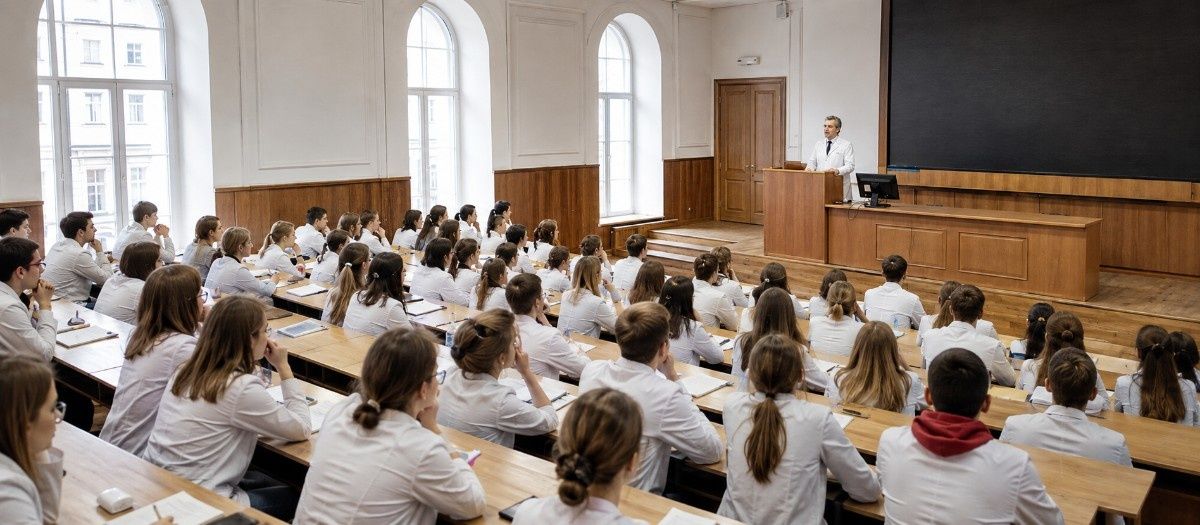
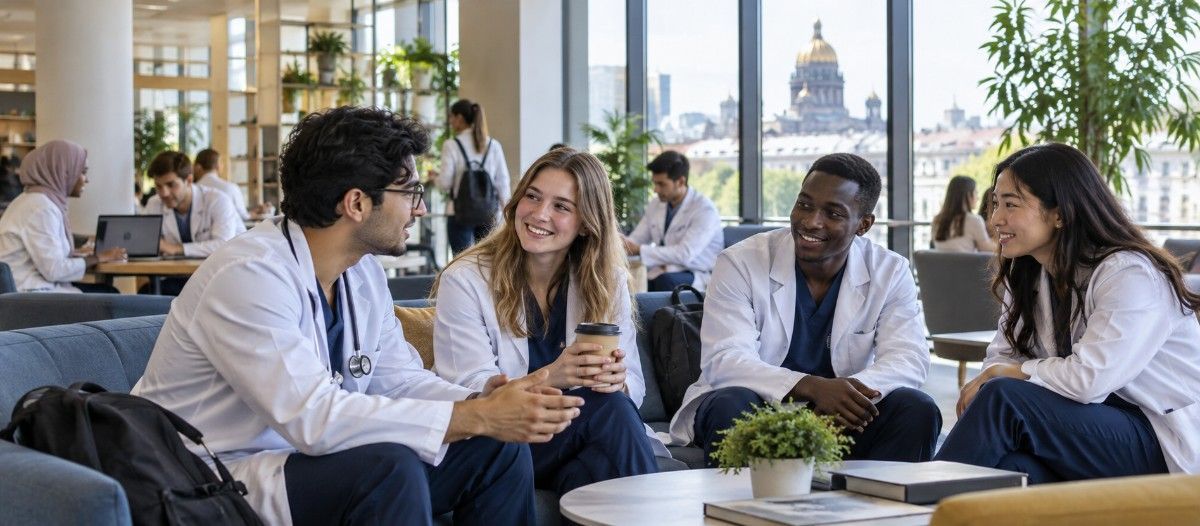
Furnished hostel rooms with Wi-Fi, laundry, 24/7 security, and Indian mess on or near campus.
Indian restaurants and mess facilities serving vegetarian and non-vegetarian home-style food daily.
Strong Indian community with cultural events, festival celebrations, and peer support groups.
Students get hands-on clinical training in government and private hospitals affiliated with the university.
Practical information for students planning to study at MBBS in Saint Petersburg State Medical University.
Prepare for all seasons. Thermal wear for winters, light clothing for summers. University provides heating in hostels.
Student visa processed with university invitation letter. Direct and connecting flights from major Indian cities.
Health insurance included in fees. Medical facility on campus plus city hospitals easily accessible.
Local SIM cards available. WhatsApp and video calls keep you connected with family back home.
Average monthly expenses of $150–$250 covering food, transport, and personal needs.
University library, online databases, and study groups. Seniors mentor juniors through academic challenges.
Our team guides you through every step — from application to arriving on campus.
Shortlist 3–5 NMC-approved universities on fees, city, FMGE reputation, and hostel quality.
Submit the application with academic documents and NEET scorecard.
Receive the Admission/Offer Letter from the university.
Pay the initial tuition instalment via the official channel.
Receive the Invitation Letter, issued by Russia's Ministry of Foreign Affairs — your visa depends on this.
Apply for the Student Visa via Embassy/VFS; realistic processing time is 2–4 weeks.
Arrange winter clothing, travel/health insurance, and a 5–8% currency buffer for ruble fluctuation in the final weeks before travel.
Travel, typically late August to early September.
Complete enrollment, a medical check-up, and hostel allotment on arrival.
Attend orientation; classes begin in the first/second week of September.
Admission Helpline — Contact our counsellors for step-by-step assistance.
“The faculty here is incredibly supportive. The clinical training during hospital rotations has given me real confidence in patient care.”
“Affordable fees without compromising on quality. The campus facilities and hostel life made my transition abroad very smooth.”
“English medium instruction and WHO-recognized curriculum were the deciding factors for me. No regrets so far — excellent experience overall.”
“The university helped with everything from visa to accommodation. Hospital exposure from year three has been invaluable for my FMGE prep.”
“Just cleared my licensing exam on the first attempt. The structured coaching and mock exams during final year were a game-changer.”
“Safe campus, good food options, and a strong Indian student community. The teaching methodology is very practical and hands-on.”
The international track uses English for theory subjects. Russian is compulsory from the first semester and is needed for ward work later.
Six years, ending with the specialist title of Physician.
Yes. A qualified NEET score is mandatory for Indian nationals under National Medical Commission rules.
About 8,000 to 9,500 US dollars a year. Confirm the exact figure with the admission office, since fees change annually.
Yes. Rooms are given in university hostels, usually shared, with a common kitchen and laundry on each floor.
Yes. That listing matters for ECFMG and for several national medical councils.
September, at the start of the Russian academic year.
Winter often drops below minus ten degrees Celsius, so proper winter clothing is essential.
Yes. The clinical complex is on campus, so most rotations are a short walk from the lecture halls.
Most enter residency in Russia or return home to sit the licensing or screening exam of their national medical council.
Our expert counsellors will guide you through the complete admission process — from documents to airport pickup.