
Q1. How old is this university, really?
+Founded in 1909 by Professor Vassily Razumovsky, a recognised pioneer in Russian neurosurgery, making it one of Russia's genuinely oldest medical institutions, well over a century old.
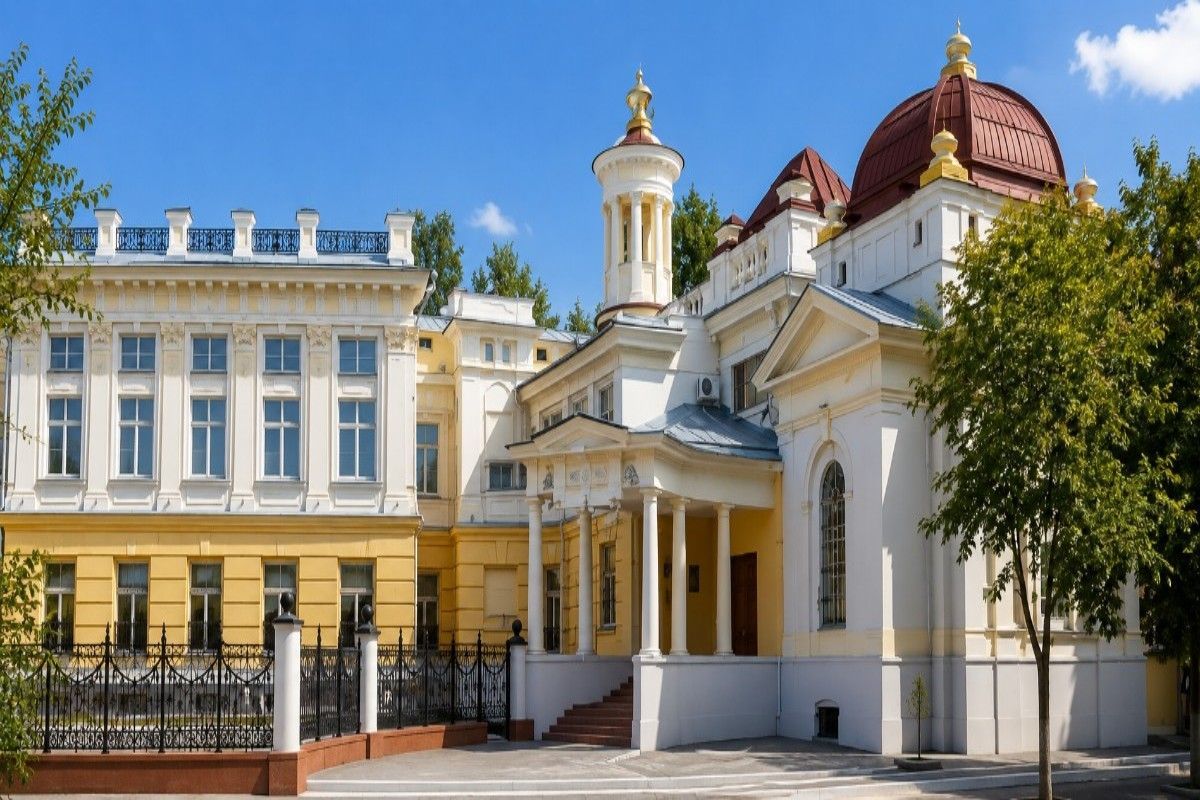
 Russia | Est. 1909
Russia | Recognised by India's National Medical Commission (NMC), the World Health Organization (WHO), ECFMG, WDOMS, and FAIMER. | English and Russian. medium
Expert will call you within 2 hours
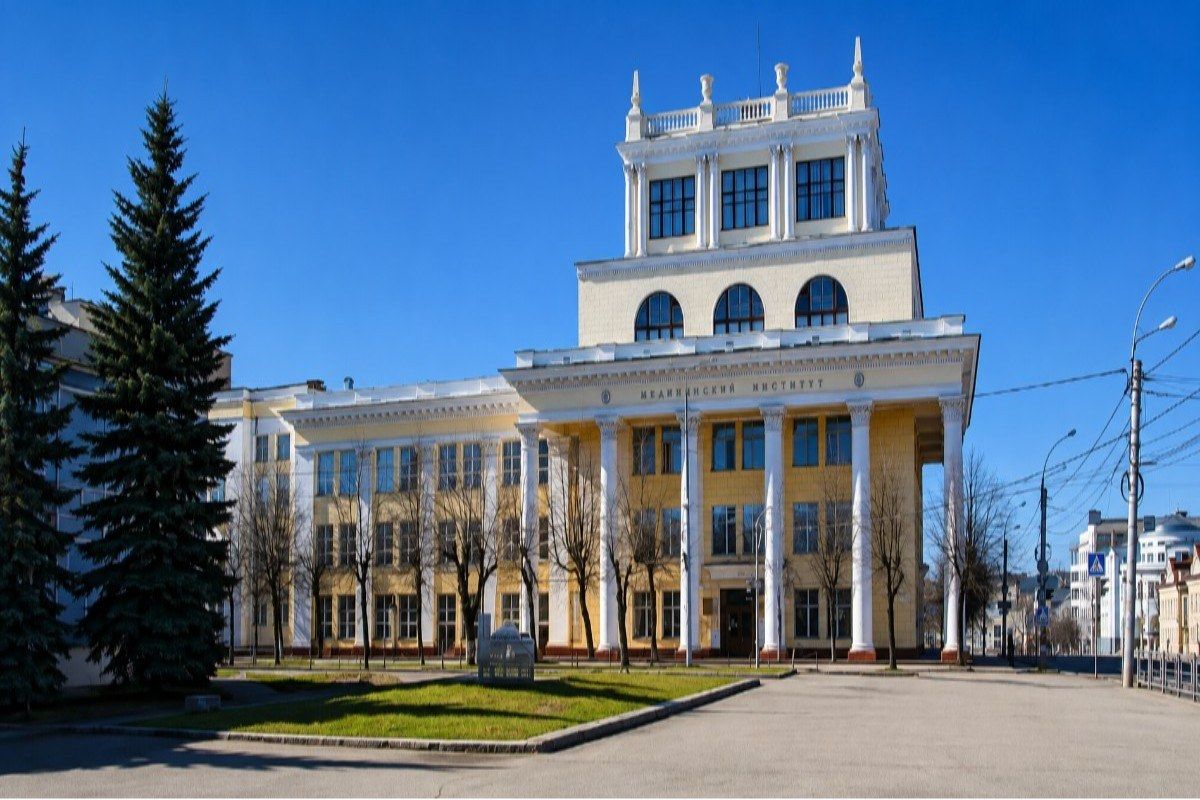
The official name of Saratov State Medical University is Saratov State Medical University named after V.I. Razumovsky. The school has a history that goes back more than 100 years. It was started in 1909 by Professor Vassily Razumovsky, who is known as a real pioneer in Russian neurosurgery. As a tribute to his work in Russian medicine, the university has kept his name ever since. It is one of the oldest and most well-known medical institutions in the country. It is located in Saratov, which is one of Russia's truly historic towns on the Volga River.
Saratov is a public university that was founded and is funded by the Russian government. It works in a similar way to most of the country's top medical schools, but it is different because it is older, does more research, and is consistently recognized around the world. Students come from all over the world to attend this university because it has so many undergraduate and graduate programs. Its most popular program, the MBBS-equivalent Doctor of Medicine, is taught in both Russian and English, so international students can fully access the curriculum without having to be fluent in Russian first. In addition to its main medical school, the university also has separate tracks for pharmacy and dentistry. It also has postgraduate specialist programs in cardiology, pediatrics, surgery, and more.
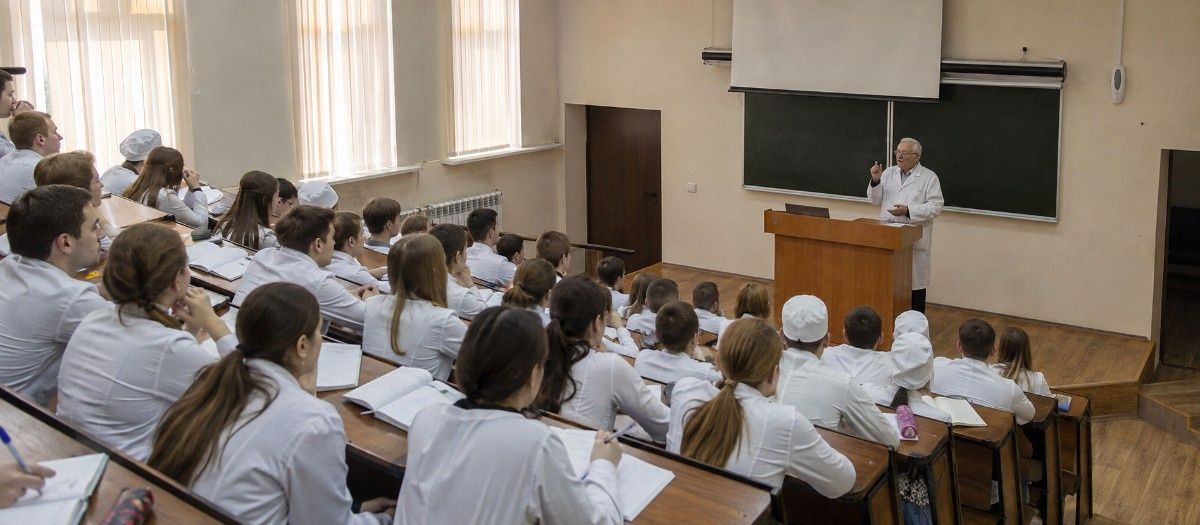
The main six-year MBBS program follows the typical structure used in Russian medical school. It starts with basic science and ends with full clinical training. In the first few years, students learn about anatomy, physiology, and biochemistry, which are the basic subjects that every doctor-to-be needs. Later, they move on to pathology and pharmacology, and finally, they choose a clinical specialty, such as internal medicine, surgery, or pediatrics. Throughout the program, students get a lot of clinical training in hospitals and other healthcare settings. This way, they get real, hands-on experience caring for patients instead of just learning in the classroom in the later years.
Saratov has a really full set of credentials when it comes to recognition. India's National Medical Commission and the World Health Organization recognize it, which are the two most common credentials used by Russian medical universities. It's also recognized by ECFMG, WDOMS, and FAIMER, which is a much fuller list of recognition than some of its peers. This wider recognition is most important for students who are thinking about more than just going back to India after graduation, since ECFMG recognition helps students get ready for future US licensing tests. The university has a QS World Ranking of 851, and its acceptance rate is about 66%. This gives potential students a pretty good idea of where it stands among Russian medical schools: it is truly selective, but not one of the hardest to get into.
The requirements for admission are similar to those at most Russian universities recognized by the NMC. Those who want to apply must have finished Class 12 with Physics, Chemistry, and Biology as their main subjects. Applicants from the general category must have at least 50% overall marks, but candidates from the reserved category only need 45%. Indian applicants must have a valid NEET qualification and meet the National Medical Commission's minimum percentile requirements. The current minimum percentile for general candidates is the 50th percentile, and the minimum percentile for SC, ST, and OBC candidates is the 40th percentile. Applicants must also be at least 17 years old by December 31 of the year they want to enroll. Applicants do not have to take any extra university-specific tests on top of these standard national requirements. This is a very simple admissions process compared to others around the world.
Since there are a lot of different sources for Saratov cost figures, it's important to be honest about that. However, it's also important not to give one number as the final answer. Several consulting companies say the cost of school for the first year will range from $4,410 to $6,200 USD. Most people think that next year's tuition will be a little lower. Different sources say that the fees range from 4,800 to 5,200 US dollars each school year. How much the program costs in total over six years depends on the consulting company and the parts of the headline quote that were used. It could be as much as USD 30,200 or much less. This is different because the plan is now being used. Some extra costs are going to a roommate, which should cost about USD 1,500 a year, and getting health insurance, which should cost about USD 250 a year. Both of these costs are likely to be big. A fee of about $1,000 for the first year covers administrative costs. In the coming years, you won't have to pay this fee again. Because of this difference, it is very important to get a written price quote from the school or a trustworthy admissions partner before agreeing to a payment plan.
The school has been around for a long time and has built up a strong system for clinical training. For this reason, the university helps students who are studying for the FMGE (which is now called the NExT), which is the test that Indian psychology graduates must pass before they can work as psychologists in their own country. This can help people who are training for the FMGE. This kind of built-in test prep help shows that the school knows what its large group of Indian students need to do after they graduate, not just while they are getting their degree. Even tho the school doesn't say how many students pass this test, the university knows what its Indian students need to do to do well after they finish.
Saratov is not like Russia's bigger and more famous tourist spots like Moscow or Saint Petersburg. It offers something completely different and out of this world. This city, which is on the Volga River, has a lot of historical importance and is thot to be a safe place for international students. It is also much cheaper to live here than in Russia's big cities. This includes the cost of a hostel room. If students look at how much school costs all together instead of just how much each city costs, they might be able to save a lot of money over the course of six years.
These words can also be written in another way: Saratov State Medical University is a well-known and respected place to learn medicine. This school has been around for more than 100 years and has more foreign accreditations from organizations like NMC, WHO, ECFMG, WDOMS, and FAIMER than many other Russian medical schools that offer the same education. There are also more foreign credentials to back up this schooling. This program is great for students who are good at negotiating real differences in the prices that are given and who would rather go to a government-funded historical school with a good reputation for clinical training. People who want to sign up for the course shouldn't be afraid to ask for proof in person or in writing.
No hidden charges, no donation. The full picture of costs at MBBS in Saratov State Medical University named after V.I. Razumovsky.
Tuition Fee
Approx. USD 6,300 / ₹6.0 Lakh per year
Approx. USD 6,300 / ₹6.0 Lakh per year
Hostel Fee
Approx. USD 1,500 per year (approx. INR 1.25 lakh)
Approx. USD 1,500 per year (approx. INR 1.25 lakh)
Food & Meals
USD 1,920–3,000 / ₹1.83 lakh–₹2.86 lakh
Per Year
Insurance
USD 150–200 / ₹14,300–₹19,100 Lakh
Per Year
Donation
No Donnation
No Hidden Fee
Total Estimated Cost
USD $46,020–$53,4836/₹43.4lakh–₹50.51 lakh
6 Year
25–35%
Average FMGE first-attempt pass rates for students from many overseas medical universities. Students from structured programs consistently score higher.
Students returning to India need to clear the FMGE/NExT exam. MBBS in Saratov State Medical University named after V.I. Razumovsky integrates exam-oriented coaching into the regular curriculum so students are prepared from day one.
A structured program that takes you from foundational sciences to clinical mastery.
Initial practical preparation includes patient-care orientation, nursing fundamentals and introductory clinical skills, creating the foundation for later hospital training.
Students begin with medical biology, chemistry, biophysics, anatomy, Latin/medical terminology, history of medicine, psychology, professional communication, first aid and basic healthcare/legal studies.
Students continue nursing and patient-care training while learning how normal organ systems function and developing basic clinical and laboratory competencies before entering disease-oriented subjects.
Core biomedical training expands through anatomy, histology, embryology and cytology, biochemistry, normal physiology, microbiology, virology and immunology.
Clinical medicine begins through propedeutics of internal diseases, general surgery and topographic anatomy/operative surgery, with training in history-taking, physical examination, basic diagnostic interpretation and emergency medical procedures.
The curriculum moves into pathological anatomy, pathophysiology, pharmacology, clinical biochemistry, hygiene, epidemiology, radiological diagnostics and immunology/allergology.
Clinical education takes place at university and Saratov healthcare facilities, where international students undertake practical work and supervised patient-based learning.
Students progress into major clinical disciplines including faculty therapy, faculty surgery, pediatrics, obstetrics and gynecology, neurology, ophthalmology, otorhinolaryngology, urology, dermatovenereology and infectious diseases.
Students undertake structured clinical practice as assistants to physicians in therapy, surgery and obstetrics, strengthening differential diagnosis, treatment planning, emergency management and direct patient-care skills
Training broadens into hospital therapy, hospital surgery, oncology and radiotherapy, psychiatry and medical psychology, traumatology and orthopedics, tuberculosis, endocrinology, occupational diseases, forensic medicine and clinical pharmacology.
Students complete senior practical rotations including therapeutic and surgical diagnostic practice and work as an assistant to a district/general physician, followed by the State Final Attestation required for graduation as a Physician/Vrach.
The final year emphasizes polyclinic/internal medicine, emergency conditions in therapy, anesthesiology and intensive care, medical rehabilitation, advanced diagnostic medicine and integrated hospital-based clinical practice.
Furnished hostel rooms with Wi-Fi, laundry, 24/7 security, and Indian mess on or near campus.
Indian restaurants and mess facilities serving vegetarian and non-vegetarian home-style food daily.
Strong Indian community with cultural events, festival celebrations, and peer support groups.
Students get hands-on clinical training in government and private hospitals affiliated with the university.
Practical information for students planning to study at MBBS in Saratov State Medical University named after V.I. Razumovsky.
Prepare for all seasons. Thermal wear for winters, light clothing for summers. University provides heating in hostels.
Student visa processed with university invitation letter. Direct and connecting flights from major Indian cities.
Health insurance included in fees. Medical facility on campus plus city hospitals easily accessible.
Local SIM cards available. WhatsApp and video calls keep you connected with family back home.
Average monthly expenses of $150–$250 covering food, transport, and personal needs.
University library, online databases, and study groups. Seniors mentor juniors through academic challenges.
Our team guides you through every step — from application to arriving on campus.
Shortlist 3–5 NMC-approved universities on fees, city, FMGE reputation, and hostel quality.
Submit the application with academic documents and NEET scorecard.
Receive the Admission/Offer Letter from the university.
Pay the initial tuition instalment via the official channel.
Receive the Invitation Letter, issued by Russia's Ministry of Foreign Affairs — your visa depends on this.
Apply for the Student Visa via Embassy/VFS; realistic processing time is 2–4 weeks.
Arrange winter clothing, travel/health insurance, and a 5–8% currency buffer for ruble fluctuation in the final weeks before travel.
Travel, typically late August to early September.
Complete enrollment, a medical check-up, and hostel allotment on arrival.
Attend orientation; classes begin in the first/second week of September.
Admission Helpline — Contact our counsellors for step-by-step assistance.
“The faculty here is incredibly supportive. The clinical training during hospital rotations has given me real confidence in patient care.”
“Affordable fees without compromising on quality. The campus facilities and hostel life made my transition abroad very smooth.”
“English medium instruction and WHO-recognized curriculum were the deciding factors for me. No regrets so far — excellent experience overall.”
“The university helped with everything from visa to accommodation. Hospital exposure from year three has been invaluable for my FMGE prep.”
“Just cleared my licensing exam on the first attempt. The structured coaching and mock exams during final year were a game-changer.”
“Safe campus, good food options, and a strong Indian student community. The teaching methodology is very practical and hands-on.”
Founded in 1909 by Professor Vassily Razumovsky, a recognised pioneer in Russian neurosurgery, making it one of Russia's genuinely oldest medical institutions, well over a century old.
Yes, the flagship MBBS/Doctor of Medicine program is taught in both English and Russian, giving international students full curriculum access without prior Russian fluency.
This varies meaningfully across sources: first-year tuition is cited anywhere from USD 4,410 to USD 6,200, with subsequent years generally running USD 4,800 to 5,200. Total six-year costs are cited around USD 28,000 to 30,200. Confirm exact current figures directly with the university.
Yes, mandatory, meeting NMC's minimum percentile thresholds (50th percentile general category, 40th percentile SC/ST/OBC).
Yes, and genuinely broadly so: recognised by NMC, WHO, ECFMG, WDOMS, and FAIMER, a fuller recognition profile than some comparable Russian universities carry.
No. Beyond standard national requirements and NEET for Indian applicants, no additional university-specific entrance exam applies.
Directly inside hospitals and healthcare settings throughout the program, with a particular emphasis on hands-on patient care experience built up over the university's long clinical training history.
Yes. It also runs Pharmacy and Dentistry undergraduate programs, alongside postgraduate specialist tracks in cardiology, paediatrics, surgery, and other fields.
A historic city on the Volga River, generally regarded as safe and secure for international students, with a notably lower cost of living than Russia's larger cities like Moscow or Saint Petersburg.
Yes, dedicated support is offered for this India-specific licensing exam, though specific pass-rate statistics aren't publicly published by the university itself.
Our expert counsellors will guide you through the complete admission process — from documents to airport pickup.