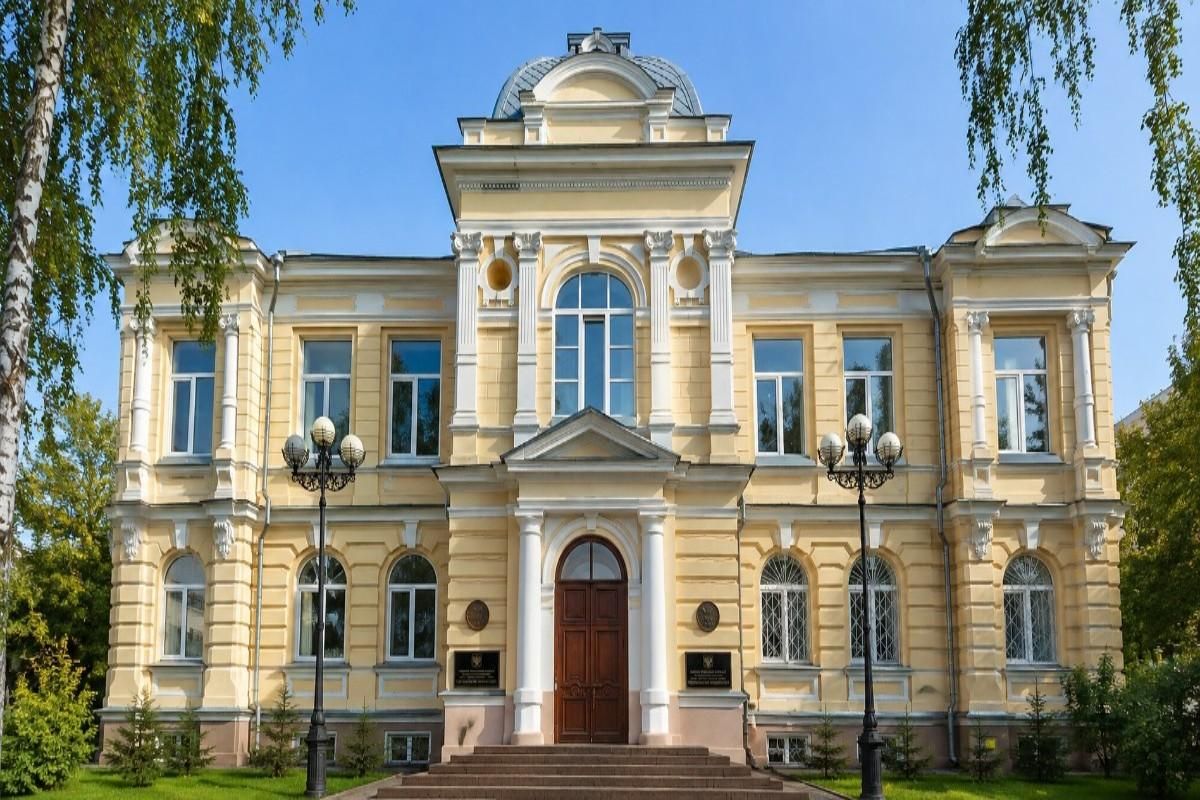
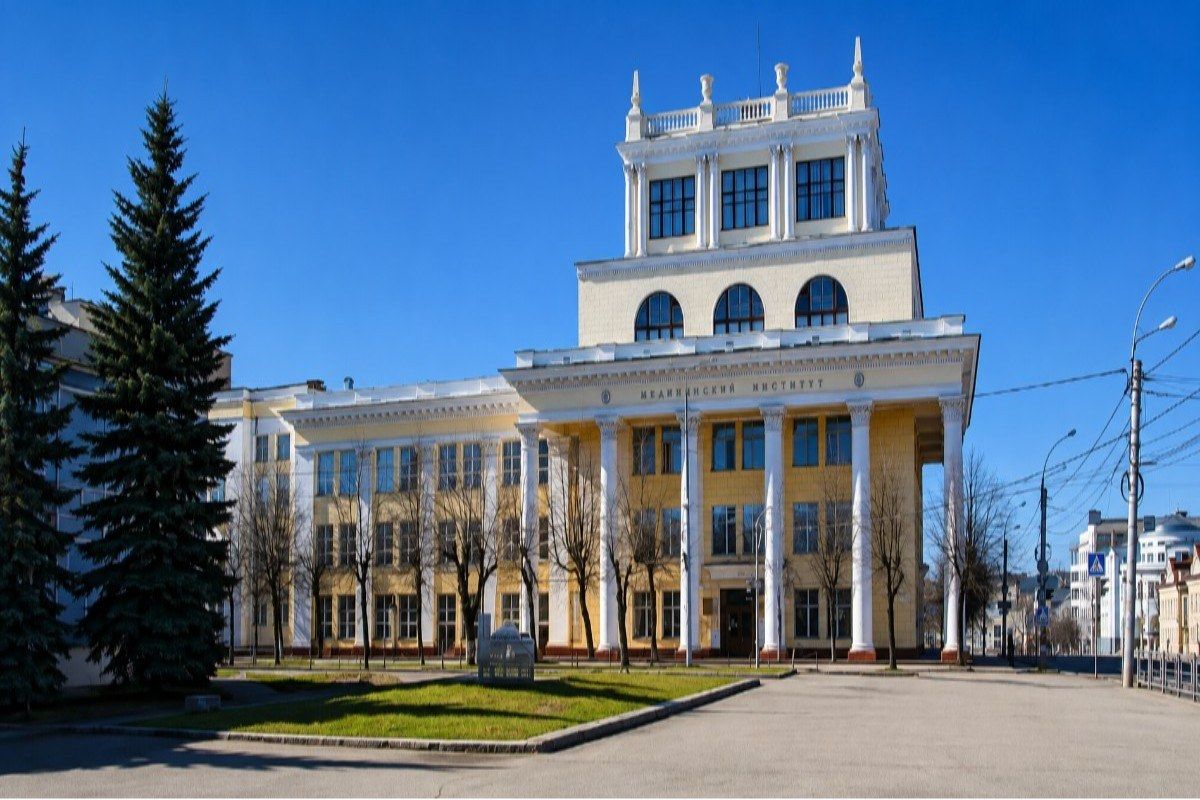
Siberian State Medical University, which most people just call SibMed or SibGMU, has a very long history in Russian medical education. It has been around since May 1878. At that time, Emperor Alexander II signed a law that made the Siberian Imperial University possible. The medical school's doors opened on September 1, 1888. It was the very first school at the university. It had 72 students and eight professors and seven assistant professors to teach them. It was Professor Nikolai Gezekhus who was the first head of the university. He was in charge of an organization that would change the way people in Siberia learned to be doctors for more than one hundred years.
The school's name has changed a few times over the years. This is a reflection of the larger changes in Russia's government during this time. From 1888 to 1934, it was called Tomsk University. From 1930 on, it was called the Tomsk State Medical Institute until it closed. Between 1938 and 1956, it had the name of Soviet politician Vyacheslav Molotov for a short time. It finally settled into its current identity as Siberian State Medical University. These days, it is a public institution and one of the oldest medical schools in Russia.
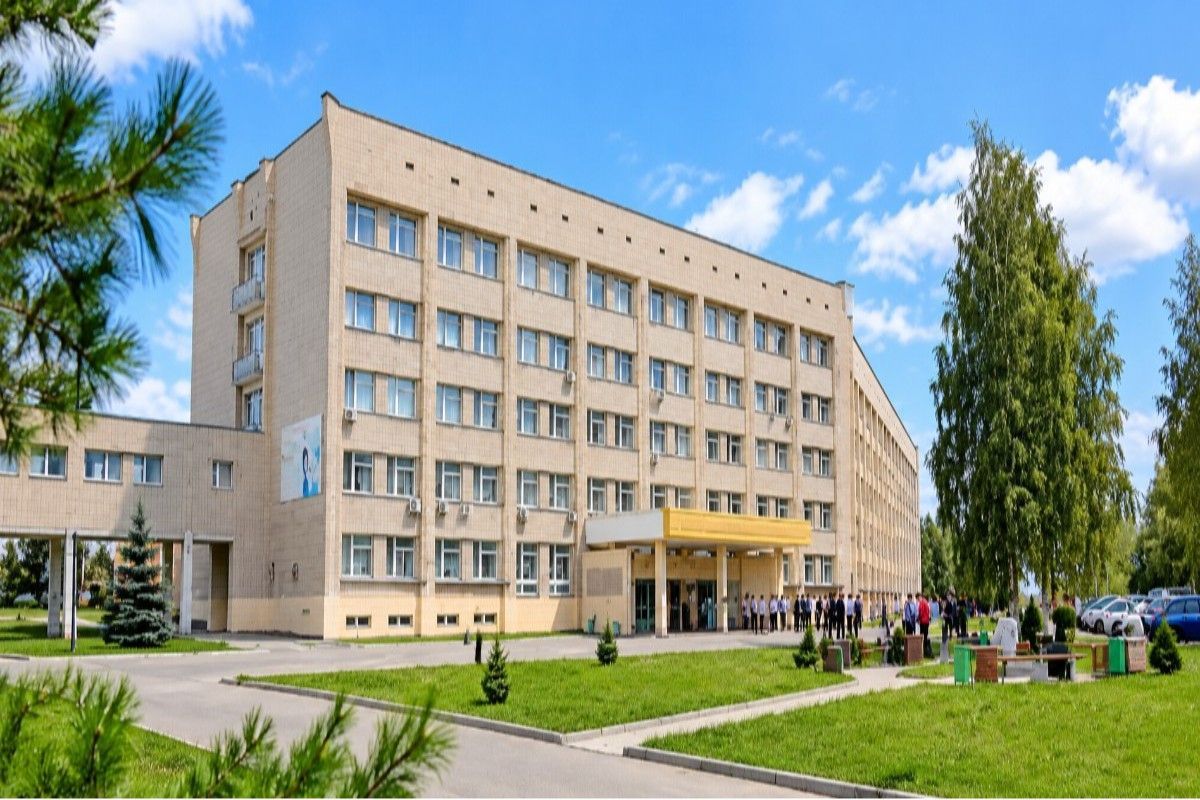
Tomsk, which is where SibMed is based, is in the middle of Siberia. It has been known for a long time as one of the real academic hubs of the country. Along with SibMed, a number of large colleges call this city home. That means that Tomsk has a real, large student body, along with the kind of infrastructure that comes from serving that body for decades. Our school's main location is at 2 Moskovsky Trakt. One thing that makes it really stand out among Russian medical schools is that it runs its own hospital complex. This is more than just a place to teach privately. It actively helps thousands of people from all over Russia get medical care every year. This gives students a real hospital setting for their clinical training, instead of a building that was only used for classroom.
SibMed's academic reach goes far beyond a single program that is the same as an MBBS. Biochemistry, biophysics, general medicine, pediatrics, dentistry, pharmacy, nursing, and more are all taught at the university at the undergraduate, graduate, and postgraduate levels. Psychiatry and psychotherapy, cardiology, infectious diseases, regenerative medicine, surgery, and obstetrics and gynecology are some of the specialized postgraduate tracks that go along with these. This variety shows that the university wasn't just built to offer one foreign MBBS track, but as a real, all-around medical school.
In the past few years, recognition has also grown in a meaningful way. SibMed was the first medical school in Russia to get permission from Skolkovo Technology Park in 2015. Skolkovo is Russia's most famous innovation and technology hub. That's a real sign of how good the university is at research and new ideas, not just clinical teaching. Then, in 2017, the university became the only flagship medical school in Russia. That's a real national difference that makes it stand out from the other medical schools in the country.
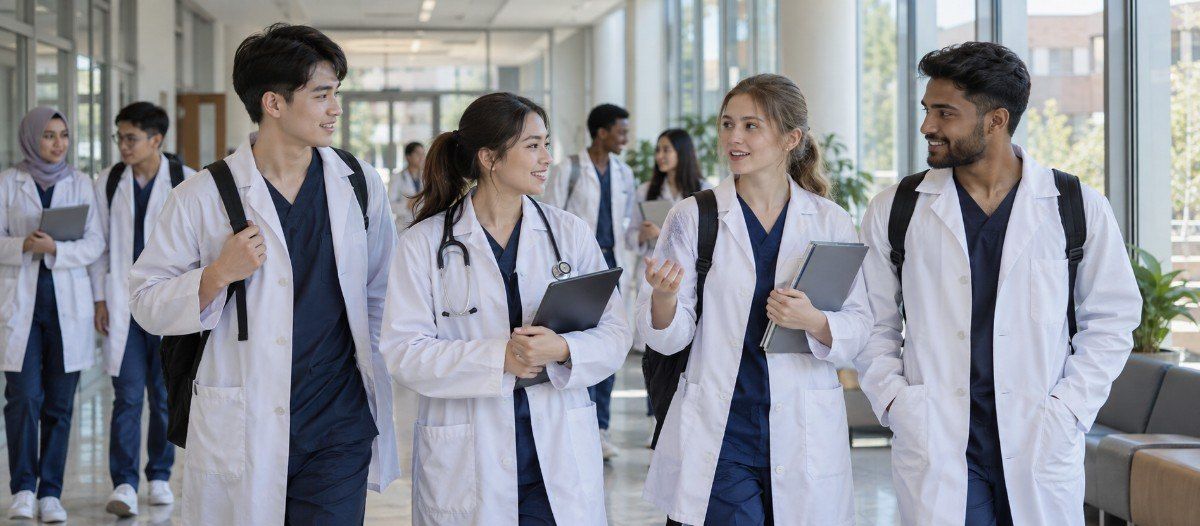
There are a lot of students from all over the world here. There are more than 6,500 students at the university, and some sources say there are more than 7,000. This includes more than 7,000 foreign students drawn from 39 to 68 different countries, depending on the specific source and year cited. Around 280 to 320 Indian students study across all six years of the MBBS program at any given time, making this one of the larger Indian student communities among Russian medical universities. Beside India, Switzerland, Germany, Canada, the United Kingdom, the United States, and Kazakhstan are also named. Overseas students take part in campus festivals and cultural activities regularly, giving international students genuine chances to engage with both Russian culture and the wider international student community on campus.
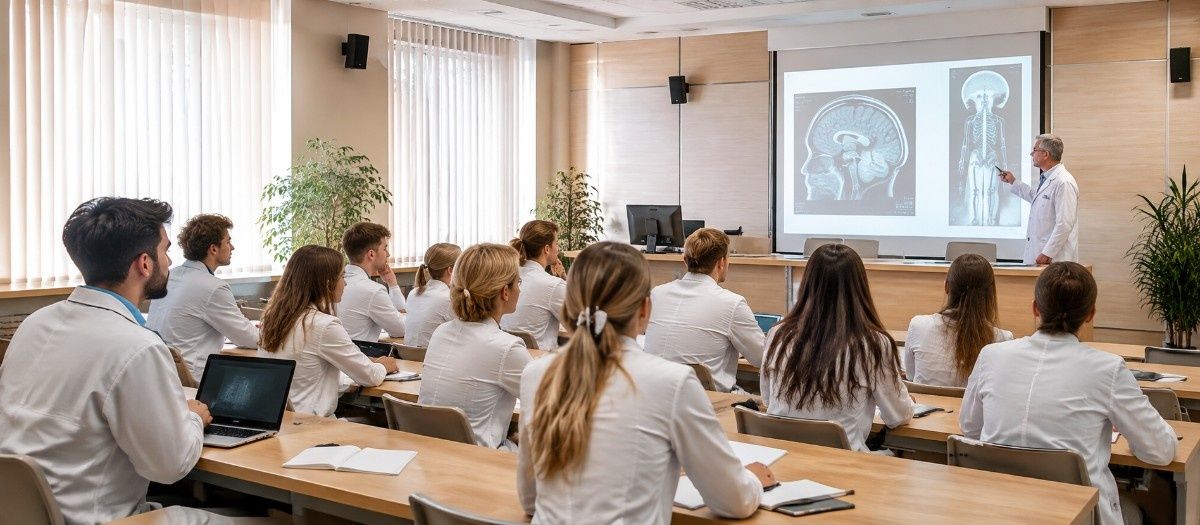
There are both Russian and English versions of the lessons. The university has an English-only track that is designed just for its international MBBS-style cohort. This means that students can learn the whole medical curriculum without having to speak Russian well first. That said, picking up conversational Russian over the course of the degree genuinely helps once clinical rotations begin and students start interacting directly with local patients.
On cost, published figures for SibMed genuinely vary a lot across different sources, and it's worth being upfront about that spread rather than picking one number and presenting it as final. Tuition estimates alone range from around ₹3.5 lakh to ₹6 lakh per year, depending on the source and year cited. A detailed year-by-year breakdown from one specialist admissions source puts tuition at approximately USD 4,800 per year, with hostel adding roughly USD 1,500 per year and medical insurance around USD 250 per year. That works out to a first-year total of approximately USD 7,550, once a one-time administrative overhead of around USD 1,000 gets added on, dropping to roughly USD 6,550 per year from Year 2 onward. Across the full six-year program, this points to a total cost somewhere in the region of USD 40,000, or roughly INR 33 to 34 lakh, though other sources cite figures as low as INR 18 to 19 lakh for tuition alone, and others as high as INR 45 to 55 lakh for a fully inclusive estimate. Given this genuinely wide range, requesting a direct, current, written fee quote from the university or a trusted admissions partner matters more here than at more consistently documented Russian medical schools.
Day-to-day living costs in Tomsk run comfortably low by international standards. Multiple sources place monthly expenses, covering food, transport, and personal costs, somewhere between USD 200 and 350, or roughly INR 15,000 to 28,000, depending on lifestyle. Tomsk winters run genuinely cold, with temperatures dropping to around minus 30 degrees Celsius between December and February, but hostels, classrooms, and hospitals all run excellent central heating throughout. Indian restaurants and grocery stores, run by the local South Asian community, offer familiar food options for homesick students.
The admission process for international students generally runs through official university partners or consultancies rather than a direct walk-in application, a common pattern across Russian medical universities generally. This typically involves securing an official admission letter from the university, submitting passport and academic documents for an invitation letter, then completing standard visa formalities through the Russian embassy before travel. Once students arrive in Tomsk, the university and its partner organisations generally assist with practical settling-in steps: airport transport, medical checkups, visa extension formalities, and hostel placement, a genuinely useful layer of support for students arriving in an unfamiliar country for the first time.
Put simply, SibMed offers a genuinely old, well-established Russian medical education, backed by more than 145 years of institutional history, a real, functioning affiliated hospital complex, and a growing reputation reinforced by its Skolkovo authorisation and flagship university status. It suits students looking for an NMC and WHO-recognised pathway into medicine, taught in English, inside a substantial academic city with decades of experience hosting international students specifically, though the notably wide spread in published cost estimates makes direct, written fee confirmation especially important before committing.