
Q1. When was this university established?
+In August 2020, by decision of President Abdel Fattah El-Sisi, named after King Salman of Saudi Arabia.
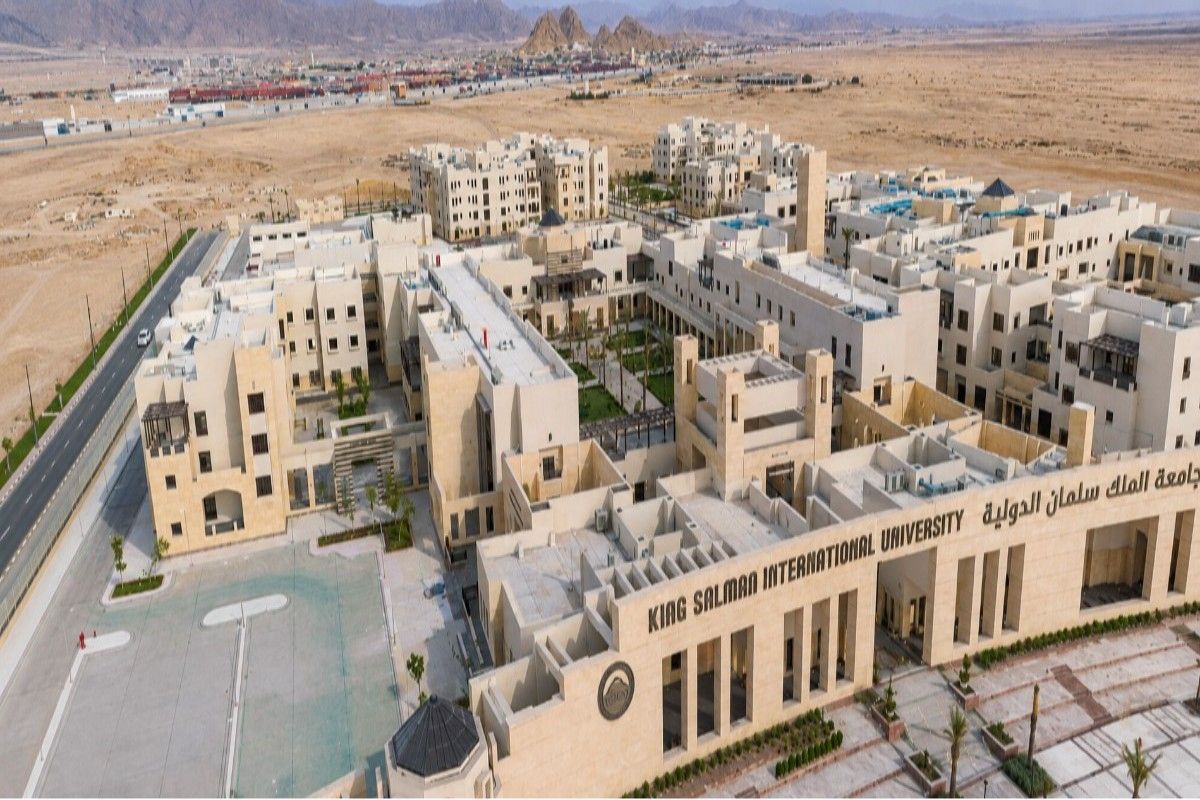
 Egypt | Est. 2020
Egypt | A national, non-profit institution under Egyptian higher education law; current NAQAAE and World Directory of Medical Schools status is worth checking directly, given the Faculty's youth. | English medium
Expert will call you within 2 hours
King Salman International University came into existence in August 2020, by decision of President Abdel Fattah El-Sisi, as a national, non-profit Egyptian institution named in honour of King Salman of Saudi Arabia. That naming choice says something about the close political and economic relationship between Egypt and Saudi Arabia at the time, a detail you won't see reflected in the naming of most other Egyptian universities.
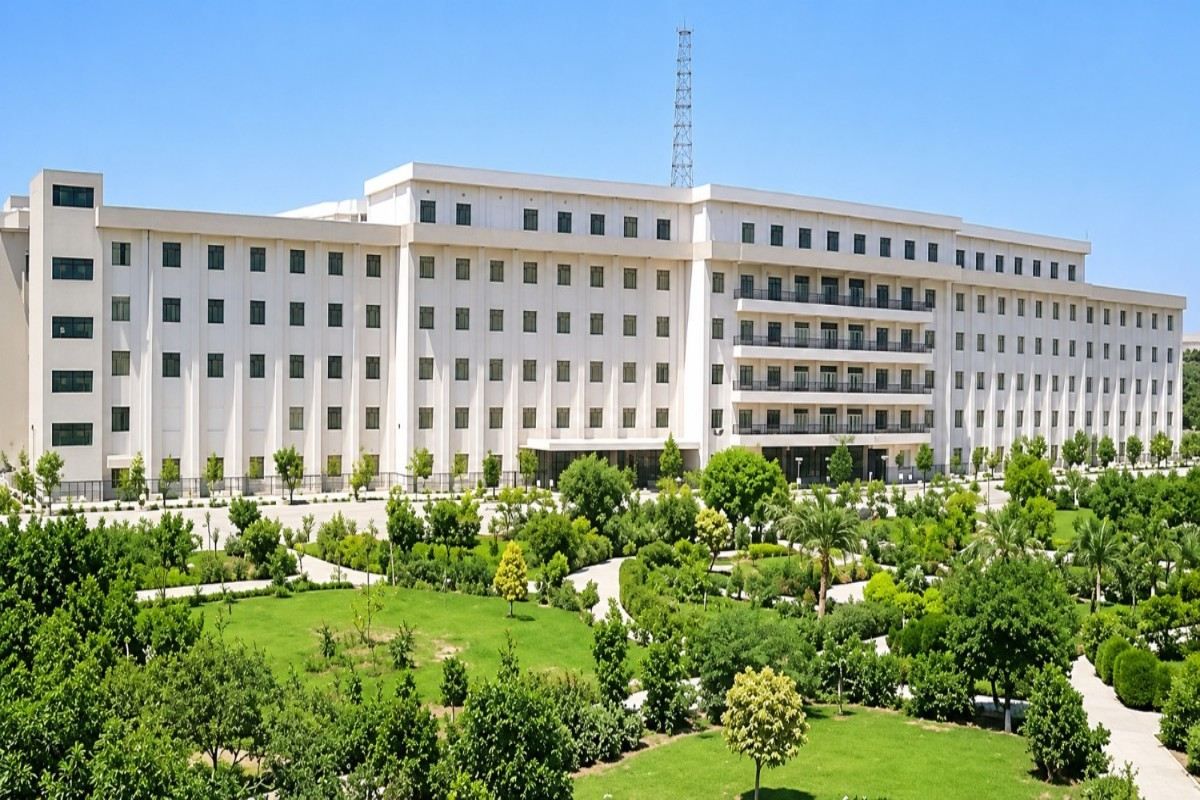
Geography sets this one apart quickly. The university spreads across three separate campuses in South Sinai: Ras Sedr, El Tor, and Sharm El Sheikh. Medicine specifically calls El Tor home, where a university hospital was built into the same main branch campus, giving the Faculty its own dedicated footprint rather than sharing space with the university's other Sinai locations.
Students work toward the MBBCh, Bachelor of Medicine and Bachelor of Surgery, taught in English. Judging from what's confirmed about clinical training, fifth-year students taking specialised surgical instruction being one example, the programme follows the same general pattern used across Egypt's public and national medical faculties: a run of academic years followed by mandatory internship.
Tuition for the Faculty of Human Medicine has been quoted around EGP 230,000, roughly USD 8,000, per year. As with most Egyptian universities, though, that number gets revised from one year to the next, so it's worth confirming directly with admissions rather than leaning on whatever figure turns up in a secondary source.
South Sinai isn't your typical Egyptian university setting. It's known internationally for Red Sea diving, desert-mountain scenery, and tourism, not for academic infrastructure. El Tor, where the Faculty of Medicine sits, happens to be the administrative capital of South Sinai Governorate, so there's at least a governmental anchor to the campus even though the surrounding region leans heavily toward tourism rather than higher education.
Clinical training runs through the Tor Sinai Teaching Hospital, described as a sizeable facility meant to expose students to a genuinely broad range of clinical cases. There's also a real emphasis on simulation-based training here, including specialised laparoscopic surgery instruction delivered through the university's Medical Simulation Center for fifth-year students, aimed at sharpening practical skills before students head into clinical rotations and, eventually, independent practice.
Outpatient clinic services connected to the teaching hospital round out the picture, giving students routine, non-emergency patient contact alongside the more intensive inpatient training at Tor Sinai. That mix of outpatient and inpatient exposure is meant to give a fuller sense of clinical practice than hospital rotations alone would provide.
Being tucked into a tourism-heavy region also means the local patient population skews differently than it would in a dense urban centre, with seasonal visitor traffic and a smaller resident base shaping the kinds of cases students see day to day compared with a hospital in central Cairo.
Let's not oversell how established this programme is. King Salman International University only opened in 2020, so its Faculty of Medicine is still working through its early years, without the decades of graduating classes that older Egyptian medical schools can point to. Expect published details on programme length, clinical infrastructure, and fees to keep shifting as the university matures.
Getting into medicine and other competitive fields here generally means clearing a higher bar than less in-demand faculties at the same university, which lines up with how most Egyptian private and national universities operate. Exact published thresholds for Medicine specifically should come straight from admissions for whichever intake year you're targeting.
As for accreditation, the university runs under Egyptian higher education law as a national, non-profit institution. Like other recently launched Egyptian medical faculties, it's worth checking the Faculty's current standing with bodies like NAQAAE, and with international directories such as the World Directory of Medical Schools, directly with the university, since these listings and accreditation processes take time to settle for newer institutions.
One more practical note: because the university spans three separate South Sinai campuses, it's worth confirming exactly which services and facilities live at El Tor versus Ras Sedr or Sharm El Sheikh. Some shared university functions might be centralised somewhere other than the campus that actually hosts the Faculty of Medicine.
That multi-campus spread is fairly unusual for an Egyptian medical faculty, most of which operate from a single site, so it's worth factoring travel and logistics between campuses into any decision, even though medicine itself stays put at El Tor throughout the programme.
Parameter | Details |
Founded | King Salman International University established August 2020, by presidential decision |
Institution Type | National, non-profit Egyptian university |
Location | El Tor campus, South Sinai Governorate, Egypt (university also has campuses in Ras Sedr and Sharm El Sheikh) |
Programme | MB BCh (Bachelor of Medicine and Bachelor of Surgery) |
Duration | Standard Egyptian medical education structure: multi-year academic study plus mandatory internship |
Medium of Instruction | English |
Admission Route | Direct application through the university's own admissions process |
Teaching Hospital | Tor Sinai Teaching Hospital, within the El Tor campus |
No hidden charges, no donation. The full picture of costs at MBBS in King Salman International University Faculty of Medicine.
Tuition Fee
approximately 152,460 EGP
Approx. EGP 230,000 (approx. USD 8,000) per year
Hostel Fee
(approx. $1,500 to $2,400 USD per year)
Approx. USD 150 to 350 per month
Food & Meals
Approx. USD 150 to 300 per month
per month
Insurance
approximately $8,000 per year
per year
Donation
No Donation
No Hideen fees
Total Estimated Cost
approximately 152,460 EGP to 230,000 EGP per year
6-year
25–35%
Average FMGE first-attempt pass rates for students from many overseas medical universities. Students from structured programs consistently score higher.
Students returning to India need to clear the FMGE/NExT exam. MBBS in King Salman International University Faculty of Medicine integrates exam-oriented coaching into the regular curriculum so students are prepared from day one.
A structured program that takes you from foundational sciences to clinical mastery.
Develop introductory clinical, communication, professionalism, first-aid, information-technology and evidence-based learning skills through laboratories, small-group teaching and simulation.
Study human anatomy, histology, physiology, biochemistry, genetics and the scientific foundations of normal body structure and function
Apply basic sciences to common diseases through clinical cases, diagnostic reasoning, laboratory interpretation, community medicine and introductory patient-contact activities.
Study pathology, microbiology, immunology, parasitology and pharmacology through integrated cardiovascular, respiratory, gastrointestinal, renal, endocrine, nervous and musculoskeletal modules.
Undertake training in psychiatry, dermatology, ophthalmology, otorhinolaryngology, community medicine and related clinical specialties through bedside teaching and supervised practice.
Complete broader rotations in internal medicine, surgery, paediatrics, obstetrics and gynaecology, with exposure to diagnostic imaging, laboratory medicine and therapeutics.
Study introductory paediatrics, obstetrics and gynaecology while developing history-taking, physical examination, differential-diagnosis and patient-safety skills.
Begin structured clinical learning in internal medicine and general surgery, supported by bedside instruction, clinical-skills laboratories and hospital-based case discussions.
Integrate clinical decision-making, prescribing, ethics, research, public health, patient management and procedural skills through case-based assessments, OSCEs and supervised clinical training
Complete advanced rotations in medicine, surgery, paediatrics, obstetrics and gynaecology, emergency care, family medicine and selected clinical specialties
Internship training consolidates supervised responsibility in medicine, surgery, paediatrics, obstetrics and gynaecology, emergency care and other required clinical services before full professional registration.
After completing the five academic years, graduates undertake two years of compulsory rotating clinical internship in approved hospitals and healthcare facilities. ,
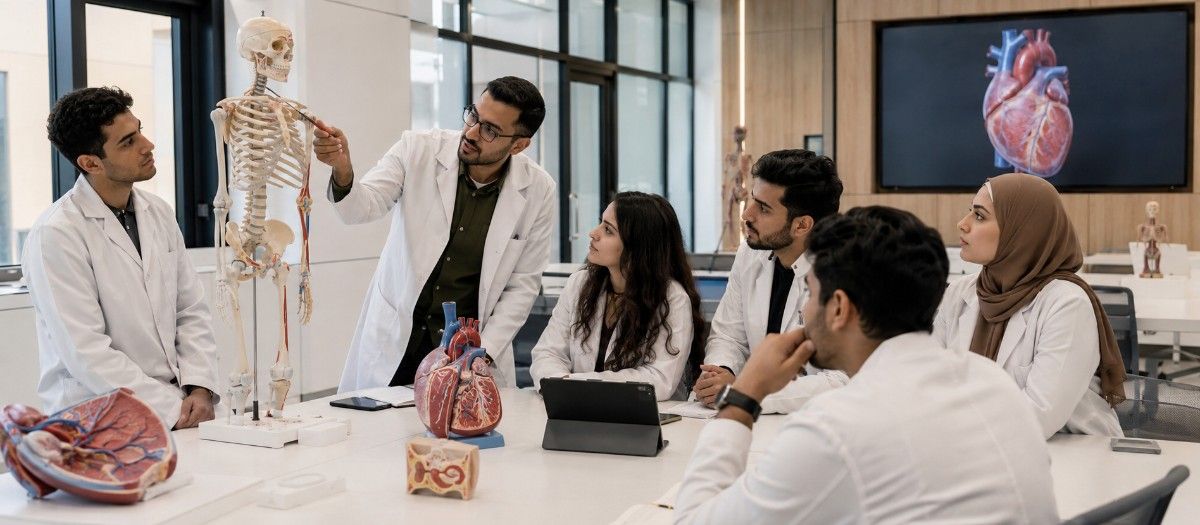
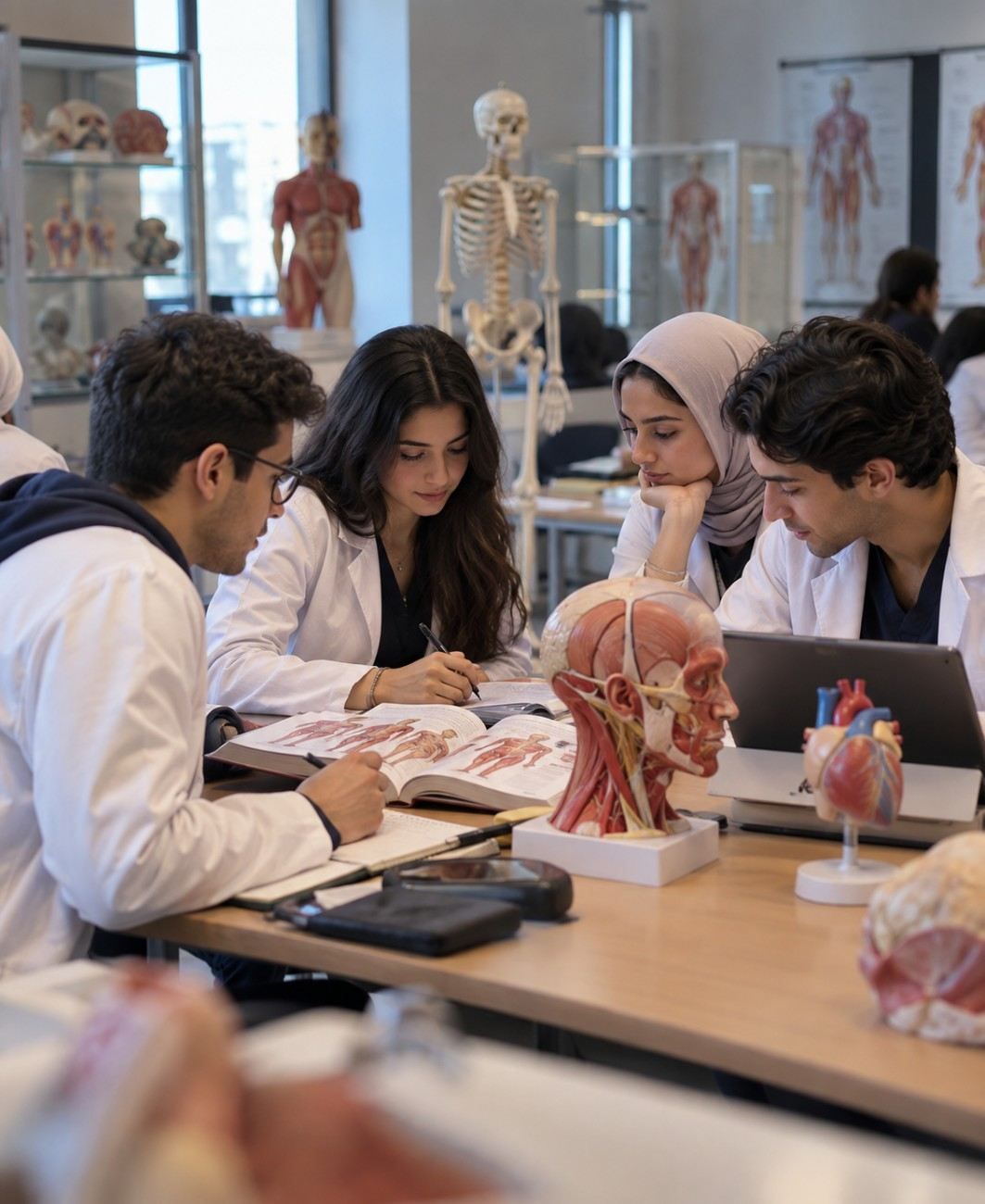
Furnished hostel rooms with Wi-Fi, laundry, 24/7 security, and Indian mess on or near campus.
Indian restaurants and mess facilities serving vegetarian and non-vegetarian home-style food daily.
Strong Indian community with cultural events, festival celebrations, and peer support groups.
Students get hands-on clinical training in government and private hospitals affiliated with the university.
Practical information for students planning to study at MBBS in King Salman International University Faculty of Medicine.
Prepare for all seasons. Thermal wear for winters, light clothing for summers. University provides heating in hostels.
Student visa processed with university invitation letter. Direct and connecting flights from major Indian cities.
Health insurance included in fees. Medical facility on campus plus city hospitals easily accessible.
Local SIM cards available. WhatsApp and video calls keep you connected with family back home.
Average monthly expenses of $150–$250 covering food, transport, and personal needs.
University library, online databases, and study groups. Seniors mentor juniors through academic challenges.
Our team guides you through every step — from application to arriving on campus.
Our Egypt specialist provides an honest overview of Cairo University vs Ain Shams vs ERU, English-medium status, FMGE outcomes, safety assessment, and total cost comparison.
We provide the Egypt-specific checklist. All documents are verified before university submission.
Direct submission to the suggested university. Offer letter typically within 7–14 days.
Either the students or our team receives the offer, walks you through the terms, and manages the initial fee payment.
We manage visa applications to the Egyptian Embassy in New Delhi, a minimum of 6 weeks before departure
Cairo city orientation, accommodation, Egyptian transport, food, currency, safety zones, and first-week logistics.
We advise on routing to Cairo International Airport (CAI). Confirms arrival with the local team.
Our Cairo representative meets you at the airport. No student arrives unsupported.
Hostel check-in and university registration handled by AMW's local Egypt team.
Our team files the student residence permit at the Egyptian Ministry of Interior within your first weeks. Renewed annually.
Admission Helpline — Contact our counsellors for step-by-step assistance.
“The faculty here is incredibly supportive. The clinical training during hospital rotations has given me real confidence in patient care.”
“Affordable fees without compromising on quality. The campus facilities and hostel life made my transition abroad very smooth.”
“English medium instruction and WHO-recognized curriculum were the deciding factors for me. No regrets so far — excellent experience overall.”
“The university helped with everything from visa to accommodation. Hospital exposure from year three has been invaluable for my FMGE prep.”
“Just cleared my licensing exam on the first attempt. The structured coaching and mock exams during final year were a game-changer.”
“Safe campus, good food options, and a strong Indian student community. The teaching methodology is very practical and hands-on.”
In August 2020, by decision of President Abdel Fattah El-Sisi, named after King Salman of Saudi Arabia.
At the El Tor campus in South Sinai Governorate, one of the university's three South Sinai locations.
Yes, the entire MB BCh curriculum runs in English.
Quoted at roughly EGP 230,000, about USD 8,000, per year, though this should be confirmed directly given annual revisions.
At the Tor Sinai Teaching Hospital, located within the university's El Tor campus.
National, non-profit, established by presidential decision rather than as a purely private university.
It operates under Egyptian higher education law; current NAQAAE and World Directory of Medical Schools status is worth confirming directly, given the Faculty's youth.
No, not automatically. India's standard foreign-degree licensing route, NExT included, would still apply.
A real investment in simulation-based surgical training through the Medical Simulation Center, including specialised instruction for fifth-year students.
Because the university and its Faculty of Medicine are still young, so published details on structure, fees, and accreditation are still taking shape.
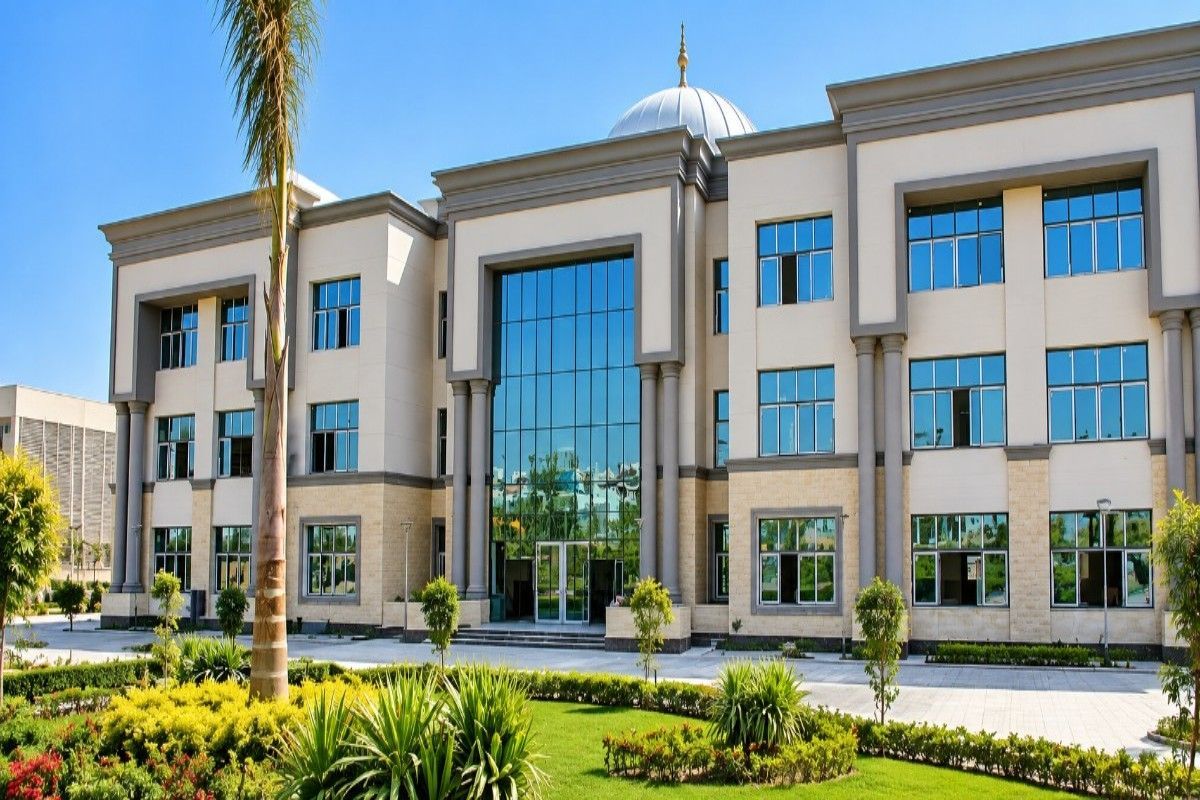
Our expert counsellors will guide you through the complete admission process — from documents to airport pickup.