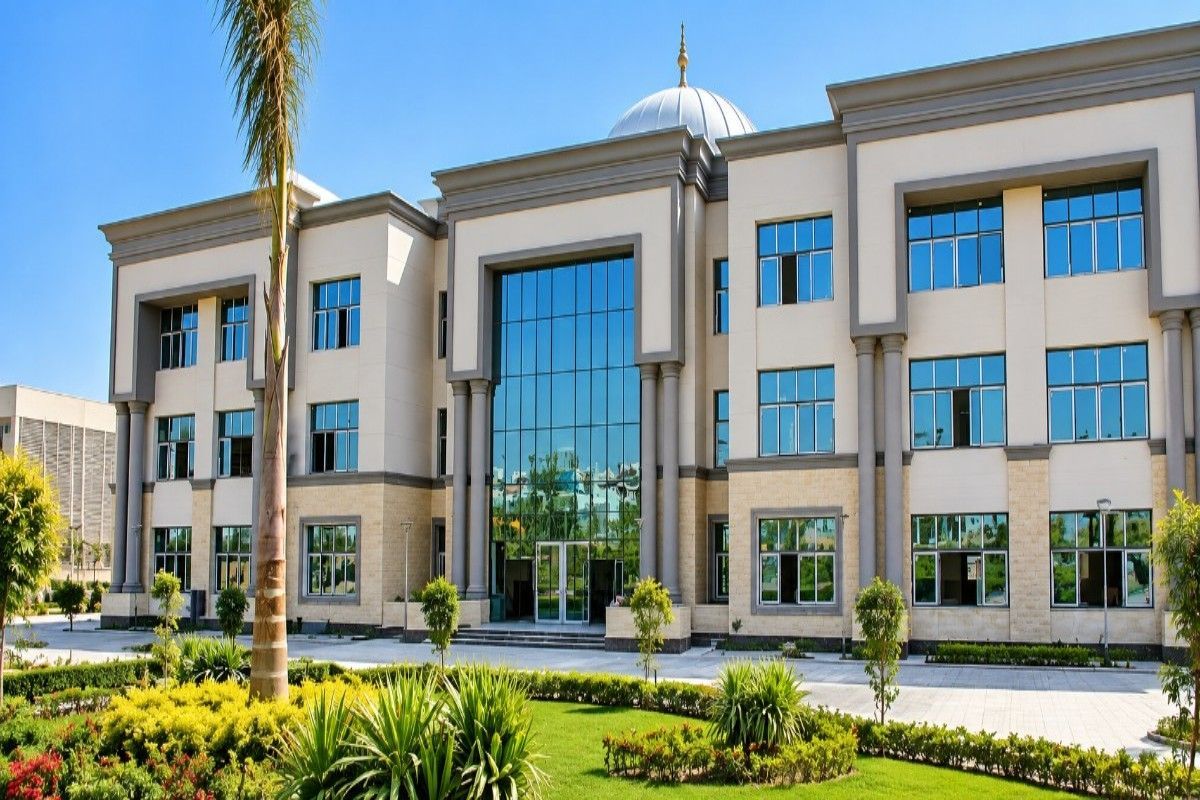
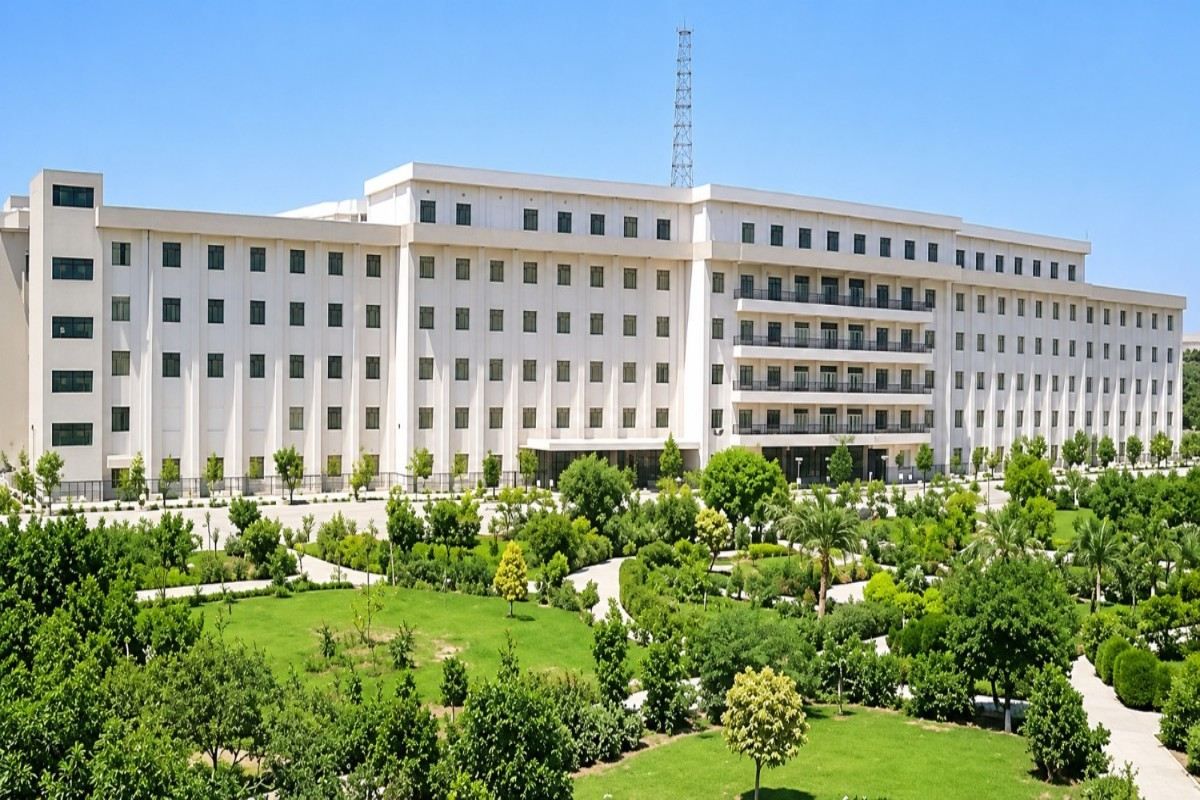
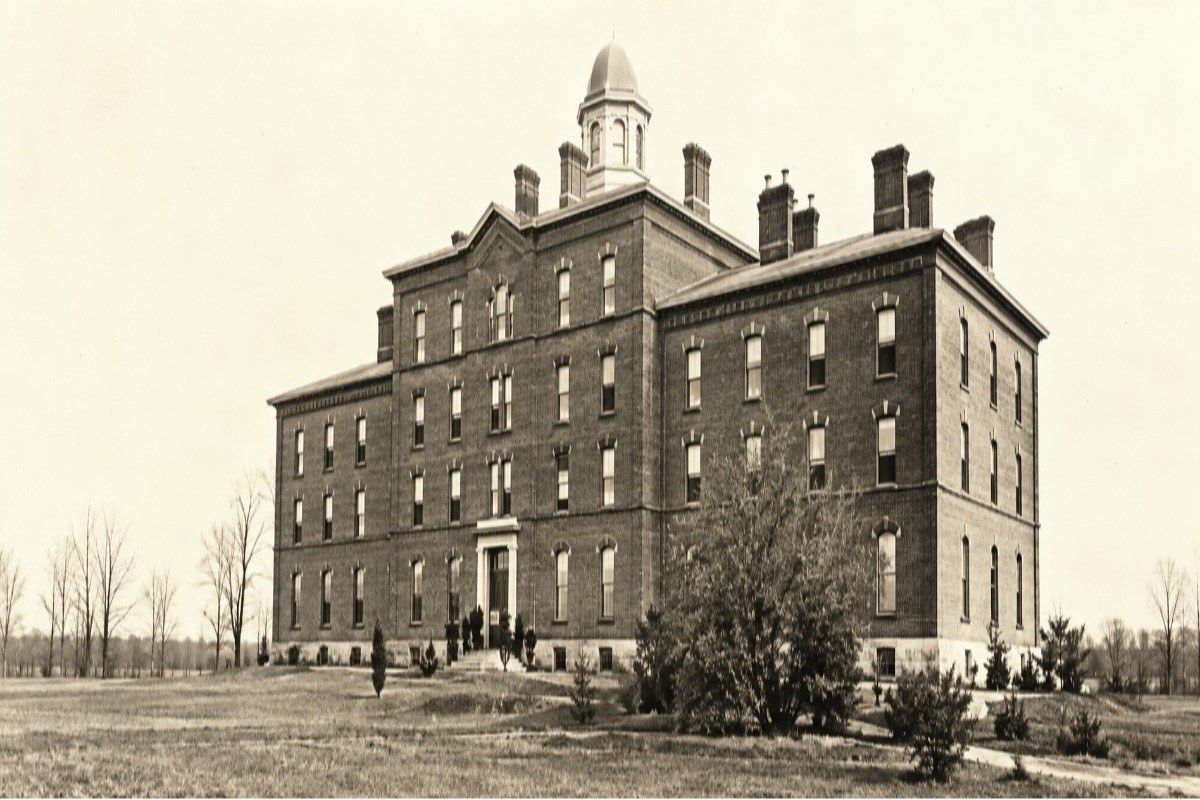
Luxor University Faculty of Medicine is among the newest medical faculties covered in this guide, established in 2019 when Luxor University gained full independent status after separating from South Valley University \u2014 the same parent institution that the Qena Faculty of Medicine, covered earlier in this guide, also descended from. The Faculty is located in New Tiba, the modern planned extension of Luxor city, deliberately distancing the university's contemporary academic infrastructure from the dense historic core of Luxor while remaining within easy reach of what is frequently described as the world's largest open-air museum: the temples of Karnak and Luxor, the Valley of the Kings, and the Theban Necropolis on the Nile's west bank.
Luxor's Faculty of Medicine explicitly frames its institutional identity around combining Egypt's ancient heritage of medical knowledge \u2014 ancient Egyptian medicine is among the earliest documented systematic medical traditions in human history, with papyri describing surgical procedures, pharmacological remedies, and anatomical observations dating back millennia \u2014 with contemporary evidence-based clinical practice. The Faculty's curriculum is built around an integrated, Problem-Based Learning (PBL) model with early clinical integration, overseen by Egypt's Supreme Council of Universities, reflecting the same modern pedagogical direction visible at several of Egypt's newer medical faculties covered in this guide.
A structurally important distinction for Luxor is programme length. Unlike the standard Egyptian 5+1 year MBBCh structure followed by most universities in this guide, Luxor's programme is published as a 7-year structure \u2014 5 years of academic study plus 2 years of mandatory clinical internship, rather than the more typical single internship year. Prospective students must factor this longer total duration into their planning and cost calculations. Clinical training takes place primarily at Luxor University Teaching Hospital, a facility still being developed and expanded, supplemented by rotations at major regional hospitals that expose students to Upper Egypt's distinctive disease profile, including tropical conditions and trauma cases linked to the region's substantial tourism and transport activity.