
1. What makes Queen's University Belfast's medical school distinctive?
+A: It is one of the UK's oldest medical schools, tracing back to 1836, with a curriculum built around early patient contact from Year 1

 Uk | Est. 1836
Uk | General Medical Council (GMC), United Kingdom | English medium
Expert will call you within 2 hours
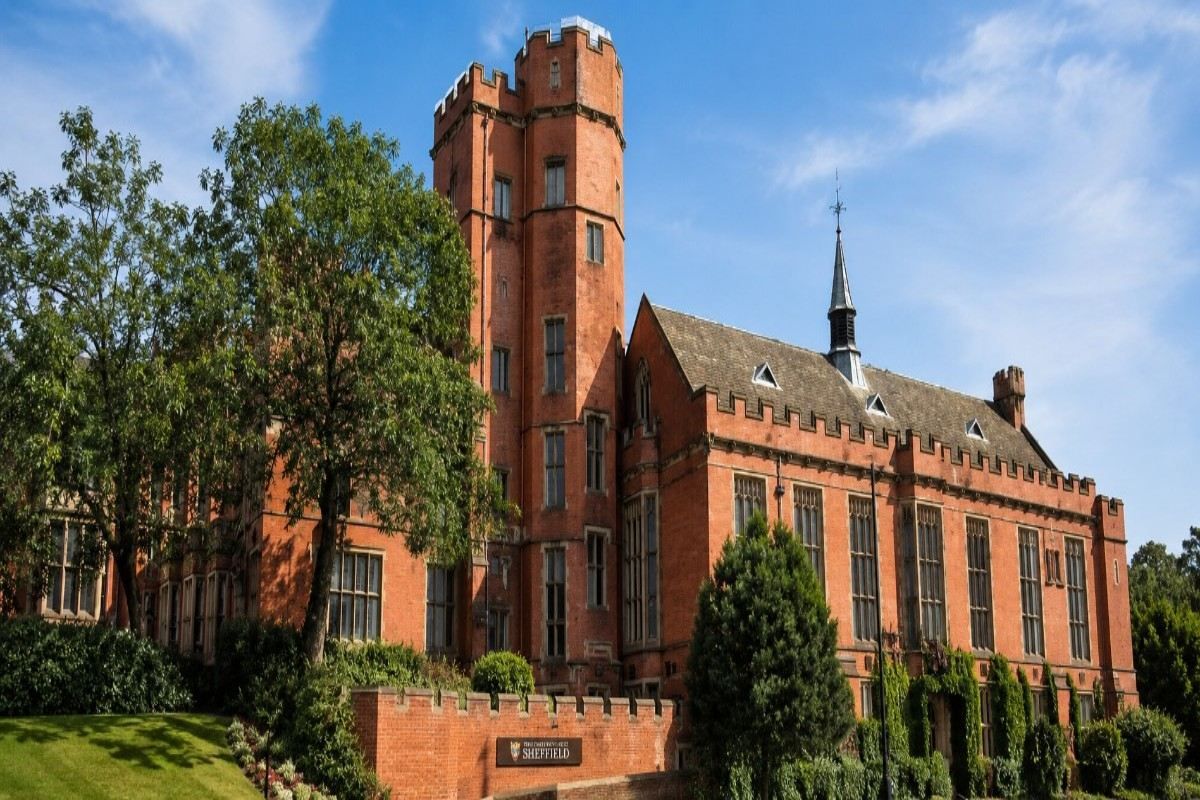
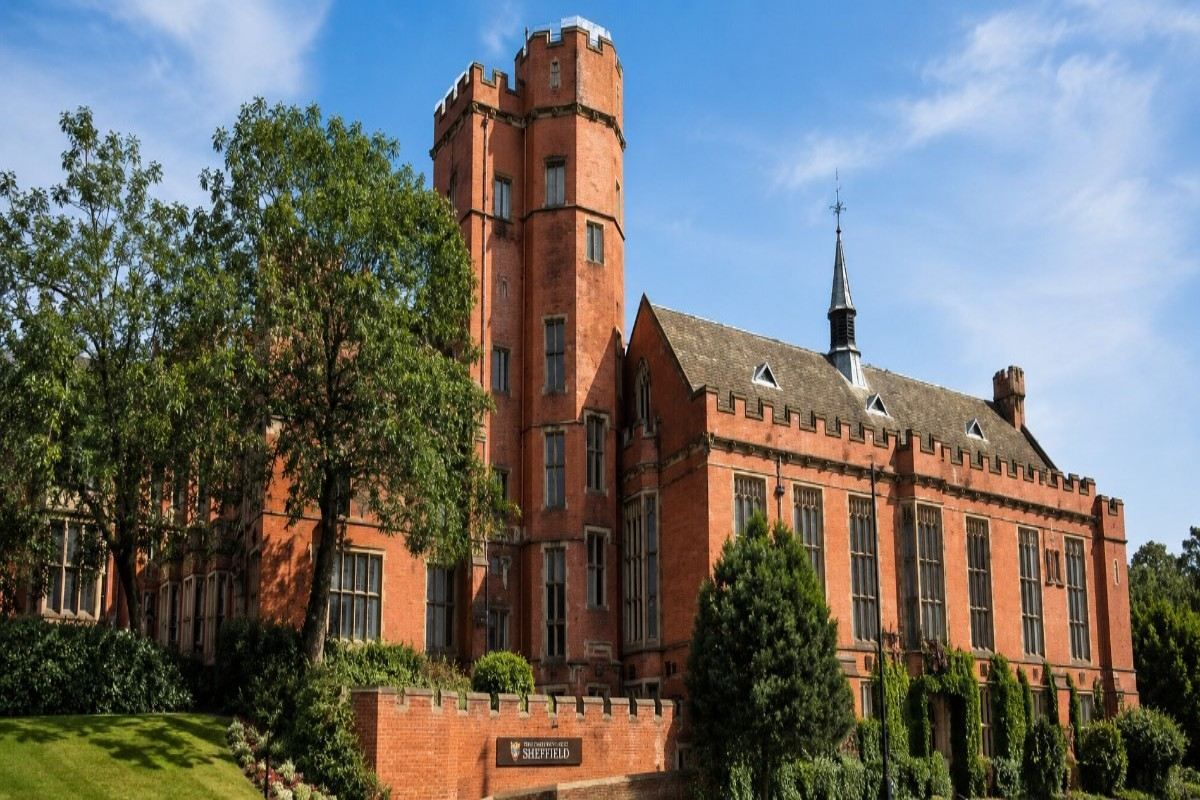
Whereas most consultancy information regarding UK medicine for Indian students would only talk about the famous five UK medical colleges (Oxford, Cambridge, Imperial, UCL and Edinburgh) and then mention Belfast, if at all, as a footnote, the truth lies in the statistics. The Belfast Medical School was founded in 1836, in a brick building behind the Royal Belfast Academical Institution, teaching thirty male students anatomy and dissection. This was well over a decade before Queen's College, Belfast, was established, merging into Queen's only in 1847, two years after the college gained its royal charter. The university itself became fully independent in 1908, with the dissolution of Queen's University of Ireland, which had comprised of three separate universities until then. As such, the School of Medicine, Dentistry and Biomedical Sciences celebrated 190 years of continuous teaching of medicine in 2026.
This being a part of Northern Ireland and not the usual English territory, makes it part of what agents call the "second tier" UK medical schools, or, simply ignored in favor of London and the Midlands. The numbers belie this perception. The School of Medicine is ranked in the top 200 universities of the world for Medicine (QS World University Rankings by Subject, 2025) and placed 4th in the UK for research in Health and Biomedical Sciences in the 2021 Research Excellence Framework. Furthermore, Queen's is a member of the Russell Group of Universities of the UK – comprising the UK's twenty-four research intensive universities (and including Oxford and Cambridge, but excluding most of the private medical colleges that Indian agents favor).
The five year programme of MB BCh BAO programme, as opposed to the two year preclinical phase of the Oxford programme, emphasizes clinical training right from year one, via the Family Attachment Scheme which gives students an understanding of how socioeconomic factors affect the patient, prior to their ever stepping into wards. Four themes: Global and Population Health, Clinical Science and Practice, Achieving Good Medical Practice and Teamwork for Safe Care, which form the "GCAT" curriculum DNA, run throughout all years and not in a single module as ethics. Years 1 and 2 (Foundations for Practice) cover body systems in combination with clinical skills; Year 3 (Immersion in Practice 1) starts a longitudinal clerkship in a district general hospital and a tertiary referral center; Year 4 teaches via four life cycle pillars: Child Health, Mental Health, Reproductive Health and Ageing and Health; and finally, Year 5 ends with a clinical elective (usually abroad) and a final year assistantship in which the students shadow and do the job of a Foundation doctor under supervision. The degree awarded is the MB BCh BAO and qualifies candidates for provisional registration with the General Medical Council (GMC), the UK's statutory regulator of doctors. At present, UK medical degrees are exempt from India's Foreign Medical Graduate Examination (FMGE), which is the screening test that most MBBS abroad graduates have to qualify in order to be eligible for registration with the National Medical Commission (NMC).
This FMGE exemption is precisely the reason why families opt for Queen's University of Belfast, even in spite of the cost factor, the latter of which being the honest bargain. International tuition fee in 2026/27 entry year is GBP 39,200 per year in the pre-clinical years and increases to GBP 47,000 as soon as clinical training commences, along with a mandatory annual levy charge of GBP 12,133 in every year, imposed by Northern Ireland's Department of Health for clinical placements. All this means that tuition fee at Queen's is several times higher than in similar medical schools in Croatia, Egypt or anywhere else in Eastern Europe. Naturally, admission is fairly stringent, with only 26 places being available for international fee-paying students annually, based on UCAT and an online seven station multiple mini interview, even if the student needs a qualifying NEET score to be considered NMC eligible, to join any foreign program.
For families that can afford it, this means a straight passage without screening to join the ranks of UK and eventually Indian medical practitioners; for families working on a smaller budget, the cost is worth comparing to FMGE route destinations that dominate the discussion regarding MBBS abroad programs.
Clinical education is carried out in Belfast's teaching hospitals – mainly the Royal Victoria Hospital, Belfast City Hospital and the Royal Belfast Hospital for Sick Children, along with over 150 general practices in the entirety of Northern Ireland, making for a genuine regional training facility as compared to the single hospital training grounds. On campus, the KN Cheung SK Chin Intersim Centre provides interprofessional simulation training, along with dedicated anatomy and clinical skills laboratories in the Whitla Medical Building on Lisburn Road. Some of the historical notable graduates include Professor Frank Pantridge, who invented the portable defibrillator, along with Professor Mollie McGeown whose research decreased kidney transplant rejection rates and Dr Elizabeth Bell, the School's first female graduate in 1893.
As for living costs, Belfast is amongst the more affordable UK study destinations: Northern Ireland is around GBP 165-178 per month cheaper in terms of student living costs compared to the UK average and accommodation costs are 30-50 percent lower than in London or the South East. Students on a UK student visa are allowed to work 20 hours a week during term time and Queen's University of Belfast guarantees university-managed accommodation to international students during their first year provided they apply by the usual summer deadline
No hidden charges, no donation. The full picture of costs at MBBS in Queen's University Belfast School of Medicine, Dentistry and Biomedical Sciences.
Tuition Fee
Approx. GBP 39,200-47 levy (Approx. Rs. 42.34-50.76 lakh plus Rs. 13.10 lakh levy)
GBP 51,333-59,133 Approx. Rs. 55.44-63.86 lakh
Hostel Fee
Approx. GBP 7,800-9,000 per year (Approx. Rs. 8.42 lakh-9.72 lakh)
GBP 7,800-9,000 Approx. Rs. 8.42-9.72 lakh
Food & Meals
GBP 3,000-4,000 Approx. Rs. 3.24-4.32 lakh
per month
Insurance
GBP 776 Approx. Rs. 83,808
per Year
Donation
No Donation
No hidden fees
Total Estimated Cost
Approx. GBP 64,000-72,000 per year (Approx. Rs. 69-78 lakh), rising from Year 3 onward
5-year
25–35%
Average FMGE first-attempt pass rates for students from many overseas medical universities. Students from structured programs consistently score higher.
Students returning to India need to clear the FMGE/NExT exam. MBBS in Queen's University Belfast School of Medicine, Dentistry and Biomedical Sciences integrates exam-oriented coaching into the regular curriculum so students are prepared from day one.
A structured program that takes you from foundational sciences to clinical mastery.
Introduction to biochemistry, genetics, cell biology, ethics, epidemiology, and public health, delivered through case-based learning and the Family Attachment Scheme
Human body systems including cardiovascular, respiratory, haematological, and musculoskeletal anatomy, integrated with early clinical and communication skills
Continued clinical and communication skills training alongside pharmacology and pathology relevant to each body system
Gastrointestinal, renal, endocrine, reproductive, and neurological systems, along with musculoskeletal system part 2 and dermatology, taught through integrated case-based modules
Diagnostic reasoning, history-taking, and examination skills delivered across a district general hospital, a tertiary referral centre, and weekly general practice attachments
Core clinical disciplines including internal medicine, surgery, dermatology, neurosciences, emergency medicine, cardiology, ENT, ophthalmology, and musculoskeletal medicine, taught through a longitudinal integrated clerkship
Therapeutics, prescribing skills, and management planning for conditions commonly presenting in primary and secondary care
Clinical training organised around four life-cycle pillars: Child Health, Mental Health, Reproductive Health, and Ageing and Health, spanning hospital and general practice settings
Progress Testing and structured preparation for the Medical Licensing Assessment (MLA), alongside advanced clinical and professional practice across major specialties
A Clinical Elective module, often undertaken abroad, followed by a Final Year Assistantship in which students perform the duties of a Foundation Doctor under supervision
Furnished hostel rooms with Wi-Fi, laundry, 24/7 security, and Indian mess on or near campus.
Indian restaurants and mess facilities serving vegetarian and non-vegetarian home-style food daily.
Strong Indian community with cultural events, festival celebrations, and peer support groups.
Students get hands-on clinical training in government and private hospitals affiliated with the university.
Practical information for students planning to study at MBBS in Queen's University Belfast School of Medicine, Dentistry and Biomedical Sciences.
Prepare for all seasons. Thermal wear for winters, light clothing for summers. University provides heating in hostels.
Student visa processed with university invitation letter. Direct and connecting flights from major Indian cities.
Health insurance included in fees. Medical facility on campus plus city hospitals easily accessible.
Local SIM cards available. WhatsApp and video calls keep you connected with family back home.
Average monthly expenses of $150–$250 covering food, transport, and personal needs.
University library, online databases, and study groups. Seniors mentor juniors through academic challenges.
Our team guides you through every step — from application to arriving on campus.
Compare universities based on fees, city, UCAT requirements, and clinical exposure, starting 12–18 months before your intended entry, not the cycle you’re applying in.
Registration opens in May; the testing window runs July–September. Most successful applicants begin focused preparation 3–4 months ahead, alongside board exam preparation.
Book and complete IELTS, PTE, or TOEFL well ahead of the UCAS deadline, allowing time for a retake if needed.
Submit your application, including personal statement and up to 4 medicine choices, before the 15 October deadline.
Prepare for and attend interviews (MMI or Panel format) typically scheduled November through February.
Offers (conditional or unconditional) typically arrive through winter and spring; conditional offers require meeting stated academic and English-score conditions.
Once Class 12 results and any other conditions are confirmed, your university issues the Confirmation of Acceptance for Studies (CAS), which is required for your visa application.
Apply using your CAS reference number; arrange maintenance funds according to the 28-day rule well in advance rather than at the last minute.
Book flights, confirm accommodation, complete any on-arrival formalities during orientation week, open a local bank account, and begin building connections with your university’s Indian/South Asian student community.
Admission Helpline — Contact our counsellors for step-by-step assistance.
“The faculty here is incredibly supportive. The clinical training during hospital rotations has given me real confidence in patient care.”
“Affordable fees without compromising on quality. The campus facilities and hostel life made my transition abroad very smooth.”
“English medium instruction and WHO-recognized curriculum were the deciding factors for me. No regrets so far — excellent experience overall.”
“The university helped with everything from visa to accommodation. Hospital exposure from year three has been invaluable for my FMGE prep.”
“Just cleared my licensing exam on the first attempt. The structured coaching and mock exams during final year were a game-changer.”
“Safe campus, good food options, and a strong Indian student community. The teaching methodology is very practical and hands-on.”
A: It is one of the UK's oldest medical schools, tracing back to 1836, with a curriculum built around early patient contact from Year 1
A: Yes. It is a GMC-recognised primary medical qualification, giving graduates eligibility for provisional registration with the General Medical Council
A: UK medical degrees are currently exempt from the FMGE screening test, though NMC regulations should be verified before enrolment
A: Yes. All applicants, including international candidates, must sit the UCAT alongside their academic qualifications
A: Only 26 international-fee places are offered annually, making admission highly competitive
A: No. International applicants are interviewed online through a seven-station Multiple Mini Interview
A: Indian students generally need a qualifying NEET score for NMC eligibility purposes, even when applying to UK institutions
A: Belfast offers significantly lower living costs than the UK average, alongside a compact campus and established international student community
A: Yes, Queen's guarantees university accommodation for international students in Year 1, subject to application deadlines
A: Applicants generally need academic transcripts, UCAT scores, an IELTS certificate, and a valid passport, alongside their UCAS application
Our expert counsellors will guide you through the complete admission process — from documents to airport pickup.