
1. What makes Swansea University Medical School unique?
+A: It offers only Graduate Entry Medicine, a 4-year MBBCh open to graduates of any discipline.
 Uk | Est. 2004
Uk | General Medical Council (GMC); listed in the World Directory of Medical Schools (WDOMS) | English medium
Expert will call you within 2 hours
The Swansea University Medical School is unique compared to other UK medical schools because it does not have a programme for students that want to go into Medicine immediately after Class 12. Swansea University offers exclusively the Graduate Entry Medicine (GEM) programme. That means that all applicants to the programme must already hold a bachelor's degree; generally a good one, like 2:1 or equivalent. Hence, an applicant holding commerce, engineering or science bachelor's degrees can apply, but not the one who recently finished Class 12.
The primary strength is the duration. GEM of Swansea is four years long as opposed to the five years long traditional undergraduate Medicine programme in UK. The programme began in 2001 and was developed specifically for those applicants who wanted a graduate-entry route into medicine. For 2026 entry, there are only 150 spots in total, and only 19 of them are meant for international applicants. Hence, the international applicants compete fiercely for these places.
The admission process is also quite different from the one in most UK medical schools. The home applicants may choose between GAMSAT and UCAT tests. The international applicants have one more choice, the MCAT test. Those who pass the selection process have to come to the university for an Assessment Day which consists of three big stations combining interview, presentation and role-play. Also, there is no upper age limit which is what makes Swansea attractive for career changers or applicants who wish to pursue medicine having completed other degree before.
As said above, the programme lasts for four years and consists of two phases: Year 1 and 2 are Phase I, Year 3 and 4 are Phase II. Three parallel themes underlie teaching: Doctor as Scholar and Scientist, Doctor as Practitioner, and Doctor as Professional. Early science education is based on six broad body system areas, and case-based learning is used, not just lectures.
Clinical exposure starts quite early as well. Students spend time in GP placements in the first years and start their clinical apprenticeships before finishing the programme. Specialties receive attention in the last years, such as acute medicine, surgery, women's health, and child health. Also, a junior assistantship and a week of nursing are offered to get some experience of functioning within the healthcare team.
The main advantage of Graduate Entry Medicine is its quickness. As a result, the applicant with the bachelor's degree can start medicine, complete it in four years and become qualified much faster than in the case of traditional programme which would take five or six years. That saves a year of tuition and living expenses. But the programme is intensive as the whole medical curriculum is squeezed, so it requires well-developed self-learning skills.
Clinical training of Swansea University Medical students is provided by the Swansea Bay University Health Board. Important hospitals include Morriston Hospital which is the centre for major traumas and specialists and Singleton Hospital offering services like maternity and cancer. Placement also takes place in Llanelli, Haverfordwest and Aberystwyth.
The financial situation is controversial. Tuition fees of international applicants increase approximately 3% annually over the four years of study, so the total fee is quite expensive. However, Swansea is quite inexpensive compared to the cities like London, and even several other major UK cities. Accommodation in the university is available starting from less than £100 per week, and lower living costs of the city compensate for the high international tuition.
For an Indian student, the most important issue is eligibility. Swansea University is not a choice immediately after Class 12, as all applicants must already have a bachelor's degree. So, for someone who already holds a degree and wants to enter medicine quicker than on a five- or six-year basis, the four-year MBBCh of Swansea University is really an advantage. But for school-leaver wanting to pursue traditional five or six-year MBBS, Swansea must be dropped from the list of possible choices.
No hidden charges, no donation. The full picture of costs at MBBS in Swansea University Medical School.
Tuition Fee
Approx. GBP 48,350 for Year 1, 2026 entry, rising approx. 3% each year (Approx. Rs. 61.00 lakh)
GBP 48,350 Approx. Rs. 61.00 lakh
Hostel Fee
Approx. GBP 4,000-6,000 per year (Approx. Rs. 5.05 lakh-7.57 lakh)
GBP 4,000-6,000 Approx. Rs. 5.05 lakh-7.57 lakh
Food & Meals
GBP 1,800-3,000 Approx. Rs. 2.27 lakh-3.78 lakh
per year
Insurance
GBP 776 Approx. Rs. 97,900 (per visa year)
per year
Donation
No Donation
No Hidden Fees
Total Estimated Cost
Approx. GBP 219,700-241,400 for the complete 4-year programme (Approx. Rs. 2.77-3.05 crore)
4 year
25–35%
Average FMGE first-attempt pass rates for students from many overseas medical universities. Students from structured programs consistently score higher.
Students returning to India need to clear the FMGE/NExT exam. MBBS in Swansea University Medical School integrates exam-oriented coaching into the regular curriculum so students are prepared from day one.
A structured program that takes you from foundational sciences to clinical mastery.
• Community-based general practice placements roughly one day every fourth or fifth week, alongside early apprenticeship shadowing Foundation Year 1 doctors
• Core biomedical science organised around six body systems: Behaviour, Defence, Development, Movement, Nutrition, and Support
• Increasing structured clinical placement time within general practice and hospital settings
• Continued case-based learning deepening pathology, therapeutics, public health and psycho-social aspects of patient management
• Continued case-based learning weeks alongside expanding structured clinical placements across Swansea Bay hospitals
• Transition into specialty attachments including acute medicine, acute surgery, women's health, and child health
• Final preparation for the UK Foundation Programme, including a week of nursing practice and structured clinical apprenticeships
• Junior assistantship and further specialty attachments consolidating clinical competence and decision-making
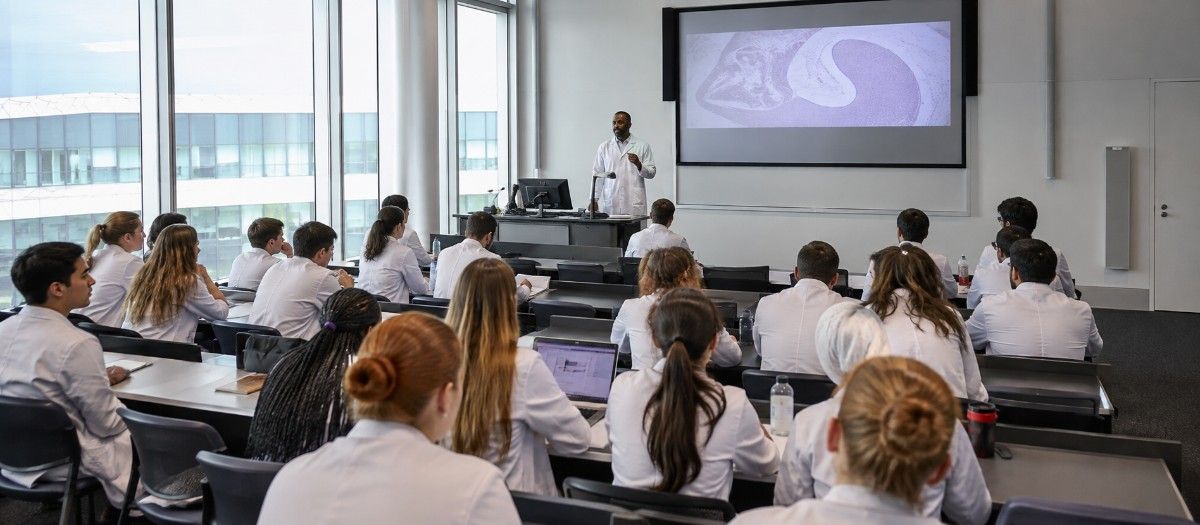
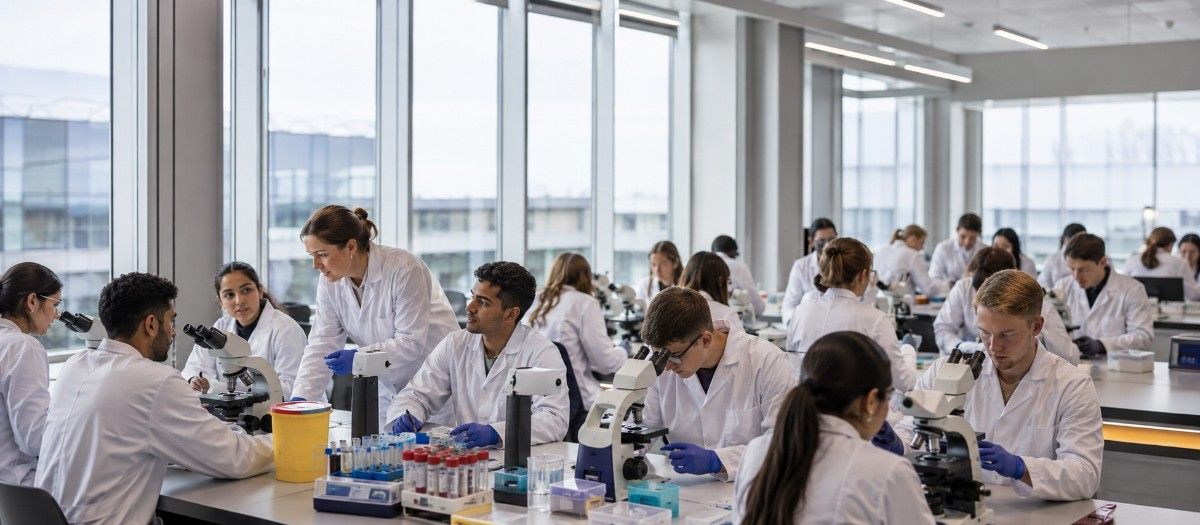
Furnished hostel rooms with Wi-Fi, laundry, 24/7 security, and Indian mess on or near campus.
Indian restaurants and mess facilities serving vegetarian and non-vegetarian home-style food daily.
Strong Indian community with cultural events, festival celebrations, and peer support groups.
Students get hands-on clinical training in government and private hospitals affiliated with the university.
Practical information for students planning to study at MBBS in Swansea University Medical School.
Prepare for all seasons. Thermal wear for winters, light clothing for summers. University provides heating in hostels.
Student visa processed with university invitation letter. Direct and connecting flights from major Indian cities.
Health insurance included in fees. Medical facility on campus plus city hospitals easily accessible.
Local SIM cards available. WhatsApp and video calls keep you connected with family back home.
Average monthly expenses of $150–$250 covering food, transport, and personal needs.
University library, online databases, and study groups. Seniors mentor juniors through academic challenges.
Our team guides you through every step — from application to arriving on campus.
Compare universities based on fees, city, UCAT requirements, and clinical exposure, starting 12–18 months before your intended entry, not the cycle you’re applying in.
Registration opens in May; the testing window runs July–September. Most successful applicants begin focused preparation 3–4 months ahead, alongside board exam preparation.
Book and complete IELTS, PTE, or TOEFL well ahead of the UCAS deadline, allowing time for a retake if needed.
Submit your application, including personal statement and up to 4 medicine choices, before the 15 October deadline.
Prepare for and attend interviews (MMI or Panel format) typically scheduled November through February.
Offers (conditional or unconditional) typically arrive through winter and spring; conditional offers require meeting stated academic and English-score conditions.
Once Class 12 results and any other conditions are confirmed, your university issues the Confirmation of Acceptance for Studies (CAS), which is required for your visa application.
Apply using your CAS reference number; arrange maintenance funds according to the 28-day rule well in advance rather than at the last minute.
Book flights, confirm accommodation, complete any on-arrival formalities during orientation week, open a local bank account, and begin building connections with your university’s Indian/South Asian student community.
Admission Helpline — Contact our counsellors for step-by-step assistance.
“The faculty here is incredibly supportive. The clinical training during hospital rotations has given me real confidence in patient care.”
“Affordable fees without compromising on quality. The campus facilities and hostel life made my transition abroad very smooth.”
“English medium instruction and WHO-recognized curriculum were the deciding factors for me. No regrets so far — excellent experience overall.”
“The university helped with everything from visa to accommodation. Hospital exposure from year three has been invaluable for my FMGE prep.”
“Just cleared my licensing exam on the first attempt. The structured coaching and mock exams during final year were a game-changer.”
“Safe campus, good food options, and a strong Indian student community. The teaching methodology is very practical and hands-on.”
A: It offers only Graduate Entry Medicine, a 4-year MBBCh open to graduates of any discipline.
A: No. Swansea requires a completed bachelor's degree (2:1 or equivalent) before applying to Medicine.
A: Yes. Teaching is in English, with an optional Welsh-medium module for eligible students.
A: Yes. The MBBCh is accredited by the GMC and listed in the World Directory of Medical Schools.
A: Yes. Indian students should clear NEET, and future recognition of the degree remains subject to prevailing NMC regulations.
A: GAMSAT, UCAT, or MCAT are all accepted; MCAT is a route unique to international applicants.
A: Yes. International tuition typically rises by approximately 3% in each subsequent year of study.
A: Very. Only around 19 international places are available each year against 117 home places.
A: No. Swansea does not accept deferred entry applications for Graduate Entry Medicine.
A: Applicants usually need degree transcripts, passport copies, admissions test scores, and English proficiency scores.
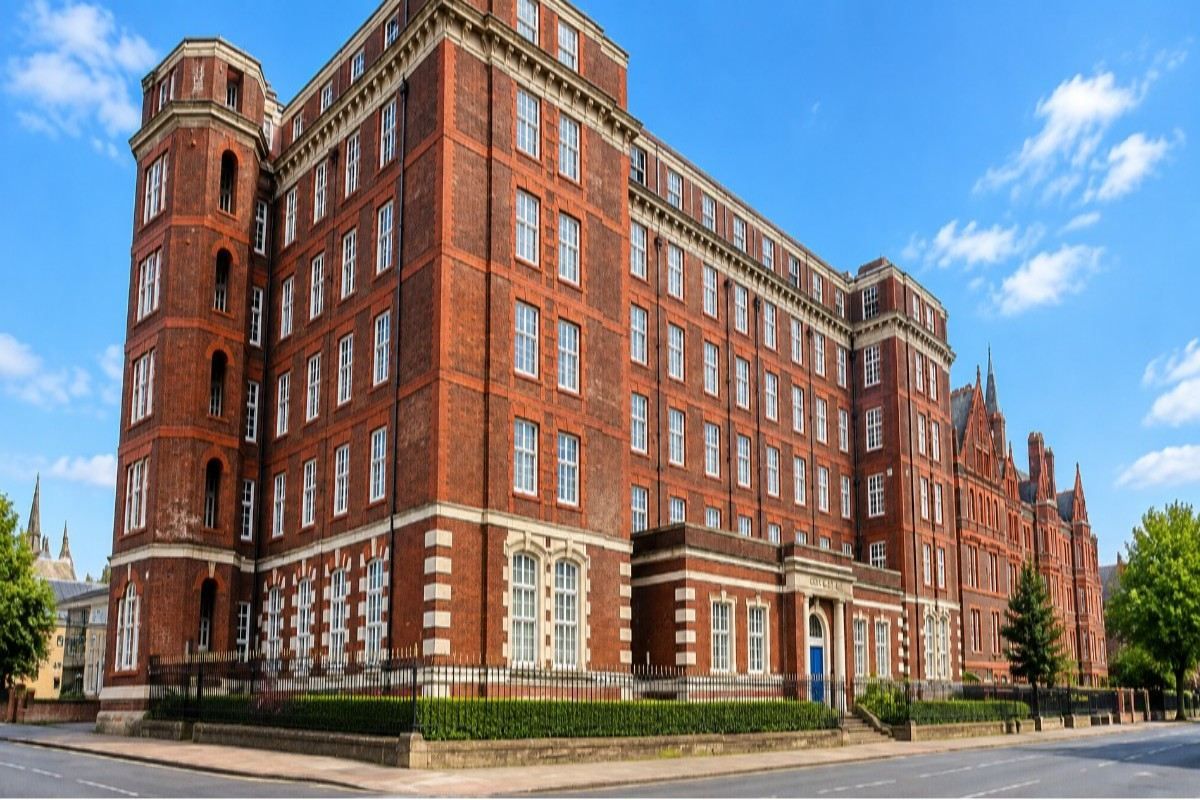
Our expert counsellors will guide you through the complete admission process — from documents to airport pickup.