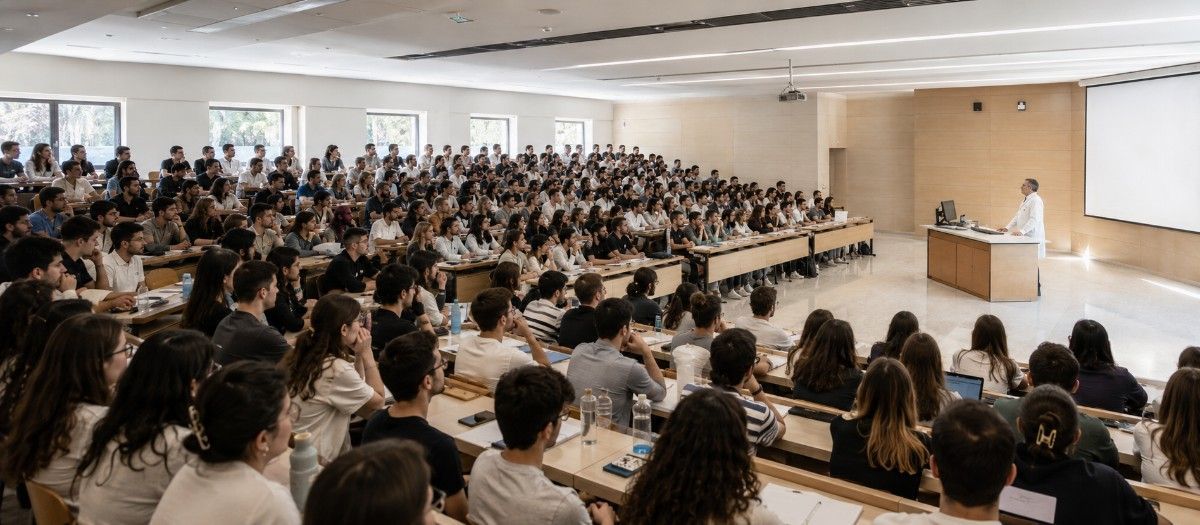
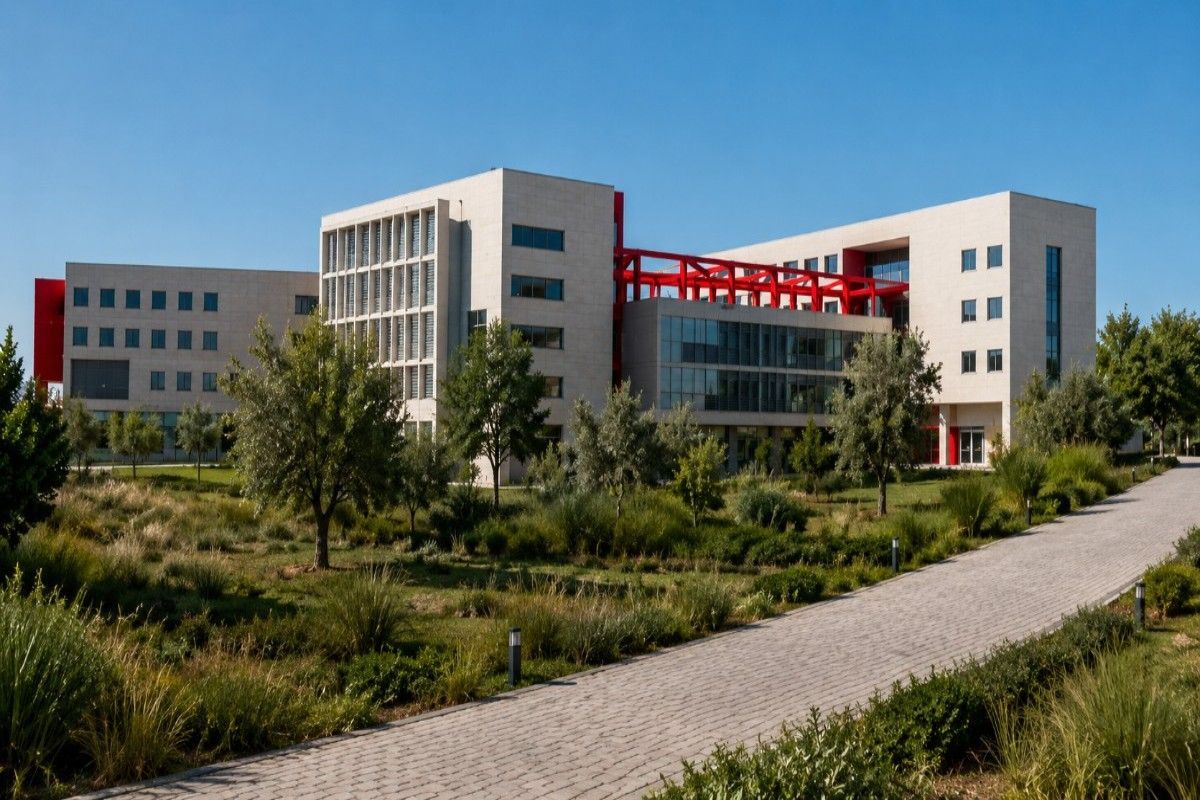
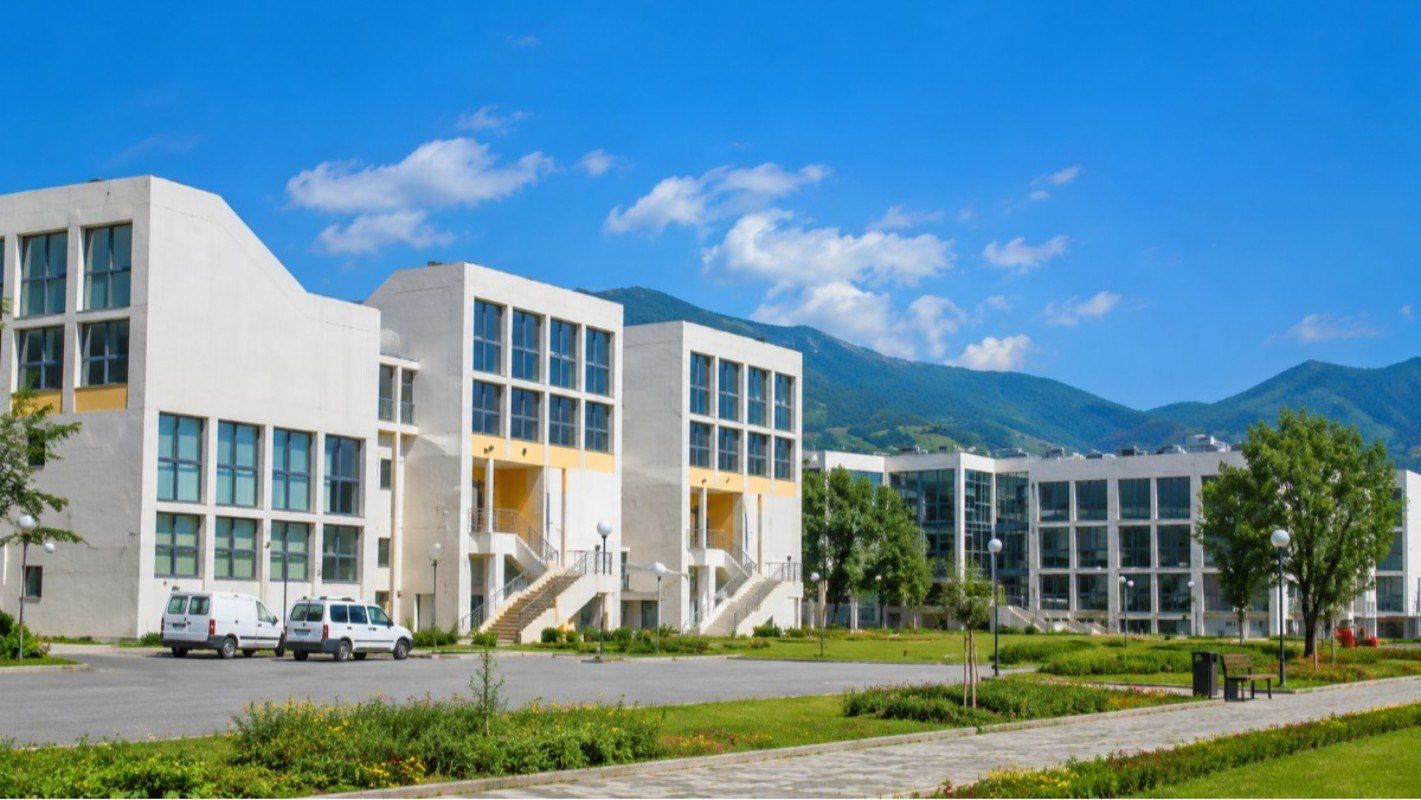
The School of Medicine at the University of Crete is one of Greece's leading centres for medical education, biomedical research, and clinical innovation. Located in Heraklion on the island of Crete, the university has earned an outstanding reputation for combining modern medical education with internationally recognised scientific research, advanced healthcare training, and strong international collaboration. Although younger than many European medical schools, the University of Crete has rapidly established itself as one of Greece's most respected institutions for medicine and life sciences.
Founded in 1973, the University of Crete was established with the vision of creating a modern research-oriented university that would contribute significantly to higher education, scientific discovery, and healthcare in Greece. The School of Medicine has become one of the university's flagship faculties through its emphasis on research excellence, innovative teaching methodologies, interdisciplinary collaboration, and patient-centred clinical education. Today, it attracts students and researchers from Greece and abroad who seek high-quality medical education within a supportive academic environment.
The six-year Doctor of Medicine (MD) programme is designed to prepare future physicians with comprehensive biomedical knowledge, advanced clinical competence, ethical professionalism, communication skills, and scientific research abilities. The curriculum aligns with European Union standards for medical education while integrating evidence-based medicine, modern healthcare technologies, public health, digital medicine, and interdisciplinary learning.
Medical education begins with intensive study of the foundational biomedical sciences. Students receive comprehensive instruction in anatomy, physiology, biochemistry, histology, embryology, molecular biology, genetics, microbiology, immunology, pathology, pharmacology, behavioural sciences, epidemiology, preventive medicine, and medical ethics. These subjects provide students with a strong scientific understanding of human biology and disease mechanisms before progressing into clinical medicine.
The university follows an integrated educational model where lectures are combined with anatomy dissections, laboratory practicals, simulation-based learning, problem-based learning (PBL), clinical case discussions, small-group tutorials, and digital educational resources. This approach encourages students to develop analytical thinking, scientific reasoning, teamwork, communication, and lifelong learning skills throughout their medical education.
Clinical exposure begins during the early years through communication workshops, physical examination training, patient interviewing, simulation exercises, and supervised healthcare observations. These experiences gradually introduce students to patient care while strengthening professional behaviour, ethical decision-making, and clinical confidence.
Clinical education is conducted through the University Hospital of Heraklion (PAGNI) and affiliated teaching hospitals, which together provide comprehensive tertiary healthcare services for the region. Students receive supervised practical training across internal medicine, general surgery, paediatrics, obstetrics and gynaecology, cardiology, neurology, psychiatry, orthopaedics, emergency medicine, anaesthesiology, ophthalmology, dermatology, radiology, oncology, nephrology, endocrinology, pulmonology, gastroenterology, infectious diseases, rehabilitation medicine, family medicine, and community healthcare.
Throughout these clinical rotations, students actively participate in ward rounds, outpatient clinics, operating theatres, emergency departments, multidisciplinary clinical meetings, diagnostic procedures, and patient management. This extensive hospital-based education enables students to apply scientific knowledge while developing clinical competence and confidence in real healthcare settings.
The University Hospital of Heraklion is recognised for its modern healthcare infrastructure and specialised medical services. Students benefit from exposure to advanced diagnostic imaging technologies, intensive care units, specialised surgical departments, oncology services, cardiovascular centres, molecular diagnostic laboratories, and simulation facilities that support both education and patient care.
Research is one of the defining strengths of the School of Medicine. Faculty members conduct internationally recognised research in neuroscience, molecular biology, genetics, oncology, cardiovascular medicine, immunology, infectious diseases, regenerative medicine, endocrinology, public health, epidemiology, pharmaceutical sciences, precision medicine, digital healthcare, and biomedical innovation. Students are encouraged to participate in faculty-supervised research projects, laboratory work, scientific conferences, publications, and international collaborations throughout their education.
The university maintains strong partnerships with research organisations including the Foundation for Research and Technology – Hellas (FORTH), one of Greece's leading scientific research institutions. This close collaboration provides students with unique opportunities to engage in multidisciplinary biomedical research and cutting-edge scientific innovation while studying medicine.
International collaboration remains an important component of the university's academic mission. Through Erasmus+ programmes, exchange partnerships, collaborative research projects, international electives, and cooperation with universities across Europe and beyond, students gain valuable international experience while broadening their understanding of diverse healthcare systems and medical practice.
The curriculum incorporates modern developments in medicine including personalised healthcare, digital medicine, artificial intelligence in healthcare, evidence-based clinical practice, healthcare management, preventive medicine, patient safety, interdisciplinary teamwork, and quality improvement. These topics ensure graduates are well prepared for rapidly evolving healthcare environments.
Simulation-based learning is integrated throughout the programme using advanced clinical skills laboratories equipped with modern patient simulators. Students practise emergency procedures, advanced life support, procedural skills, communication techniques, and multidisciplinary teamwork before entering clinical practice. These experiences enhance practical competence while promoting patient safety.
Student life at the University of Crete combines academic excellence with a welcoming Mediterranean environment. Students participate in scientific organisations, research groups, volunteer healthcare initiatives, sports clubs, cultural associations, international student programmes, leadership activities, and community engagement projects that contribute to both professional and personal growth.
Heraklion offers an excellent environment for higher education with its modern healthcare facilities, Mediterranean climate, rich historical heritage, safe living conditions, vibrant student community, and affordable cost of living compared with many European cities. The island of Crete also provides a unique balance between academic study and quality of life, making it an attractive destination for international students.
The university offers extensive student support services including academic advising, international student assistance, accommodation guidance, counselling, digital libraries, language support, wellbeing services, sports facilities, and career counselling. These services assist students throughout their education while promoting academic achievement and personal wellbeing.
Graduates of the University of Crete School of Medicine are well prepared for specialist medical training, postgraduate education, biomedical research, academic medicine, healthcare leadership, and international clinical practice. Their education combines scientific excellence, practical clinical training, ethical professionalism, and research experience that support successful careers in healthcare worldwide.
Today, the University of Crete continues to strengthen its international reputation through excellence in medical education, research, innovation, and patient care. Its commitment to high academic standards and scientific advancement ensures that graduates are equipped to become skilled physicians and future leaders in modern medicine.