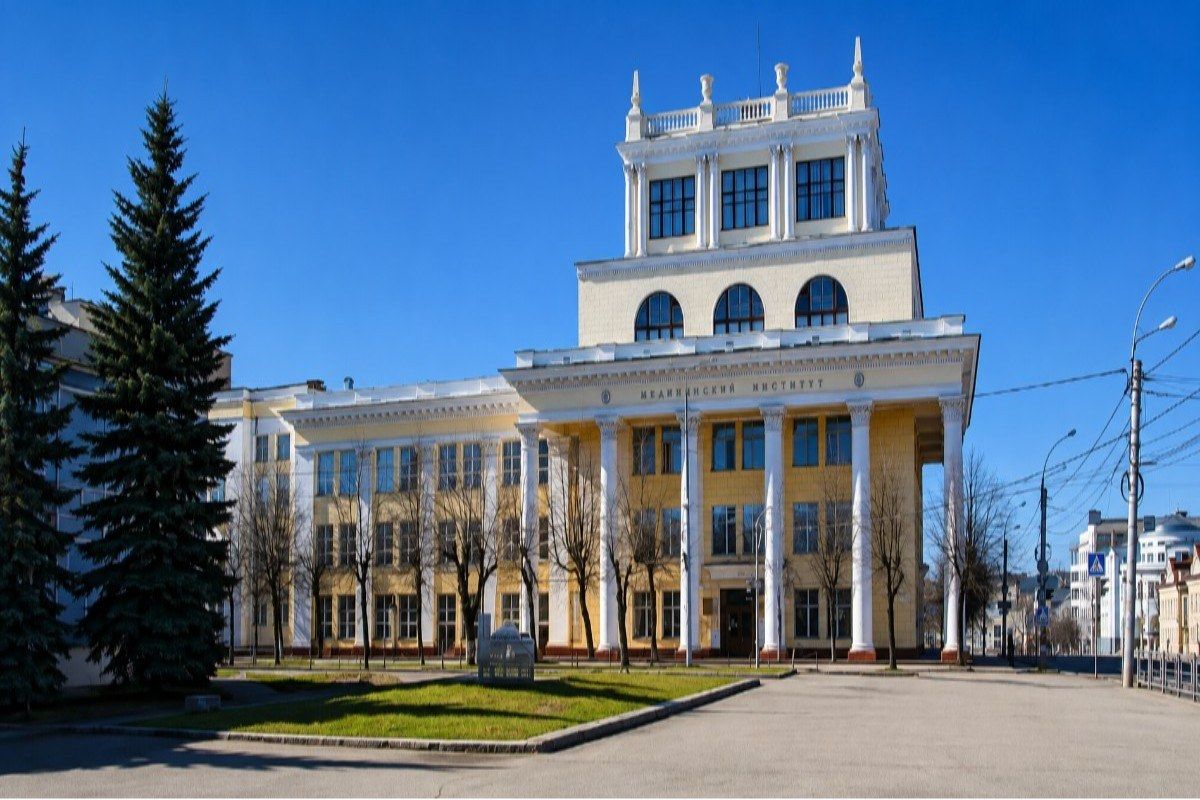
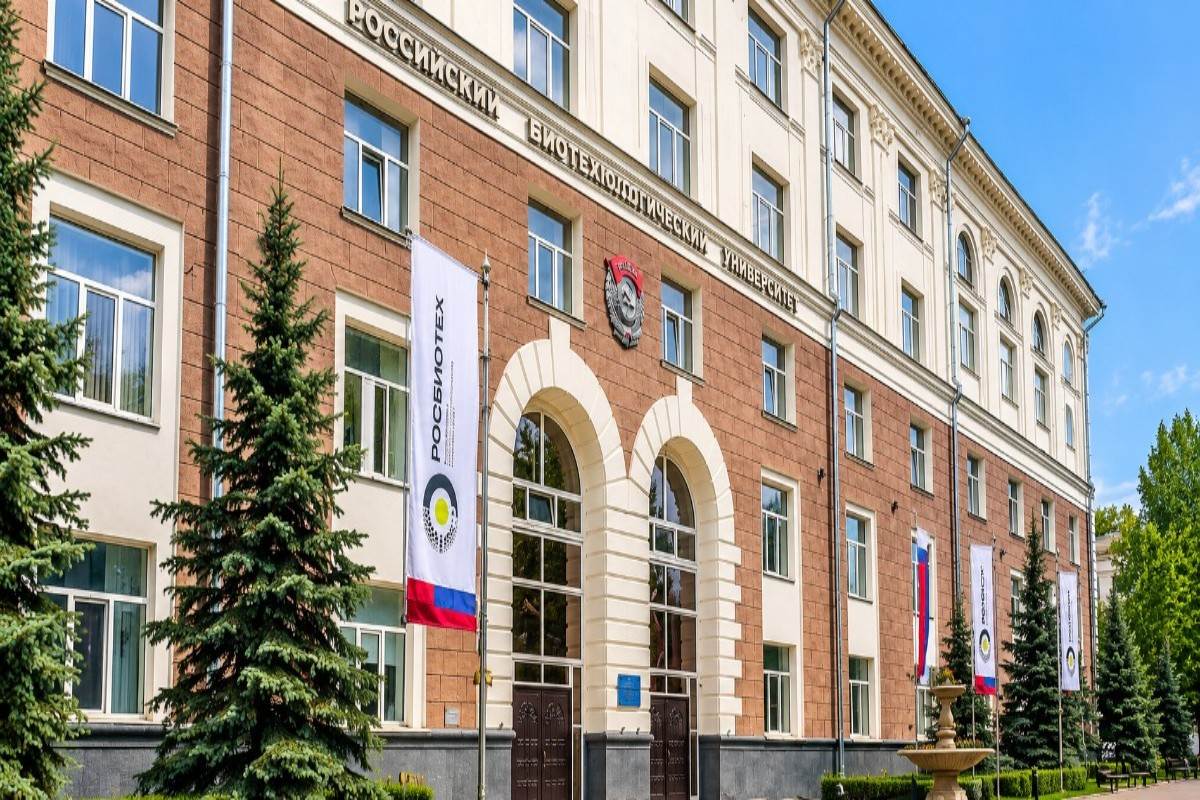
Not many private medical universities in Russia have managed to build the kind of track record that REAVIZ has. The parent institution started in Samara back in 1993; and it did something quite remarkable at the time: it became the first non-state medical university in the whole country to earn full state accreditation. That is not a small thing in a system where state universities have historically dominated. The St. Petersburg branch came later, opening its doors on April 15, 2011, and has been running steadily ever since.
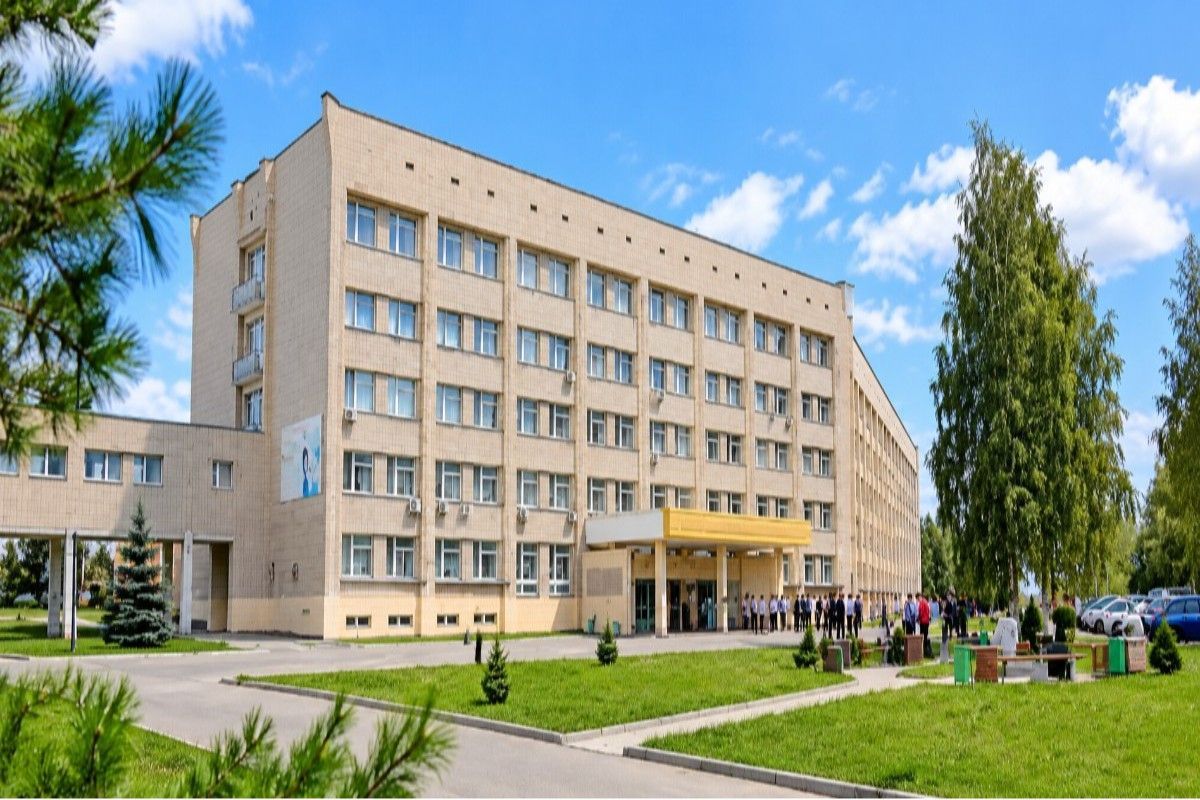
The campus sits on Kondratievsky Avenue in St. Petersburg. It is not a sprawling out-of-town setup; it is in the city, which matters more than people sometimes realise when you are living somewhere for six years. St. Petersburg is genuinely one of the more interesting places to spend your student years. Built on a river delta, the city stretches along the Neva before it meets the Gulf of Finland, and the architecture alone gives the place a character that most university towns simply cannot compete with. For Indian students especially, the combination of cultural richness and manageable living costs makes it worth considering.
REAVIZ as a network has grown over the years. Beyond Samara and St. Petersburg, there are branches in Moscow and Saratov too. More than 4,000 graduates have gone on to work in hospitals and clinics across Russia, CIS countries, and other parts of the world. That kind of alumni footprint does not happen by accident; it points to a university that actually prepares people for medical careers rather than just handing out degrees.
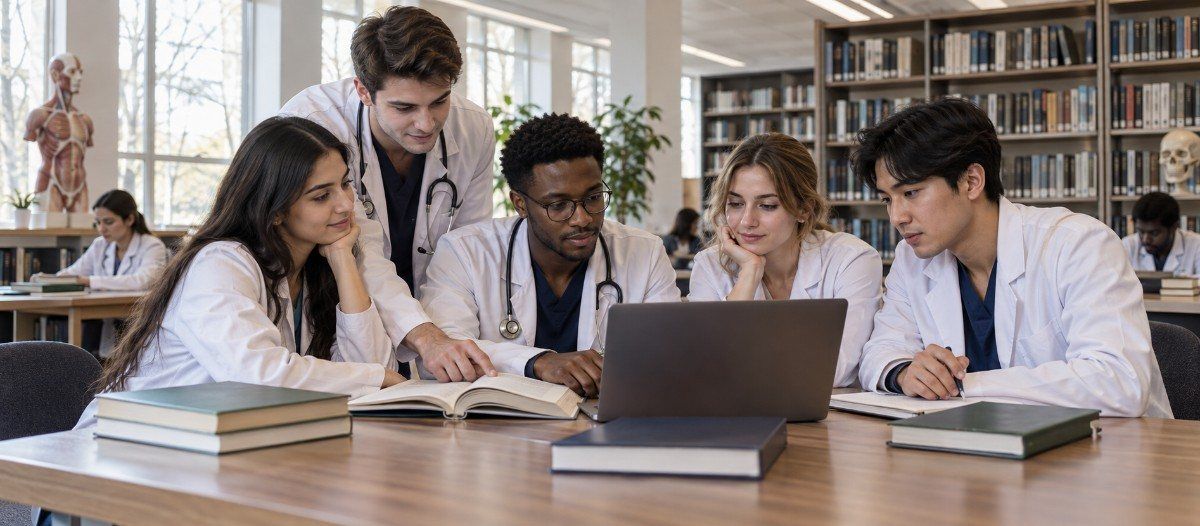
Teaching at the St. Petersburg branch works across two settings: the university's own departments and the affiliated hospitals and clinical centres spread through the city. This matters because it means students are not stuck in classrooms until year four before they see the inside of a ward. Clinical contact starts early, and that changes how you learn medicine. You connect what you study to what you see, and that is a harder habit to build later if it is not there from the beginning.
Programs on offer include General Medicine (the Russian MD, which is the MBBS equivalent), Dentistry, and Pharmacy. There is also a Faculty for Postgraduate and Additional Education. Within these, the university runs chairs in Clinical Pharmacology, Rehabilitation and Nursing, Surgical Diseases, Morphology and Pathology, and more. The breadth is solid for an institution of this size.