Q1. When was Nam Can Tho University founded?
+In 2013, in Can Tho City, with its Faculty of Medicine established shortly after.
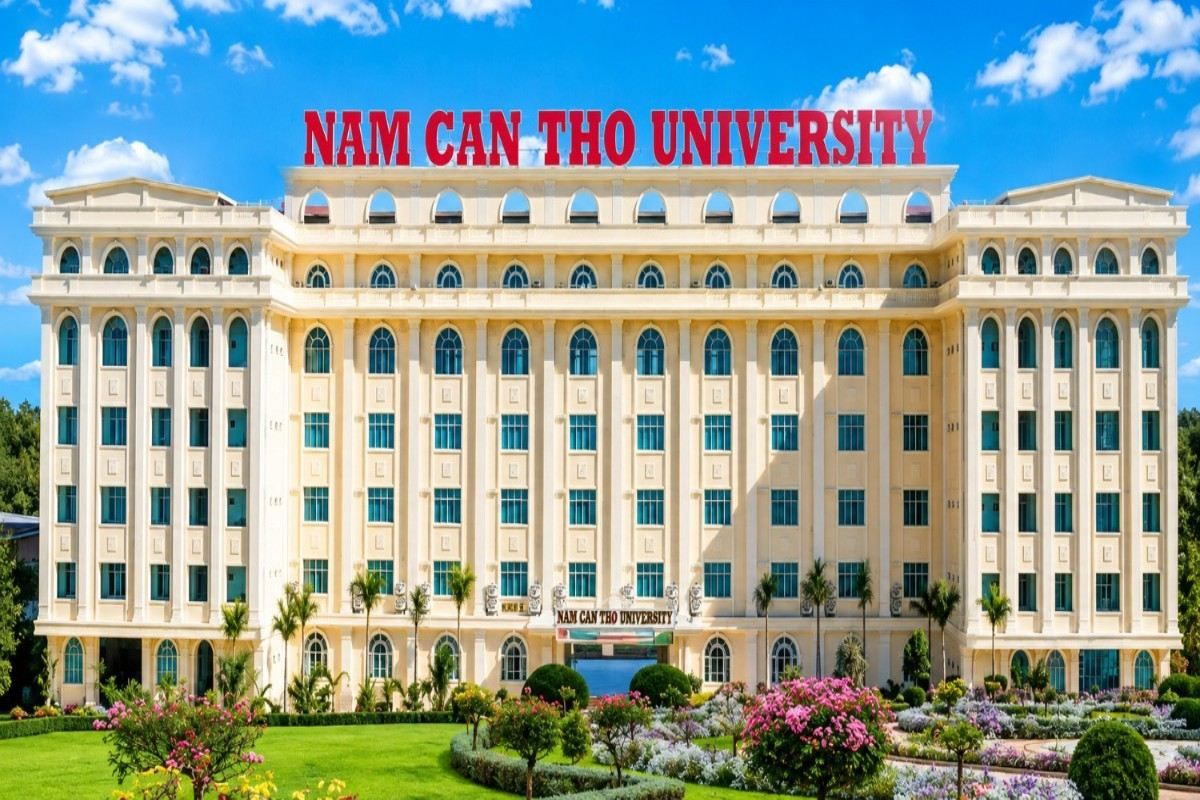
 Vietnam | Est. 2013
Vietnam | A private university accredited by Vietnam's Ministry of Education and Training, with its medical programme recognised by the WHO and India's National Medical Commission. | : English carries the entire International Medicine Program. medium
Expert will call you within 2 hours
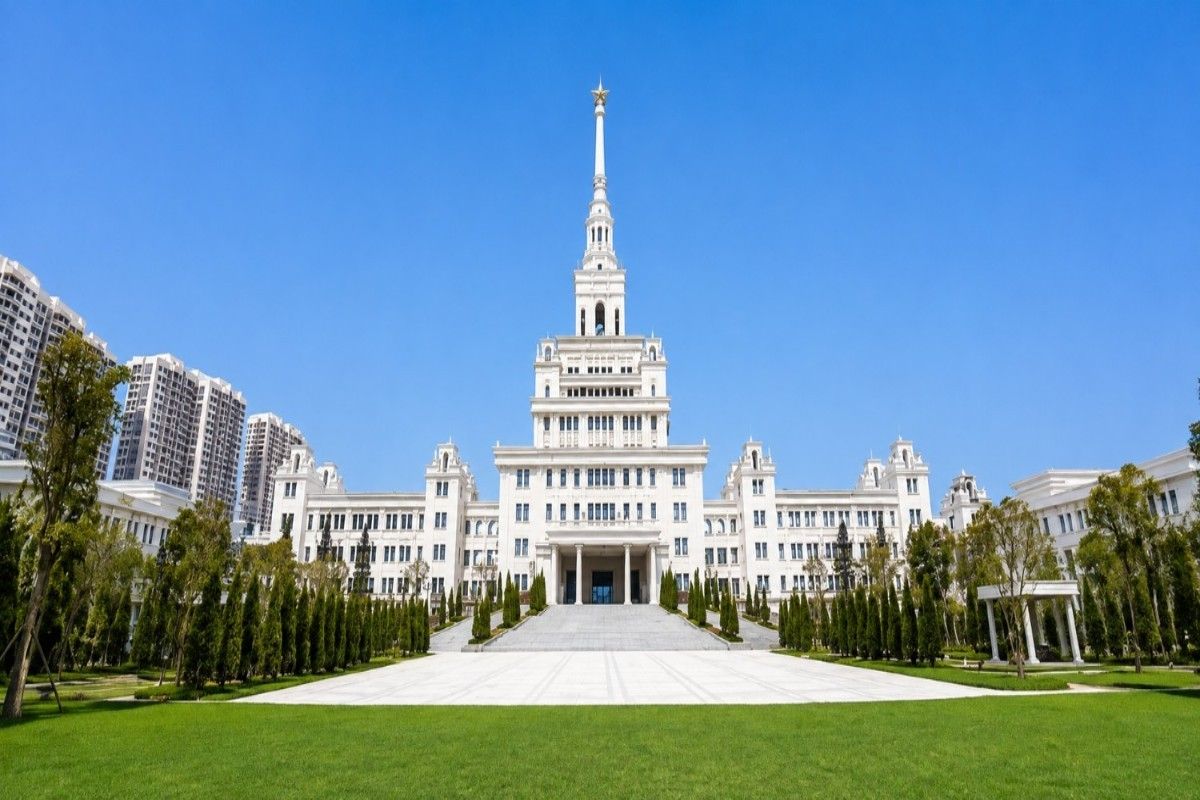
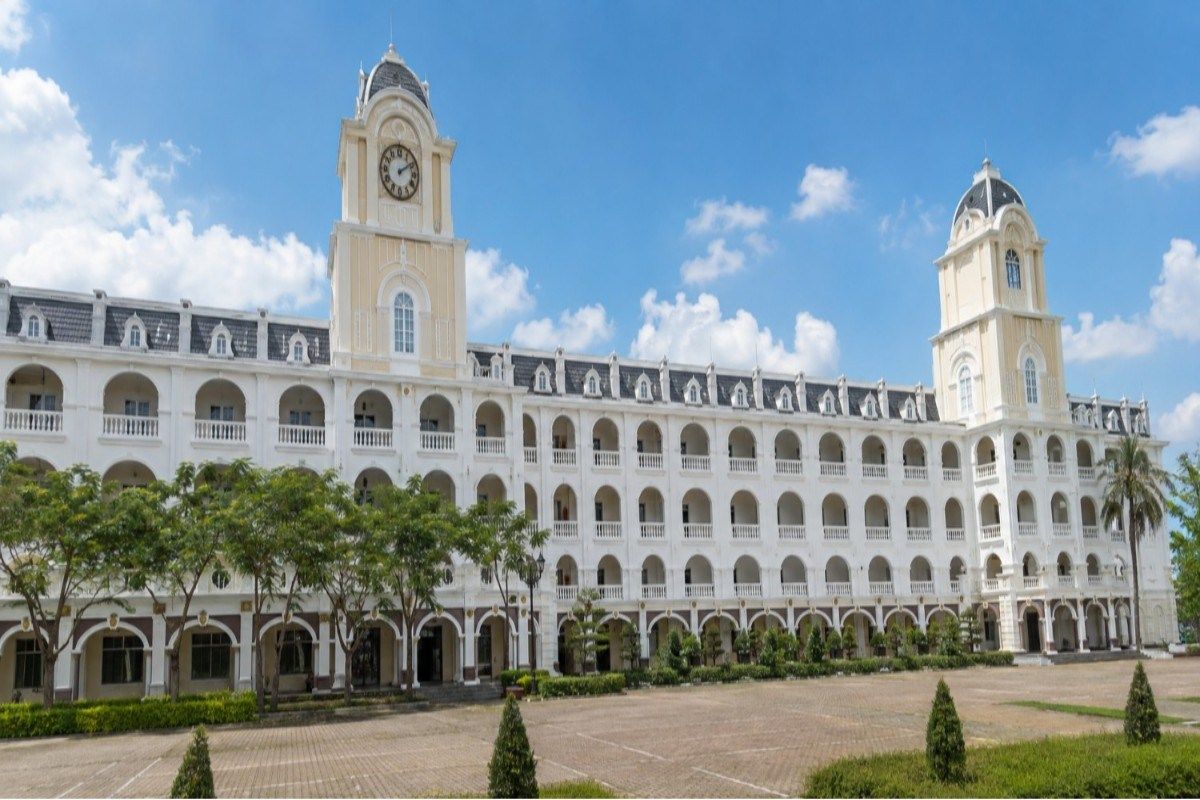
Most people just call it NCTU, or Nam Can Tho University. It's a genuinely newer name on the medical education scene in Vietnam — the university itself was founded in 2013 in Can Tho City, right in the heart of the Mekong Delta, and its Faculty of Medicine followed not long after, built specifically to serve international students alongside its Vietnamese cohort.
Here's something worth knowing that a lot of write-ups skip past. NCTU's own teaching hospital, Nam Can Tho University Hospital, became the first medical facility in the entire Mekong Delta to receive AACI accreditation from the United States. That's not a small claim — it's a U.S.-based hospital accreditation standard, and getting it puts NCTU's clinical training site on a genuinely different footing than most private medical schools in the region.
There's another detail worth flagging too. NCTU brings in international faculty, including doctors trained in the United States, to help run its clinical teaching, and it structures its curriculum around an American-standard model rather than the older Soviet-influenced framework you'll find at some of Vietnam's longer-established public medical universities.
It's a private university, accredited by Vietnam's Ministry of Education and Training, with its International Medicine programme also recognised by the World Health Organization and India's National Medical Commission. Clinical training runs through the university's own on-campus hospital, plus a wider network of healthcare institutions and diagnostic centres across Can Tho and neighbouring provinces.
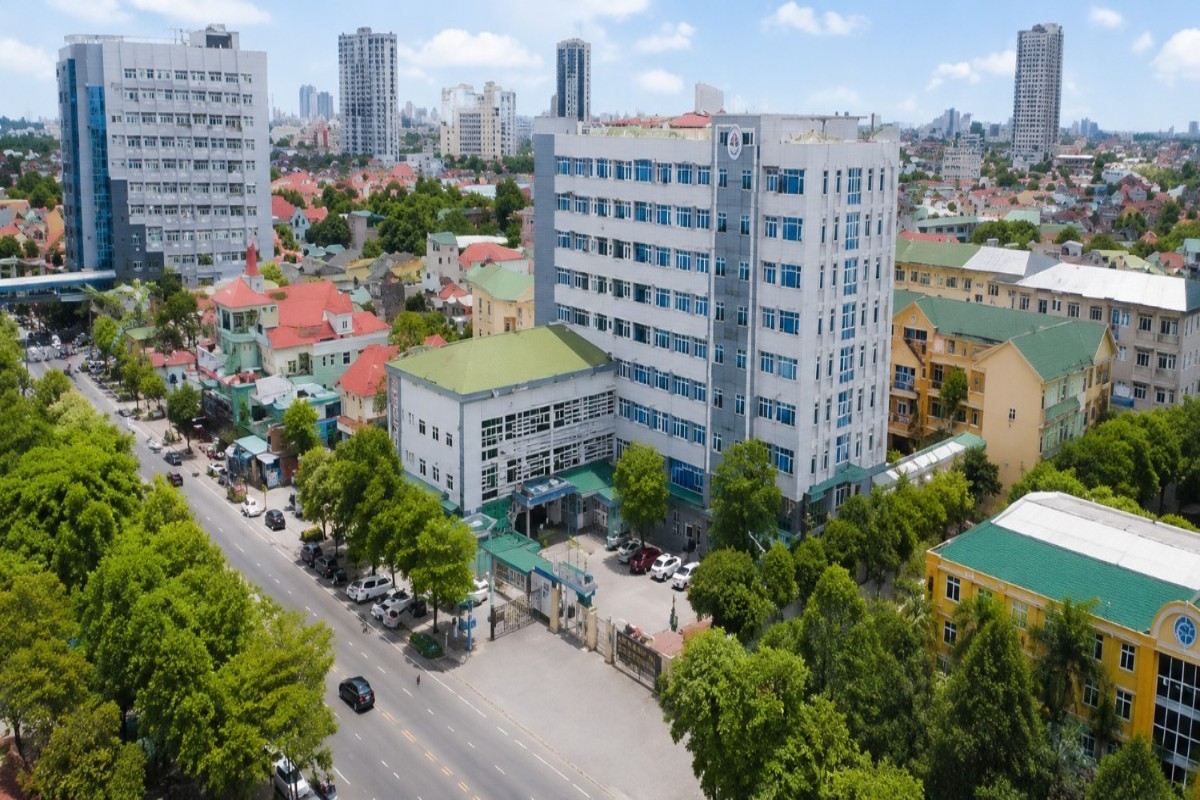
Can Tho is the largest city in Vietnam's Mekong Delta, a river city famous for its floating markets and its maze of canals, and it sits roughly four hours by flight from India, which NCTU markets as a genuine convenience for its Indian student base. The campus itself sits on Nguyen Van Cu Street in Ninh Kieu District, and it's grown fast — NCTU now counts more than 38,000 students overall, including over 200 international students.
What really sets the medical faculty apart here is having its own hospital built right onto the campus. Rather than sending students off-site for early clinical exposure, NCTU's multi-specialty university hospital sits directly on the same grounds, giving students bedside learning opportunities without needing to travel across the city.
Let's be clear about the shape of this degree. Medicine at NCTU isn't a Staatsexamen-style programme, and it's not run on the older Soviet-derived Vietnamese medical model either. It's a six-year Doctor of Medicine, treated as MBBS-equivalent, made up of five years of academic and clinical study followed by a one-year internship.
English carries the entire International Medicine Program, so students coming from India or elsewhere abroad don't need Vietnamese to follow their coursework.
Getting in doesn't run through a competitive university entrance exam the way it would for Vietnamese-language programmes. Indian applicants generally need a qualifying NEET score alongside the standard 10+2 science requirements, and admission runs directly through the university rather than a national coordinating body.
On cost, NCTU positions itself as an affordable option relative to Western medical schools, though not quite as cheap as some of the lowest-cost options elsewhere. Reports put annual tuition somewhere around $4,500 to $5,000 USD, which works out to roughly $27,000 to $30,000 USD, or about ₹23 to ₹25 lakh, across the full six-year programme.
Parameter | Details |
Founded | 2013, in Can Tho City, Vietnam; Faculty of Medicine established shortly after |
Institution Type | Private university, accredited by Vietnam's Ministry of Education and Training |
Location | Ninh Kieu District, Can Tho City, in the Mekong Delta |
Programme | Doctor of Medicine (MD), equivalent to MBBS |
Duration | 6 years: 5 years academic and clinical study plus 1 year internship |
Medium of Instruction | English (International Medicine Program) |
Admission Route | Direct application to the university; NEET required for Indian applicants |
Teaching Hospital | Nam Can Tho University Hospital, on campus, first in the Mekong Delta with AACI (USA) accreditation |
Fee Component | Amount | Notes |
Annual Tuition Fee | Approx. USD 4,500 to 5,000 per year | Confirm the current rate directly with the university |
Total Programme Cost | Approx. USD 27,000 to 30,000 | Roughly ₹23 to 25 lakh across the full six years |
One-Time Charges | Applies at admission | Confirm current fee amounts directly |
Hostel Accommodation | Available on or near campus | Confirm current rate with the university |
Living Costs | Generally affordable | Lower than most Western study destinations |
Donation | No Donation | Fees are tuition-based, not capitation-based |
Most competing pages never explain this properly. Nam Can Tho University Hospital was the first hospital in the entire Mekong Delta to earn AACI accreditation from the United States — a real, external quality benchmark, not just a claim on a brochure, and it sits directly on the same campus students study on.
A lot of guides treat every Vietnamese medical school as running the same standard curriculum. NCTU explicitly builds its International Medicine Program around American teaching standards, and it brings in doctors trained in the U.S. to take part in clinical instruction, a genuinely different setup from Vietnam's older, more established public medical universities.
Let's be fair about this. NCTU is still a genuinely young university, so it doesn't carry the decades of graduate history that some of Vietnam's older medical schools do, and tuition here runs a bit higher than the very cheapest MBBS options in the region. Indian applicants still need a qualifying NEET score before enrolling, and NExT afterward before they can practise back home. So who does this suit? Students after a modern, on-campus hospital with genuine U.S. accreditation, an American-style curriculum, and international faculty involvement, who don't mind paying somewhat more than the absolute lowest-cost options abroad. If a long institutional history matters most to you, look toward Vietnam's older public medical universities instead. But for those prioritising hospital quality and a more Western-style clinical training model, NCTU is genuinely worth a look.
No hidden charges, no donation. The full picture of costs at MBBS in Nam Can Tho University Faculty of Medicine.
Tuition Fee
$5,250 to $6,000 USD
VND 156,060,000 / USD 6,000 per year
Hostel Fee
VND 2,610,000 for six months.
VND 31,320,000.
Food & Meals
USD 2,790/year
per year
Insurance
VND 2–3 million/year
per year
Donation
No donation
NO hidden fee
Total Estimated Cost
USD 45,000–46,000,
6 year
25–35%
Average FMGE first-attempt pass rates for students from many overseas medical universities. Students from structured programs consistently score higher.
Students returning to India need to clear the FMGE/NExT exam. MBBS in Nam Can Tho University Faculty of Medicine integrates exam-oriented coaching into the regular curriculum so students are prepared from day one.
A structured program that takes you from foundational sciences to clinical mastery.
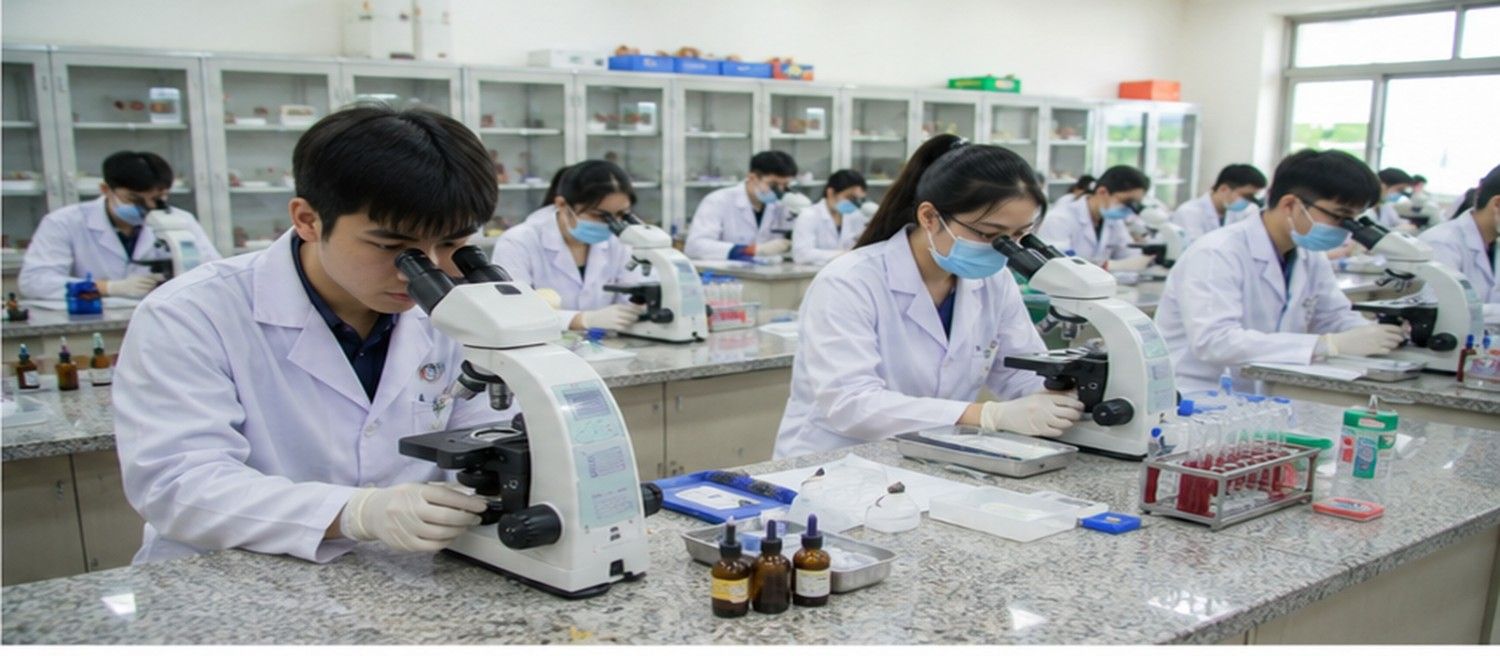
• Includes cadaver-based anatomy training and high-tech simulation labs.
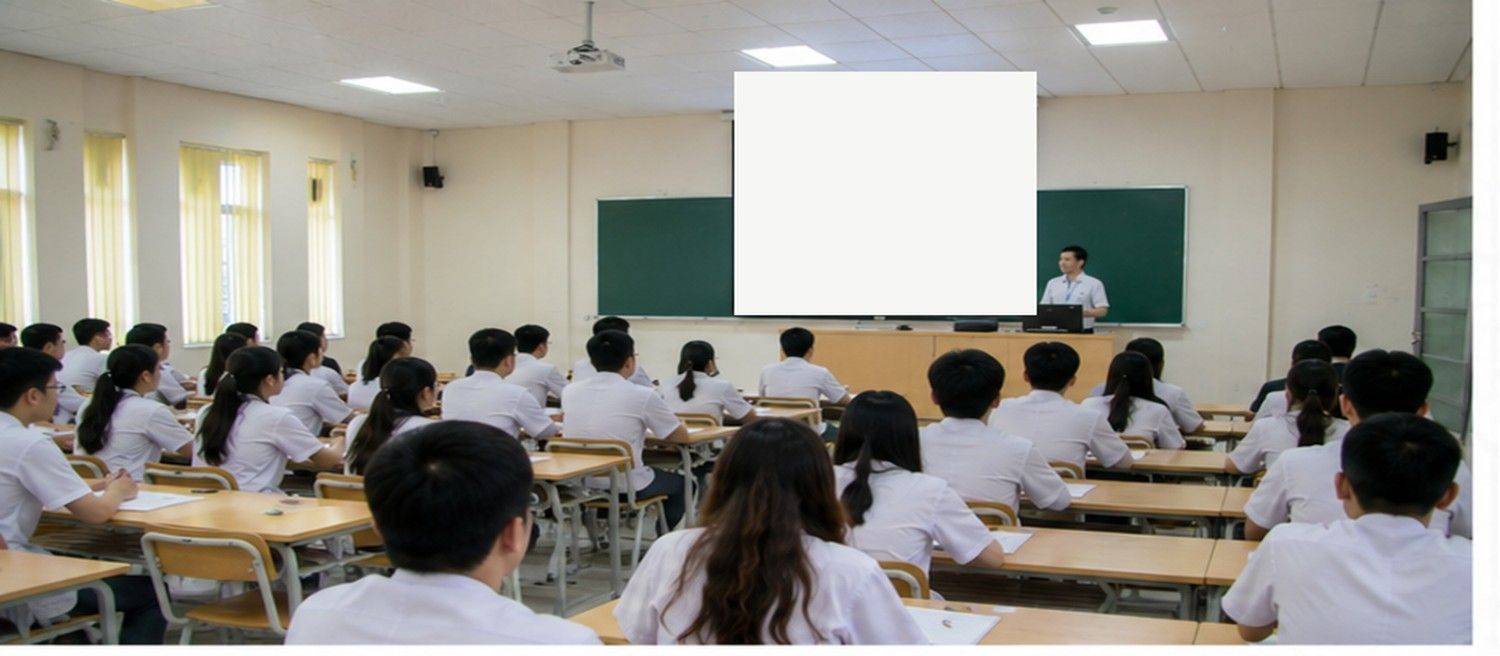
• Core medical sciences delivered through an American-standard curriculum, taught in English.
• Also draws on a wider network of healthcare institutions and diagnostic centres across the Mekong Delta.
• Runs through Nam Can Tho University Hospital, located directly on campus.
• Completes the requirements for the MD qualification.
• A supervised final year of practical clinical training.
Furnished hostel rooms with Wi-Fi, laundry, 24/7 security, and Indian mess on or near campus.
Indian restaurants and mess facilities serving vegetarian and non-vegetarian home-style food daily.
Strong Indian community with cultural events, festival celebrations, and peer support groups.
Students get hands-on clinical training in government and private hospitals affiliated with the university.
Practical information for students planning to study at MBBS in Nam Can Tho University Faculty of Medicine.
Prepare for all seasons. Thermal wear for winters, light clothing for summers. University provides heating in hostels.
Student visa processed with university invitation letter. Direct and connecting flights from major Indian cities.
Health insurance included in fees. Medical facility on campus plus city hospitals easily accessible.
Local SIM cards available. WhatsApp and video calls keep you connected with family back home.
Average monthly expenses of $150–$250 covering food, transport, and personal needs.
University library, online databases, and study groups. Seniors mentor juniors through academic challenges.
Our team guides you through every step — from application to arriving on campus.
Compare based on fees, clinical exposure starting year, city, and current NMC/WDOMS status, not just the cheapest headline number. This comparison step is where most of the confusion about MBBS in Vietnam and the fees for Indian students is actually resolved.
Submit academic transcripts and NEET scorecard to the university, either directly or through an authorised admission partner.
The university's international admissions office verifies submitted documents and academic eligibility.
Most universities issue this within 5–10 working days of document approval, though this can take longer during peak intake season.
Pay the first-year fee or an agreed-upon advance to confirm your seat.
The university registers your Letter of Invitation with the relevant Vietnamese education authority before the visa stage begins.
Apply for the student visa at the Vietnamese embassy/consulate in India; realistic processing time is 10–20 working days.
Book travel, confirm arrival dates with the university's international office, finalise documents, and arrange insurance in the final 30 days.
Complete on-arrival registration with local authorities within the required window (commonly 3–5 working days) — this is what legally covers your stay for the semester, not the entry visa alone.
Open a local bank account, get a local SIM card, attend orientation (including basic language sessions where offered), and start building routine and community connections.
Admission Helpline — Contact our counsellors for step-by-step assistance.
“The faculty here is incredibly supportive. The clinical training during hospital rotations has given me real confidence in patient care.”
“Affordable fees without compromising on quality. The campus facilities and hostel life made my transition abroad very smooth.”
“English medium instruction and WHO-recognized curriculum were the deciding factors for me. No regrets so far — excellent experience overall.”
“The university helped with everything from visa to accommodation. Hospital exposure from year three has been invaluable for my FMGE prep.”
“Just cleared my licensing exam on the first attempt. The structured coaching and mock exams during final year were a game-changer.”
“Safe campus, good food options, and a strong Indian student community. The teaching methodology is very practical and hands-on.”
In 2013, in Can Tho City, with its Faculty of Medicine established shortly after.
Six years total — five years of academic and clinical study plus a one-year internship.
Yes, the entire International Medicine Program is taught in English.
There's no separate university entrance test for international applicants, though Indian students need a qualifying NEET score.
Roughly USD 27,000 to 30,000 in total, around ₹23 to 25 lakh, across the full six years.
A Doctor of Medicine (MD) degree, treated as MBBS-equivalent internationally.
Nam Can Tho University Hospital, located directly on campus and the first in the Mekong Delta with AACI (USA) accreditation.
Not right away — graduates still need to clear the NExT exam first.
Private, accredited by Vietnam's Ministry of Education and Training.
It holds AACI accreditation from the United States, the first hospital in the entire Mekong Delta to earn that recognition.
Our expert counsellors will guide you through the complete admission process — from documents to airport pickup.